Let's be honest. "French gastronomy recipes" often conjure up images of intimidating techniques, a battalion of copper pots, and ingredients you can't pronounce. I felt the same way before spending a summer in Lyon, shadowing a friend's uncle who ran a tiny, one-Michelin-star place. The revelation wasn't about complexity; it was about clarity of flavor and respect for a few fundamental processes. You don't need a brigade. You need patience, good ingredients, and to understand the 'why' behind the steps.
This guide strips away the intimidation. We're diving into three pillars of French home cooking and restaurant classics. These aren't just recipes; they're masterclasses in technique that will upgrade everything else you cook.
What You'll Find Inside
The Soulful Stew: Mastering Boeuf Bourguignon
If there's one dish that embodies French rustic elegance, it's boeuf bourguignon. It's a beef stew, yes, but transformed. The goal is not just tender meat, but a sauce so deep and glossy you could eat it with a spoon. Most recipes get the basics right. They miss the nuances that make it sublime.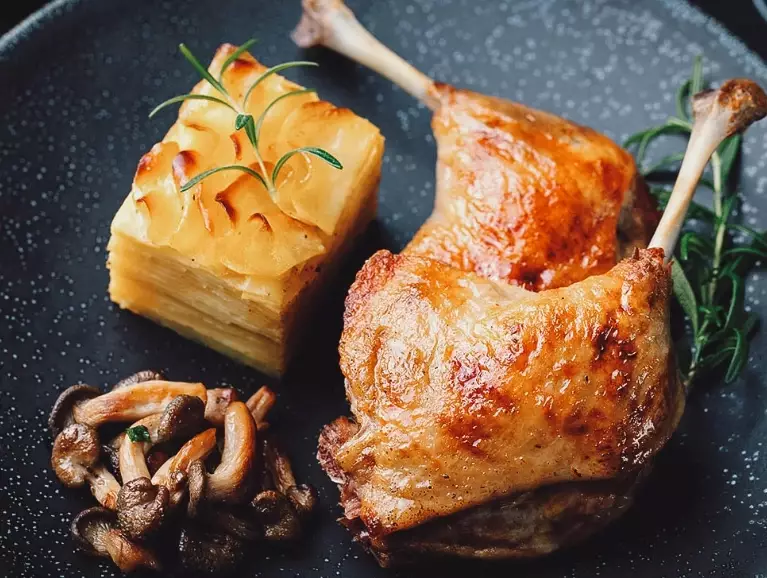
The Core Framework: What You're Actually Doing
You're executing a classic French daube: marinating and browning beef, building flavor with aromatics, deglazing with wine and stock, and slow-cooking until the connective tissue melts into the sauce. The magic is in the layers.
Start with the right cut. Chuck roast or beef cheek. Fat and collagen are your friends. Cut into large 2-inch cubes. Patience tip number one: dry each cube thoroughly with paper towels. Wet meat steams, it doesn't brown.
Brown, don't crowd. This is the single most common error I see. You need a fierce, single-layer sear in your Dutch oven. If you dump all the meat in, you'll boil it in its own juice. Do it in batches. Take your time. Those dark, sticky bits on the pot bottom (fond) are liquid gold.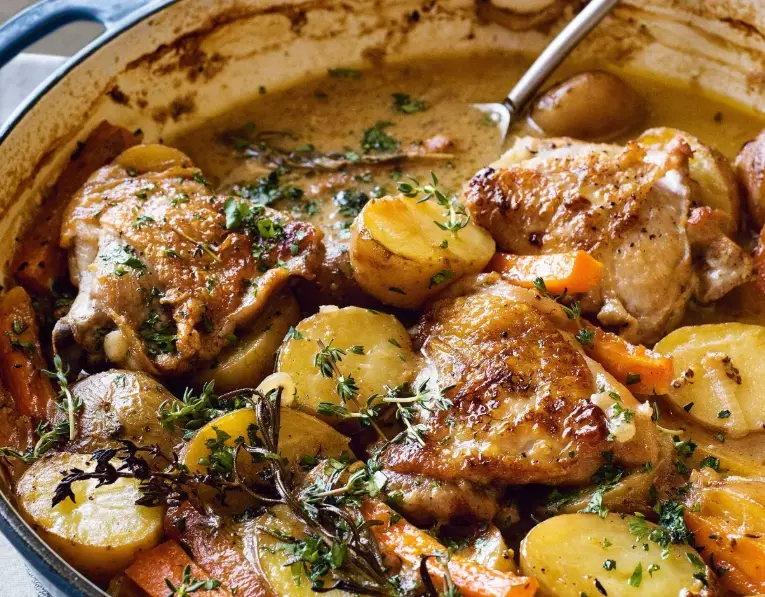
The wine matters, but not how you think. Use a decent, drinkable Burgundy (Pinot Noir) or a sturdy Côtes du Rhône. Never use "cooking wine." But here's the non-consensus bit: you don't need a whole bottle. About 2-3 cups is plenty. You're reducing it to a syrup before adding stock. Too much and the sauce can taste acidic, even after hours of cooking.
The vegetable finish is non-negotiable. Those pearl onions and mushrooms aren't garnish. They're cooked separately and added at the end to retain their texture and bright flavor, cutting through the richness. Sauté the mushrooms in a screaming hot pan with no oil first—let them release their water and get a proper sear. Then add butter.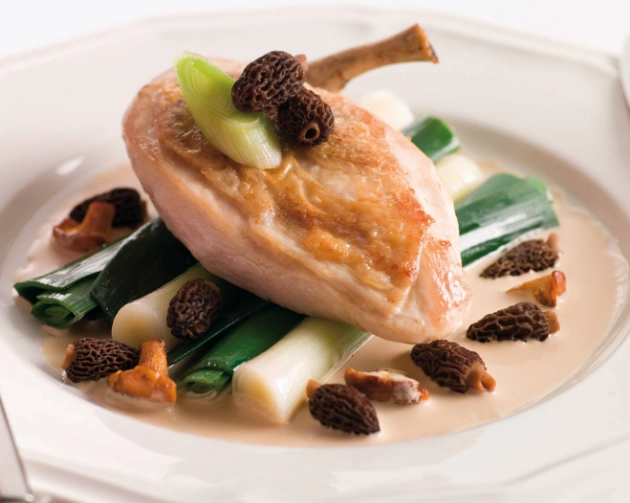
The Hearty Feast: Deconstructing Cassoulet
Cassoulet is a argument in a pot. From Toulouse to Carcassonne, every family, every chef, claims theirs is the only true version. Forget the dogma. At its heart, it's a bean and meat casserole where the crust is the star. The debate is about which meats make the cut.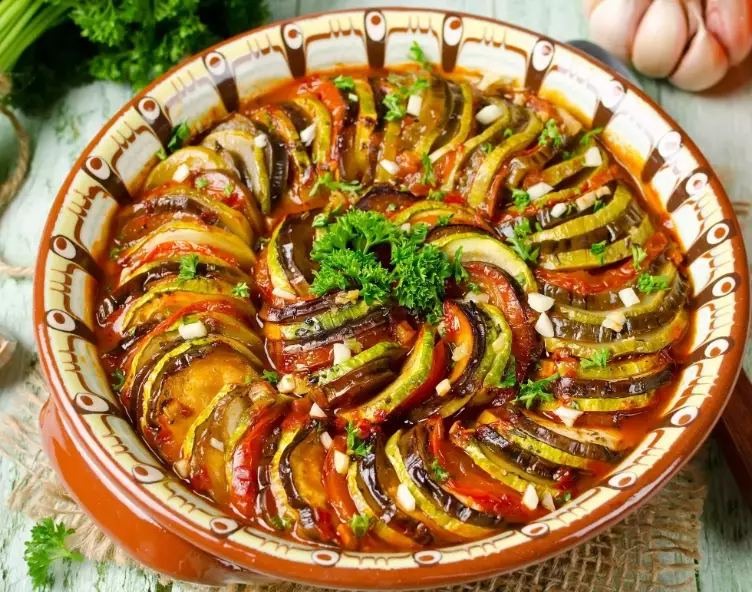
Let's build a practical, show-stopping version you can actually make without sourcing a whole confit duck from Gascony (though if you can, do it).
The Three Pillars of Flavor
1. The Beans: Use Tarbais beans if you can find them. Otherwise, great northern or cannellini beans work. Soak overnight. Cook them gently with a bouquet garni (parsley, thyme, bay leaf) and a whole onion studded with cloves until just tender. Salt only at the end. This keeps the skins from toughening.
2. The Meat Trio (The Simplified Trinity):
- Confit Duck Legs: The game-changer. You can find these pre-cooked in tins or jars at specialty stores or online. They are worth the hunt.
- Toulouse Sausages: A coarse, garlicky pork sausage. If unavailable, a good Italian sweet sausage with extra garlic mashed into it is a fine substitute.
- Pork Shoulder: Diced and browned until caramelized. This provides the base meat flavor that permeates the beans.
3. The Cooking Liquid & Crust: Combine the bean cooking liquid with a little tomato paste and garlic. Layer beans and meats in a heavy pot (a true cassole is traditional, but a Dutch oven is perfect). Pour liquid to just cover. Now, the ritual: a slow bake (around 300°F/150°C) for 3-4 hours. Every 45 minutes, you break the golden crust that forms on top and gently push it down into the stew. This repeated basting and thickening is what creates the cassoulet's legendary texture.
It's a project. Make it on a lazy Sunday. The leftovers are arguably better.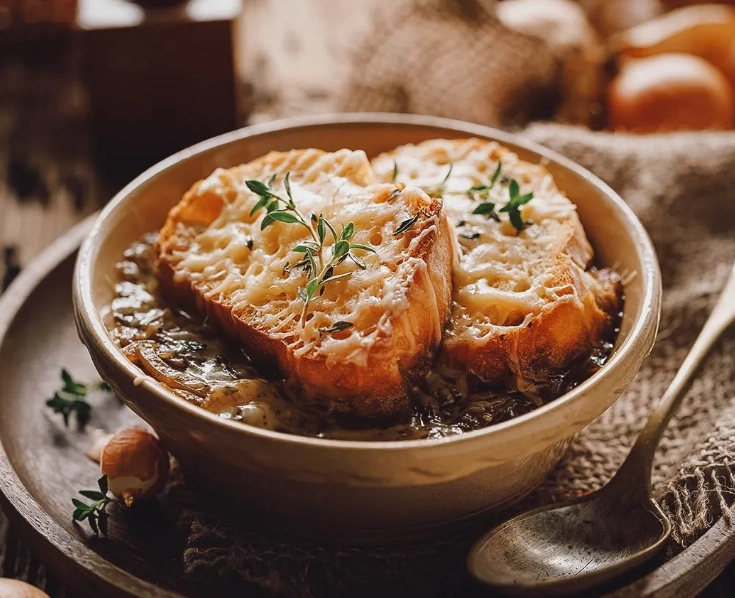
The Elegant Finish: Perfecting Tarte au Citron
After the hearty stews, something bright and sharp. A perfect French lemon tart is a balance of contrasts: a crisp, buttery, sandy shell (pâte sablée) against a intensely lemony, just-set, creamy filling.
Most home versions fail on the texture. The filling weeps, or the crust is soggy, or it tastes like sweetened lemon pudding.
The Two Critical Battles: Shell and Filling
Battle 1: The Sablée Shell. This is a shortbread-like crust. Use cold butter, work quickly, and blind bake it thoroughly. That means lining the raw crust with parchment, filling with pie weights or dried beans, and baking until the edges are set. Then remove weights and bake again until the base is dry and sandy-golden. No pale, underbaked shells allowed. This creates a moisture barrier.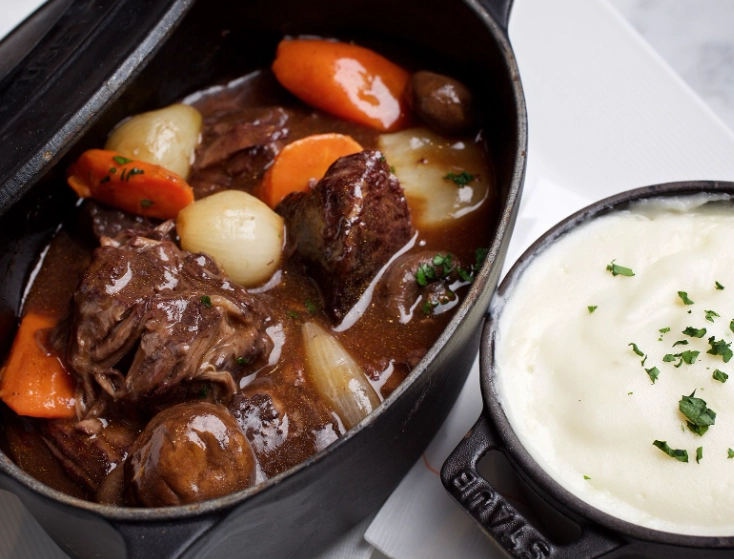
Battle 2: The Luscious, Set Filling. The classic French filling is a lemon cream (crème au citron) made by whisking lemon juice, zest, sugar, and eggs over a bain-marie (double boiler) until thick, then whisking in cold butter. It sets as it cools. The trick? Cook it to 180°F (82°C). Use a thermometer. Below that, it's runny. Above, you risk scrambling the eggs.
Pour the warm filling into the fully cooled shell. Let it set at room temperature, then chill. Serve with a barely sweetened whipped cream or a few fresh berries.
That contrast—fragile crust, piercing lemon, cool cream—is a masterclass in dessert balance.
Your French Cooking Questions, Answered
The journey into French gastronomy at home isn't about replicating a three-star menu. It's about embracing these foundational dishes. They teach you about layering flavors, the alchemy of slow cooking, and the precision of pastry. Start with the boeuf bourguignon. Get comfortable with the process. Then tackle the cassoulet for a crowd. Finally, wow everyone with the deceptive simplicity of the lemon tart. You're not just following recipes; you're building a repertoire of techniques that will last a lifetime. And honestly, the smell of a bourguignon simmering away on your stove is its own kind of luxury. Bon appétit.