Quick Navigation
Let's be honest. We've all been there. You spend good money on a beautiful, thick rib eye, full of excitement. You follow some recipe you found online, heat up the pan, and... it ends up uneven. A gray band of overcooked meat surrounds a tiny pink center, or worse, it's tough and chewy. The fat hasn't rendered, and you're left feeling a bit defeated. I know I have. It happened to me more times than I'd like to admit before I figured out what really matters.
So, I'm not here to give you just another list of steps. I want to talk about the why behind each step of a great rib eye steak recipe. Because once you understand the principles, you can adapt to any kitchen, any stove, and still nail it every single time. Forget the intimidation. Cooking a perfect rib eye is less about fancy chef skills and more about patience and a few non-negotiable rules.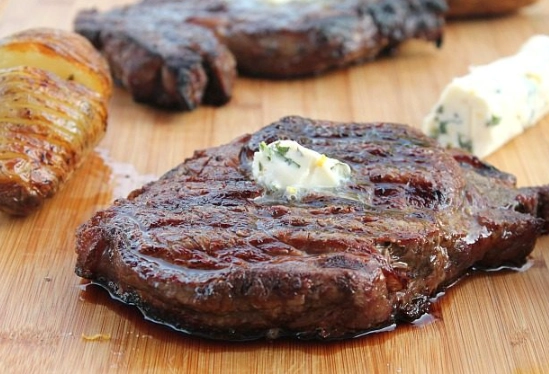
The Core Philosophy: A fantastic rib eye steak recipe isn't a rigid set of commands. It's a framework. Your goal is to maximize two things: the development of a deep, flavorful crust (the Maillard reaction) and the perfect, even doneness inside (usually a juicy medium-rare for this cut). Everything we do serves one of these two masters.
Step Zero: Picking Your Champion Steak
You can't make a masterpiece with mediocre ingredients. This is the most critical step most guides rush through. All the technique in the world won't save a poor-quality cut.
Understanding the Rib Eye Cut
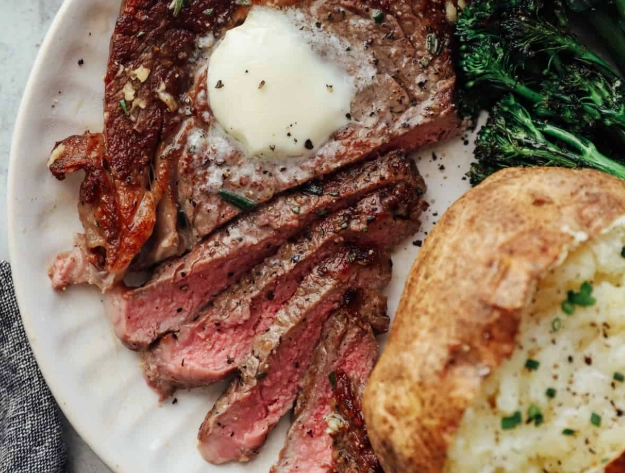
The rib eye comes from the rib section of the cow (ribs 6 through 12). It's not a single muscle; it's a glorious combination. You have the large, tender longissimus dorsi muscle (the "eye") and the incredibly flavorful, fatty spinalis dorsi muscle (the "cap" or "deckle") that wraps around it. That cap is, in my opinion, the best bite of beef on the entire animal. A proper rib eye steak recipe celebrates both parts.
When you're at the butcher or grocery store, look for:
- Marbling: Those fine white streaks of fat within the muscle. This is intramuscular fat, and it's what melts during cooking, basting the steak from the inside and making it incredibly juicy and flavorful. More marbling generally means a better eating experience. The USDA grading system is based largely on marbling. For a special treat, look for "Prime" grade. "Choice" is excellent for everyday cooking.
- Thickness: Aim for at least 1.5 inches thick. 2 inches is ideal. Thin steaks are much harder to cook properly because they overcook in the time it takes to build a good crust. A thick steak gives you a buffer and allows for a beautiful gradient from crust to center.
- The Cap: Make sure the spinalis (the cap) is clearly visible and substantial. Some cheaper "rib eyes" are trimmed down to almost just the eye. You want that full, beautiful cap.
A quick story: I once bought a "bargain" rib eye that was barely an inch thick and had almost no marbling. I followed my usual method, and it cooked in about 4 minutes total. It was dry, tough, and frankly, a waste of time. Lesson learned. Now I'd rather have one fantastic 2-inch steak every month than three mediocre ones.
What about bone-in vs. boneless? The bone-in rib eye (sometimes called a "cowboy ribeye" or "rib steak") has its fans who swear it adds flavor. Science is a bit mixed on that—the bone itself doesn't transfer flavor through during a short cook. However, the bone does act as an insulator, slowing down cooking near it, which can sometimes lead to a slightly more uneven cook. I prefer boneless for consistency and ease of eating, but if you love the presentation of a bone-in steak, go for it. Just add a minute or two to your cooking time.
A Note on Dry-Aging
You might see "dry-aged" rib eyes. This is a process where the beef is hung in a controlled environment for weeks. Moisture evaporates, concentrating the flavor, and natural enzymes break down connective tissue, enhancing tenderness. It develops a unique, nutty, almost funky flavor. It's a fantastic experience, but it's also expensive. For your first few attempts at this rib eye steak recipe, I'd stick with a high-quality fresh or wet-aged (vacuum-sealed) steak. Master the basics first.
For authoritative information on beef cuts and grading, the U.S. Department of Agriculture (USDA) website is the primary source. Understanding terms like Prime, Choice, and Select comes directly from their grading standards.
Preparation: More Than Just Salt and Pepper
This is where the magic starts, hours before the steak hits the heat.
1. The Great Pat Down
Take your steak out of its packaging and dry it. I mean, really dry it. Use paper towels and press firmly on all surfaces. Any surface moisture will instantly turn to steam in a hot pan, preventing the crust from forming. You want the surface as dry as the desert for optimal browning.
2. Seasoning Strategy
Salt is non-negotiable. It does two things: seasons the meat and, through osmosis, helps draw out some moisture which then dissolves the salt and gets re-absorbed, seasoning the steak slightly below the surface.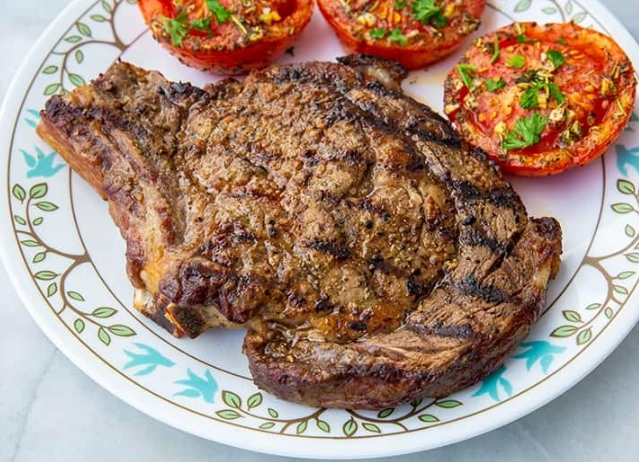
Timing Tip: For the best results, salt your thick rib eye steak heavily with kosher salt (it's less salty by volume than table salt) at least 40 minutes before cooking, and up to 24 hours before if you have time. Leave it uncovered on a rack in the fridge. This "dry-brining" is a game-changer. The surface dries out even more (great for crust), and the salt penetrates deeply.
What about pepper and other spices? Add fresh cracked black pepper after cooking. Pepper burns at high heat and can turn bitter. Garlic powder, onion powder, smoked paprika? If you want them, add them with the pepper after the sear, or make a compound butter to finish. For the purest expression of beef flavor, just salt.
3. The Temperature Equalizer
Take the steak out of the fridge at least 30-60 minutes before cooking. You want it to come closer to room temperature. Why? If you throw a cold steak into a hot pan, the outside will be done long before the center even begins to warm up, leading to that dreaded thick gray band. Letting it warm up a bit promotes even cooking.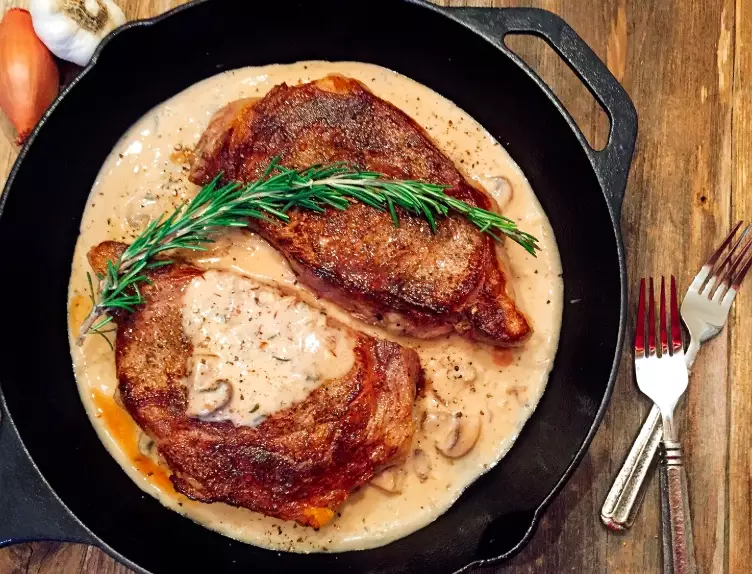
Food Safety Note: Don't leave it out for hours. The FoodSafety.gov guidelines are clear about the "Danger Zone" (40°F - 140°F). An hour on the counter for a thick steak is fine; four hours is not.
Now, your steak is dry, seasoned, and tempered. It's time to cook.
Choosing Your Cooking Method: The Two Best Paths
Here's the main decision point. For a thick-cut rib eye, you have two elite methods. One is slower and more precise (Reverse Sear), the other is faster and more hands-on (Pan-Searing). Both can yield incredible results.
Method 1: The Reverse Sear (My Personal Favorite for Thick Steaks)
This method flips the traditional sear-then-oven approach on its head. You cook the steak low and slow in the oven first to bring it to the desired internal temperature, then finish it with a blazing-hot sear. The benefits are massive: perfectly even doneness from edge to edge with almost no gray band, and you can get the crust insanely hot and fast without worrying about overcooking the inside.
How to Reverse Sear a Rib Eye:
- Preheat your oven to a low temperature, between 225°F and 275°F (107°C - 135°C). A lower temperature gives you more control.
- Place your seasoned steak on a wire rack set over a baking sheet. This allows air to circulate all around.
- Insert a probe thermometer into the thickest part of the steak and place the whole tray in the oven. This is the secret weapon. You cook to temperature, not time.
- Cook until the internal temperature is about 10-15°F (5-8°C) below your final target. For medium-rare (final target 130-135°F), pull it at 115-120°F. This slow cook can take 30-60 minutes depending on thickness and oven temp. Don't rush it.
- While the steak is in the oven, get your searing surface nuclear hot. A cast-iron skillet or carbon steel pan is best. Get it smoking hot. You can also use a grill on its hottest setting.
- Sear the steak. Pat the steak dry again (it might have released some moisture). Add a high-smoke-point oil (avocado, grapeseed) to the pan. Sear the steak for 60-90 seconds per side, including the edges, until a deep brown crust forms.
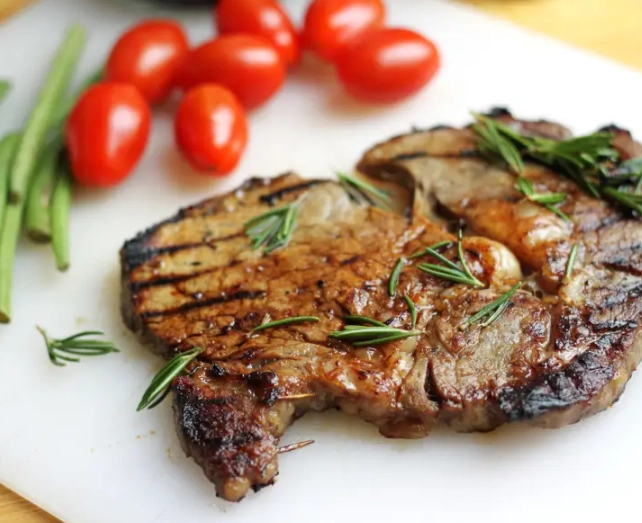
This reverse sear rib eye steak recipe is foolproof. It requires a thermometer, but it takes the guesswork out.
Method 2: The Classic Pan-Sear & Baste
This is the classic restaurant method. It's faster, more theatrical, and creates incredible pan sauces. It requires more attention and flipping.
How to Pan-Sear a Rib Eye:
- Heat your heavy skillet (cast iron is king) over medium-high heat for a good 5 minutes until very hot.
- Add your high-smoke-point oil and immediately add the steak. It should sizzle aggressively.
- Sear without moving for 2-3 minutes to build a foundation for the crust.
- Flip and sear the other side for another 2-3 minutes.
- Now, add flavor. Reduce heat to medium. Add a few tablespoons of butter, a couple of garlic cloves (smashed), and a few sprigs of fresh thyme or rosemary.
- Baste continuously. Tilt the pan, and with a spoon, continuously pour the foaming butter over the steak for 1-2 minutes. This cooks the steak gently with the butter's heat and infuses it with flavor.
- Check for doneness. Use the finger test or a thermometer. For a 1.5-inch steak aiming for medium-rare, total cook time is usually 8-10 minutes with flipping and basting.
This pan-seared rib eye steak recipe is more hands-on and delivers that iconic buttery, garlicky flavor right into the crust.
For absolute perfection and ease, especially with steaks over 1.5 inches, I lean heavily towards the reverse sear. For a quicker, more flavorful crust with butter infusion, the pan-sear is fantastic. Try both and see which fits your style.
The Non-Negotiable: Resting Your Steak
This is the step everyone wants to skip. Don't. When you cook meat, the juices are driven towards the center by the heat. If you cut it immediately, all those precious juices flood out onto your cutting board, leaving the steak dry.
Resting allows the muscle fibers to relax and re-absorb those juices. For a rib eye, rest it for at least half the time it took to cook. So, if it took 10 minutes to cook, rest for 5. For a reverse-seared steak, you can rest it between the oven and the sear, but also give it a brief 5-minute rest after searing.
Rest it on a warm plate, loosely tented with foil. Not tight, or the crust will steam and get soft.
Slicing and Serving: The Final Act
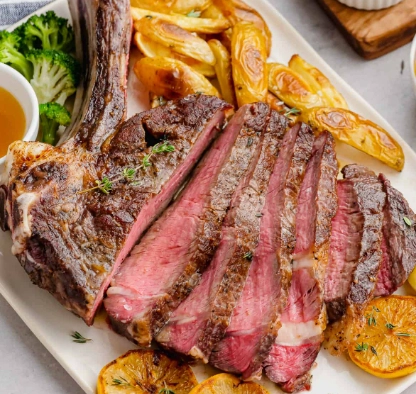
Use a sharp knife. Dull knives crush and tear meat, making it seem tougher. Slice against the grain. Look at the direction of the muscle fibers (the lines in the meat) and cut perpendicular to them. This shortens the muscle fibers, making each bite more tender.
For a rib eye, you'll notice the grain changes direction between the eye and the cap. You might need to adjust your slicing angle as you go. Just pay attention.
Serve immediately. A simple finishing salt (like Maldon flaky salt) and a crack of black pepper is all you need. A pat of herb butter melting on top is never a bad idea.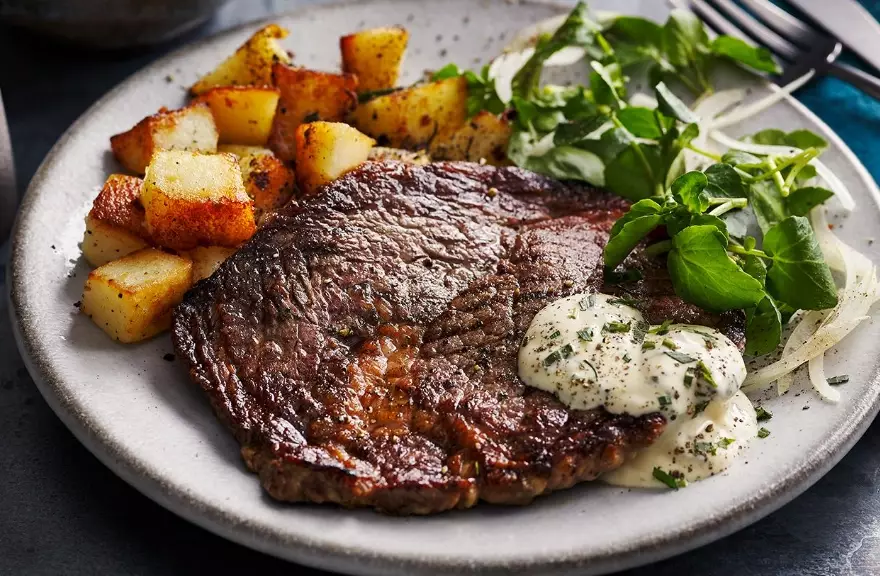
Your Rib Eye Steak Doneness Cheat Sheet
Forget guessing. Use a good instant-read digital thermometer. This table is your bible. Temperatures are for final, rested steak (they will rise 5-10°F during resting).
| Doneness | Final Internal Temp (°F) | Final Internal Temp (°C) | Visual & Tactile Clue |
|---|---|---|---|
| Rare | 120-125°F | 49-52°C | Bright red center, very soft, feels like the fleshy part of your palm below the thumb. |
| Medium-Rare (Recommended) | 130-135°F | 54-57°C | Warm red center, juicy, firm but yielding. The sweet spot for flavor and tenderness. |
| Medium | 140-145°F | 60-63°C | Pink and warm center, firmer to the touch. |
| Medium-Well | 150-155°F | 66-68°C | Hint of pink, mostly gray-brown, quite firm. |
| Well-Done | 160°F+ | 71°C+ | Gray-brown throughout, very firm, little juice. |
My strong opinion? For a well-marbled rib eye, cooking past medium is a disservice to the cut. The fat won't fully render at lower temps, and at higher temps, the meat tightens and squeezes out all the juice. Medium-rare is the goal.
Answering Your Rib Eye Recipe Questions
Why did my steak stick to the pan?
Pan wasn't hot enough, or you moved the steak too soon. Wait for the sizzle and the crust to form; it will release naturally. Also, ensure the surface is bone-dry.
Can I cook a frozen rib eye?
You can, but it's a different process. The best method is to cook it directly from frozen using a very low oven (like 250°F) until it reaches an internal temp of about 110°F, then sear it hot and fast. It works surprisingly well but requires a thermometer and more time.
My kitchen is full of smoke! Help!
It happens with high-heat searing. Use an oil with a high smoke point (avocado, refined safflower, grapeseed). Not extra virgin olive oil. Turn on your hood fan on high, open windows. It's the price of a good crust sometimes.
What's the best side for a rib eye?
Keep it simple. You want something that cuts through the richness. A crisp green salad with a sharp vinaigrette, roasted asparagus, crispy smashed potatoes, or creamy spinach. Nothing too heavy that competes with the star of the show.
Is it okay if my rib eye has a lot of gristle?
The rib eye should be relatively tender. There might be a central piece of gristle in the "eye." You can trim a bit of the hard fat before cooking, but don't go crazy. That intramuscular fat (marbling) is good. The gristle you can just eat around.
Wrapping It Up
Look, mastering this rib eye steak recipe isn't about one perfect night. It's about building confidence. Each time you cook one, you'll learn something new—how your stove behaves, how a particular pan heats, how the steak feels when it's done.
The real secret isn't a secret at all: start with a great, thick, well-marbled steak. Salt it well and ahead of time. Cook it gently to your desired temperature (thermometer!), then sear the life out of it to build the crust. And for the love of all that is juicy, let it rest.
That's the sign you've nailed it. No one talks because they're too busy eating. And that's the best review any rib eye steak recipe can get.