In This Guide
Let's talk about mechado. If you've ever scrolled through food blogs or YouTube looking for a solid recipe for mechado beef, you know there are a million versions out there. Some are way too complicated. Others skip the very steps that make this dish special. I remember the first time I tried to make it, following a vague recipe from a relative. The beef was tough, the sauce was watery, and let's just say it wasn't the comforting stew I dreamed of.
But you know what? After years of trial, error, and more than a few conversations with Filipino home cooks (my Lola included), I've nailed down a process that works every single time. This isn't just a list of ingredients and steps. This is a deep dive into the how and why of mechado. We'll cover everything from picking the right cut of beef to the slow-simmering magic that turns simple ingredients into a rich, savory masterpiece. So, if you're ready to move beyond basic instructions and truly understand this iconic dish, you're in the right place.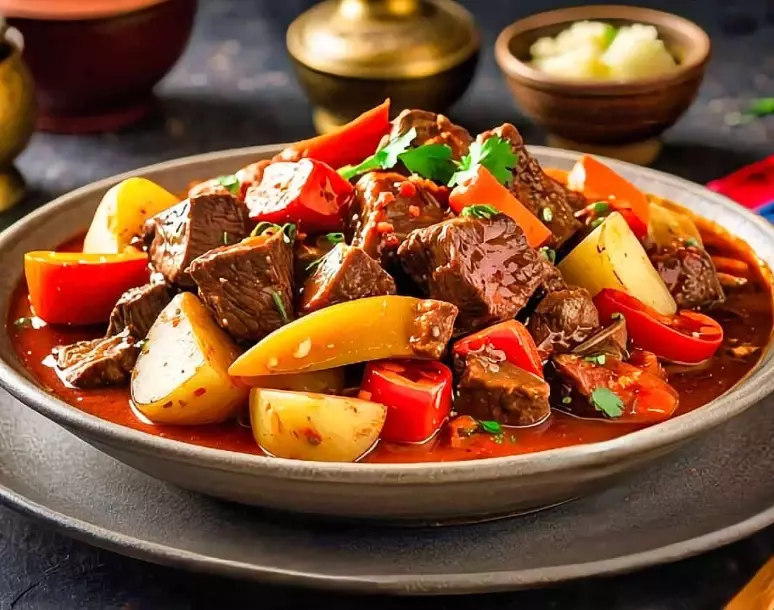
The Heart of the Dish: Choosing Your Ingredients Wisely
You can't build a great house with weak bricks, and you can't make great mechado with the wrong ingredients. This is where most quick recipes fail you. They treat all beef as equal. It's not.
The Beef: This is Non-Negotiable
The single biggest mistake you can make is using a lean cut of beef. Mechado needs time. It needs collagen. It needs a cut that welcomes a long, slow braise and rewards you with falling-apart tenderness. Forget sirloin or tenderloin—they'll just turn into expensive shoe leather.
Here’s the lowdown on the best cuts for your recipe for mechado beef:
| Beef Cut | Why It Works | Potential Drawback |
|---|---|---|
| Beef Chuck | My absolute top pick. It's marbled with fat and connective tissue, which melts during cooking, basting the meat from within and creating an incredibly rich, tender result. It's also relatively affordable. | Can have uneven pieces; requires a bit of trimming. |
| Beef Brisket | A champion of braising. The dense grain and fat cap yield supremely flavorful and tender meat. It's a favorite for a reason. | Often comes as a large slab, requiring more prep to cube. Can be pricier than chuck. |
| Beef Shank | Extremely flavorful and gelatinous, thanks to the marrow bone. This gives the sauce an incredible body and richness. | Meat-to-bone ratio is lower, so you might need more weight. Takes the longest to become tender. |
| Beef Round (Bottom or Top) | A leaner option that can work if you're mindful. It's less forgiving—you must brown it well and not rush the simmering. | Lacks the fat content of chuck or brisket, so the meat can be slightly drier if overcooked. |
I lean towards beef chuck for a balance of flavor, texture, and cost. A good resource for understanding beef cuts in more detail is the Beef. It's What's For Dinner website by the Beef Checkoff, which provides standardized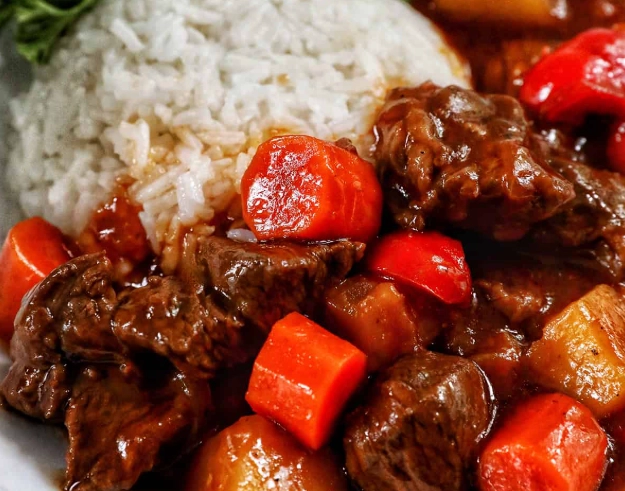 information from the industry.
The Flavor Foundation: Beyond Canned Tomato Sauce
Tomato sauce is key, but it's not a solo act. The depth comes from layers.
- Soy Sauce & Lemon Juice (or Calamansi): This is the Filipino flavor signature—the salty-umami punch from soy sauce and the bright, citrusy tang. Don't substitute lemon with vinegar at the start; the acidity profile is different.
- Bay Leaves: These aren't just for decoration. They impart a subtle, almost floral, woody aroma that is essential to the stew's character. Use two, and remove them before serving.
- Fish Sauce (Patis): This is my secret weapon. A teaspoon added along with the soy sauce adds a complex, savory backbone that most people can't pinpoint but would miss if it were gone. Trust me on this.
The Step-by-Step Mechado Method: Where the Magic Happens
Okay, you've got your ingredients. Now let's walk through the process. I'll explain the purpose behind each step, because knowing the "why" makes you a better cook.
Step 1: Prep is Everything
Cut your beef into 1.5 to 2-inch cubes. Pat them bone-dry with paper towels. This is crucial. Wet meat steams; dry meat browns. Season generously with salt and black pepper. Chop your onions, mince your garlic, and dice your tomatoes if using fresh.
Step 2: Building the Flavor Base
After removing the beef, sauté the garlic and onions until soft and fragrant. Add the tomatoes (if using) and cook them down until they break down and their juices release. This tomato "jam" is another flavor layer. Now, pour in the tomato sauce and let it simmer for a minute or two. This quick cook takes the raw, tinny edge off the canned sauce.
Step 3: The Long Simmer (The Most Important Part)
Return the beef to the pot. Add the soy sauce, lemon juice, bay leaves, fish sauce (if using), and enough water or beef broth to just barely cover the meat. Bring it to a boil, then immediately reduce the heat to the lowest possible simmer. Cover the pot, but leave it slightly ajar.
Let it bubble gently for at least 1.5 to 2 hours. Don't peek every ten minutes! You're letting the heat work slowly to break down the tough connective tissues. The meat should be fork-tender but not completely disintegrated. This slow process is the core of any authentic recipe for mechado beef.
Step 4: Adding the Vegetables and Final Touch
Once the beef is tender, add your potatoes and carrots. They only need 15-20 minutes to cook through. If you add them too early, they'll turn to mush. Finally, stir in the bell peppers just a few minutes before serving—they should retain a bit of crunch.
The final sauce should be rich and slightly thickened from the potatoes and the rendered collagen. If it's too thin, you can simmer it uncovered for a few extra minutes. If it's too thick, add a splash of water or broth. Taste and adjust the seasoning—maybe a pinch more salt or a tiny squeeze of lemon to brighten it up.
Mechado Troubleshooting: Your Questions Answered
Even with a great recipe, things can happen. Here are answers to the questions I get asked the most.
Why is my mechado beef still tough?
It simply hasn't cooked long enough. Connective tissue needs time and low, moist heat to transform into gelatin. No amount of boiling will speed this up properly. If your beef is still tough after 2 hours, just keep simmering. Check it every 20-30 minutes. It will get there. The cut of meat might also be the culprit—refer back to our beef cut table.
Can I make mechado in a pressure cooker or Instant Pot?
Absolutely. It's a great time-saver. Follow the same steps for searing and sautéing using the "Sauté" function. Then, add everything except the potatoes, carrots, and bell peppers. Pour in just 1 cup of liquid (instead of enough to cover). Seal the lid and pressure cook on high for 35-45 minutes, depending on the cut. Do a quick release, then add the veggies and use the "Sauté" function again to cook them through and thicken the sauce slightly.
My sauce is too sour. How do I fix it?
The balance of tomato and lemon can sometimes tip too far. To counteract excess acidity, add a small pinch of sugar (start with 1/4 teaspoon) or a teaspoon of tomato paste. Stir and taste. The goal isn't sweetness, but to round out the sharp edges of the flavor.
How long does leftover mechado last?
It keeps beautifully. Store it in an airtight container in the fridge for 3-4 days. In fact, many people think it tastes even better the next day as the flavors continue to meld. You can also freeze it for up to 3 months. Thaw overnight in the refrigerator before reheating gently on the stovetop.
Common Mistakes to Avoid (I've Made Most of These)
Let's be honest, learning often comes from messing up. Here’s a quick list of pitfalls to steer clear of when following your recipe for mechado beef:
- Using the wrong beef cut. (Yes, it's worth mentioning twice).
- Not browning the meat properly. Pale meat equals pale flavor.
- Adding the vegetables too early. You'll end up with carrot and potato mush.
- Boiling instead of simmering. A rolling boil will make the meat tough and dry, no matter how long you cook it.
- Underseasoning. Taste at the end! The long cooking process mellows flavors, so you often need to adjust the salt, pepper, or acidity right before serving.
Serving and Enjoying Your Mechado
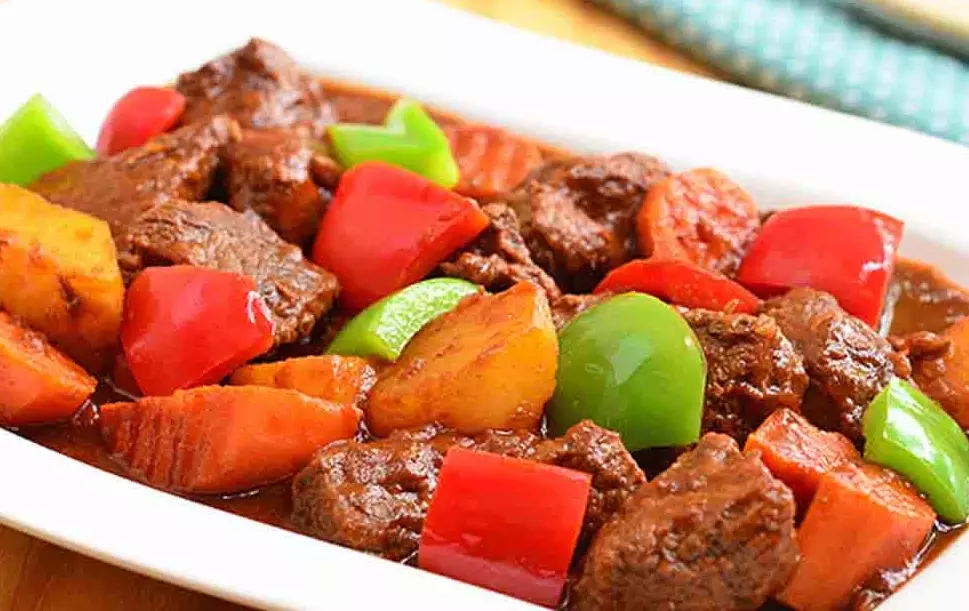
Mechado is a complete meal in a bowl, but it's traditionally served over a huge mound of steamed white rice. The rice soaks up that incredible sauce. A simple side of sliced tomatoes or a quick cucumber salad (agre dulce) provides a fresh, crisp contrast to the rich stew.
So there you have it. More than just a recipe for mechado beef, this is a guide to understanding a classic. It takes a little time and patience, but the result—a pot of deeply flavorful, tender beef stew that fills your kitchen with an amazing aroma—is worth every minute. It’s comfort food that tells a story. Now go grab some beef chuck and get cooking.