Your Sweet Roadmap
Let's talk about Indian sweets, or as we call them, mithai. If you've ever wandered into an Indian sweet shop, the sight is overwhelming. Rows upon rows of glittering, syrup-soaked, milk-solid wonders, often dusted with edible silver leaf. They look incredible, taste even better, but seem utterly impossible to make at home. I used to think that too. I'd stare at a piece of besan barfi and think, "This is pure magic." Then I tried making some. Let's just say my first batch of Gulab Jamun resembled charcoal briquettes more than sweet dumplings. It was a disaster.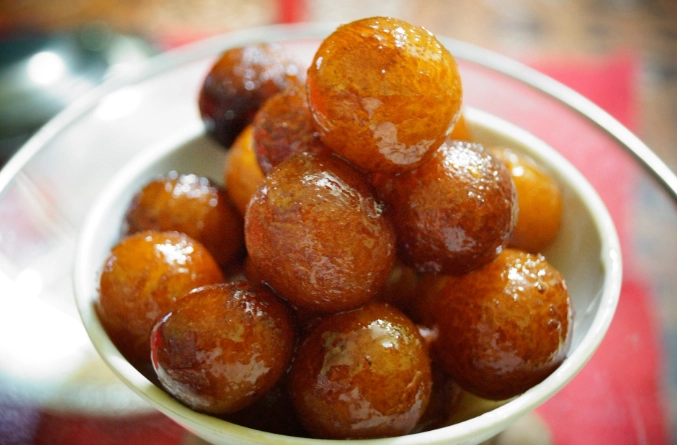
But that's the thing about Indian cooking recipes sweets – they aren't magic. They're a combination of patience, a few key techniques, and understanding the "why" behind each step. After many (many) trials, errors, and some surprisingly good successes, I've learned they're absolutely within reach for a home cook. This isn't about becoming a professional halwai (sweet maker). It's about bringing the warmth, celebration, and sheer joy of homemade mithai to your own kitchen. Whether it's for Diwali, a birthday, or just a Tuesday when you need a proper treat, let's break it down together.
The Real Talk: Not every Indian sweet is a weekend project. Some, like certain types of milk fudge, require constant stirring for over an hour. I'm not going to sugarcoat it (pun intended) – that's a commitment. But for every one of those, there's a simpler, faster version that delivers 90% of the flavor with 50% of the effort. We'll focus on both.
The Foundation: Ingredients You Can't Fake
You can't build a house on sand, and you can't make authentic Indian sweets with substitutes for the core ingredients. Sure, you can make approximations, but the flavor and texture will be... different. Here’s what you really need in your pantry if you're serious about exploring Indian sweets recipes.
The Holy Trinity of Dairy
So much of Indian mithai is built on transformed dairy. It’s fascinating, really.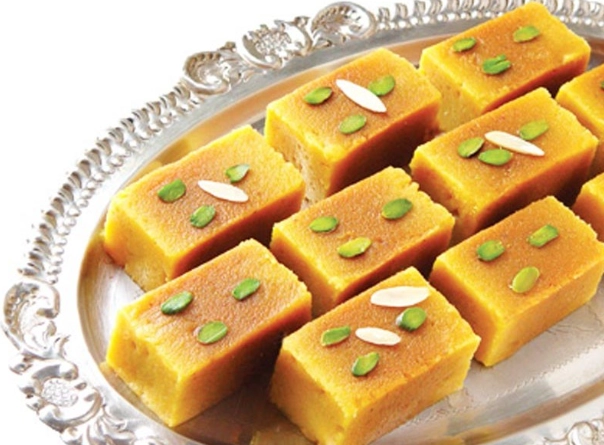
- Khoya/Mawa: This is the big one. It's whole milk that's been slowly, slowly simmered until almost all the water evaporates, leaving behind solid milk solids. It's the base for barfis, pedas, and the filling for many sweets. You can buy it frozen or in powder form at Indian stores, but making it at home? It tests your patience. I've done it once. The result was great, but my arm was sore for a day. A good-quality store-bought version is a perfectly respectable shortcut.
- Paneer: Not the salty, firm kind you put in curries. For sweets like Rasgulla and Sandesh, you need a fresh, soft, unsalted paneer, often homemade. The process (curdling milk with lemon juice, draining the whey) is simple and almost meditative. The freshness is unbeatable.
- Ghee (Clarified Butter): Don't even think about using butter or oil. Ghee has a nutty, rich aroma that forms the soul of many sweets. It's used for frying (like for Gulab Jamun and Jalebi) and for sautéing ingredients like semolina for halwa. Its high smoke point and flavor are non-negotiable. The USDA has guidelines on handling dairy, which is useful when working with these raw ingredients from scratch.
The Flour & Grain Squad
It's not just about all-purpose flour here.
- Besan (Gram Flour): This flour made from chickpeas is the star of Besan Ladoo and Mysore Pak. It has a distinctive, earthy flavor that toasts beautifully in ghee.
- Sooji/Rava (Semolina): Coarse or fine, this is the key for Sooji Halwa, a comforting, pudding-like dessert that's often made as a religious offering or a quick sweet fix.
- Atta (Whole Wheat Flour): Used in sweets like Aate ka Halwa (wheat flour halwa), especially for new mothers, as it's considered nourishing.
My Personal Staple: I always have a bag of fine sooji and a bag of besan in my cupboard. With those, some sugar, and ghee, I can whip up a decent sweet in under 30 minutes if guests show up unexpectedly. It's a lifesaver.
Sugar, Syrup, and the Art of Sweetness
How you sweeten an Indian sweet is as important as the main ingredient.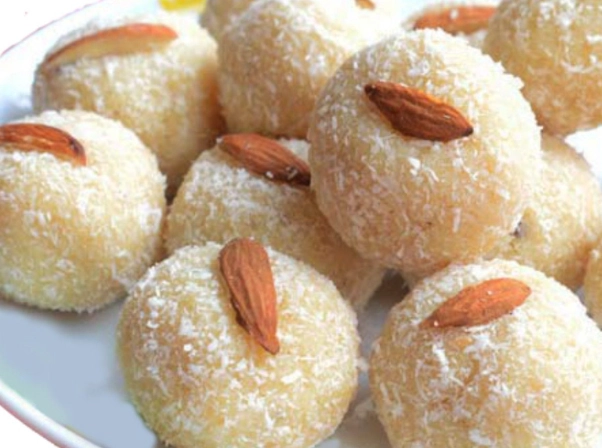
- Chashni (Sugar Syrup): This is a science and an art. The consistency is everything. "One-string consistency," where a drop of syrup between your thumb and forefinger forms a single thread when pulled apart, is crucial for sweets like Gulab Jamun and Jalebi. Too thin, and the sweet becomes soggy. Too thick, and it crystallizes. I still test it every single time.
- Jaggery (Gur): An unrefined cane sugar, dark and mineral-rich. It gives a deep, almost smoky sweetness to sweets like Tilgul (sesame and jaggery ladoos) and many traditional recipes from South and West India. It's a different flavor profile entirely from white sugar.
Where to Start: A Realistic Ranking for Beginners
If you're new to this, diving straight into making perfect, round Rasgullas might lead to frustration. Here’s my totally subjective, experience-based ranking of a few popular Indian sweets cooking recipes by difficulty and time commitment.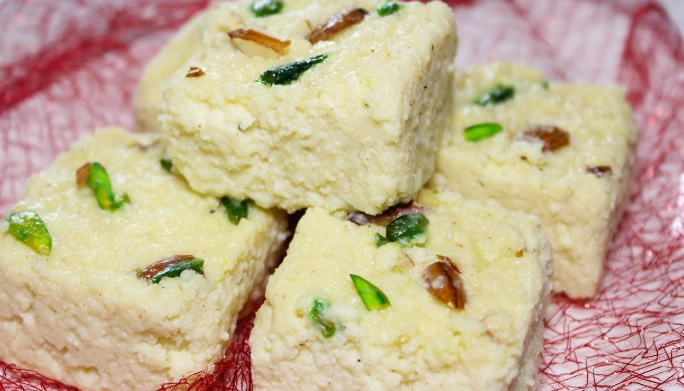
| Sweet Name | Core Ingredient | Difficulty (1-5) | Active Time | Why It's Here |
|---|---|---|---|---|
| Sooji Halwa | Semolina, Sugar, Ghee | 2 - Easy | 20-25 mins | It's a one-pan process. Toast sooji in ghee, add water/sugar, cook till thick. Hard to mess up. Perfect for a first try. |
| Besan Ladoo | Gram Flour, Ghee, Sugar | 3 - Intermediate | 35-40 mins | The challenge is roasting the besan in ghee patiently until it's deeply fragrant and changes color. Rush it, and you'll taste raw flour. Get it right, and it's sublime. |
| Gulab Jamun (from mix) | Readymade Mix, Sugar | 3 - Intermediate | 45 mins | Using a good quality mix (like Gits or MTR) takes the guesswork out of the dough. The real skill is frying them on very low heat to get an even, deep brown color without burning the inside. And nailing the syrup consistency. |
| Sandesh | Fresh Paneer, Sugar | 4 - Challenging | 1 hour+ | You start from milk, making the paneer yourself. Then kneading it with sugar to a smooth paste, cooking it briefly, and setting it. It's sensitive to overcooking, which makes it rubbery. But when soft and delicate, it's a masterpiece. |
| Jalebi | Fermented Batter, Sugar Syrup | 5 - Expert | 2 hours+ (incl. fermenting) | Oh, Jalebi. The batter needs to ferment just right. Then you need a steady hand and confidence to pipe swirling circles directly into hot oil. The syrup has to be absorbed immediately. Everything has to come together in a hot, fast, sticky dance. My attempts have ranged from glorious to... abstract blobs. I have immense respect for street vendors who do this all day. |
See? There's a spectrum. Starting with Sooji Halwa builds confidence. It’s one of the most forgiving Indian dessert recipes out there.
Deep Dive: Two Classics, Demystified
Let's take two favorites from the table above and walk through them, not just with steps, but with the "why" and the common pitfalls.
Project 1: Gulab Jamun (The Festive Favorite)
No Indian festival feels complete without these rose-scented, syrup-soaked dumplings. The name literally means "rose berry." Making them from khoya is the traditional way, but for reliability at home, a good quality dry mix is your best friend. Here’s the process, with commentary.
You'll Need: Gulab Jamun mix (check the packet for quantity), milk (usually to bind), ghee or neutral oil for deep frying, sugar, water, cardamom pods, rose water (optional but recommended), a pinch of saffron (luxury touch).
The Syrup (Chashni) First: Always make the syrup first so it's ready and slightly warm when the hot jamuns come out of the oil. Combine 2 cups sugar with 1.5 cups water. Add 4-5 crushed green cardamom pods. Bring to a boil, simmer for 5-7 minutes until it's slightly sticky but not thick. You're aiming for that one-string consistency. Turn off the heat, add a teaspoon of rose water and the saffron. The syrup should be warm or at room temp when you add hot jamuns. If the syrup is too hot, the jamuns can disintegrate. If it's cold, they won't absorb it well.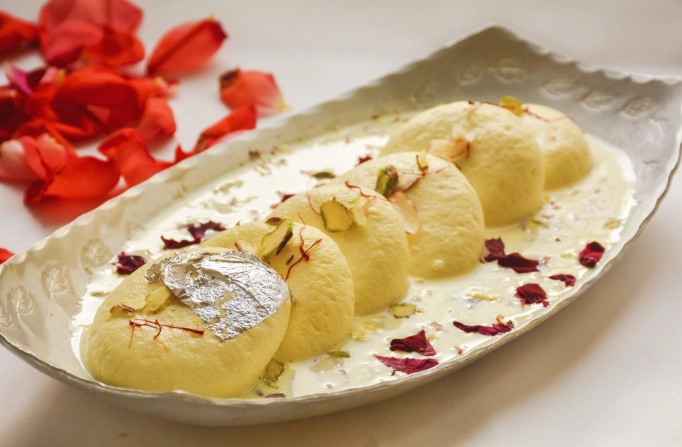
The Dough: Empty the mix into a bowl. The instructions usually say to add a specific amount of milk or water. Add it gradually. The dough should be very soft, smooth, and slightly sticky, like a soft play-dough. No cracks. This is critical. If it's too dry, the jamuns will be hard. Knead it gently for 4-5 minutes – this helps develop the texture. Let it rest for 5 minutes.
Classic Mistake: Making the balls too big. You end up with giant, undercooked or oily jamuns. Small and smooth is the mantra.
Frying – The Make or Break: Heat ghee or oil in a wide, heavy-bottomed pan on medium-low heat. I mean low. The ideal temperature is around 250-300°F (120-150°C). If the oil is too hot, the outside will burn before the inside cooks. Too cold, and they'll soak up oil and become greasy. Test with a tiny piece of dough – it should sink to the bottom, then slowly rise up sizzling gently. Fry in batches, don't crowd the pan. Keep moving them gently with a slotted spoon for even browning. This takes patience – 7-10 minutes per batch. They should be a deep, even brown, not black.
The Soak: As soon as they're fried, drain and immediately slip them into the warm syrup. Let them soak for at least 2-3 hours, preferably overnight. They'll plump up, sweeten, and become melt-in-the-mouth.
Finding the perfect balance for these Indian cooking recipes sweets is a rite of passage. My early fails were either rock-hard or disintegrated into the syrup. Now, they're my party trick.
Project 2: Besan Ladoo (The Nutty, Comforting Bite)
This is a no-fuss, no-syrup sweet. It's all about the roasting. It's my go-to for a homemade gift because it stores well and feels deeply traditional.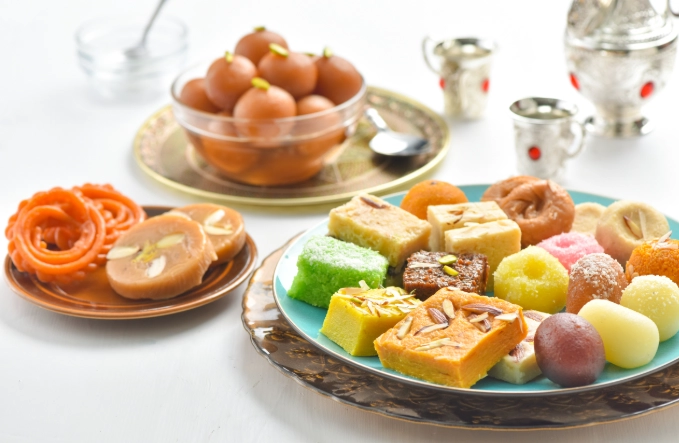
You'll Need: Besan (gram flour) – 2 cups, Ghee – 1 cup (yes, it's a lot, but it's essential), powdered sugar – 1 to 1.5 cups, cardamom powder, chopped nuts (almonds, pistachios).
The Roast: Melt the ghee in a heavy kadhai or non-stick pan. Add the besan. Now, you stir. On a low to medium flame, you stir continuously. This is not a time to check your phone. You're toasting the besan in the ghee. It will start smelling nutty and wonderful. The color will slowly change from yellow to a deeper golden brown. This can take 15-20 minutes. If you see ghee pooling at the edges, that's fine. The besan is absorbing it. The mix will become crumbly and start to leave the sides of the pan. This is the sign it's done. Undercooked besan tastes awful – raw and grassy. Overcooked tastes bitter.
Turn off the heat. Let this mixture cool down completely. I mean completely. If you add sugar to a hot mixture, it will melt and turn the ladoos soggy. I let it sit for an hour sometimes. This is the hardest part – the patience.
Bringing it Together: Once cool, add the powdered sugar, cardamom powder, and most of the nuts (save some for garnish). Mix well. Now, take a portion in your palm and press firmly. The warmth of your hand and the residual ghee will help it bind. If it's too crumbly and won't hold shape, you can add a teaspoon of warm melted ghee to the mixture. Roll into tight balls. Press a piece of nut on top.
It’s deceptively simple. The entire flavor comes from that slow roasting. When you get it right, the ladoo has a sublime, granular texture that melts on the tongue with a rich, nutty sweetness. It’s one of those easy Indian sweets that feels anything but simple when you taste it.
Answering Your Real Questions (FAQs)
Here are things I wondered about (and Googled frantically) when I started. Let's clear them up.
This is a tough one. Since dairy is the soul of so many sweets, a direct substitute is challenging. However, some sweets lend themselves to adaptation. Coconut-based sweets like Coconut Ladoo are naturally dairy-free if you use coconut oil or a plant-based ghee substitute (though the flavor will differ). Some people make halwa with plant-based milk and oil, but it lacks the characteristic richness of ghee. For sweets based on besan or sooji, you could try using a vegan butter or coconut oil, but the taste profile will shift. It's an area of experimentation. Traditionalists might balk, but food evolves.
Ah, the crystallization curse. It usually happens if you stir the syrup after the sugar has dissolved, or if you have undissolved sugar crystals on the sides of the pan that fall in. The trick is: once the sugar and water are combined and heating, don't stir. Just swirl the pan if needed. Also, you can add a teaspoon of lemon juice or a pinch of cream of tartar at the beginning – the acid inhibits crystal formation. If it does crystallize, add a few tablespoons of water, reheat gently, and dissolve the crystals.
This varies wildly. Syrup-soaked sweets like Gulab Jamun and Jalebi can last 4-5 days in the refrigerator, stored in their syrup in an airtight container. Dry sweets like Besan Ladoo, Barfi, and Peda can last 1-2 weeks at room temperature in a cool, dry place in an airtight tin. Fresh cheese-based sweets like Sandesh or Rasgulla should be consumed within 2-3 days and kept refrigerated. Always trust your nose and eyes – if it smells sour or looks moldy, toss it. The FoodSafety.gov website is a good general resource for understanding food spoilage.
Too sticky? Add a tiny, tiny bit of the dry mix or some all-purpose flour to tighten it up. Too dry and cracking? Add a few drops of milk or water, knead, and let it rest for 5 minutes. The dough should be pliable and soft. Resting is key – it allows the flour to fully hydrate.
Beyond the Recipe: The Cultural Bit That Matters
You can't really separate Indian sweets from the context in which they're eaten. They're not just dessert; they're language.
A box of mithai is the standard gift for any good news – a promotion, a new home, a graduation. It's shared in celebration. Specific sweets are tied to specific festivals: Modak for Ganesh Chaturthi, Gujiya for Holi, and an assortment of barfis and ladoos for Diwali. Sweetness is offered to the gods as prasad (blessed food) and then distributed. Making sweets at home, especially for festivals, connects you to that cycle of giving, sharing, and celebration. It’s a tangible expression of joy and hospitality.
When you search for Indian cooking recipes sweets, you're often searching for more than just steps. You're looking for a way to connect, to celebrate, or to recreate a memory. That's the real secret ingredient.
So, start simple. Embrace the mess. Your first ladoo might not be perfectly round. Your halwa might stick to the pan a little. That's okay. The process itself – the smell of besan roasting in ghee, the sound of sugar syrup bubbling, the careful shaping of dough – is as satisfying as the final result. And when you finally take a bite of something you made from scratch, something that connects you to a vast and ancient culinary tradition, that’s the real sweetness. It beats anything from a box.
Now, go warm up some ghee. Your kitchen is waiting.