Let's be honest. Most spring roll recipes online give you the basics: mix some cabbage and pork, wrap it, fry it. Done. But if you've ever ended up with a soggy, greasy, or bursting-at-the-seams roll, you know there's a gap between a recipe and a good recipe. I learned this the hard way, hosting a dinner where my beautiful rolls turned into a sad, oily platter in minutes. After years of testing (and many failed batches), I'm breaking down the spring roll into its core components—wrappers, fillings, techniques—so you can build your own perfect version, crispy every time.
What's Inside This Guide?
Essential Spring Roll Ingredients You Need
It all starts with the shell. Get this wrong, and you're fighting a losing battle. The "spring roll" label gets thrown around, but the wrapper defines the character.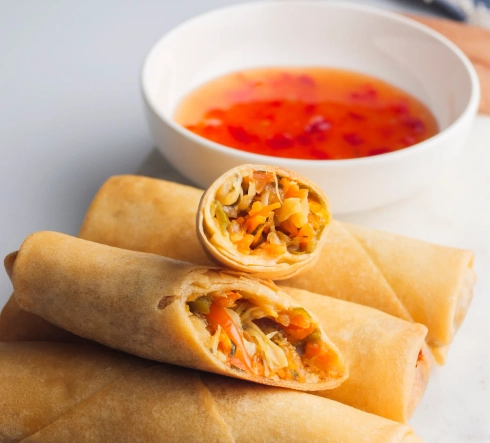
Choosing Your Wrapper: A Quick Comparison
| Wrapper Type | Main Ingredients | Best For | Key Trait |
|---|---|---|---|
| Spring Roll Wrappers | Wheat flour, water, salt (sometimes egg) | Deep-fried, crispy rolls | Thin, delicate, becomes translucent when raw |
| Egg Roll Wrappers | Wheat flour, egg | Deep-fried, chewier rolls | Thicker, heartier, creates a bubbly crust |
| Rice Paper (Bánh Tráng) | Rice flour, water, salt | Fresh, non-fried rolls (Gỏi cuốn) | Gluten-free, hard until dipped in water, then soft & sticky |
My go-to for classic fried spring rolls are the thin, square wheat wrappers. They're usually found in the freezer section of Asian markets. Thaw them slowly in the fridge overnight. The number one mistake? Letting them dry out. Keep the stack covered with a damp towel while you work on each roll.
Crafting the Perfect Spring Roll Filling
The filling needs to be flavorful, cohesive, and—most importantly—dry. Wet fillings are the primary cause of soggy rolls and oil splatter. Here’s how to build one.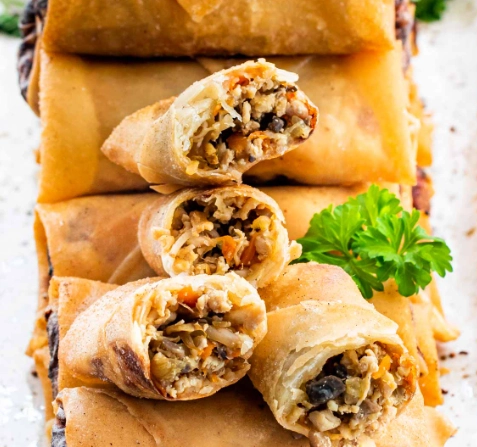
The Aromatic Base: Start by sautéing minced garlic, ginger, and sometimes shallots in a bit of oil until fragrant. This builds a flavor foundation you can't get by just mixing raw ingredients.
Protein Choices: Ground pork is classic, but don't overlook chicken thigh (more flavor than breast), shrimp (chopped), or crumbled firm tofu. Cook your protein thoroughly in the aromatics, seasoning with soy sauce, a pinch of sugar, and white pepper. Let it cool completely. I mean, completely. Warm filling steams the wrapper from the inside, making it gummy.
The Vegetable Mix: This is where texture happens. You want a combination:
- Crunch: Finely shredded carrots, jicama, or water chestnuts.
- Body: Shredded green cabbage or Napa cabbage.
- Umami: Rehydrated and finely chopped shiitake mushrooms.
Here's the critical step nobody talks about enough: dehydrate your veggies. After shredding cabbage, toss it with a teaspoon of salt, let it sit for 20 minutes, then squeeze it in a clean kitchen towel until no more water comes out. Do the same with grated carrots if they seem wet. This single step transformed my spring rolls from okay to professional-level crisp.
The Binder: A small handful of cooked, chopped glass noodles (cellophane or mung bean noodles) helps soak up any remaining moisture and holds everything together.
Vegetarian Spring Roll Filling Idea: Skip the mock meat. Combine the squeezed cabbage/carrot mix with mashed roasted sweet potato, black beans, corn, chopped cilantro, and a dash of smoked paprika. It's hearty, sweet, savory, and holds together perfectly.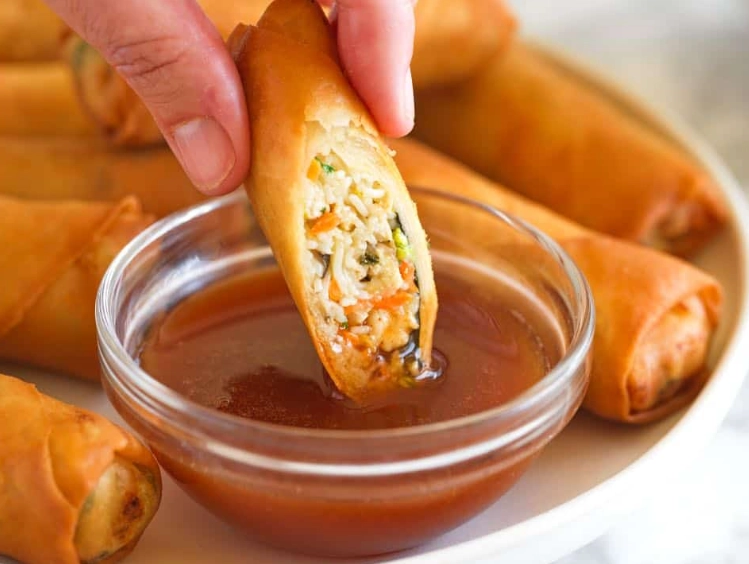
How to Roll and Fry Spring Rolls Like a Pro
The Rolling Method
Place a wrapper like a diamond. Add 1.5-2 tablespoons of filling near the bottom corner. Fold that bottom corner tightly over the filling. Fold in the left and right sides. Now, roll it up firmly but gently—like you're rolling a sleeping bag, not wringing out a towel. Seal the final tip with a slurry of flour and water. Too much filling is a common error; it will burst during frying.
Frying for Ultimate Crispness
Use a neutral oil with a high smoke point—peanut, vegetable, or canola. Fill your pot so the rolls can float. Heat the oil to 325-350°F (163-177°C). A candy thermometer is your best friend here. Too cool, and the rolls soak up oil. Too hot, and they brown before cooking through.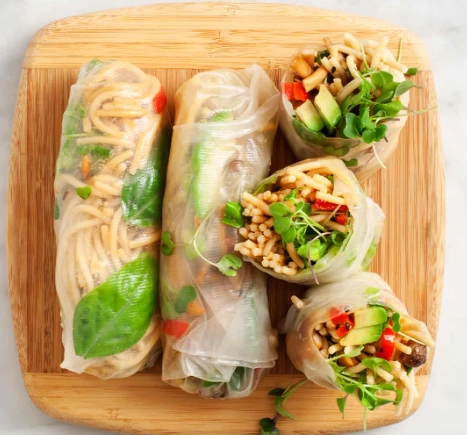
Fry in batches. Don't crowd the pot. They should sizzle gently. Fry for 3-5 minutes, turning occasionally, until golden brown and crisp. Drain them on a wire rack set over a baking sheet, not on paper towels. Paper towels trap steam, making the bottom soggy. The rack lets air circulate all around.
Dipping Sauces: The Flavor Finale
A spring roll is only as good as its dip. Move beyond sweet chili sauce.
Nuoc Cham (Vietnamese Dipping Sauce): This is the king. It's a balance of sweet, sour, salty, and spicy. Mix 3 parts warm water to dissolve 2 parts sugar. Add 2 parts fish sauce (like Red Boat or Three Crabs for quality) and 1 part fresh lime juice. Stir in minced garlic and a finely chopped Thai bird's eye chili. Adjust to your taste.
Spicy Peanut Sauce: Whisk together 1/4 cup creamy peanut butter, 2 tbsp soy sauce, 1 tbsp lime juice, 1 tbsp honey or maple syrup, 1 tsp sriracha, and enough warm water to reach a drizzling consistency. Garnish with chopped peanuts.
Simple Sweet & Sour: A quick mix of rice vinegar, a bit of brown sugar, ketchup for body, and a dash of soy sauce. Simmer for 5 minutes to blend.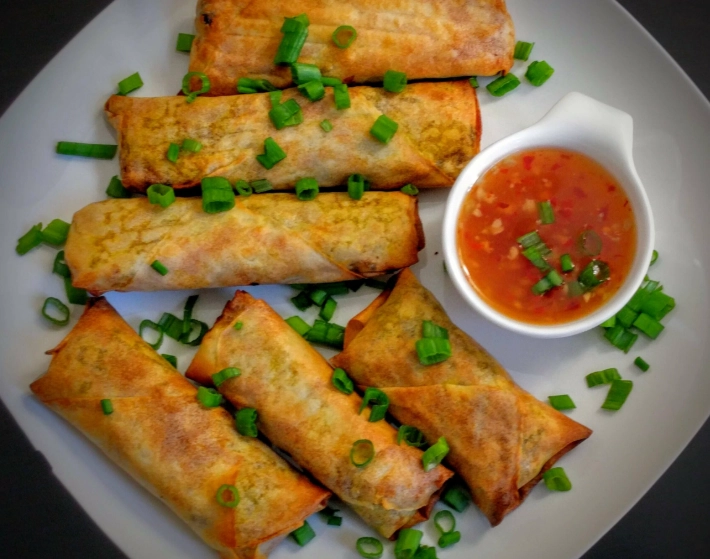
Your Spring Roll Questions, Answered
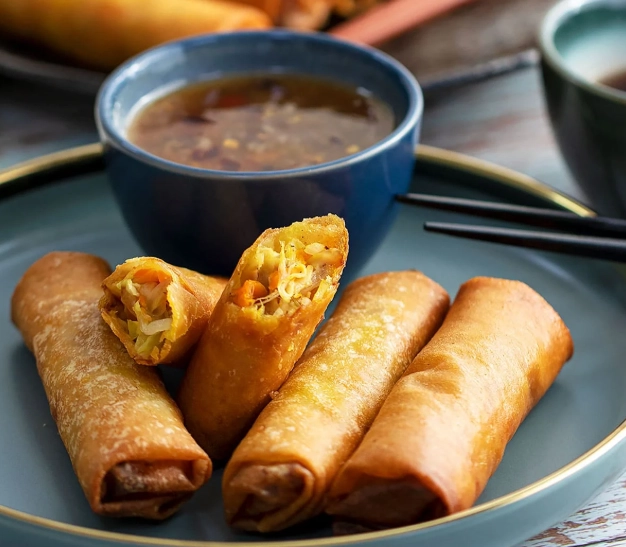
Spring rolls seem simple, but the magic is in the details—dry fillings, the right wrapper, controlled frying. It's a forgiving process once you know the rules. Start with a classic pork and cabbage mix, master the technique, and then start playing with your own fillings. That's where the real fun begins.