Quick Navigation
Let's be honest. The first time I tried to follow a spring roll recipe, it was a disaster. The wrappers tore, the filling was soggy, and the whole thing fell apart in the hot oil, creating a greasy, sad mess. I stared at the pile of broken pastry and mushy vegetables, wondering why something that looked so simple in restaurants was so tricky at home. Maybe you've been there too.
That failure, though, sent me on a mission. I talked to home cooks, read old cookbooks, and spent more weekends than I'd like to admit practicing. And you know what? Making perfect spring rolls isn't about some secret chef skill. It's about knowing a few non-negotiable steps and understanding how the ingredients work together. Once you get that, it's almost... relaxing. There's something therapeutic about the rhythmic folding and the satisfying sizzle when they hit the oil.
This guide is everything I wish I'd known. We're not just talking about one recipe. We're talking about the method—the core principles that let you make crispy, golden, incredibly delicious spring rolls every single time, whether you're a beginner or just looking to perfect your technique.
What Are We Actually Making? A Quick Primer
Before we dive into the kitchen, let's clear something up. The term "spring roll" can be confusing. In many Western contexts, it's used interchangeably with "egg roll," but they're different. For this guide, we're focusing on the classic, lighter version often associated with Vietnamese and other Southeast Asian cuisines. These are the ones with a thin, translucent, crispy wheat-based wrapper when fried, or the soft, chewy rice paper version for fresh rolls (Gỏi cuốn). Today, our star is the fried, crispy kind.
Why focus on this spring roll recipe? Because it's versatile, universally loved, and mastering it opens doors to countless variations. It's a dish built for sharing, for parties, and for satisfying that specific craving for something crunchy and savory.
The Foundation: Your Spring Roll Pantry
Great food starts with great ingredients. You don't need anything wildly exotic for a fantastic spring roll recipe, but quality matters. Here’s a breakdown of what you’ll need, split into the absolute essentials and the "elevate-your-game" options.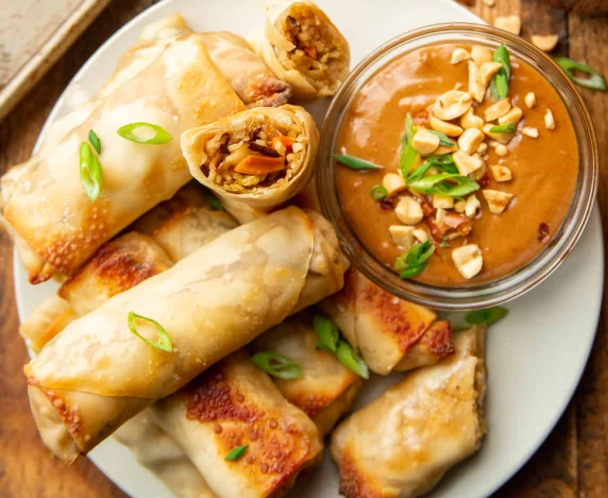
| Ingredient | Category | Why It's Important & Notes |
|---|---|---|
| Spring Roll Wrappers (Pastry) | Essential | This is the make-or-break item. Look for thin, square wheat-based wrappers, often labeled "spring roll pastry" or "lumpia wrappers." Avoid egg roll wrappers—they're thicker. TYJ or other Asian brands are reliable. Keep them sealed and thawed in the fridge. |
| Ground Pork (or Chicken/Turkey) | Essential | Provides savory depth and moisture. A bit of fat (like 80/20 pork) adds flavor. For a leaner option, ground chicken thigh works beautifully. |
| Shrimp | Essential / Elevating | Small, peeled, deveined shrimp, chopped, add a sweet, oceanic flavor that's classic. You can make a pork-only filling, but shrimp really completes it. |
| Vermicelli Rice Noodles | Essential | Soak in hot water until just pliable (not mushy!). They provide a wonderful chewy texture and help bind the filling. Don't overcook them—it's a common mistake. |
| Carrots, Cabbage, Wood Ear Mushrooms | Essential | The veggie trifecta. Grated carrot for sweetness, finely shredded cabbage for crunch, and rehydrated wood ear mushrooms (or shiitake) for an earthy, almost crunchy texture. The USDA's SNAP-Ed connection has great tips on healthy, thrifty vegetable prep that applies here. |
| Garlic, Shallots, Fish Sauce, Sugar | Essential | The flavor base. Minced garlic and shallots sautéed until fragrant. Fish sauce (like Red Boat or Three Crabs) is the salty-umami backbone—don't skip it. A pinch of sugar balances everything. |
| Cellophane Noodles (Mung Bean Threads) | Elevating | Soaked and chopped, they add a unique, slightly bouncy texture. Not essential, but highly recommended for authenticity. |
| Jicama or Taro Root | Elevating | Grated and lightly cooked, these add a subtle sweetness and moisture that makes the filling exceptional. Jicama is my personal favorite for its fresh crunch. |
| Fresh Herbs: Mint, Cilantro | Elevating | Chopped fine and mixed in at the very end, they add a burst of freshness that cuts through the richness. This is a game-changer. |
See? Most of it is straightforward. The real magic happens in how you put them together.
Pro Shopping Tip: Your local Asian grocery store is your best friend for this spring roll recipe. The wrappers, sauces, and specific dried mushrooms will be fresher, more varied, and significantly cheaper than at a standard supermarket. It's worth the trip.
The Step-by-Step Spring Roll Recipe (No More Soggy Filling!)
Okay, ingredients are prepped. Let's cook. This isn't just a list of instructions; it's the *why* behind each step, so you understand the process and can adapt it forever.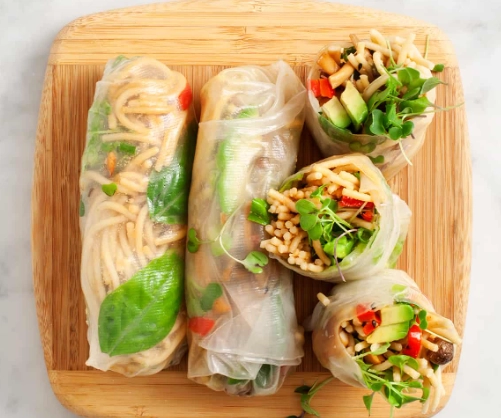
Part 1: Crafting the Perfect Filling
The filling must be flavorful, well-balanced, and—most importantly—dry. Excess moisture is the enemy of a crispy spring roll. It creates steam inside the wrapper, leading to sogginess and potential bursting during frying.
- Sauté the Aromatics: Heat a tablespoon of neutral oil (like canola) in a large wok or skillet over medium heat. Add your minced garlic and shallots. Cook for just 60-90 seconds until fragrant. Don't let them brown. This step builds the flavor foundation.
- Cook the Protein: Add the ground pork. Break it up with a spatula and cook until it's no longer pink. Then, add the chopped shrimp. Cook just until they turn pink and opaque, about 2-3 minutes more. Overcooked shrimp get rubbery.
- Incorporate the Vegetables: Now add your harder vegetables: the grated carrots, shredded cabbage, and rehydrated, chopped mushrooms. Stir-fry for 3-4 minutes. You want them to soften slightly and release some of their moisture into the pan.
- The Seasoning & Draining: This is crucial. Add your fish sauce (about 2 tbsp), sugar (1 tsp), and a few cracks of black pepper. Stir everything to combine. Now, here's the key: let the mixture cook, uncovered, for another 4-5 minutes. Stir occasionally. You'll see liquid pooling in the pan. This is the moisture you need to evaporate.
- Cool Completely: Transfer the entire filling mixture to a large, wide bowl or baking sheet. Spread it out to help it cool faster. You must let it come to room temperature before wrapping. A hot filling will make the wrappers gummy and impossible to work with. I sometimes pop it in the fridge for 20 minutes to speed things up.
- The Final Mix: Once completely cool, add your pre-soaked and drained rice vermicelli (and cellophane noodles if using). Also, now is the time to stir in any delicate fresh herbs like chopped cilantro or mint. Mix everything gently with a fork or your hands. Taste it! Adjust seasoning with a bit more fish sauce or pepper if needed. Your filling is ready.
Common Pitfall Alert: Rushing the cooling step is the number one cause of wrapping frustration. If your filling is even slightly warm, it will create condensation inside the roll. Be patient here—it makes all the difference.
Part 2: The Art of Wrapping (It's Easier Than You Think)
This is where people get nervous. Don't be. The wrapper is more forgiving than you think, and a little practice goes a long way. Keep a small bowl of water (a "sealing slurry" of flour and water works even better) next to you.
Lay one spring roll wrapper on a clean surface like a diamond (one point facing you). Place about 1.5 to 2 tablespoons of filling near the bottom corner, shaping it into a short, fat log. Don't overfill! This is mistake number two.
Lift the bottom corner up and over the filling, tucking it in snugly. Give it one tight roll. Then, fold the left and right corners inward, like you're making an envelope. Now, continue rolling tightly towards the top corner. Before you reach the end, use your finger to dab a bit of water or slurry on that top corner. Finish rolling to seal. The water acts as glue. You want a firm, cylindrical package, not a loose bundle.
Place the finished roll seam-side down on a parchment-lined tray. Cover them with a slightly damp kitchen towel to prevent drying out while you finish the batch.
Part 3: Frying to Golden Perfection
You can bake or air-fry spring rolls, but for that quintessential blistered, crispy, golden shell, deep-frying is the way. And it doesn't have to be scary or unhealthy if done right.
Use a deep, heavy pot (a Dutch oven is perfect) and fill it with 2-3 inches of a neutral, high-smoke-point oil like peanut, canola, or vegetable oil. Heat the oil to 350°F (175°C). A thermometer is non-negotiable for consistency. Too cool, and the rolls soak up oil. Too hot, and they brown before the inside is hot.
Gently slide a few rolls into the hot oil—don't crowd the pot. Fry for 4-6 minutes, turning occasionally with tongs or a spider skimmer, until they are a uniform, deep golden brown. The sound will change from a vigorous sizzle to a quieter, drier crackle when they're done.
Drain immediately on a wire rack set over a baking sheet. Do not drain on paper towels. This traps steam and makes the bottom soggy. The wire rack keeps them crispy all over. Let them cool for at least 5 minutes—the filling is molten lava hot!
The first bite of a perfectly fried homemade spring roll is a revelation. The shatteringly crisp shell gives way to the savory, complex, steaming-hot filling. It's infinitely better than any takeout version.
Beyond the Classic: Spring Roll Recipe Variations
The basic formula is your canvas. Once you're comfortable, experiment! Here are some crowd-pleasing variations, ranked from my personal favorites to other solid options.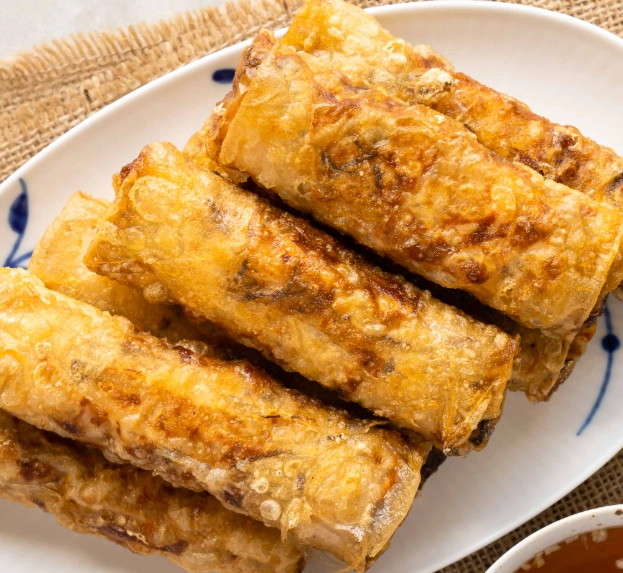
| Variation | Key Ingredient Swaps | Flavor Profile & Best For |
|---|---|---|
| The Ultimate Vegetarian Spring Roll | Replace meat with crumbled firm tofu, extra mushrooms (shiitake, oyster), and maybe some mashed lentils for heartiness. Add bean sprouts for crunch. | Earthy, savory, and satisfying. Perfect for meatless Mondays or diverse dietary needs. This vegetarian spring roll recipe is a frequent request in my house. |
| All-Shrimp Delight | Use only shrimp (increase amount), and add finely chopped water chestnuts for extra crunch. A touch of grated ginger brightens it up. | Sweet, briny, and light. Feels elegant and is always a hit at parties. |
| Chinese BBQ Pork (Char Siu) Spring Roll | Dice store-bought or homemade Char Siu pork. Use it as the primary protein with the standard veggie mix. Brush with a little honey glaze before frying for extra flavor. | Sweet, smoky, and deeply savory. A fantastic way to use leftovers. |
| Thai-Inspired Fresh Herb Bomb | Add a hefty handful of chopped Thai basil, mint, and cilantro to the filling after cooling. Serve with a sweet chili dipping sauce. | Explosively fresh and aromatic. Cuts through richness beautifully. |
The beauty of a good spring roll recipe is its flexibility. Don't be afraid to swap vegetables based on what's in season.
The Supporting Cast: Dipping Sauces & Sides
A spring roll is only as good as its dip. Here are three classics, from simplest to most complex.
- Classic Nước Chấm (Vietnamese Dipping Sauce): The GOAT. It's a balance of sweet, sour, salty, and umami. Mix warm water to dissolve sugar, add fish sauce and fresh lime juice. Fine-tune to your taste. Add minced garlic and Thai bird's eye chili for punch. This is the one I make 9 times out of 10.
- Simple Sweet Chili Sauce: A fantastic store-bought shortcut (Mae Ploy is great), or reduce equal parts rice vinegar and sugar with some chopped chili and a pinch of salt.
- Peanut Hoisin Sauce: Whisk smooth peanut butter with hoisin sauce, a splash of hot water to thin, a squeeze of lime, and a dash of sriracha. Rich, nutty, and addictive.
Serve your spring rolls with a simple side of crisp lettuce leaves and extra herbs (mint, cilantro, perilla). The traditional way is to wrap a hot spring roll in a lettuce leaf with a few herb sprigs, then dip. It adds a wonderful cool, crisp contrast.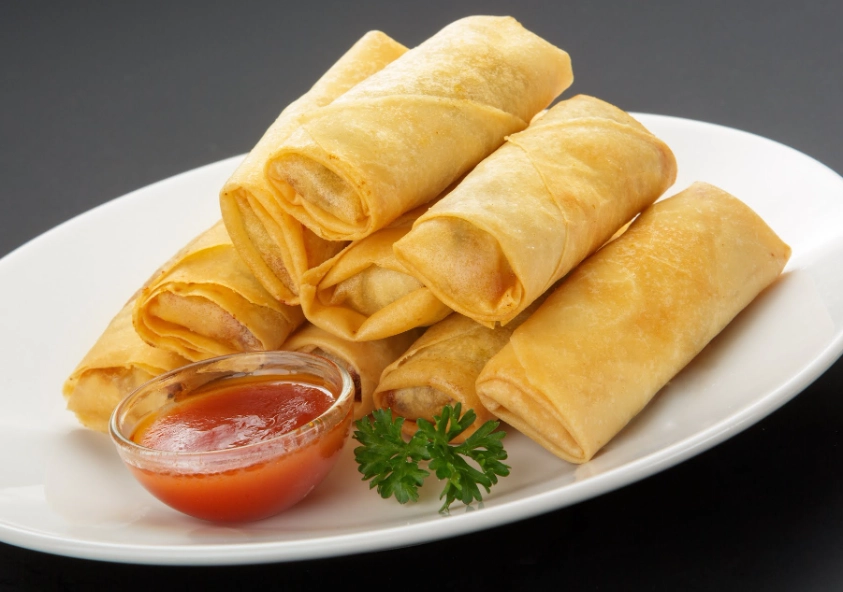
Your Spring Roll Questions, Answered
Can I make spring rolls ahead of time?
Absolutely, and it's a brilliant strategy for stress-free entertaining. You have two great options:
- Freeze Them Unfried: This is the winner. After wrapping, place the rolls on a parchment-lined baking sheet not touching. Flash freeze for 1-2 hours until solid, then transfer to a freezer bag. They'll keep for 2-3 months. Fry directly from frozen—just add 1-2 extra minutes to the frying time.
- Fry, Then Reheat: You can fry them a few hours ahead. Let them cool completely on the rack, then store at room temperature. Re-crisp in a 375°F (190°C) oven for 8-10 minutes. They won't be quite as perfect as fresh, but still very good.
Why did my spring rolls burst open while frying?
Three likely culprits: 1) The filling was too wet (see our draining step above). 2) The oil wasn't hot enough, so the wrapper soaked up oil and weakened before sealing. 3) You overfilled them, putting too much pressure on the seams. Check your oil temp with a thermometer and be modest with the filling.
Are air fryer spring rolls any good?
They can be! For a healthier alternative, they work surprisingly well. The key is to brush or spray the rolls generously with oil before air frying. They won't get the same all-over blistering and deep golden color as deep-frying, but they will be crisp and delicious. Expect a slightly drier texture. Air fry at 390°F (200°C) for 10-15 minutes, flipping halfway. It's a solid method for a quick, lighter snack.
What's the difference between a spring roll and an egg roll?
This is a classic point of confusion. Egg roll wrappers are thicker, made with wheat flour and egg, giving them a chewier, bubbly texture when fried. Spring roll wrappers (for the fried version we're making) are thinner, made primarily with wheat flour and water, resulting in a crisper, more delicate, and often blistered shell. The fillings can be similar, but the wrapper texture is the main event. I personally prefer the delicate crunch of a good spring roll recipe.
Remember: The best spring roll recipe is the one you make your own. Start with the classic, master the technique, and then start playing with flavors. It's a dish that rewards a little practice with a whole lot of delicious, shareable joy.
So, there you have it. No more mystery, no more soggy disasters. Just clear, actionable steps to one of the most satisfying homemade snacks out there. Grab those wrappers, take your time with the filling, and get ready for that incredible, homemade crunch. You've got this.