Pan frying cod is one of those techniques that seems simple but has a few tricks. Get it right, and you have a restaurant-quality meal in 15 minutes—crispy golden crust, tender flaky flesh, and minimal cleanup. Get it wrong, and you’re looking at a sad, soggy, or stuck-to-the-pan mess. I’ve cooked enough cod over the years to have made every mistake, so let’s skip the frustration and get straight to the method that works every single time.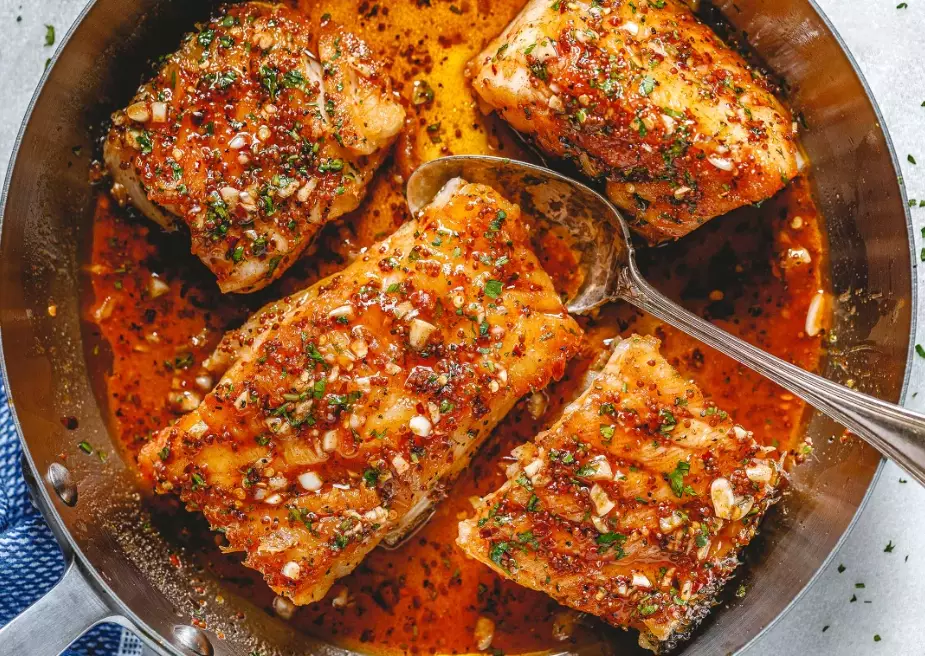
Quick Navigation: What You'll Find Here
Choosing the Right Cod for Pan Frying
Not all cod is created equal for the pan. Walk into any fish market or grocery store, and you’ll see a few options. Your choice here makes a huge difference in texture, flavor, and even how the fish holds together in the pan.
The main players are Atlantic cod and Pacific cod. Atlantic cod has larger, sweeter flakes and a slightly more delicate texture. Pacific cod (also sold as Alaskan cod) has a firmer, meatier bite and smaller flakes. Both are excellent, but I find Pacific cod a bit more forgiving for beginners—it’s less likely to fall apart on you.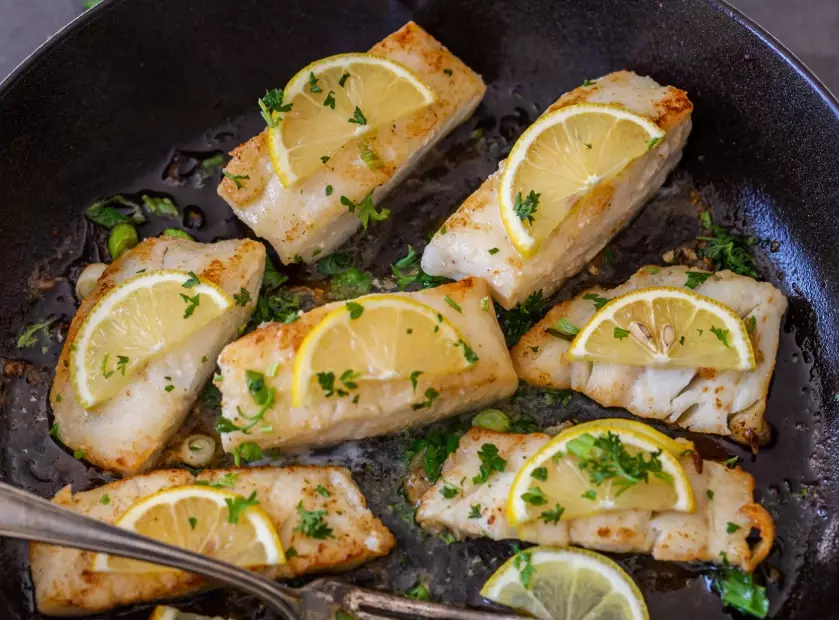
Then there’s the question of cut. You want skinless, boneless fillets, ideally center-cut. The thickness is non-negotiable. Look for fillets that are at least 1 inch thick. Thin fillets (under 3/4 inch) cook too fast, drying out before you can get a proper sear. They also stick more easily. If you only have thin fillets, reduce the cooking time drastically.
| Type of Cod | Best For Pan Frying? | Flavor & Texture Notes | Sustainability Note* |
|---|---|---|---|
| Atlantic Cod | Yes | Large, sweet flakes; delicate, moist. | Check for MSC certification. Some stocks are still recovering. |
| Pacific (Alaskan) Cod | Excellent Choice | Firm, meaty texture; smaller flakes. | Generally well-managed and a sustainable choice. |
| Black Cod (Sablefish) | Yes, but different | Incredibly rich, buttery, high oil content. | Also a sustainable option from Alaska. |
| Pre-Breaded or Battered | Avoid for this method | Designed for deep frying. Will burn or steam in a pan. | N/A |
*For the most current sustainability ratings, I always cross-reference with the NOAA FishWatch website or the Monterey Bay Aquarium Seafood Watch guide. It’s a habit worth forming.
The Essential Preparation: Your Key to a Crispy Crust
This is where most home cooks slip up. They take the fish out of the package, maybe give it a rinse, and throw it in the pan. Big mistake. Moisture is the enemy of a good sear. You need a dry surface.
Step 1: Pat it Bone Dry. Lay your cod fillets on a triple layer of paper towels. Use more paper towels to press gently and absorb all surface moisture. Don’t just dab—press. Do this on both sides. I’m not kidding when I say I use 4-5 sheets of paper towel for this step. A dry fish is a crispy fish.
Step 2: Season Liberally, But Timely. Season both sides generously with kosher salt and freshly ground black pepper. Here’s the expert nuance: Do this right before cooking. If you salt the fish and let it sit for 30 minutes, salt will draw more moisture to the surface, undoing all your drying work. Salt it as the pan heats.
Step 3: Optional Light Dredge (The Pro's Edge). For an extra-crispy, restaurant-style crust, lightly dredge the dried fillets in a thin layer of all-purpose flour, Wondra flour (which doesn’t clump), or cornstarch. Tap off the excess. This creates a thin barrier that seals in juices and promotes incredible browning. It’s my go-to for guaranteed results.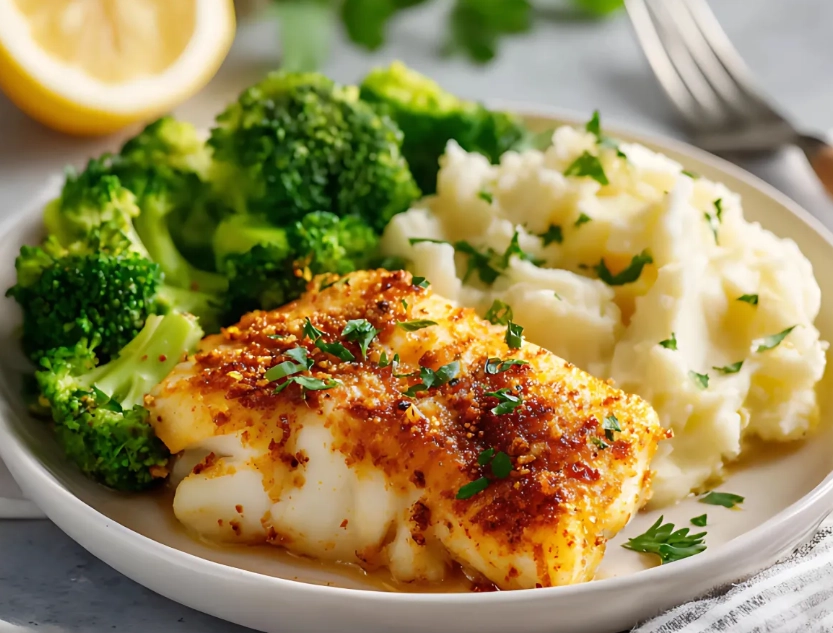
How to Pan Fry Cod: A Step-by-Step Masterclass
Let’s cook. This isn’t just a recipe; it’s a technique you can apply to any simple pan fried cod recipe.
Gear You'll Need
- A heavy-bottomed skillet: Cast iron is king for heat retention and sear. A heavy stainless steel or clad pan works great too. Non-stick is okay for beginners but won’t give you the same deep browning.
- A thin, flexible fish spatula. This tool is a game-changer for flipping delicate fish without breaking it.
- Paper towels. Lots of them.
- Tongs (for handling, not flipping).
The Cooking Process
1. Heat the Pan and Fat. Place your dry skillet over medium-high heat for a full 2-3 minutes. Add enough neutral, high-heat oil to coat the bottom—I use avocado oil or grapeseed oil. You need a thin film, not a deep pool. Add a tablespoon of butter for flavor if you like, but wait until the end to avoid burning.
2. Test the Heat. The oil should be shimmering and just starting to show a wisp of smoke. A drop of water should skitter and evaporate instantly. This is crucial. A lukewarm pan equals stuck, steamed fish.
3. Cook, Undisturbed. Gently lay your prepared cod fillets in the pan, leaving space between them. Do not crowd the pan. The second it hits, you should hear a confident sizzle. Now, walk away. Don’t poke it. Don’t try to move it. Let it cook for 3 to 4 minutes for a 1-inch thick fillet. This forms the crust.
4. The Flip. Slide your fish spatula underneath, getting it fully under the fillet. Lift the edge to check for a deep golden-brown color. If it’s sticking, it’s not ready. Give it another 30 seconds. When it’s ready, it will release easily. Flip with confidence in one smooth motion.
5. Finish Cooking. Cook on the second side for another 2 to 4 minutes, depending on thickness. The fish is done when it feels firm to a gentle press and flakes easily. The internal temperature should be 135-140°F (57-60°C). Remember, it will carryover cook a few more degrees off the heat.
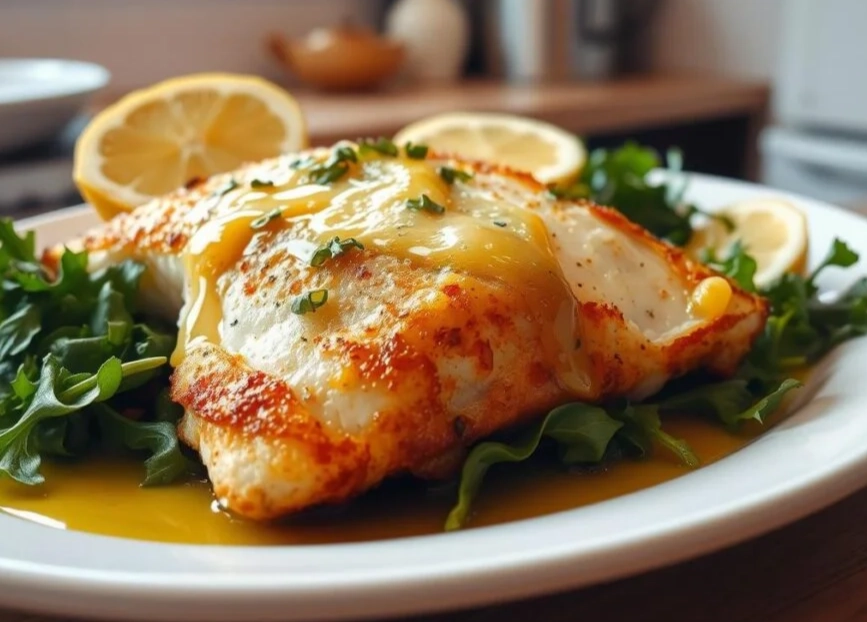
6. Rest and Sauce. Transfer the cod to a warm plate. Let it rest for 2-3 minutes. This allows the juices to redistribute. Now, you can make a quick pan sauce in the same skillet with lemon juice, white wine, capers, and a knob of cold butter swirled in off the heat.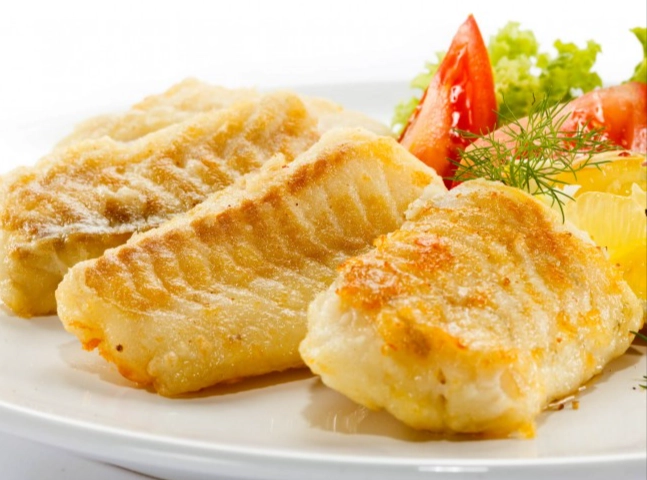
Two Flavorful Pan Fried Cod Recipe Variations
Once you’ve mastered the basic technique, the flavor world is yours. Here are two of my favorite spins.
1. Lemon-Herb Pan Fried Cod
Follow the master technique above. After flipping the cod, add 2 thinly sliced garlic cloves and a few sprigs of fresh thyme or rosemary to the oil around the fish. In the last 30 seconds of cooking, squeeze the juice of half a lemon over the fillets. The lemon juice will sizzle and reduce slightly. Serve the cod with the garlic, herbs, and pan juices spooned over the top. It’s bright, fragrant, and impossibly easy.
2. Mediterranean-Spiced Pan Fried Cod
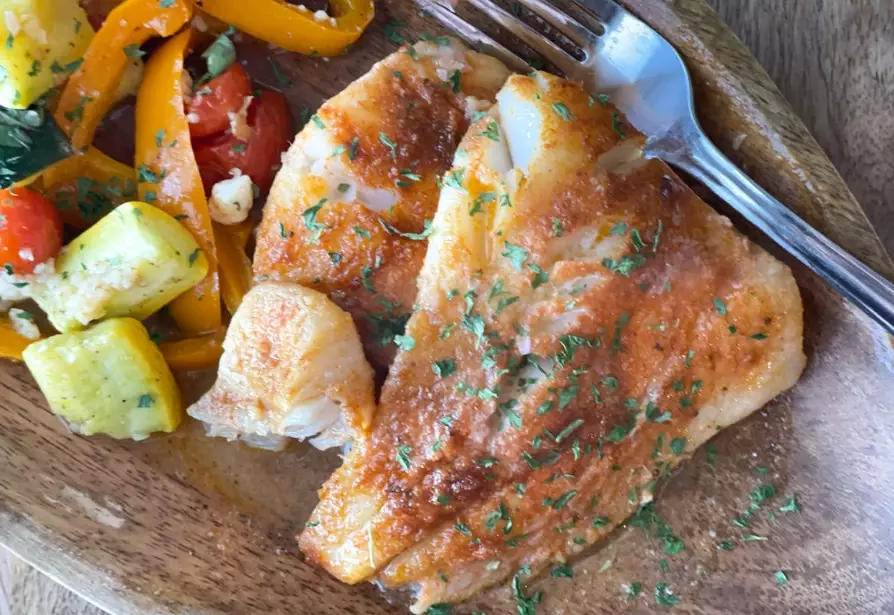
Before drying the cod, pat it dry and then rub it with a spice mix: 1 tsp smoked paprika, 1/2 tsp dried oregano, 1/4 tsp garlic powder, and a pinch of cayenne. Let it sit for 10 minutes (the spices are dry, so they won’t pull moisture). Cook as directed. After removing the fish, add a handful of halved cherry tomatoes and a handful of sliced Kalamata olives to the pan. Sauté for 2 minutes until the tomatoes blister. Spoon this mixture over the cod. It’s a full meal with bold flavors.
What to Serve with Pan Fried Cod
Pan fried cod is a versatile centerpiece. You want sides that are simple and don’t compete.
- The Classic: Creamy mashed potatoes and steamed green beans or asparagus. The potatoes soak up any pan sauce beautifully.
- The Lighter Option: A big, crisp salad with a lemony vinaigrette, or a quinoa pilaf with chopped parsley and pine nuts.
- For Something Different: Try it with a warm lentil salad, or on top of a bowl of creamy polenta. Roasted broccoli or cauliflower with a squeeze of lemon also works wonders.
The goal is balance. The cod is the star.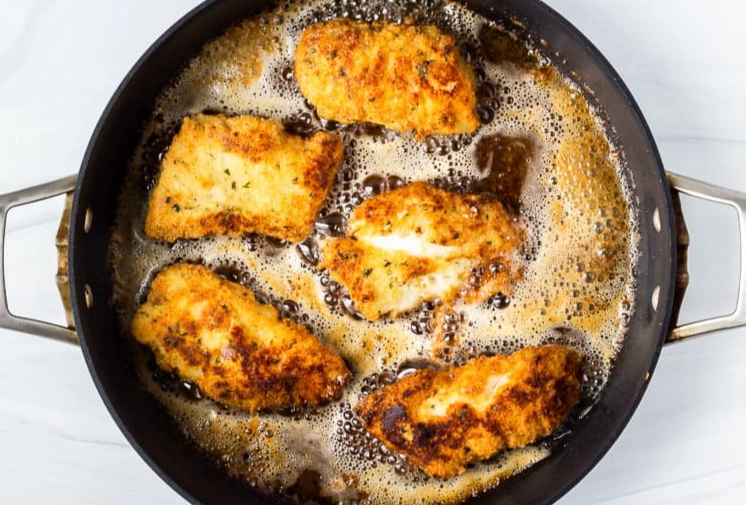
Frequently Asked Questions (Pan Fried Cod Edition)
Pan frying cod is a fundamental skill that pays off for years. It’s quick, healthy, and feels a bit fancy without the effort. Focus on dry fish, a hot pan, and the courage not to overcook it. Once you nail this, you’ve got a reliable, impressive dinner ready in the time it takes to cook pasta.