In This Guide
Let's talk about Peruvian food. It's one of those cuisines that hits you with a wave of flavor you just can't forget. I remember my first real taste of it, not in a fancy restaurant, but at a friend's house. Her Peruvian grandmother was visiting, and the smell coming from the kitchen was unreal—earthy, spicy, citrusy, and comforting all at once. That meal sparked something. I spent years trying to figure it out, messing up more times than I care to admit (my first attempt at ceviche was a bland, soggy disaster). But along the way, I learned that making great Peruvian recipes at home isn't about magic; it's about understanding a few key ingredients and a unique approach to flavor.
Peruvian cuisine is a fusion story. It's the beautiful, sometimes chaotic, result of indigenous Inca foundations meeting Spanish, African, Chinese (Chifa), Japanese (Nikkei), and Italian influences over centuries. Every bite has history.
So, if you're looking to dive into Peruvian cooking, you're in the right place. We're going to move past just listing recipes. We'll dig into what makes these dishes tick, where to find (or substitute) those special ingredients, and how to avoid the common pitfalls that trip up home cooks. Think of this as your friendly, slightly opinionated roadmap.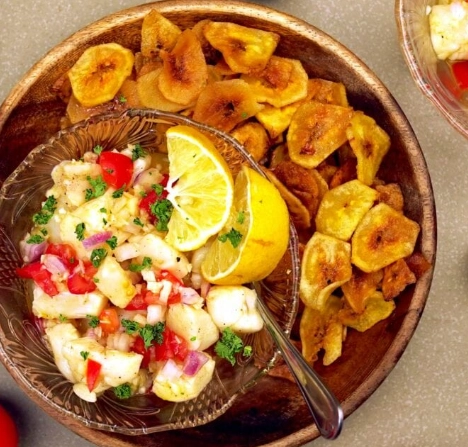
The Heartbeat of the Kitchen: Must-Try Classic Peruvian Recipes
You can't talk about Peruvian food without meeting its superstars. These are the dishes you'll find on nearly every menu, from Lima's high-end eateries to humble family kitchens in the Andes. They're the foundation.
Aji de Gallina: The Ultimate Comfort Food
This is the dish that won me over. Imagine shredded chicken smothered in a creamy, velvety, slightly spicy yellow sauce, served over rice with boiled potatoes and a black olive. Sounds simple, right? The magic is in the sauce.
The base is aji amarillo paste. This yellow chili pepper isn't just about heat; it has a fruity, bright flavor that's absolutely essential. You simmer the chicken to make a broth, then use that broth to blend with bread (or sometimes crackers) and walnuts to create the thick, rich base. The aji paste and evaporated milk get stirred in last. The result is pure comfort. It's rich but not heavy. My tip? Don't skip toasting the walnuts lightly first. It deepens the flavor in a way you'll miss if you don't. Some recipes use Parmesan cheese, which is delicious, but purists might frown. I say, do what tastes good to you.
Finding aji amarillo paste is the biggest hurdle for authentic Peruvian recipes. Look for it in Latin American grocery stores or online. In a pinch, a mix of yellow bell pepper puree and a dash of habanero for heat can be a distant cousin, but it's not the same. The unique flavor of aji amarillo is irreplaceable.
Lomo Saltado: The Stir-Fry That Bridges Continents
This dish is Peru on a plate, showcasing its Chinese influence (Chifa cuisine). It's a stir-fry, but not like any you've had before. You take strips of beef sirloin (lomo), sear them hard in a screaming hot pan, then toss in red onions, tomatoes, and aji amarillo slices. The sauce is a punchy mix of soy sauce and vinegar. Now, here's the genius part: you serve it over both white rice and French fries. Yes, carbs on carbs. It's glorious.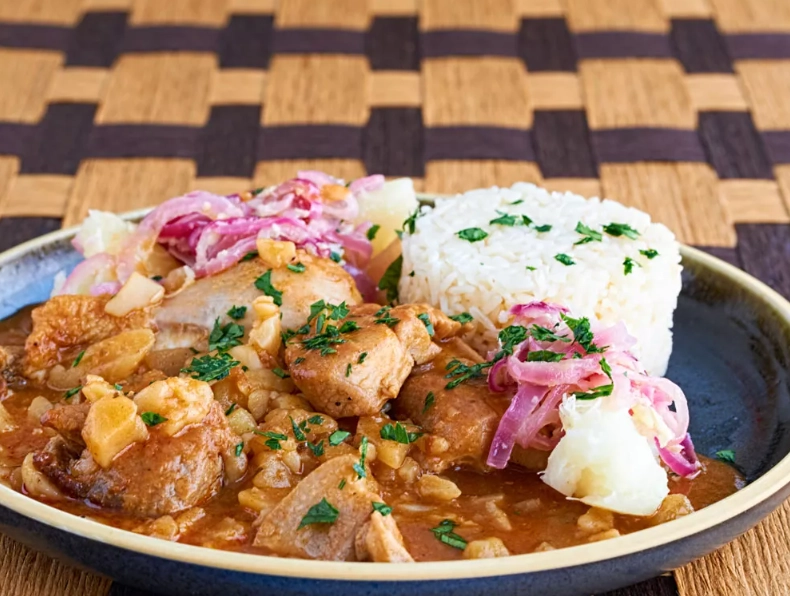
The key is high heat. You want to get a good sear on the beef without overcooking it. Add the vegetables just to wilt them and get them coated in the savory sauce. The tomatoes should soften but not turn to mush. I've had versions where the cook was timid with the heat, and the whole thing stewed instead of sautéed. It was soggy and sad. Don't be afraid of the fire. This is one of the most accessible and crowd-pleasing Peruvian recipes to start with.
Ceviche: Peru's National Treasure
Ah, ceviche. The dish that humbled me. Authentic Peruvian ceviche is a study in freshness and timing. Fresh, raw fish (typically a firm white fish like sea bass or flounder) is "cooked" not by heat, but by the acid in freshly squeezed lime juice. Onions, cilantro, salt, and more aji amarillo (finely chopped this time) are mixed in. It's served immediately, often with sides of boiled sweet potato and cancha (toasted corn).
My early mistake was letting it marinate for too long, thinking more time meant more flavor. Wrong. The fish turns tough and chalky. You want just enough time for the edges to turn opaque—maybe 15-20 minutes. The fish should still have a tender, almost silky texture in the center. The Peruvian method is swift and decisive. Also, that leftover citrus juice after eating the fish? They call it "leche de tigre" (tiger's milk), and it's considered a hangover cure. Drink it. It's bracing and delicious.
Papa a la Huancaina: The Deceptively Simple Starter
This appetizer looks simple: cold boiled potato slices covered in a creamy, pale yellow cheese sauce. But the flavor is complex and addictive. The sauce is a blend of queso fresco (a mild, fresh cheese), aji amarillo paste, evaporated milk, saltine crackers for thickness, and a touch of oil. It's blended until perfectly smooth.
The trick is getting the consistency right—thick enough to coat the potatoes but still pourable. It's usually garnished with a hard-boiled egg slice and a black olive. It's cool, creamy, and has a gentle kick. A perfect start to a meal. If you can't find queso fresco, a mild feta soaked in water to reduce saltiness can work, but the flavor profile shifts.
| Dish | Core Flavor Profile | Key Ingredient(s) | Prep Style | Good for Beginners? |
|---|---|---|---|---|
| Aji de Gallina | Creamy, savory, slightly spicy, nutty | Aji Amarillo Paste, Walnuts, Evap. Milk | Simmering, Blending | Yes (needs sourcing special paste) |
| Lomo Saltado | Savory, umami, tangy, smoky (from sear) | Beef Sirloin, Soy Sauce, Aji Amarillo, Vinegar | High-heat Stir-frying | Absolutely (easier to find ingredients) |
| Ceviche | Bright, acidic, fresh, spicy | Extremely Fresh Fish, Fresh Limes, Aji Amarillo | No-cook (acid "cook") | Medium (requires confidence with fresh fish) |
| Papa a la Huancaina | Creamy, cheesy, mild spice, cool | Queso Fresco, Aji Amarillo Paste, Saltines | Blending | Yes (very simple to assemble) |
See? Each one has its own personality. But they all share that thread of vibrant, layered flavor.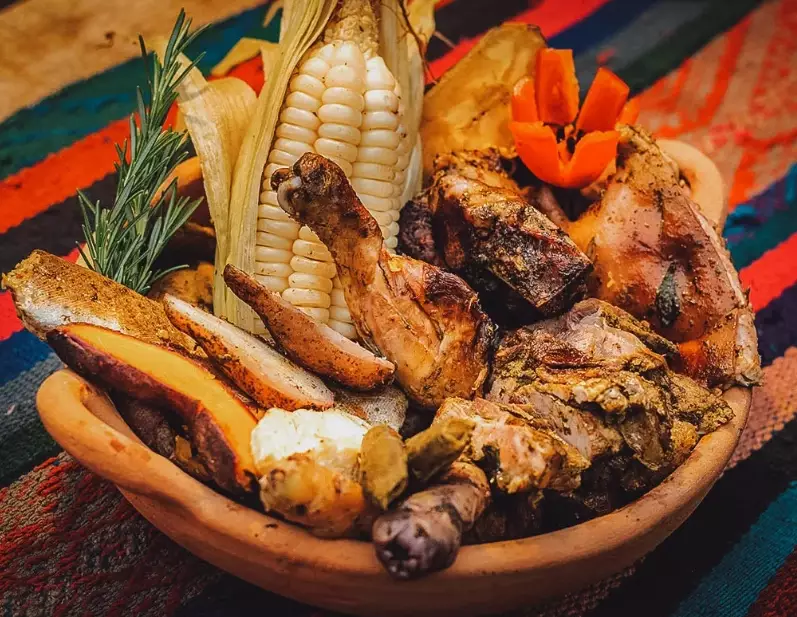
The Peruvian Pantry: Non-Negotiables and Clever Swaps
Okay, let's get practical. What do you actually need in your cupboard to tackle these Peruvian recipes with confidence?
The Holy Trinity: If you only source three things, make it these: Aji Amarillo Paste (the soul), Quinoa (the ancient grain superstar), and Huacatay (black mint paste) for authentic herb flavor in sauces like Ocopa.
Aji Peppers: We've talked about aji amarillo. Its cousin, aji panca, is a dried red chili with a deeper, smokier, fruitier flavor and less heat. It's used in stews and marinades, like for Anticuchos (beef heart skewers). Pastes are easiest to use. Find them online or in specialty stores.
Potatoes: Peru is the birthplace of the potato, with thousands of varieties. Don't stress. For most recipes, a good yellow potato (like Yukon Gold) works beautifully. They hold their shape and have a buttery flavor perfect for Papa a la Huancaina or stews.
Corn: Not your average sweet corn. Look for choclo, which has giant, starchy kernels, or cancha, which is toasted corn nuts for snacking. For a home cook, hominy or even dried giant corn (available online) can be a project for a special day.
What if I can't find that? We've all been there.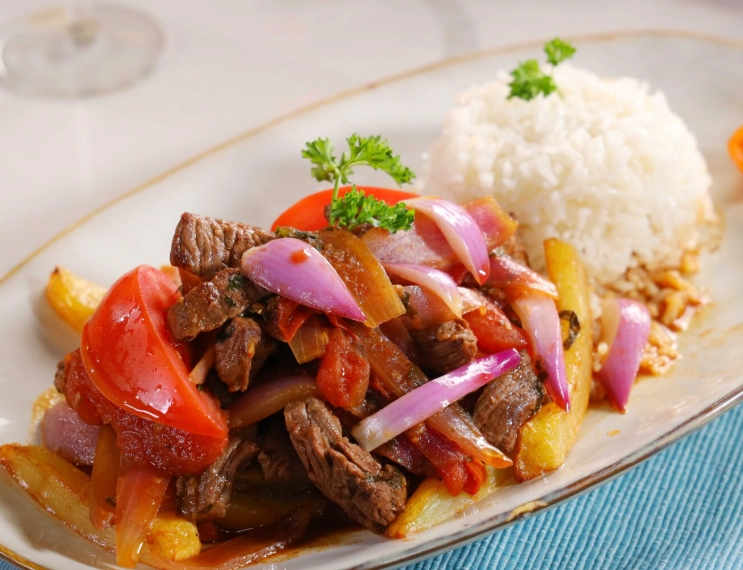
- No aji amarillo paste? For color and a hint of fruitiness, blend a roasted yellow bell pepper with a tiny bit of habanero or serrano for heat. It's a workaround, not a replacement, but it'll get you in the ballpark for the cream-based sauces.
- No queso fresco? For Papa a la Huancaina, a mild, moist feta (soaked if too salty) or even a fresh ricotta salata can work. For sprinkling, a mild farmer's cheese or even a very light hand with cotija.
- No huacatay? A mix of fresh mint, cilantro, and a tiny bit of tarragon can mimic its complex, anise-like flavor. It's not perfect, but it points in the right direction.
The goal isn't gatekeeping purity; it's getting you cooking. Use the best substitutes you can, and enjoy the process. The Peruvian government's official tourism site has great info on native ingredients like the potato, which helps you appreciate why these elements are so cherished.
Beyond the Recipe: Techniques and Philosophy
Anyone can follow steps. To really cook Peruvian food, you need to get a feel for its rhythm.
Layering Flavors: Peruvian dishes rarely rely on one note. A stew might have a base of blended onions and peppers (a sofrito), then add spices, then the main protein, then a finishing herb. Each step builds depth.
The Acid Balance: This is huge. Notice how lime juice defines ceviche, and vinegar cuts through the richness of Lomo Saltado? Peruvian cooking uses acid—lime, vinegar, even the slight tang of evaporated milk—to brighten and lift heavy or rich components. Don't be shy with that squeeze of lime at the end.
Texture Play: Creamy sauce with rice and a soft potato (Aji de Gallina). Tender beef with crisp fries and rice (Lomo Saltado). Silky fish with crunchy toasted corn (Ceviche). The contrast is intentional and makes every bite interesting.
Think of it like this: you're not just making dinner; you're building a little plate with different things to keep your mouth happy. A bite of saucy chicken, a bit of rice, a piece of potato. That's the way to eat it.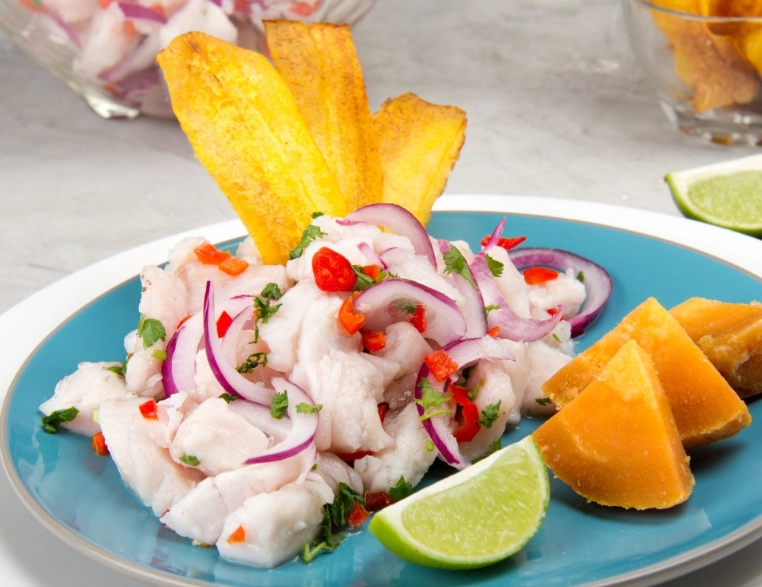
Your Peruvian Cooking Questions, Answered
I get asked these all the time. Let's clear them up.
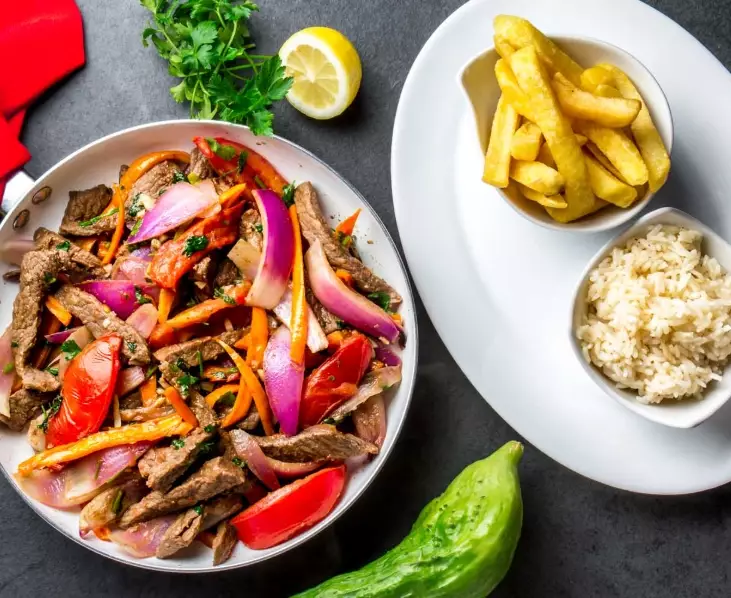
And there you have it. A world of flavor, waiting in your kitchen. The best advice I can give you is to start with one dish. Maybe it's Lomo Saltado this week. Source that aji amarillo, get your pan screaming hot, and go for it. Don't worry about perfection. The first time I made a proper Aji de Gallina after my early failures, the smell alone took me right back to my friend's kitchen. That's the goal. To create those smells, those tastes, that connection.
Peruvian recipes have this incredible power to transport you. They're vibrant, they're history, they're family. And now, they can be yours, too. Just remember the lime, respect the aji, and don't be afraid of the fries in the stir-fry. Trust me on that one.