Quick Navigation
Let's talk about shiitake mushrooms. You've probably seen them at the grocery store—those dark brown, umbrella-shaped caps with a stem that looks a bit tough. Maybe you've walked right past them, sticking to the familiar button mushrooms. I get it. I used to do the same thing. But then I tried cooking with them on a whim, and honestly, it completely changed my weeknight dinner game.
These aren't your average mushrooms. They have this deep, savory, almost meaty flavor that chefs call "umami." It's the fifth taste, the one that makes food taste rich and satisfying. And once you learn how to handle them, a whole world of shiitake mushroom recipes opens up. We're talking about quick stir-fries that beat takeout, creamy pastas that feel fancy, and hearty soups that are pure comfort.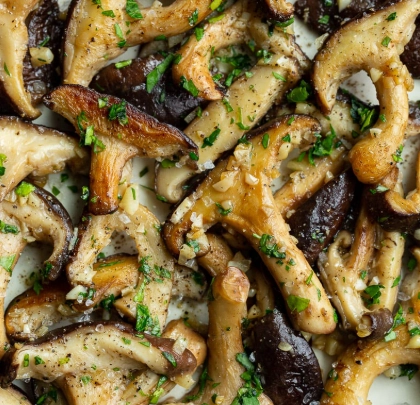
This guide isn't just a list of recipes. It's the manual I wish I had when I first brought home a pack of shiitakes and stared at them, wondering what to do. We'll cover everything: why they're worth your time, how to pick the good ones, the crucial prep steps most recipes skip, and of course, a bunch of fantastic ways to cook them. Whether you're a total beginner or just looking for some new inspiration, you'll find what you need right here.
Why Bother with Shiitakes? More Than Just Flavor
Okay, so they taste good. But is that it? Not really. One of the reasons shiitake mushroom recipes have been a staple in East Asian cooking for centuries is their versatility and nutritional profile. According to the USDA FoodData Central, shiitakes are a source of B vitamins, minerals like selenium and copper, and contain compounds like lentinan, which has been studied for its potential immune-supporting properties (always talk to your doctor about health claims, of course).
But let's be practical. For the home cook, the biggest draws are:
- The "Meaty" Texture: They hold their shape beautifully, even when sautéed for a while. This makes them a superstar in vegetarian and vegan cooking, providing a satisfying bite that other veggies sometimes lack.
- Flavor Bombs: They add a complex, savory depth that can make a simple dish taste like it simmered for hours. It's a quick way to add gourmet flair without complicated techniques.
- Two Personalities: You can buy them fresh or dried. Dried shiitakes are a pantry powerhouse. They're shelf-stable, their flavor is even more concentrated, and the soaking liquid (the "dashi" or stock) is liquid gold for soups and sauces.
I made a simple miso soup with rehydrated dried shiitakes last week, using the soaking water as the base. My partner asked if I'd used some fancy stock from a box. Nope. Just mushroom magic.
Before You Cook: The Non-Negotiable Prep Work
This is where many shiitake mushroom recipes lose people. You can't just rinse and chop like a button mushroom. Skipping these steps leads to tough, rubbery, or gritty mushrooms, and that's a surefire way to swear off them for good.
Buying: Fresh vs. Dried
Your mission at the store:
- Fresh Shiitakes: Look for plump caps with edges that curl under slightly, not splayed wide open. The surface should be smooth, not wrinkled or slimy. A light, earthy smell is good; a strong, unpleasant odor is not. The stems will be tough—that's normal, we'll deal with them.
- Dried Shiitakes: Look for whole, thick caps with deep cracks on top (these are often considered higher grade). They should feel leathery, not brittle or dusty. I usually get mine from a local Asian market—the selection and price are often better.
The Essential Cleaning Ritual
Do not, I repeat, do not soak fresh shiitakes in water. They are like sponges and will become waterlogged. Here's the right way:
- Wipe each cap gently with a damp paper towel or a soft brush to remove any visible dirt or growing medium.
- If you must rinse, do it quickly under cold running water just before slicing, and pat them very dry immediately with a kitchen towel.
For dried shiitakes, you do soak them, but with purpose. Cover them in warm (not boiling) water for 20-45 minutes until fully soft and pliable. Save that flavorful soaking liquid! Strain it through a fine-mesh sieve or cheesecloth to remove any grit, and use it in your recipe.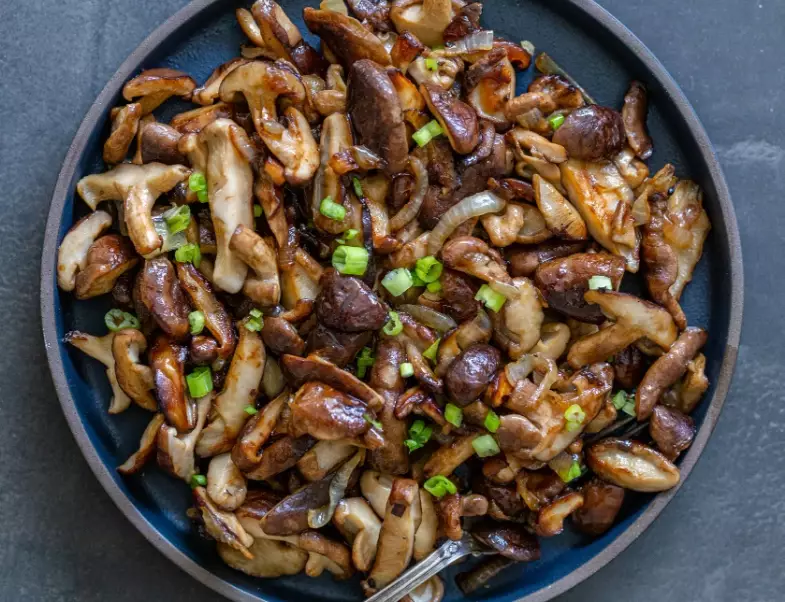
To Stem or Not to Stem?
The stems of fresh shiitakes are notoriously woody and fibrous. For most dishes where you'll be eating the mushroom directly (stir-fries, pastas), you should twist or cut them off. But don't throw them away! That's a rookie mistake I made for years.
For dried shiitakes, the rehydrated stems are usually soft enough to slice and use. Just give them a taste first.
The Core Shiitake Mushroom Recipes Collection
Alright, let's get to the good part. These recipes are categorized by vibe and time commitment. I've included personal tweaks and things to watch out for.
The Quick & Savory Classics (Under 30 Minutes)
These are my weeknight heroes. The kind of shiitake mushroom recipes you make when you're hungry and don't want to think too hard.
Garlic Butter Shiitake Sauté
This is the perfect side dish for steak, chicken, or fish, or you can toss it with pasta. It's deceptively simple.
Slice a good handful of fresh shiitake caps (about 8-10 large ones). Heat a mix of butter and a neutral oil (the oil prevents the butter from burning) in a large skillet over medium-high heat. Add the mushrooms in a single layer—don't crowd them! Let them sit without stirring for a couple minutes to get a nice sear. Then toss, add a few minced garlic cloves, and sauté until fragrant, about a minute more. Finish with a splash of soy sauce (trust me, it's better than salt here) and a big handful of chopped fresh parsley. The soy sauce caramelizes and creates this incredible glaze. So good.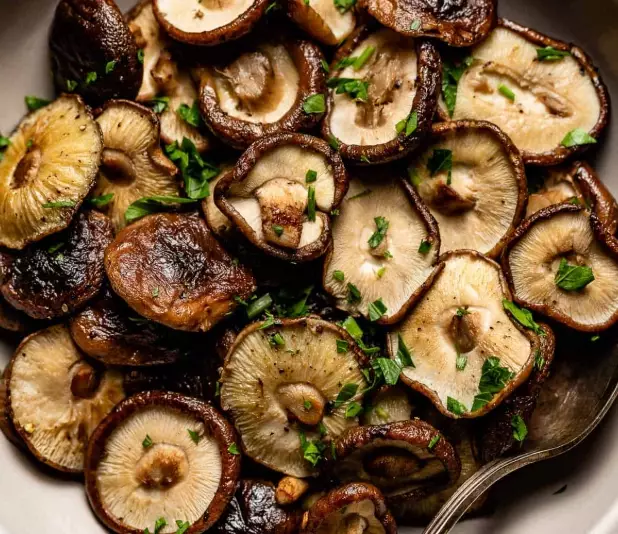
Easy Shiitake & Bok Choy Stir-Fry
A complete, healthy meal in one pan. The key is the sauce and high heat.
For the sauce, whisk together 3 tbsp soy sauce, 2 tbsp oyster sauce (or vegetarian oyster sauce), 1 tbsp rice vinegar, 1 tsp sesame oil, 1 tsp sugar or honey, and 2 tbsp water. Set aside. Slice your shiitake caps and chop some baby bok choy. Heat a wok or large skillet until it's very hot. Add oil, then the shiitakes. Stir-fry for 2-3 minutes until they start to brown. Push them to the side, add a bit more oil, and throw in some minced ginger and garlic. After 30 seconds, add the bok choy. Stir-fry for another 2 minutes until the greens wilt. Pour in the sauce, let it bubble and thicken for a minute, and that's it. Serve over rice.
The "Wow, You Made This?" Dishes (Weekend Projects)
These shiitake mushroom recipes are for when you want to impress or really treat yourself.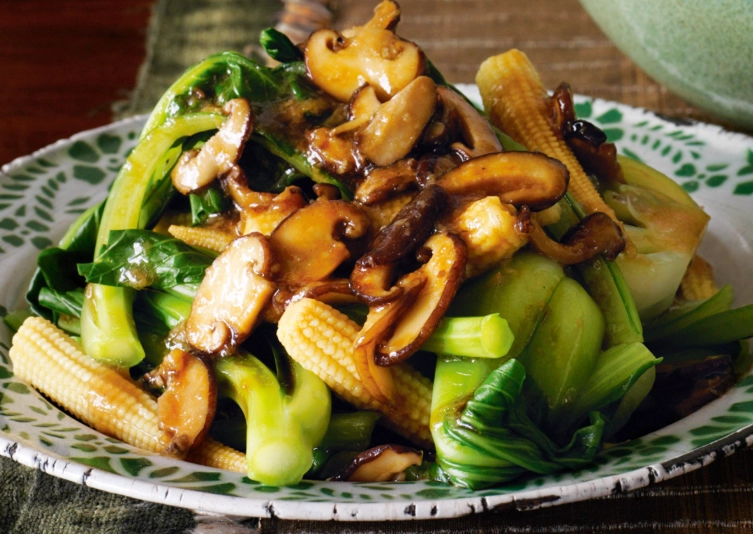
Creamy Shiitake Mushroom Pasta
This feels luxurious but isn't technically difficult. It's all about layering flavors.
Start by sautéing your sliced shiitakes in olive oil with a pinch of salt until they release their water and get golden brown. Remove them from the pan. In the same pan, sauté a finely chopped shallot until soft. Add a splash of dry white wine or vermouth and let it reduce by half. Lower the heat and stir in about 3/4 cup of heavy cream. Let it simmer gently for a few minutes to thicken slightly. Stir back in the mushrooms, along with a generous amount of grated Parmesan cheese and lots of black pepper. Toss with freshly cooked fettuccine or pappardelle, adding a splash of pasta water to make the sauce silky. Garnish with more Parmesan and maybe some thyme. It's restaurant-quality.
A word of caution: Don't rush the step of browning the mushrooms. If you add the cream too soon, you'll steam them and they won't develop that deep flavor. Patience pays off here.
Hearty Shiitake & Barley Soup
This is the ultimate comfort food, especially with dried shiitakes.
Soak a handful of dried shiitakes. Save the liquid. Slice the rehydrated mushrooms, discarding any tough bits of stem. In a large pot, sauté a diced onion, a couple of diced carrots, and two diced celery stalks in a little oil. Add the sliced shiitakes and a cup of pearl barley. Pour in the strained mushroom soaking liquid and enough vegetable or chicken broth to cover everything by about two inches. Bring to a boil, then simmer, partially covered, for about 45-50 minutes until the barley is tender. Season with salt, pepper, and a dash of soy sauce. It's thick, hearty, and packed with umami. The barley makes it incredibly filling.
Beyond the Basics: Global & Dietary Twists
Shiitakes are incredibly adaptable. Here's how they shine in different culinary traditions and diets.
| Recipe Idea | Cuisine/Type | Key Shiitake Move | Perfect For |
|---|---|---|---|
| Shiitake "Bacon" | Vegan / American | Thinly slice caps, marinate in soy sauce, liquid smoke, maple syrup, bake until crisp. | Sandwiches, salads, breakfast plates. Surprisingly addictive. |
| Japanese Nimono (Simmered Dish) | Japanese | Simmer whole rehydrated dried shiitakes in a dashi-soy-mirin broth until deeply infused. | A traditional side dish, served with rice. The texture is sublime. |
| Shiitake & Lentil Shepherd's Pie | Vegetarian / Comfort Food | Finely chop shiitakes and brown them with lentils to create a "meaty" filling. | A satisfying, crowd-pleasing main that even meat-eaters love. |
| Shiitake Risotto | Italian | Use a strong mushroom stock (made from stems/dried shiitakes) as the cooking liquid. | A creamy, elegant dinner. The stock makes all the difference. |
Answering Your Shiitake Questions (The FAQ)
I've gotten a lot of questions from friends after they've tried my shiitake mushroom recipes. Here are the most common ones.
Wrapping It Up: Your Shiitake Journey Starts Now
Look, cooking with a new ingredient can feel a bit intimidating. I remember my first packet of shiitakes sitting in the fridge, judging me. But once you get past the initial prep—the wiping, the stemming—it's smooth sailing. The flavor payoff is immense.
Start with the Garlic Butter Sauté. It's foolproof. Then maybe try the stir-fry. Get comfortable with their texture and taste. Then, venture into the world of dried shiitakes and make that simple soup. You'll be amazed at the depth you can create.
The beauty of shiitake mushroom recipes is that they bridge the gap between everyday cooking and something that feels special. They add a layer of complexity without demanding chef-level skills. So grab some on your next grocery run. Don't be afraid of the stems. Save that soaking liquid. And most importantly, have fun with them. Your taste buds will thank you.