Quick Navigation
Let's talk about quail eggs. You've probably seen them perched on top of fancy sushi, nestled in a bento box, or maybe even pickled in a jar at the grocery store. They're these adorable little speckled things that look almost too pretty to eat. But here's the thing – most people just admire them from afar. They buy a carton on a whim, stare at it in the fridge for a week, and then wonder, "What on earth do I actually do with these?" I've been there. I once let a perfectly good carton go bad because I was intimidated. Not anymore.
After years of experimenting (and yes, a few failed attempts that ended up as dog treats), I've cracked the code. Quail eggs aren't just for garnish. They're a versatile, protein-packed ingredient that can transform a simple meal into something special. Whether you're looking for a quick snack, an elegant appetizer to impress guests, or a hearty addition to your main course, I've got you covered. This isn't just a list of recipes; it's your roadmap from confused buyer to confident quail egg chef.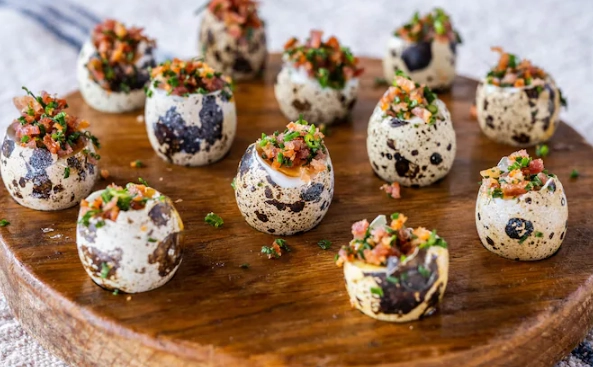
Why Bother with Quail Eggs Anyway?
Before we dive into the recipes, let's address the elephant in the room. Why go through the trouble? Chicken eggs are cheap, easy, and you know exactly what to do with them. Fair point. But quail eggs offer something different. For starters, they have a richer, slightly gamier flavor compared to chicken eggs. The yolk-to-white ratio is much higher, which means every bite is creamier and more decadent. Nutritionally, they're a powerhouse. Gram for gram, they contain more iron, vitamin B12, and riboflavin than chicken eggs. The U.S. Department of Agriculture's FoodData Central database provides a detailed breakdown for the curious.
They're also perfect for portion control. Making a single-serving salad or avocado toast? One chicken egg might be too much, but 3-4 quail eggs are just right. They cook in a fraction of the time, which is a huge win for busy weeknights. And let's be honest, they just look cool. Plating a dish with these little gems instantly elevates it from "home cooking" to "restaurant-worthy."
Mastering the Basics: How to Handle Quail Eggs
You can't run before you can walk, and you can't make stunning quail egg recipes before you know how to handle them. The two biggest hurdles are cracking them cleanly and peeling them after boiling. They have a much stronger membrane than chicken eggs, which is a blessing and a curse. It makes them less likely to crack in the carton, but it can make peeling a nightmare if you don't do it right.
The Foolproof Boiling Method
This is the most common way to prepare quail eggs, and getting it right is crucial for dozens of recipes. Forget everything you know about boiling chicken eggs.
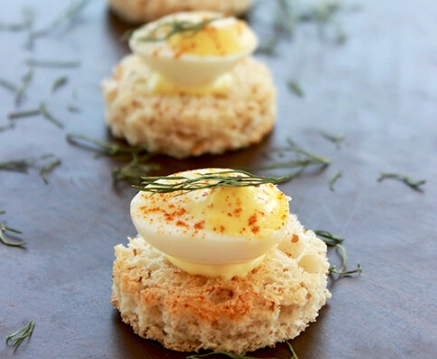
Here's my no-fail method:
- Gently place the eggs in a single layer in a saucepan. Cover them with at least an inch of cold water.
- Add a generous pinch of salt and a splash of vinegar (white or apple cider). The vinegar helps soften the shell slightly and makes peeling easier. It doesn't affect the taste.
- Bring the water to a rolling boil over medium-high heat.
- Once boiling, immediately set a timer. This is where precision matters:
- 2 minutes 15 seconds: For a completely runny yolk (perfect for ramen or salads).
- 2 minutes 45 seconds to 3 minutes: For a jammy, custard-like yolk with a firm white (my personal favorite for most uses).
- 4 minutes: For a fully set, hard-boiled yolk.
- When the timer goes off, don't just drain the water. Have a bowl of ice water ready and immediately transfer the eggs into it. This "shocking" stops the cooking process dead in its tracks.
- Let them cool completely in the ice bath for at least 5 minutes.
The Peeling Hack That Actually Works
Now for the tricky part. The traditional roll-and-peel method often leads to frustration and mangled eggs. Here's a better way:
After the eggs are cool, gently tap the wider end on the counter to crack it. Then, use your thumbnail to slip under the membrane and peel it back, along with the shell. The ice bath should have created a small pocket of air that helps separate the membrane from the egg white. Sometimes it works perfectly, sometimes it's still a bit fiddly. I find that eggs boiled for the jammy stage (around 3 minutes) are easier to peel than fully hard-boiled ones.
Quail Egg Recipes for Every Occasion
Okay, you've got a bowl of perfectly cooked, peeled quail eggs. Now what? Let's get to the fun part. I've organized these quail egg recipes by meal type and difficulty. Whether you're a beginner or a seasoned cook looking for inspiration, there's something here for you.
Quick & Easy Snacks (Under 10 Minutes)
These are my go-to recipes when I need a fast, satisfying bite. They require minimal prep and highlight the quail egg's natural flavor.
Avocado & Quail Egg Toast: Mash half an avocado on a slice of good sourdough. Top with 3-4 halved jammy quail eggs, a sprinkle of everything bagel seasoning, and a drizzle of chili crisp. It's a textural dream – creamy, jammy, crunchy, and spicy all at once.
Simple Soy Marinade: This is a game-changer. In a container, mix 1/4 cup soy sauce, 2 tbsp water, 1 tbsp mirin, a teaspoon of sugar, and a slice of ginger. Add your peeled hard-boiled quail eggs. Let them marinate in the fridge for at least 4 hours, or overnight. They become these savory, umami-packed little flavor bombs. Eat them as is, or slice them over rice.
Elegant Appetizers to Impress
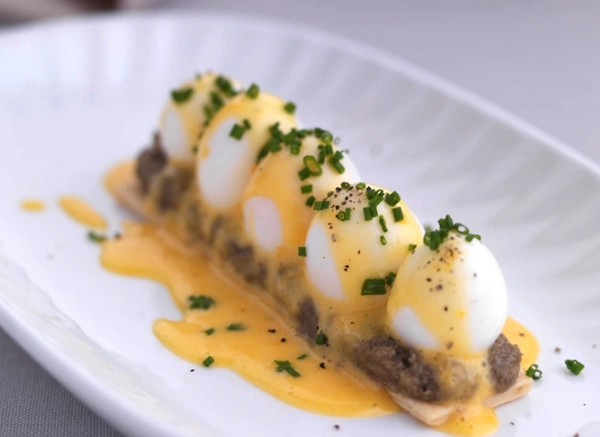
Want to make your guests go "wow"? These recipes use quail eggs as the star of a sophisticated starter.
Bacon-Wrapped Quail Eggs: Wrap a half-strip of bacon around a peeled hard-boiled quail egg, secure with a toothpick, and bake at 400°F (200°C) until the bacon is crisp. The fat renders and soaks into the egg, creating an incredible combination of salty, smoky, and rich. Serve with a sweet chili dip.
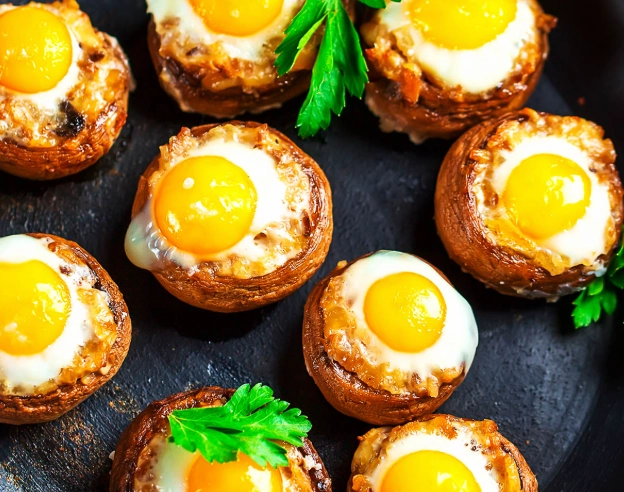
Mushroom Caps with Quail Egg: Remove the stems from large cremini or button mushrooms. Brush the caps with olive oil, season, and place them gill-side up on a baking sheet. Crack one raw quail egg into each cap. Bake at 375°F (190°C) for 12-15 minutes, until the egg white is set and the mushroom is tender. Garnish with thyme. It looks fancy but is surprisingly simple.
Asparagus & Quail Egg Salad with Lemon Vinaigrette: Blanch some asparagus spears. Arrange them on a plate with mixed greens, halved jammy quail eggs, and shaved Parmesan. Whisk together fresh lemon juice, extra virgin olive oil, salt, and pepper. Drizzle over the top. It's light, bright, and perfect for a spring lunch.
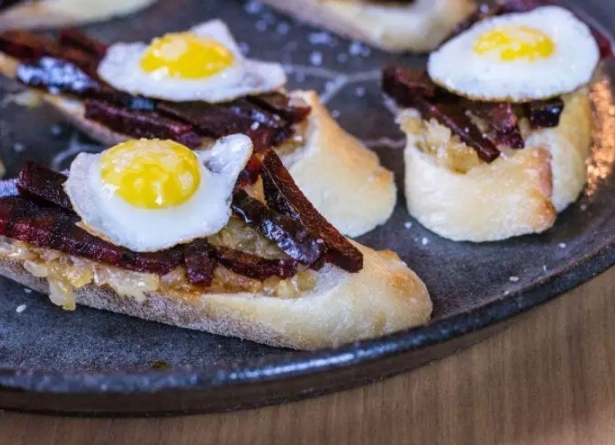
Hearty Main Courses
Yes, quail eggs can absolutely be the centerpiece of a meal. These recipes are filling, flavorful, and will make you rethink the role of this tiny ingredient.
Korean Bibimbap with Quail Eggs: Prepare your bibimbap bowl with rice, seasoned spinach, sautéed carrots, mushrooms, bean sprouts, and bulgogi beef or tofu. Instead of a sunny-side-up chicken egg, top it with 2-3 raw quail egg yolks (carefully separated). When you mix it all together with gochujang sauce, the yolks create the most luxurious, creamy coating. It's next-level.
Spanish Tortilla (Tortilla Española): The classic potato and onion omelet. For a fun twist, use thinly sliced potatoes and make individual mini tortillas in a muffin tin. After flipping the cooked tortilla, immediately press 2-3 peeled soft-boiled quail eggs into the top of each one. The residual heat warms them through. Serve with aioli. It's a showstopper.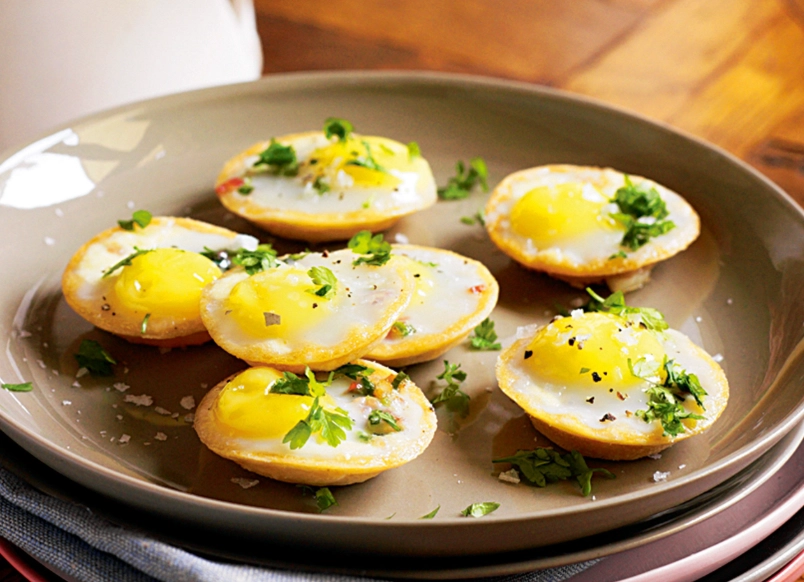
Beyond Boiling: Other Cooking Methods Compared
Boiling is great, but it's not the only way. Different methods yield different textures and are suited for different quail egg recipes. Here’s a quick comparison to help you choose.
| Method | Best For | Key Technique | My Personal Take |
|---|---|---|---|
| Frying (Sunny-Side Up) | Topping burgers, salads, rice bowls | Use a non-stick pan with a tiny bit of oil over low heat. Crack carefully. Cover with a lid for 30 sec to set the top white. | Tricky but rewarding. The yolk stays super runny. A specialty quail egg cutter/spoon helps. |
| Poaching | Eggs Benedict, soups | Swirl vinegar-water in a pan, crack egg into a small cup, gently slip in. Cook for about 1 min. | Honestly, a bit fussy. The eggs are so small they can get lost in the vortex. Great for practice if you struggle with chicken eggs. |
| Pickling | Condiments, charcuterie boards, snacks | Hard-boil first, then submerge in a brine of vinegar, water, sugar, salt, and spices (like beet juice for color!). | My favorite for make-ahead. They keep for weeks, add a punchy bite to anything, and look stunning in a jar. |
| Baking | Shakshuka, casseroles, baked eggs in avocado | Crack raw eggs into a well in a saucy dish during the last 5-8 minutes of baking. | Foolproof and hands-off. The gentle heat cooks them evenly without any risk of overcatching. |
Pickling, in particular, is a fantastic way to preserve a large batch. You can find great guidelines for safe home pickling from resources like the National Center for Home Food Preservation.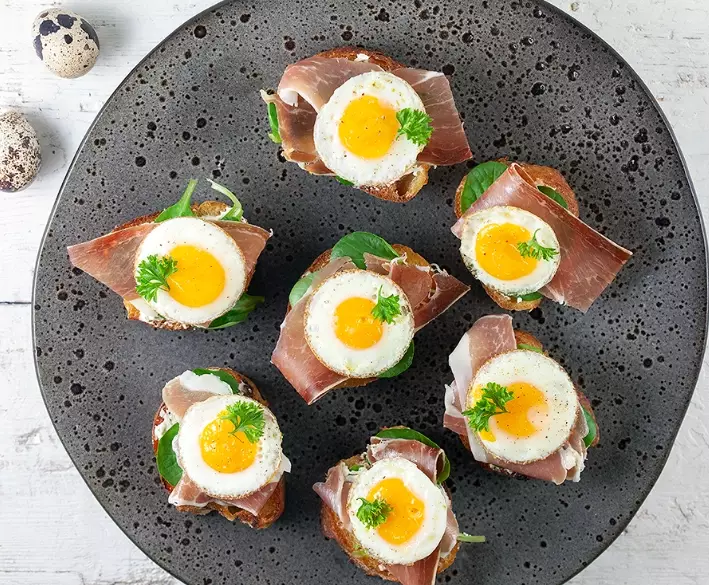
Answering Your Quail Egg Questions (FAQ)
Over the years, I've gotten the same questions from friends and readers. Let's clear up the confusion.
Where can I even buy quail eggs?
They're more common than you think! Check well-stocked supermarkets (often near the specialty cheeses or in the international aisle), Asian grocery stores (they almost always have them), farmers' markets, or online retailers. The price has come down a lot.
How long do they last?
Unwashed, fresh quail eggs from a farm can last a surprisingly long time at cool room temperature due to their thick shell and bloom. However, store-bought ones are usually washed. Treat them like chicken eggs: refrigerate immediately and use within 2-3 weeks for best quality. Hard-boiled (and peeled) quail eggs should be eaten within 2 days.
Can I substitute quail eggs for chicken eggs in baking?
This is a tricky one. Technically, yes, for binding purposes (like in meatballs or burgers). For cakes or custards where eggs provide structure and leavening, I don't recommend a direct 1-to-1 swap. The different protein structure and fat content can throw off the texture. It's better to use them in recipes designed for their unique qualities.
Are they safe to eat raw?
The same rules apply as for chicken eggs. There is a risk of Salmonella, though some claim it's lower in quail. The U.S. Food and Drug Administration (FDA) advises that raw and undercooked eggs pose a risk, especially for pregnant women, the elderly, and those with compromised immune systems. If you want to use them raw in a dressing or cocktail, consider using pasteurized eggs.
What's the conversion? How many quail eggs equal one chicken egg?
The general rule is 4-5 quail eggs to 1 large chicken egg by volume. But it's not perfect. For most savory quail egg recipes, I think in terms of "per person" rather than direct conversion. 4-6 eggs per person for a snack or side, 8-10 for a main component.
My biggest challenge is cracking them raw without getting shell everywhere. Help!
You need a sharp, precise tool. Using the blade of a chef's knife works. Gently tap the equator of the egg. Or, invest in a quail egg scissors or a dedicated cutter – they're cheap and make a clean cut every time. Don't try to crack them on the edge of a bowl like a chicken egg; you'll just drive shell fragments into the white.
Putting It All Together: A Sample Meal Plan
Let's say you bought a carton of 20 quail eggs and you're ready to dive in. Here’s how you could use them up in a few days without getting bored.
- Day 1 (Breakfast): Avocado toast with 4 halved jammy eggs.
- Day 1 (Lunch): Add 6 soy-marinated eggs (started yesterday) to a bowl of ramen or instant noodles with greens.
- Day 2 (Appetizer for dinner): Make 10 bacon-wrapped eggs to share.
- Day 3 (Dinner): Use the last 6 raw eggs in a big batch of fried rice for the family.
See? A whole carton, multiple meals, zero waste, and you've explored boiling, marinating, baking, and frying. That's the beauty of having a repertoire of quail egg recipes at your fingertips.
Remember, great cooking is about experimentation. Don't be afraid to take these quail egg recipes and make them your own. Add your favorite herbs, swap out the sauces, or combine techniques. Once you get comfortable, you'll start seeing opportunities to add these tiny, mighty eggs to all sorts of dishes. They're more than just a garnish; they're a gateway to more playful, precise, and impressive cooking.