In This Guide
Let's be honest. How many times have you spent good money on a beautiful steak or a couple of salmon fillets, only to overcook them? The center is dry, the edges are tough, and that promised juicy, tender result is nowhere to be found. I've been there, standing over a pan of disappointment. That's exactly why I fell down the rabbit hole of sous vide cooking a few years back, and honestly, it's changed how I think about preparing food at home.
Sous vide, which is French for "under vacuum," sounds fancy and maybe a bit intimidating. You might picture a high-end restaurant kitchen with a brigade of chefs and expensive equipment. But here's the secret: it's arguably one of the most forgiving and consistent methods for a home cook to master. The core idea is simple. You seal your food in a bag, immerse it in a water bath that's held at a precise, constant temperature, and wait. That's it. The machine does the heavy lifting of maintaining the exact doneness you want, from edge to edge. No guesswork, no hot spots, no panic.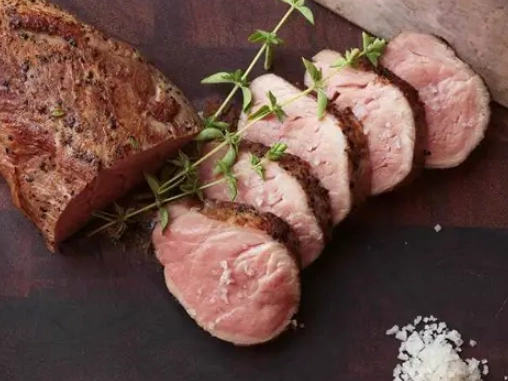
This guide is for anyone who's curious, skeptical, or ready to dive in. We're going to strip away the mystery and talk about real, practical sous vide recipes you can try tonight. We'll cover the gear you actually need (spoiler: it's less than you think), walk through foundational techniques, and I'll share some of my go-to recipes that never let me down. I'll even tell you about the time I messed up a batch of carrots because I got the time wrong – we learn from failures too.
Gearing Up: What You Really Need to Start
Before you get lost in the world of sous vide recipes for beginners, let's talk tools. The market is flooded with gadgets, and the choices can be paralyzing. You don't need a lab-grade setup.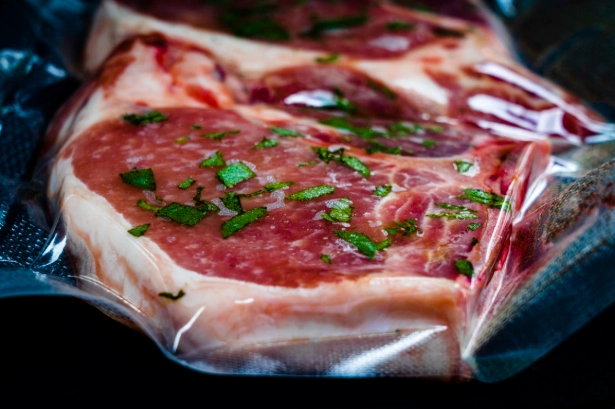
The Non-Negotiables: At its heart, sous vide requires two things: a precise heater/circulator and a way to create a vacuum (or at least a very good seal) around your food.
The immersion circulator is the heart of the system. It clips onto the side of a pot or container, heats the water, and circulates it to ensure there are no cold spots. Brands like Anova and Joule are popular for good reason—they're reliable and user-friendly. I started with a basic model that just had a dial and a button, and it worked perfectly fine for years.
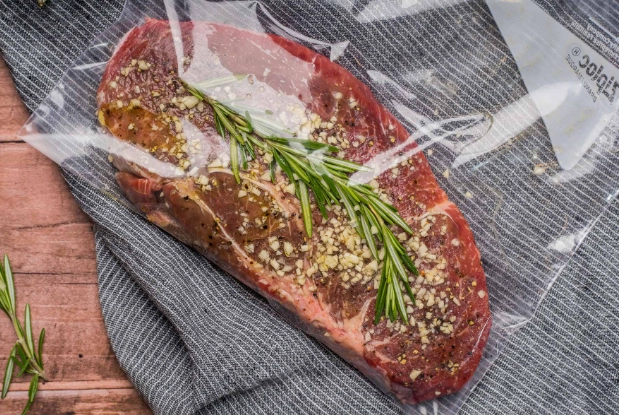
For sealing, you have options. A vacuum sealer is fantastic for long cooks and gives you the most secure seal. But if you're just dipping your toes in, the water displacement method is a legit, zero-cost alternative. You put your food in a sturdy zip-top bag (like freezer bags), slowly lower it into the water, letting the pressure of the water push the air out, then seal it just before the zipper goes under. It works surprisingly well for shorter cooks. For a deep dive into food safety and packaging for sous vide, the USDA's Food Safety and Inspection Service website has invaluable guidelines on time and temperature controls.
As for the container, any large pot works. But I eventually upgraded to a clear polycarbonate bin with a lid because it holds heat better and reduces evaporation on those long, 24-hour cooks for tough cuts of meat. A roll of paper towels and some binder clips (to keep the bags from floating) round out your toolkit.
| Equipment Type | Essential? | Budget-Friendly Alternative | My Take |
|---|---|---|---|
| Immersion Circulator | YES | N/A - This is the core device. | Don't overspend on your first one. Accuracy is key, not bells and whistles. |
| Vacuum Sealer | No | Heavy-duty zip-top bags + water displacement method. | Worth the investment if you cook in bulk or do long cooks (>4 hours). |
| Container & Lid | No (Pot works) | A large stockpot from your cupboard. | A dedicated bin with a lid is a quality-of-life upgrade that saves energy. |
| Thermometer | Highly Recommended | Any instant-read digital thermometer. | Crucial for verifying your circulator's accuracy and checking sear temps. |
See? Not so scary. With just a circulator and some bags, you're ready to cook.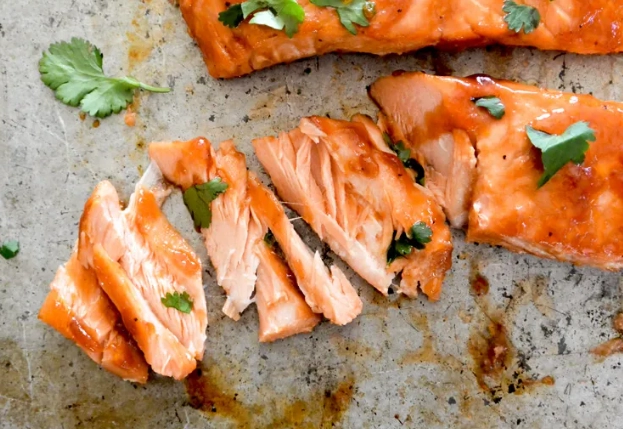
The Foundation: Core Principles Before Recipes
Jumping straight into a complex recipe without understanding the "why" is a recipe for confusion. Sous vide is a science, but the application is pure art. Let's break down the two pillars: time and temperature.
Temperature is for Doneness. This is the most critical concept. In sous vide, you set the water bath to the exact final internal temperature you want your food to be. Want a medium-rare steak at 130°F (54.4°C)? Set the bath to 130°F. The entire piece of meat will eventually equalize to that temperature. It cannot overcook. This is the magic that makes sous vide steak recipes so foolproof. You're not fighting against carryover cooking or an uneven burner.
Time is for Texture. Once the food's core reaches the bath temperature, it's technically safe to eat (for pasteurization, follow USDA guidelines). But time continues to work on the connective tissue and proteins. A tough cut like chuck roast needs 24+ hours at 135°F (57°C) to break down collagen into gelatin, transforming it from shoe leather to buttery tenderness. A delicate fish fillet might only need 30-45 minutes. Too little time, and it's tough. Too much time, and it can become mushy.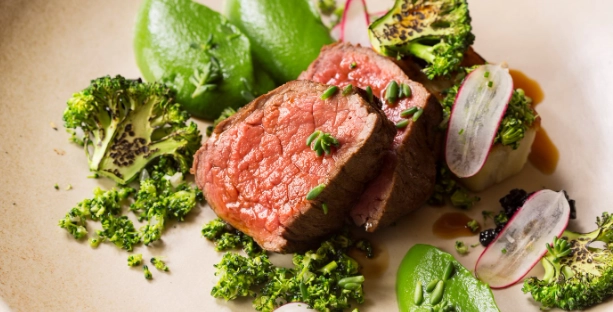
Pro Tip: Always preheat your water bath. Dropping cold food into a bath that's still coming up to temperature throws off your timing. Get it to your target temp first, then add the bag.
Seasoning is another area where sous vide shines—and differs from traditional methods. Because the food cooks in its own juices inside the bag, seasoning penetrates deeply. I'm a big fan of salting my meat before it goes in the bag. Some argue it can slightly firm the texture, but I find the flavor boost worth it. Herbs, garlic, a knob of butter? They all infuse beautifully. Just be cautious with raw garlic in very long cooks, as it can develop off-flavors.
Can't-Fail Sous Vide Recipes to Build Your Confidence
Alright, theory is great, but let's get to the good stuff. Here are my foundational, never-fail sous vide recipes that cover the major food groups. These are the ones I recommend to every friend who buys a circulator.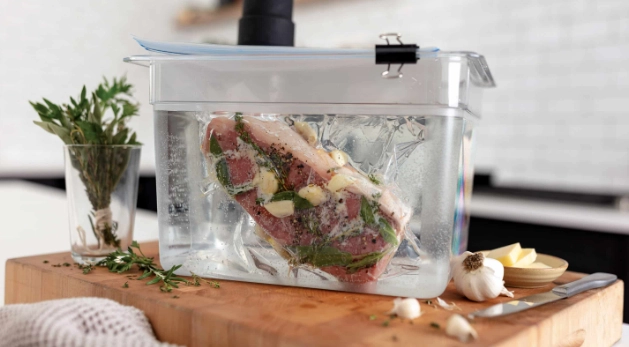
The Perfect Steak (Your New Party Trick)
This is the gateway recipe. It demonstrates the power of sous vide like nothing else. You'll need a good cut—ribeye, strip, or filet—at least 1 to 1.5 inches thick.
- Prep: Pat the steak dry. Season aggressively with salt and pepper. Add it to a bag with a sprig of thyme or rosemary if you like.
- Cook: Set your circulator to 129°F (54°C) for medium-rare, 135°F (57°C) for medium. For a 1.5-inch steak, 1.5 to 2 hours is perfect.
- The Critical Sear: This is where many go wrong. Take the steak out, pat it extremely dry with paper towels. A wet steak will steam, not sear. Get a cast-iron skillet smoking hot with a high-smoke-point oil (avocado or grapeseed). Sear for 45-60 seconds per side, including the edges, until a deep brown crust forms.
The result? A steak that's perfectly pink from edge to edge, with a crust that crackles. It's a revelation. For a comprehensive look at the science behind meat doneness and safety, resources from institutions like Serious Eats are fantastic, though remember they are an editorial publication.
Impossibly Juicy Chicken Breast
If you think chicken breast has to be dry, sous vide chicken breast recipes will change your mind. This method locks in every drop of moisture.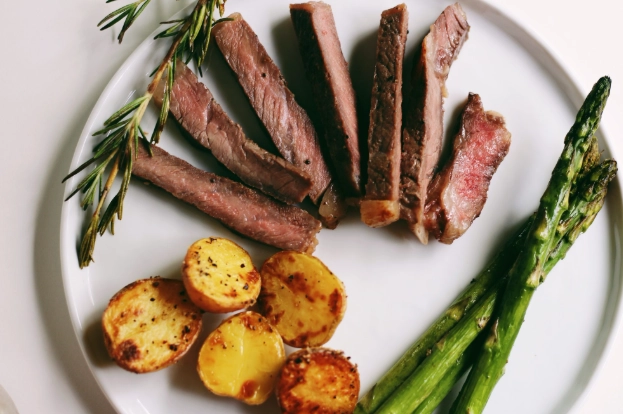
I used to dread cooking chicken breast for meal prep. It was always a gamble. Sous vide fixed that. Now I cook a batch every Sunday, and they're consistently juicy enough to eat plain.
- Prep: Use boneless, skinless breasts. Season with salt, pepper, and maybe some paprika or garlic powder. A little olive oil in the bag helps.
- Cook: Set the bath to 145°F (63°C). This is lower than most people roast chicken, but it's perfectly safe when held for sufficient time and results in a texture that's juicy and almost velvety, not rubbery. Cook for 1 to 4 hours (the longer time is great for meal prep as it pasteurizes more thoroughly).
- Finish: Pat dry. You can give it a quick sear in a hot pan for color, but it's not strictly necessary. It's ready to slice for salads, sandwiches, or just to eat with some veggies.
Flaky, Tender Salmon Fillets
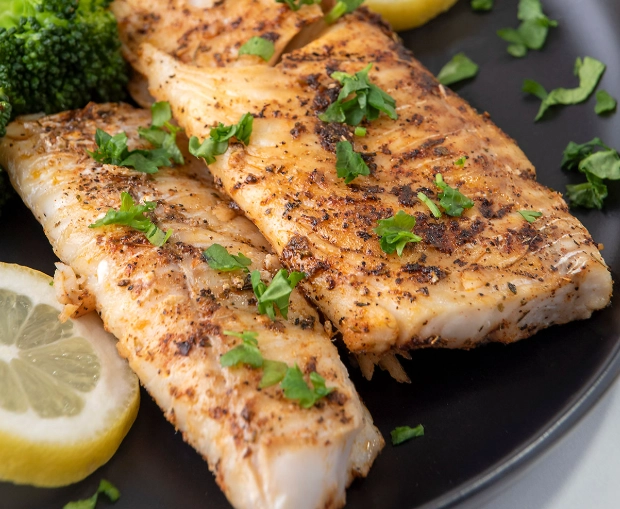
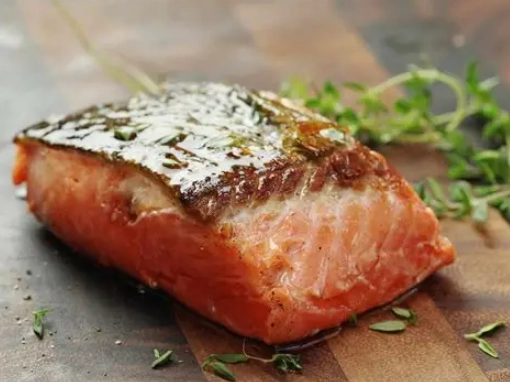
Fish is delicate and overcooks in a blink. Sous vide gives you absolute control. Set your bath to 120°F (49°C) for very rare, silky texture, or 125°F (52°C) for a more traditional flaky-but-moist result. Cook for 30-45 minutes. A little lemon slice and dill in the bag works wonders. Finish with a super-quick sear, skin-side down, in a hot pan to crisp the skin.
The "Set It and Forget It" Pork Chop
Pork chops are another victim of overcooking. Aim for 140°F (60°C) for a hint of pink that's tender and safe. Cook for 1-2 hours. The sear is essential here—get that fat cap rendered and crispy.
Vegetables You'll Actually Crave
Don't sleep on veggies! Carrots at 183°F (84°C) for 1 hour with a bit of butter and thyme come out sweet and tender-crisp. Asparagus at 180°F (82°C) for 20-30 minutes is vibrant and retains its snap. It's a game-changer for meal prep.
Leveling Up: Pro Tips and Common Pitfalls
Once you've mastered the basics, a few tweaks can elevate your results from great to extraordinary.
Ice Bath for Make-Ahead Meals: This is my favorite sous vide hack for busy weeks. Cook your food (chicken, steak, fish), then immediately plunge the sealed bag into an ice bath to stop the cooking process. Once cold, refrigerate it. Days later, you can drop the bag back into a hot water bath to reheat it perfectly, or just take it out, pat it dry, and give it a sear. The quality loss is minimal. It's the ultimate meal prep.
The Sear is Non-Negotiable (Mostly): Sous vide food can look... pale. The Maillard reaction (browning) that creates complex flavor happens at temperatures far above a sous vide bath. So you must sear. The keys are extreme dryness and extreme heat. A charcoal chimney starter, a blowtorch made for cooking, or that smoking-hot cast iron are your best friends. For delicate fish or vegetables, a quick pass under a broiler works too.
Watch Out: Avoid adding butter to the bag with red meat. It sounds luxurious, but fat-soluble flavor compounds from the meat actually leach out into the butter, diluting the beefy taste. Save the butter for basting during the sear. For poultry or fish, it's less of an issue.
Bag Floatation: If your bag isn't fully submerged, that part isn't cooking evenly. Use binder clips to weigh it down, or invest in sous vide weights. For the water displacement method, make sure you get most of the air out.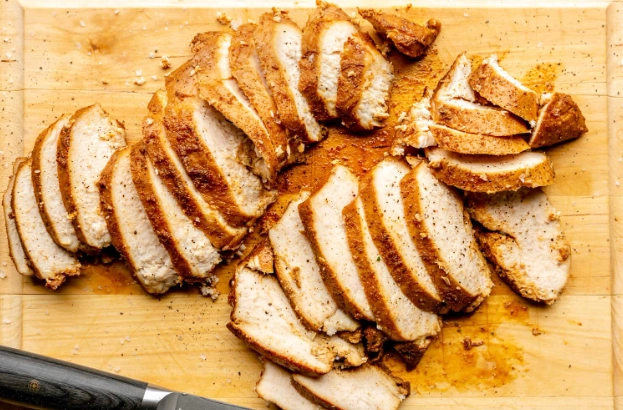
Answering Your Sous Vide Questions
Sous vide isn't about replacing all other cooking methods. It's about having a tool in your arsenal that guarantees a specific, fantastic result when you want it. It makes you a more confident cook.
So, where do you go from here? Start simple. Pick a recipe that excites you—probably the steak or the chicken. Follow the steps, don't skip the sear, and taste the difference. Once you experience that first perfectly cooked piece of meat, a whole world of sous vide recipes opens up. From decadent 48-hour short ribs to creamy custards and infused oils, the precision of this method is your playground. But master the fundamentals first. Your taste buds will thank you.