Your Mechado Journey
Let's be honest, you've probably seen a dozen mechado filipino recipe variations online. Some look watery, some skip key steps, and others just miss the mark entirely. I get it. You want that deep, savory, almost umami-rich stew your Lola (grandmother) used to make, or the one you had at that little carinderia (eatery) that you still dream about. The kind where the beef is so tender it falls apart, and the sauce is thick enough to coat your rice perfectly.
That's what we're after today. Not a shortcut, but the proper way. I learned this from my aunt, who ran a turo-turo (point-point) spot for years, and I've messed it up enough times myself to know what truly matters. So, grab your kaldero (pot), and let's get into it.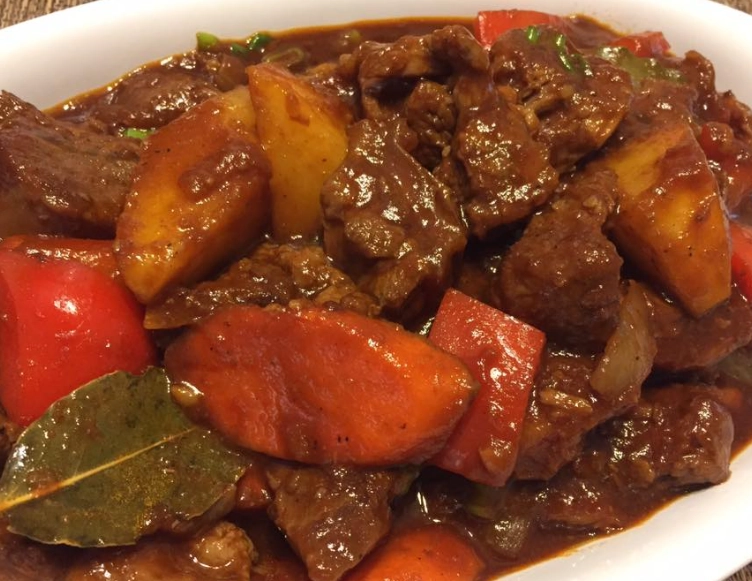
What Is Mechado, Really? A Quick Bite of History
Before we chop anything, let's clear up what makes a Filipino beef stew mechado special. The name is a clue. It comes from the Spanish word "mecha," meaning wick or fuse. Back in the day, butchers would often insert a strip of pork fat (like a wick) into a lean cut of beef to keep it moist and flavorful during the long cooking process. That's the classic technique.
These days, finding beef cuts pre-larded like that is rare. So, the modern mechado recipe has evolved. The "wick" is often omitted, but the soul of the dish remains: tough, flavorful cuts of beef braised low and slow in a tangy-savory sauce of tomatoes, soy sauce, and citrus until they surrender into utter tenderness.
It's a Sunday lunch staple, a fiesta centerpiece, and the ultimate comfort food. It's also distinctly different from other Filipino stews like Kaldereta (which often uses goat meat and has a liver sauce/cheese element) or Afritada (which is usually pork or chicken with a lighter tomato sauce and added vegetables like bell peppers and peas). Mechado is all about the beef and that deep, complex sauce.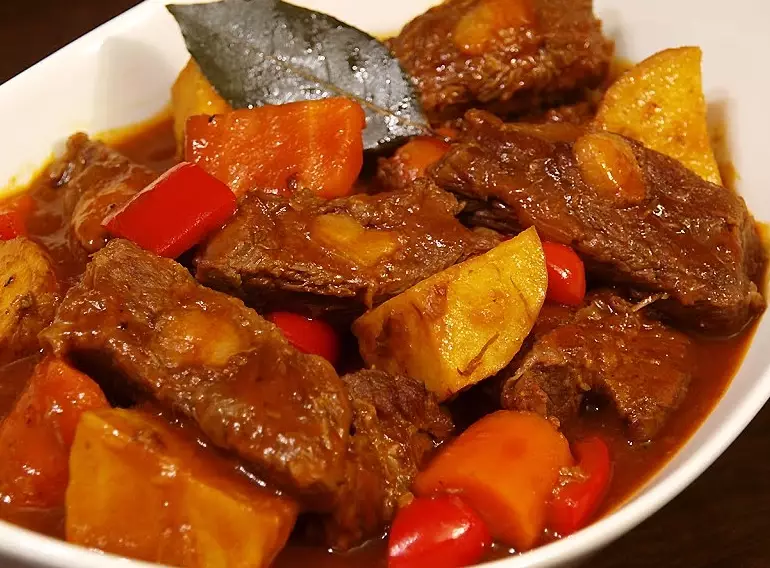
The Core Flavor Profile: Savory (from soy sauce and beef), tangy (from tomatoes and calamansi/lemon), slightly sweet (from the slow-cooked onions and sometimes a touch of sugar), with a beautiful sheen from the rendered fat. It's a harmony, not a single loud note.
The Mechado Toolkit: Ingredients That Make or Break Your Stew
You can't build a great house with weak bricks. Same goes for your authentic mechado filipino recipe. Let's talk ingredients, and why each one is non-negotiable.
The Non-Negotiables (The Holy Trinity of Mechado)
- Beef: This is the star. You need a cut with connective tissue and marbling that will break down and become gelatinous and tender. Chuck roast, beef brisket, or round are perfect. Forget filet mignon or sirloin—they'll just turn tough and dry. I'm a chuck roast guy. It's forgiving and flavorful.
- Soy Sauce: Use a good quality, naturally brewed soy sauce. It's not just for saltiness; it adds depth and color. The cheap, overly salty ones can throw off the balance.
- Tomatoes: The acid is crucial. We use both tomato sauce (for body and concentrated flavor) and fresh tomatoes or tomato paste (for brightness). Some recipes swear by using only fresh, but a combination, in my opinion, gives the best rounded flavor.
Now, about that beef choice. It's the biggest decision you'll make. Get it wrong, and you're in for a chewy, disappointing meal no matter how long you cook it.
| Beef Cut | Best For Mechado? | Why It Works (or Doesn't) | Personal Experience |
|---|---|---|---|
| Chuck Roast / Chuck Eye | TOP CHOICE | Perfect marbling and connective tissue. Shreds beautifully after braising. Rich flavor. | My go-to. Never fails. Forgiving even if you simmer a bit less. |
| Beef Brisket (point or flat) | Excellent | Extremely flavorful, lots of collagen. Becomes incredibly tender and moist. | Takes longer to break down but the reward is immense. Can be pricier. |
| Beef Round / Bottom Round | Good (Budget Option) | Leaner, less fat. It will tenderize but can dry out if not watched carefully. | I've used it when chuck was expensive. You MUST cook it long enough, and the sauce might be slightly less rich. |
| Beef Shank / Osso Buco | Great (Bonus Points) | The bone marrow melts into the sauce, making it unbelievably rich and luxurious. | A special occasion choice. The marrow is a game-changer for sauce lovers. |
| Sirloin, Tenderloin, Ribeye | AVOID | Too lean, too expensive for stewing. Will become tough and chewy with long cooking. | A mistake I made early on. Wasted good steak. Don't be like me. |
See the pattern? Fat and connective tissue are your friends. They transform during the slow cook from chewy to silky, enriching the entire dish.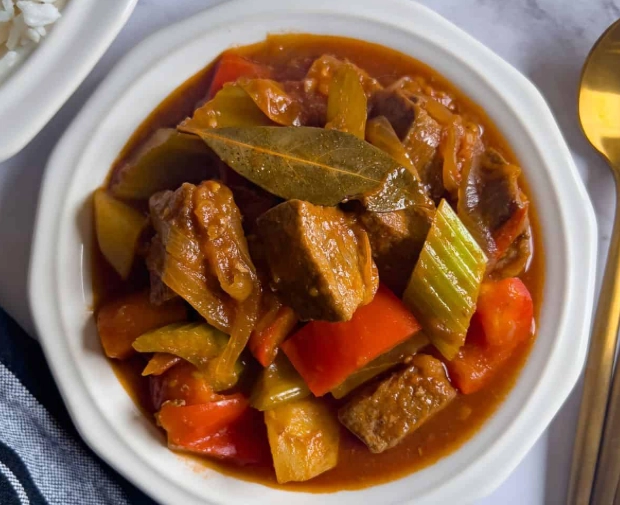
Pro Tip from the Turo-Turo: Ask your butcher for "beef for stew" or "beef for mechado." They'll often point you to the right cut, already cubed. If you're in the Philippines or have access to a Filipino market, look for "beef kasim" (shoulder) or "beef punta y pecho" (brisket). The Philippine Department of Agriculture even has guides on local beef cuts, which can be helpful for sourcing.
The Supporting Cast (Don't You Dare Skip These)
- Potatoes & Carrots: They soak up the glorious sauce and add sweetness. Cut them big so they don't disintegrate.
- Onions & Garlic: The aromatic base. Sautéing them properly is step one to building flavor.
- Bay Leaves (Laurel): That subtle, earthy background note. Use the real dried ones.
- Calamansi or Lemon: The final splash of bright acidity that wakes up all the other flavors. Bottled calamansi juice works in a pinch, but fresh is magic.
- Fish Sauce (Patis) - The Secret Weapon: Just a teaspoon or two, added with the soy sauce. It doesn't make it taste fishy; it adds a deep, savory umami layer that makes people ask, "What's in this? It's so good!" Try it.
Some people add bell peppers or green peas at the end. That's more of an Afritada move, but hey, your kitchen, your rules. For a purist mechado filipino recipe, I stick to potatoes and carrots.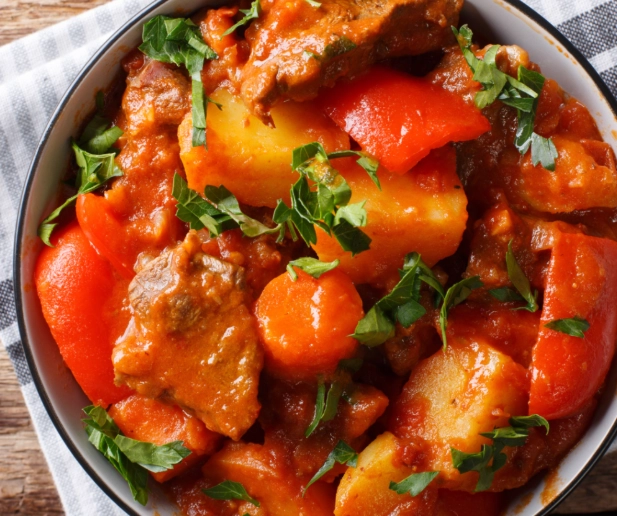
Step-by-Step: Your Roadmap to Mechado Perfection
Alright, let's cook. This isn't a 30-minute meal. Good mechado takes time, but most of it is hands-off simmering. Plan for at least 2 to 2.5 hours.
Step 1: The Prep & The Sear (The Foundation of Flavor)
Cut your beef into 1.5 to 2-inch cubes. Pat them bone-dry with paper towels. This is critical. Wet meat steams; dry meat sears. Season generously with salt and pepper.
Heat a couple of tablespoons of oil in a heavy-bottomed pot or Dutch oven over medium-high heat. Don't crowd the pan—sear the beef in batches until you get a nice, deep brown crust on all sides. This isn't just for looks. That browning (the Maillard reaction) creates a ton of complex flavor that will infuse the entire stew. Don't rush this step. It might take 10-15 minutes total. Transfer the seared beef to a plate.
I used to skip proper searing to save time. Big mistake. The stew tasted flat and one-dimensional. Now, I never do. The difference in the final sauce's depth is night and day.
Step 2: Building the Sauce (Where the Magic Happens)
In the same pot, lower the heat to medium. You'll have those lovely browned bits (fond) stuck to the bottom. That's liquid gold. Add a bit more oil if needed, then sauté your onions until soft, followed by the garlic until fragrant (about 30 seconds—don't let it burn!).
Now, add your tomato sauce and/or tomato paste. Let it cook for a minute or two, stirring and scraping up all those browned bits from the bottom. This "cooks out" the raw tomato taste and caramelizes it slightly. Pour in your liquid—water is traditional, but using a good beef broth will add another layer of flavor. Some folks even use a bit of pineapple juice for a subtle sweetness.
Then, the seasonings.
Add the soy sauce, fish sauce (trust me), bay leaves, and a whole black peppercorn or two. Stir it all together. This is your braising liquid. Taste it now—it should be quite strong and salty. That's okay. The beef and potatoes will absorb a lot of that seasoning, and the liquid will reduce.
Step 3: The Long, Slow Simmer (Patience is a Virtue)
Return the seared beef (and any juices) to the pot. Bring it to a boil, then immediately reduce the heat to the lowest possible setting. You want a bare simmer—just a few lazy bubbles breaking the surface. Cover the pot tightly.
Now, you wait. Let it simmer for about 1.5 hours. Check occasionally to make sure it's not boiling vigorously and that there's enough liquid (add a splash of hot water if it looks dry).
Common Mistake Alert: Boiling the stew hard. This will make the beef tough and stringy, no matter how long you cook it. Low and slow is the only way to melt the collagen into gelatin properly.
After 1.5 hours, test a piece of beef. It should be starting to yield but not yet fork-tender. Now add your potatoes and carrots. Submerge them in the liquid as best you can. Cover and continue simmering for another 30-45 minutes, or until both the beef and vegetables are perfectly tender.
Step 4: The Final Touch & Serving (The Grand Finale)
Once everything is tender, uncover the pot. If the sauce is too thin, you can turn up the heat a bit and let it reduce and thicken to your liking. Some people like a thinner, soupier sauce; I prefer mine to coat the back of a spoon.
Turn off the heat.
This is the most important step. Squeeze in the juice of 2-3 calamansi or half a lemon. Stir it in. This bright acidity is what balances the rich, savory, fatty stew. Taste and adjust seasoning with a final pinch of salt or a tiny dash of soy sauce if needed.
Serve it steaming hot over a mountain of white rice. The classic pairing.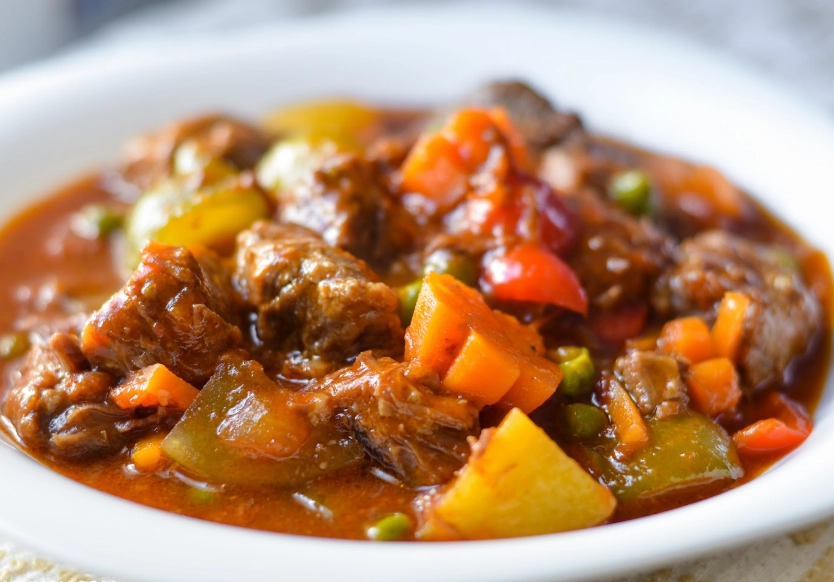
Mechado FAQs: Answering Your Burning Questions
Can I make mechado in a pressure cooker or Instant Pot?
Absolutely! It cuts the time down drastically. Sear the beef using the sauté function. Add all ingredients except the potatoes and carrots. Pressure cook on high for 35-40 minutes for chuck roast. Do a quick release, add the veggies, then pressure cook again for 4-5 minutes. The flavor won't be quite as deep and developed as an all-day simmer, but it's a fantastic 90% solution for a weekday.
My sauce is too thin / too thick. Help!
Too thin: Uncover the pot at the end and simmer vigorously to reduce and concentrate the sauce. You can also make a quick cornstarch slurry (1 tsp cornstarch + 1 tbsp cold water) and stir it in while simmering.
Too thick: Simply add hot water or broth, a quarter cup at a time, until it reaches your desired consistency.
Can I use pork or chicken instead?
Technically, then it's not mechado. It becomes another dish like Pork Menudo or Chicken Afritada. The core of a traditional mechado filipino recipe is beef. That said, the braising method with a tomato-soy-citrus sauce works wonderfully with pork shoulder (cook time would be less).
How do I store and reheat leftovers?
Mechado tastes even better the next day! Store in an airtight container in the fridge for up to 4 days. Reheat gently on the stovetop, adding a splash of water if needed. It also freezes beautifully for up to 3 months. Thaw overnight in the fridge before reheating.
What's the difference between Mechado and Kaldereta?
Great question, they look similar! Kaldereta often uses goat meat (or beef) and has a defining ingredient: liver spread (or mashed liver) and/or grated cheese (like cheddar or Eden) blended into the sauce, giving it a richer, denser, slightly grainy texture and a unique flavor. Mechado's sauce is cleaner, focusing on the tomato-soy-citrus trio. The National Commission for Culture and the Arts of the Philippines has resources on regional Filipino dishes that sometimes delve into these distinctions.
Taking Your Mechado to the Next Level (Pro Moves)
Once you've mastered the basic filipino beef stew mechado, play around.
- The Fat: Use a mixture of cooking oil and a spoonful of rendered pork lard (mantika) to sauté. The flavor is incredible.
- The Tomatoes: Try using a can of whole San Marzano tomatoes, crushed by hand, instead of plain tomato sauce for a brighter, fruitier note.
- The Booze (Optional): A splash of red wine or even a Filipino beer (like San Miguel) deglazed after sautéing the onions and garlic adds wonderful complexity.
- The Sweetness: A small piece of banana (saba) or a teaspoon of brown sugar added with the soy sauce can round out the acidity for some palates.
The beauty of a dish like this is its flexibility within a framework. The framework is the sear, the tomato-soy-citrus base, and the long braise. The rest is your canvas.
So there you have it. Not just a list of ingredients and steps, but the why behind each part of a true mechado filipino recipe. It's a labor of love, but one that feeds the soul as much as the body. The first time you taste that perfectly tender beef and that balanced, savory-tangy sauce, you'll know the time was worth it.
Now go cook. And don't forget the rice.