In This Guide
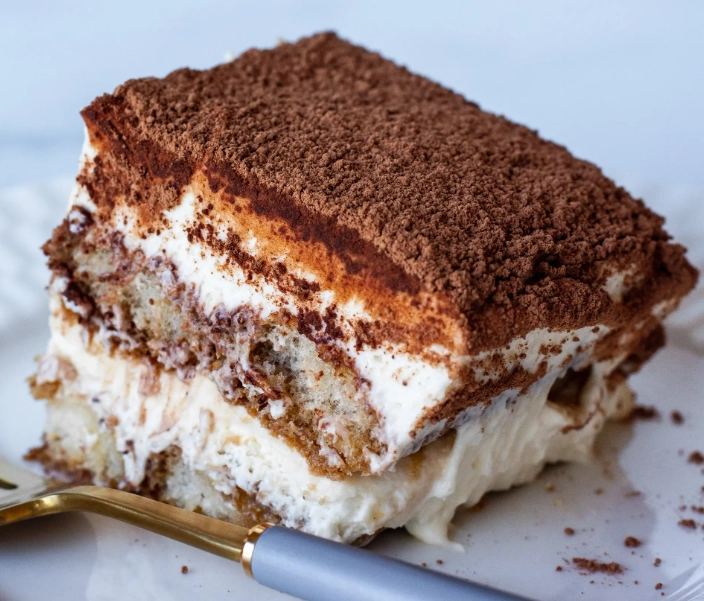
Let's talk about tiramisu. You know, that cloud-like Italian dessert that seems to show up at every nice restaurant and family gathering. It looks fancy, tastes incredible, but here's the secret – it's actually not that hard to make at home. I mean, the first time I tried, I was nervous. Would it be too boozy? Would the layers hold? But after a few tries (and one minor disaster involving soggy ladyfingers), I cracked the code. This isn't just another recipe. It's a down-to-earth guide to making a tiramisu that'll have your friends thinking you trained in a Venetian pasticceria.
The name itself is a clue. "Tirami sù" literally means "pick me up" or "cheer me up" in Italian. And it does just that. Coffee, creamy mascarpone, a hint of booze – it's a mood in a dish. But the versions you sometimes get? They can be disappointing. Too sweet, too dense, tasting more of cheap liquor than coffee. We're not doing that. We're going for the classic, the authentic version that balances bitter, sweet, and creamy in every perfect bite.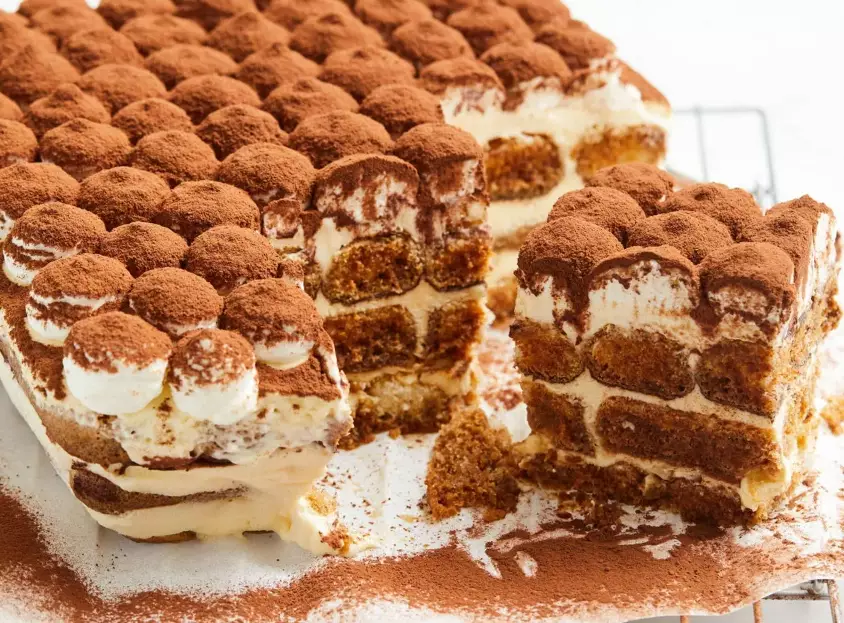
So, what makes this tiramisu recipe different? It focuses on technique and quality ingredients over complicated steps. No fancy equipment needed, just a bit of patience and attention to detail. Whether you're a baking newbie or a seasoned cook looking to perfect your classic Italian dessert game, this guide is for you.
Before You Whisk: The Heart and Soul of Tiramisu
You can't build a great house without good bricks, and you can't make great tiramisu without understanding its parts. Every ingredient has a role. Skimp or substitute carelessly, and the whole thing falls apart. Figuratively, of course. It'll probably still be edible, but it won't be tiramisu.
The Non-Negotiables: Your Shopping List
- Mascarpone Cheese: This is the star. It's not cream cheese, though they look similar. Mascarpone is an Italian cream cheese, but it's richer, milder, and less tangy. It has a higher fat content, which gives tiramisu its signature luxurious mouthfeel. Using full-fat is non-negotiable for texture. I've tried lower-fat versions, and the filling just doesn't set right – it can become weepy and loose.
- Ladyfingers (Savoiardi): These dry, sponge-like biscuits are the foundation. Their porous texture is designed to soak up the coffee mixture without disintegrating into mush. You want the dry, crunchy kind from the supermarket bakery aisle, not the soft, cake-like ones. The brand matters less than the texture.
- Espresso or Very Strong Coffee: This is the "pick me up." Instant coffee can work in a pinch if you make it double-strength, but for the deepest flavor, freshly brewed espresso or strong filter coffee is best. The quality of your coffee directly impacts the flavor of the final dessert. Cold brew concentrate is another great option.
- Eggs: Traditional tiramisu recipes use raw eggs. They are what create the light, airy zabaglione base for the cream. This worries some people, and we'll talk about alternatives, but for the authentic texture, they're key. You MUST use the freshest, highest-quality eggs you can find if going this route.
- Sugar: Fine, white granulated sugar dissolves best into the egg mixture. Some recipes use confectioners' sugar in the cream, but I find granulated works perfectly.
- Alcohol (Traditionally Marsala Wine): Marsala is a fortified wine from Sicily that adds a unique, caramel-like depth. If you can't find it, dark rum, coffee liqueur like Kahlúa, or even a splash of brandy are common and delicious substitutes. The alcohol is optional but highly recommended for authentic flavor.
- Unsweetened Cocoa Powder: For dusting on top. A high-quality, dark cocoa powder (like Dutch-processed) makes a world of difference compared to the generic stuff. It provides the final bitter note that cuts through the sweetness.
See? Not a huge list. But each one is crucial. I remember once trying to use ricotta instead of mascarpone because it was cheaper. Big mistake. The texture was grainy, and the flavor was completely wrong. Lesson learned: some corners you just don't cut.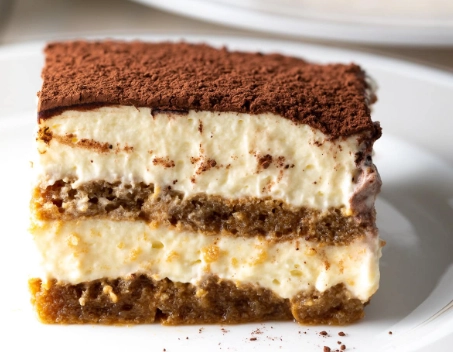
The Great Egg Debate: Raw vs. Cooked vs. None
This is the biggest question and potential hurdle for people wanting to make a classic tiramisu recipe. Let's break it down.
| Method | How It Works | Texture & Flavor | Best For |
|---|---|---|---|
| Raw Eggs (Classic) | Egg yolks and whites are beaten with sugar separately, then folded into mascarpone. | Lightest, airiest, most authentic texture. Rich flavor. | Purists, those using verified fresh eggs from a trusted source. |
| Cooked Zabaglione | Egg yolks and sugar are whisked over a double boiler until hot and frothy, then cooled. | Very similar to classic, slightly denser. Safe for everyone. | Anyone concerned about raw eggs; families with kids, pregnant individuals. |
| Eggless / Stabilized Cream | Heavy cream is whipped and folded into sweetened mascarpone, sometimes with gelatin. | Firm, very rich, more like a mousse. Less complex flavor. | Vegetarians, those with egg allergies, or anyone avoiding raw eggs entirely. |
For the authentic experience, I prefer the cooked zabaglione method. It gives you 95% of the classic texture with zero worry. The FDA provides clear guidelines on egg safety, and cooking the yolks eliminates any risk. It adds one more step, but it's a simple one and totally worth it for peace of mind.
Can you make tiramisu without eggs at all? Absolutely. You'll whip heavy cream to stiff peaks and fold it into sweetened mascarpone. It's denser and richer, almost like a cheesecake mousse. Still delicious, but a different dessert in my book.
The Step-by-Step: No More Guesswork
Alright, ingredients are assembled. Let's make this thing. I'll walk you through the cooked zabaglione method, as it's my go-to for a worry-free, fantastic result. Clear some space in your fridge – patience is the final, secret ingredient.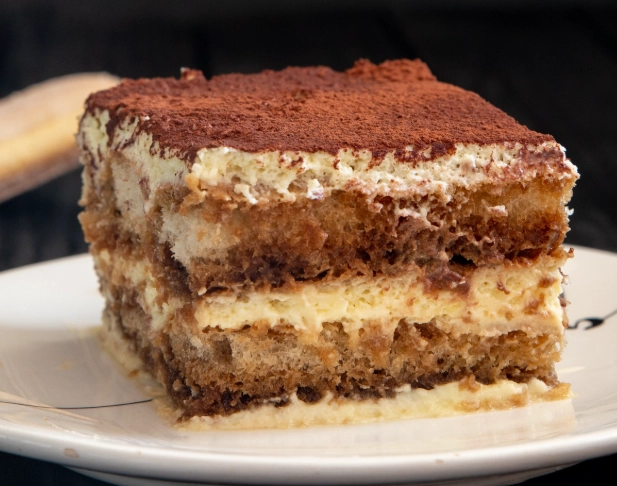
Part 1: Brewing the Dip
First, get your coffee station ready. Brew about 1.5 cups of strong espresso or coffee. Let it cool to room temperature. If it's hot, it'll melt the cream layers later. Once cooled, pour it into a wide, shallow bowl – a pie dish or soup plate is perfect. This gives you space to quickly dip the ladyfingers.
Stir in your alcohol of choice. For Marsala or a dark rum, 3-4 tablespoons is a good start. For a stronger liqueur like Kahlúa, maybe 2 tablespoons. Taste it. It should taste like strong, sweetened coffee with a warm kick, not like a shot of liquor. You can adjust to your liking. No alcohol? Use all coffee, maybe with a drop of vanilla extract for complexity.
Pro Tip: Some recipes add sugar to the coffee dip. I don't. The ladyfingers are already sweetened, and the cream is very sweet. Adding more sugar to the coffee can make the whole dessert cloying. The bitter coffee contrast is essential.
Part 2: The Magical Cream (Zabaglione & Mascarpone)
This is where the magic happens. Separate 4 large eggs. Put the whites in a very clean, grease-free bowl (even a speck of yolk can prevent them from whipping). Set them aside for now.
In a heatproof bowl that can sit over a saucepan, combine the 4 egg yolks and 1/2 cup of granulated sugar. Whisk them together until pale and creamy. Now, place the bowl over a saucepan of gently simmering water (double boiler style), making sure the bottom of the bowl doesn't touch the water. Keep whisking. Constantly. For about 5-8 minutes.
You're looking for the mixture to become thick, pale, and hot to the touch. It should leave a ribbon trail on the surface when you lift the whisk. This is your cooked zabaglione. It kills any bacteria and creates a stable, custardy base. Take it off the heat and let it cool slightly while you deal with the other components.
In a large bowl, beat the 16 oz (about 450g) of mascarpone with a spatula just until smooth and creamy. Don't overbeat it or it can split and become grainy. Just loosen it up. Now, gently fold the slightly cooled yolk mixture into the mascarpone until fully combined. No streaks.
Back to those egg whites. Add a tiny pinch of salt and beat them with clean beaters until they form stiff, glossy peaks. Think: you can turn the bowl upside down and they won't move. Gently, gently fold the egg whites into the mascarpone-yolk mixture. Use a big cutting-and-folding motion to keep all that air in. This is what gives the cream its cloud-like lift.
Watch Out: Overmixing after adding the egg whites is the #1 reason for a dense, heavy tiramisu cream. Fold just until no white streaks remain. A few small streaks are better than overworking it.
Part 3: The Assembly Line (The Fun Part)
Get your dish. A 9x9 inch square dish or a similar-sized rectangular one works perfectly. Have your bowl of coffee mixture, your plate of ladyfingers, and your bowl of cream all lined up.
Quickly dip each ladyfinger into the coffee mixture. I mean quickly – one second per side, max. They are like sponges and will suck up the liquid instantly. If you leave them in, they'll get soggy, fall apart, and make your tiramisu layer mushy. Place them in a single, tight layer in the bottom of your dish. You might need to break a few to fill gaps.
Spread half of your beautiful cream mixture over the ladyfinger layer. Smooth it out gently.
Repeat: another layer of quickly-dipped ladyfingers, then the remaining cream.
Now, cover the top with plastic wrap pressed directly onto the surface of the cream (this prevents a skin from forming). Refrigerate. For at least 6 hours, but ideally overnight. This is non-negotiable. The tiramisu needs this time for the flavors to marry, the coffee to soak through the ladyfingers completely, and for everything to set into sliceable layers.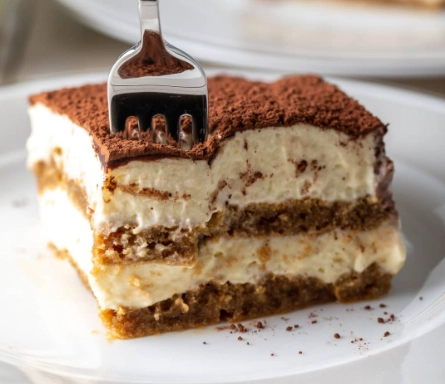
The waiting is the hardest part.
Part 4: The Grand Finale
Right before serving, remove the plastic wrap. Using a fine-mesh sieve, dust the top generously with unsweetened cocoa powder. Do this at the last minute, or the moisture from the cream will make the cocoa blotchy.
Slice with a sharp knife dipped in hot water for clean cuts. Serve cold.
Navigating the World of Tiramisu Variations
The classic tiramisu recipe is perfect, but that doesn't mean you can't play around. Once you've mastered the base, the world is your oyster. Or your coffee-soaked dessert.
The No-Booze Version: Super simple. Just omit the alcohol from the coffee dip. The dessert will still be fantastic. You can add a teaspoon of vanilla extract to the coffee for a flavor boost if you like.
The Decaf/No-Coffee Version: Yes, it exists! Use a strong brew of decaf coffee. Or, for a completely different twist, try dipping the ladyfingers in a mixture of strong black tea (like Earl Grey) or even a thinned fruit puree. It won't be traditional tiramisu, but it can be a delicious layered dessert inspired by it.
Fruit-Forward Twists: Adding a layer of berries (raspberries, strawberries) between the cream and ladyfingers is a popular summer variation. The tartness of the berries cuts the richness beautifully.
Chocolate Lover's Dream: Add a layer of finely chopped dark chocolate or chocolate shavings between the layers. You can even add a tablespoon of cocoa powder to the cream mixture for a double-chocolate hit.
The "I Have No Time" Hack: Use the eggless method with whipped cream. It comes together in 20 minutes. It's not the same, but it's a credible and very tasty weeknight dessert. Sometimes, that's exactly what you need.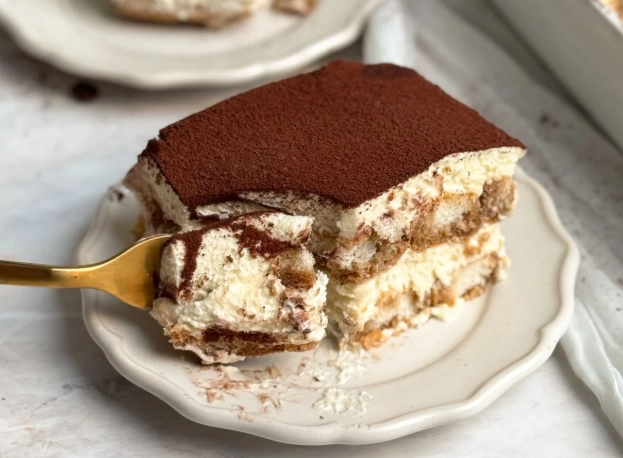
Your Tiramisu Troubleshooting Handbook
Things don't always go perfectly. Here are solutions to the most common problems I've encountered (or caused myself).
Problem: My tiramisu is runny and won't set.
Likely Cause: The cream wasn't thick enough before assembly, or the ladyfingers were soaked for too long and released too much liquid. Also, not chilling long enough.
Fix: Make sure your egg whites are whipped to very stiff peaks. Chill for a full 24 hours. If it's still soupy, it might be a lost cause for neat slices, but it will still taste amazing served in bowls!
Problem: The layers are mushy.
Likely Cause: Over-soaked ladyfingers. That one-second dip is real.
Fix: Next time, be quicker. You can also try brushing the coffee onto the ladyfingers with a pastry brush for more control.
Problem: The mascarpone cream is grainy or lumpy.
Likely Cause: Overbeating the mascarpone, or adding cold ingredients to the warm zabaglione too quickly, causing it to seize.
Fix: Ensure all ingredients are at similar cool room temperatures before mixing. Beat the mascarpone only until smooth.
Problem: It tastes too eggy.
Likely Cause: The egg flavor wasn't cooked out enough in the zabaglione stage, or the eggs themselves weren't super fresh.
Fix: Cook the yolk-sugar mixture over the double boiler until it's quite hot (160°F/71°C if you have a thermometer) to neutralize the eggy taste.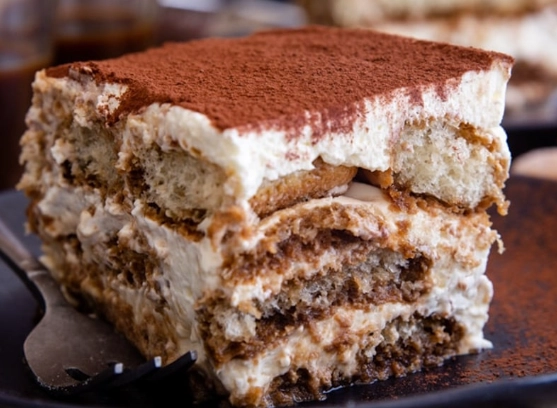
Answering Your Burning Tiramisu Questions
A Slice of History: Where Did This Come From?
No one knows for sure, which is part of the fun. Several Italian regions claim its invention in the 1960s or 70s. One popular story places its birth in the Veneto region, at a restaurant called "Le Beccherie" in Treviso. Another theory suggests it evolved from similar "zuppa inglese" (English trifle) style desserts enjoyed by households in the region. What's clear is that it perfectly encapsulates post-war Italian ingenuity: simple, available ingredients transformed into something luxurious. Its popularity exploded globally in the 1980s, and it's now a staple of Italian dessert menus worldwide. For a broader look at how Italian cuisine evolved, institutions like BBC Good Food's Italian collection provide context, though their specific recipe may differ.
So there you have it. More than just a tiramisu recipe, it's a blueprint for understanding a classic. It's about the balance of bitter and sweet, the importance of texture, and the magic that happens with simple ingredients and a little care. Don't be intimidated. Get some good coffee, find some fresh mascarpone, and give it a go. Your first attempt might not be picture-perfect, but I bet it'll be delicious. And the next one will be even better. After all, the best tiramisu recipe is the one you make, share, and enjoy. Now, if you'll excuse me, all this writing has made me crave a slice. I think I have just enough mascarpone left in the fridge...