Croque Madame is that French sandwich you order at a café and think, "I could never make this at home." But you can. It's easier than it looks, and once you get the béchamel sauce right, the rest is a breeze. I've made this dozens of times, from messy first attempts to now where it's my go-to brunch showstopper. Let's break it down.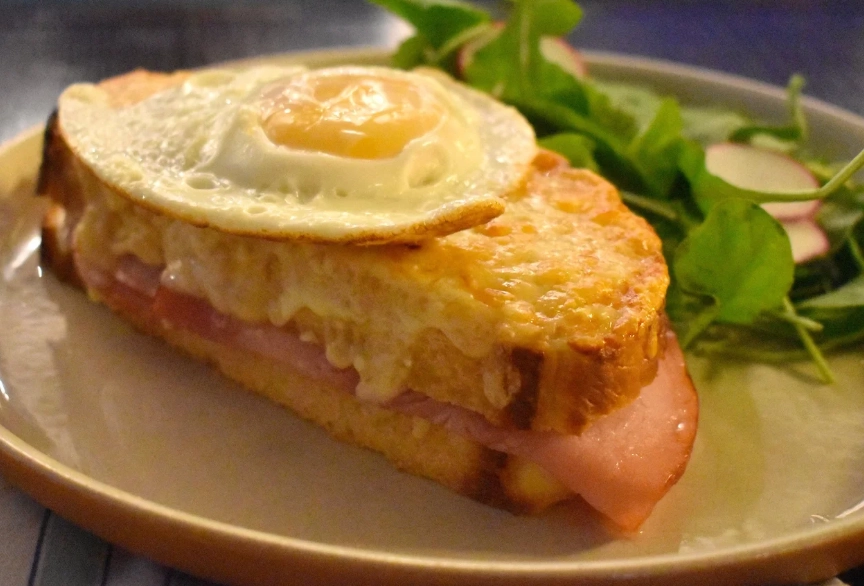
Jump to Your Favorite Part
What is a Croque Madame?
Croque Madame is essentially a grilled ham and cheese sandwich, but Frenchified with a creamy béchamel sauce and a fried egg on top. The name comes from the French verb "croquer" (to crunch) and "madame" referring to the egg, which supposedly resembles a lady's hat. It's a staple in Parisian brasseries, often served for lunch or brunch.
I first had it in a tiny café near Montmartre. The sandwich was oozy, rich, and surprisingly balanced. Back home, I tried replicating it and failed—the béchamel was gluey, the bread soggy. But after tweaking, I found the sweet spot. According to the French Culinary Institute's guides on classic French sandwiches, the traditional version uses Gruyère cheese for its superior melting, but don't stress if you can't find it.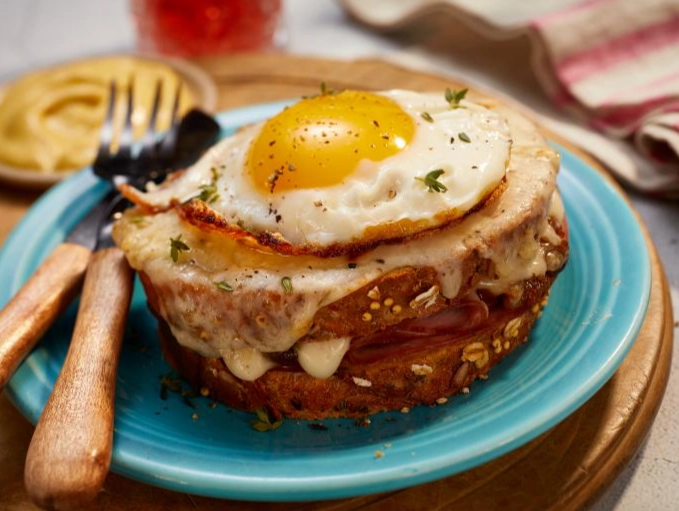
Ingredients You'll Need
You don't need fancy stuff. Here's what I use for two sandwiches:
- Bread: 4 slices of good-quality white bread, like brioche or sourdough. Stale bread works better—it soaks up the sauce without falling apart.
- Ham: 4 slices of cooked ham, preferably thick-cut. Avoid honey-glazed ham; it can make the sandwich too sweet.
- Cheese: 1 cup grated Gruyère. If unavailable, Emmental or a sharp cheddar does the job. I've tried Brie once, and it was a mess—too runny.
- For the béchamel sauce: 2 tablespoons unsalted butter, 2 tablespoons all-purpose flour, 1 cup whole milk, a pinch of nutmeg, salt, and pepper.
- For the egg: 2 eggs, cooked sunny-side up or over-easy. Fresh eggs are key for that runny yolk.
- Extras: Butter for grilling, Dijon mustard (optional, but adds a tang).
Some recipes call for topping with more cheese or broiling, but I stick to the basics. It's rich enough as is.
Step-by-Step Cooking Instructions
This isn't a rush job. Take your time, especially with the sauce.
Making the Béchamel Sauce
Melt the butter in a saucepan over medium heat. Add the flour and whisk constantly for about a minute—until it smells nutty. This cooks out the raw flour taste, which is a common slip-up. Gradually pour in the milk, whisking like your life depends on it. No lumps allowed. Keep whisking until it thickens, about 3-4 minutes. Stir in nutmeg, salt, and pepper. Remove from heat. It should coat the back of a spoon. If it's too thick, add a splash more milk.
I've seen people dump all the milk at once. Don't. You'll get lumps, and fixing them is a pain.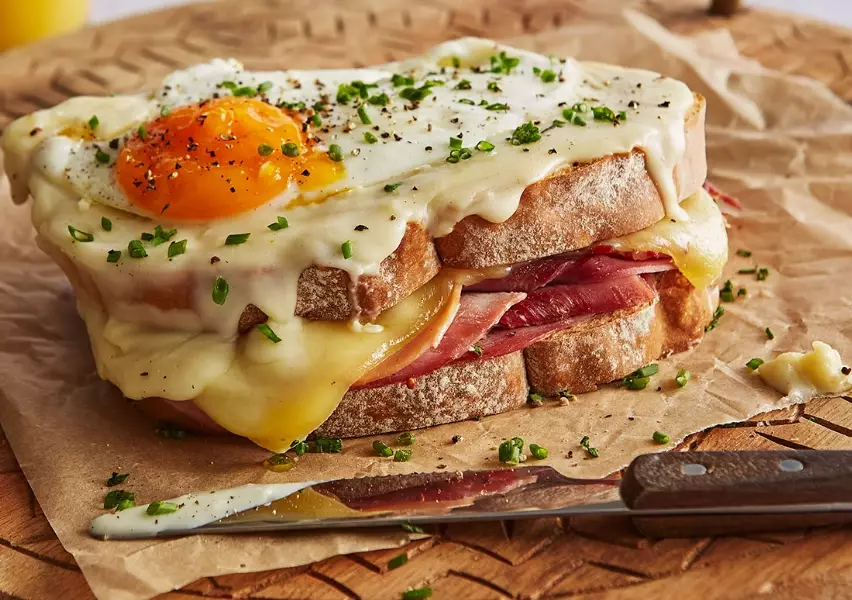
Assembling the Sandwich
Spread a thin layer of Dijon mustard on two bread slices if you like. Layer ham and half the grated cheese on each. Top with the other bread slice. Now, spread a generous amount of béchamel on the top of each sandwich. Sprinkle the remaining cheese over the sauce.
Heat a skillet or griddle over medium heat. Butter the outside of the sandwiches lightly. Place them béchamel-side up in the skillet. Cook for 3-4 minutes until the bottom is golden brown. Carefully flip and cook the other side for another 3 minutes. The cheese should be melted.
Alternatively, you can bake them. Preheat oven to 400°F (200°C), place sandwiches on a baking sheet, and bake for 10 minutes until bubbly. But I prefer the skillet method—it gives a better crust.
Cooking the Egg
While the sandwiches cook, fry the eggs in a separate pan. Use medium heat, and don't overcook. You want the yolk runny to seep into the sandwich. Season with salt and pepper.
Place a fried egg on top of each sandwich right before serving. That's it.
Pro move: Let the béchamel cool slightly before spreading. If it's too hot, it can make the bread soggy. I learned this the hard way after a few failed batches.
Common Mistakes to Avoid
Based on my flops and feedback from other home cooks, here's what to watch out for:
- Using fresh bread: It absorbs too much moisture. Toast it lightly or use day-old bread.
- Rushing the béchamel: If you don't cook the roux enough, the sauce tastes floury. If you add milk too fast, it lumps. Patience is key.
- Overloading the sandwich: Too much ham or cheese can make it hard to cook evenly. Keep layers thin.
- Skipping the egg: The egg isn't just garnish—it adds moisture. Without it, the sandwich can be dry.
Some people complain Croque Madame is too heavy. It can be if you use heavy cream in the béchamel. Stick to milk, and it's balanced.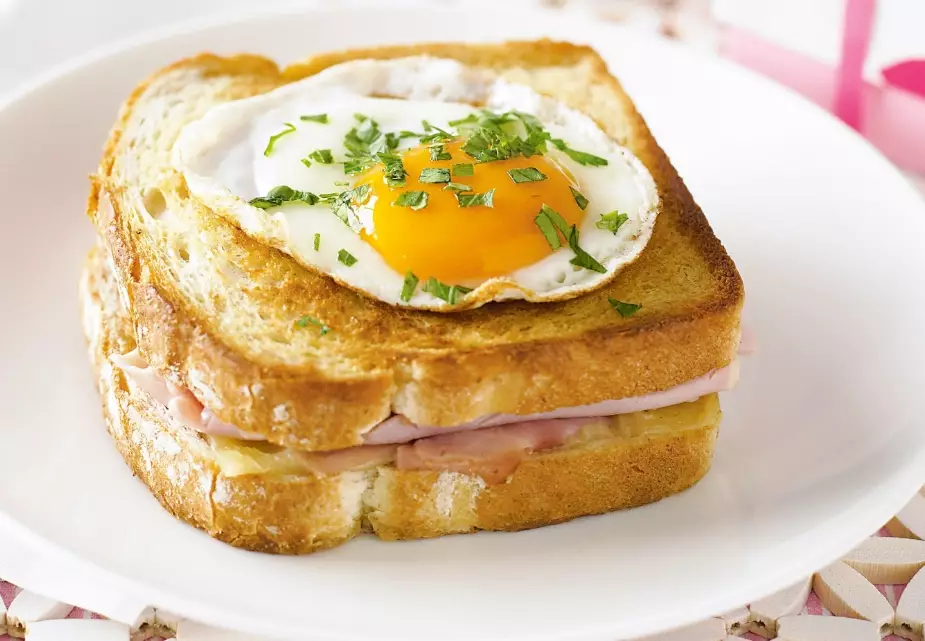
Expert Tips for the Best Results
After years of making this, here are my non-negotiable tips:
- Cheese choice matters: Gruyère melts smoothly, but if you're on a budget, a mix of mozzarella and parmesan works. Avoid pre-shredded cheese—it has anti-caking agents that affect melting.
- Control the heat: Cook sandwiches on medium, not high. High heat burns the bread before the cheese melts.
- Make it ahead: For parties, assemble sandwiches without the egg and refrigerate. Bake just before serving. The béchamel can be made a day ahead and reheated gently.
- Experiment with bread: Brioche adds sweetness, sourdough gives tang. I prefer sourdough for its structure.
According to a report by the International Association of Culinary Professionals, béchamel-based dishes like Croque Madame benefit from resting a minute after cooking to let flavors meld. I agree—waiting 2 minutes makes a difference.
Watch out: If the béchamel splits or looks oily, you've overheated it. Start over or whisk in a spoonful of cold milk to rescue it. I've had to do this more than once.
Frequently Asked Questions
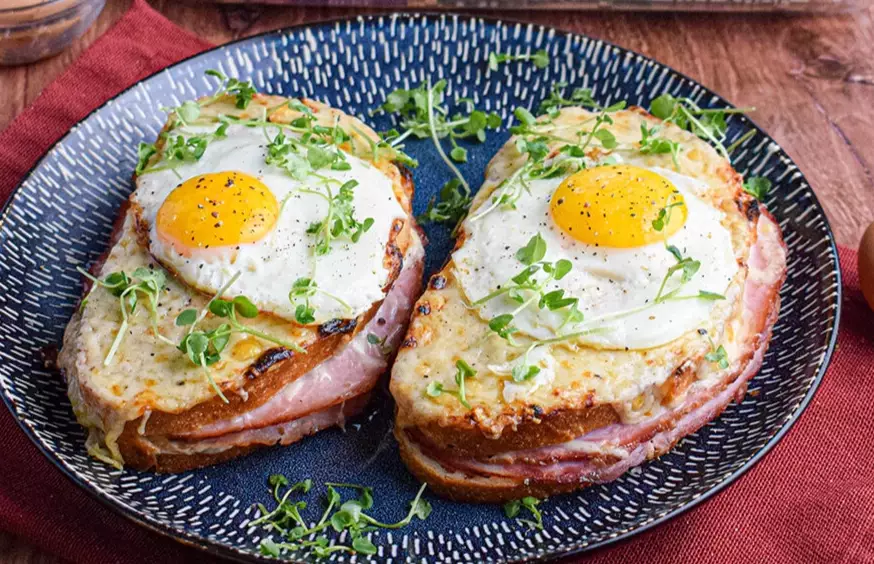 Croque Madame might seem fancy, but it's just a sandwich done right. With these steps, you'll impress anyone. Give it a try this weekend—you might never order it out again.