Let's be honest. Most hot sauces on the shelf are just vinegar and heat. They lack that deep, funky, alive flavor that makes your taste buds sit up and pay attention. That flavor comes from fermentation, an ancient process that's simpler than you think. I've been fermenting chili peppers for over a decade, and I can tell you the biggest mistake beginners make isn't about sterility—it's about patience and salt. We'll get to that. Making fermented hot sauce at home is a game-changer. It's probiotic, packed with flavor you can customize, and once you start, you'll never look at a bottle of Frank's the same way.
The basic process is straightforward: peppers + salt + time. But the magic is in the details.
Your Fermentation Journey at a Glance
How to Choose Peppers for Your Fermented Hot Sauce
This is where your sauce gets its personality. Don't just grab the first bag of red chilies you see.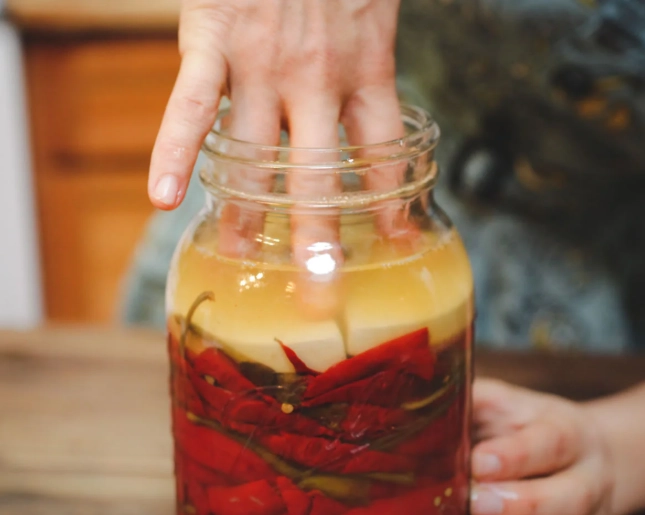
I recommend a mix. Using a single pepper type can be one-dimensional. A blend creates complexity. Think of it like building a flavor base.
The Flavor Builders
Sweet & Fruity Base (60-70%): These form the body. Red jalapeños, fresno, or even bell peppers (for zero heat) are perfect. They ferment into a wonderful sweetness.
The Heat Core (20-30%): This is your heat dial. Serrano for a bright, green heat. Cayenne for a classic, sharp kick. Habanero or scotch bonnet for intense, fruity fire. Handle these with gloves. Really.
The Aromatic Boost (10%): This is the secret weapon. A few cloves of garlic, a quarter of an onion (white or red), or even a carrot for extra sweetness. They add layers of flavor that salt and heat alone can't provide.
Pro Tip from a Messy Lesson: Weigh your peppers after stemming and chopping, not before. The stems and seeds you discard can throw off your salt calculations. I learned this the hard way with a batch that was way too salty.
| Pepper Type | Flavor Profile | Heat Level (Scoville) | Best Paired With |
|---|---|---|---|
| Jalapeño | Grassy, slightly sweet | 2,500 - 8,000 | Garlic, onion, carrot |
| Serrano | Bright, crisp, herbal | 10,000 - 23,000 | Lime zest, cilantro stems |
| Cayenne | Sharp, direct heat | 30,000 - 50,000 | Garlic, tomato, oak aging |
| Habanero | Floral, intensely fruity | 100,000 - 350,000 | Mango, pineapple, peach |
| Fresno | Similar to jalapeño, fruitier | 2,500 - 10,000 | Red bell pepper, garlic |
The Simple Gear You Actually Need
You don't need a fancy setup. My first successful batch was in a cleaned pickle jar.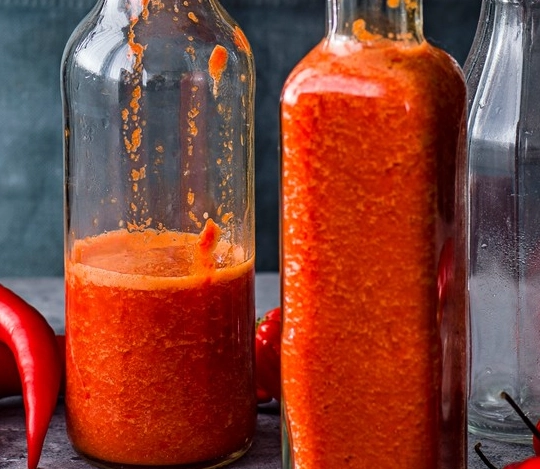
- A Clean Jar: A 1-quart (1-liter) mason jar is ideal for a first batch. Just wash it well with hot soapy water. Sterilizing isn't strictly necessary for fermentation—the salt and acidity create a selective environment—but cleanliness is key.
- Non-Iodized Salt: This is critical. Iodine can inhibit the good bacteria. Use pure sea salt, pickling salt, or kosher salt. Avoid table salt with anti-caking agents if you can.
- Weight & Airlock (The "Set It & Forget It" Upgrade): You need to keep the peppers submerged under the brine to prevent mold. A smaller glass jar filled with water works as a weight. For an airlock, you can loosely screw on the lid and burp it daily, or get a simple fermentation lid with a valve for a few dollars. The airlock is the best $5 you'll spend for worry-free fermenting.
- Gloves & Eye Protection: Seriously. Capsacin oil doesn't wash off easily and can transfer to your eyes. I use cheap disposable nitrile gloves.
The Step-by-Step Fermentation Process
Here's the exact process I follow every time.
1. Prep and Pack the Jar
Chop your peppers and aromatics into rough chunks or slices. Uniform size helps them ferment evenly. Pack them tightly into your clean jar. Don't be gentle—push them down. You want to minimize air pockets.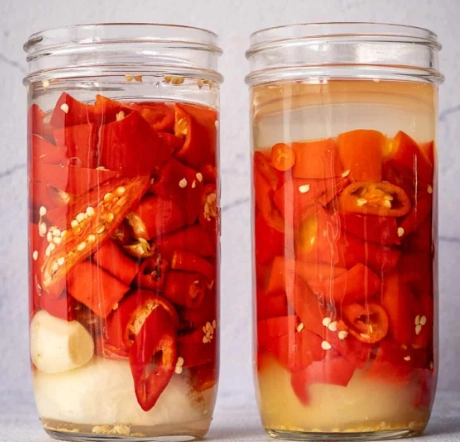
2. Make and Pour the Brine
This is where precision matters. The gold standard brine for vegetable ferments is a 2-3% salt solution by weight. For a beginner, 2.5% is safe and forgiving.
How to calculate? Weigh your empty jar, then weigh it filled with peppers and water to cover them. Subtract the jar weight to get the weight of peppers + water. Multiply that number by 0.025 (for 2.5%). That's how many grams of salt you need.
Example: Peppers + water weigh 800 grams. 800 x 0.025 = 20 grams of salt.
Dissolve the salt in warm water, let it cool to room temperature, then pour it over the peppers until they are completely submerged. Leave about 1 inch of headspace at the top.
The Critical Step: Everything must stay under the brine. Any pepper floating at the top is a mold magnet. Use your weight (a small ziplock bag filled with a little extra brine works in a pinch) to press everything down.
3. Ferment and Wait
Seal your jar with the airlock or a loose lid. Store it at room temperature (65-75°F or 18-24°C is ideal), out of direct sunlight.
Within 2-5 days, you'll see tiny bubbles rising. That's the good bacteria (mainly Lactobacillus) doing their job, producing lactic acid and CO2. This is fermentation in action.
Now, the hard part: wait.
Short ferment (1-2 weeks): Lively, tangy, pepper-forward flavor. Great for green sauces.
Long ferment (1 month+): Deeper, funkier, more complex. The acidity mellows and rounds out. This is where you get those Tabasco-style notes.
Taste a tiny bit with a clean spoon after 1 week, then every few days. It's ready when you like the taste.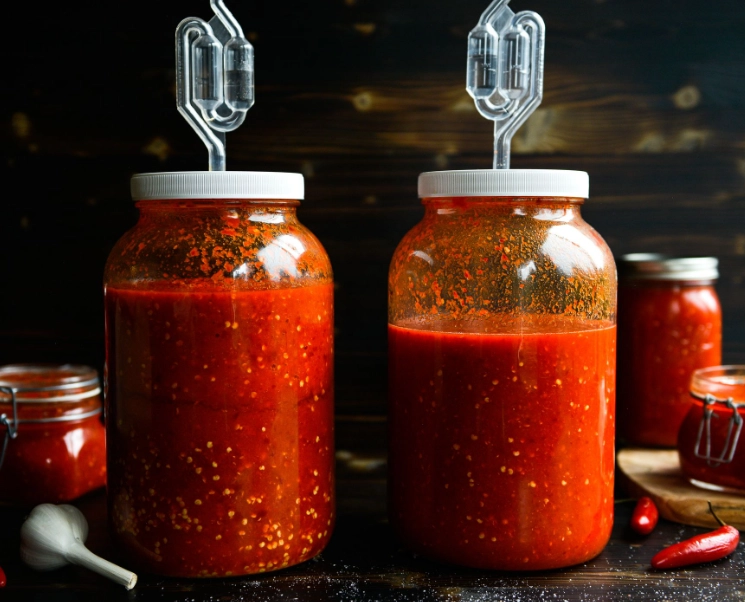
Blending, Flavouring, and Bottling Your Masterpiece
Once fermented, strain the peppers, RESERVING THE BRINE. This brine is liquid gold—salty, tangy, and flavorful.
Throw the peppers into a blender. Add some of the reserved brine. Start with a little—you can always add more. Blend until smooth.
Now, taste and adjust. This is the fun part.
- Too thick? Add more brine or a splash of vinegar.
- Want more tang? Add a tablespoon of white wine or apple cider vinegar.
- Want sweetness? Blend in a bit of fresh mango, pineapple, or a teaspoon of honey.
- Too spicy? Add a roasted carrot or a bit more vinegar. You can't remove heat, only balance it.
For a super-smooth sauce, strain through a fine mesh sieve, pressing with a spoon. I often skip this—I like a bit of texture.
Bottle in a clean glass bottle (a recycled hot sauce bottle works). It will keep in the fridge for 6+ months. The flavor keeps evolving, getting better.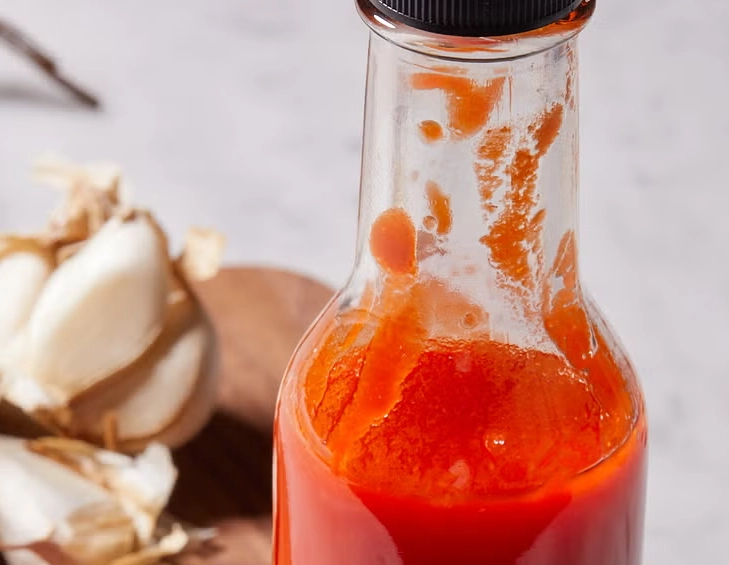
Troubleshooting Common Fermentation Issues
Things happen. Don't panic.
White, cloudy sediment at the bottom: This is completely normal. It's dead Lactobacillus cells and yeast. It's a sign of a healthy ferment. Just don't shake it into your final sauce if you don't want to.
Kahm yeast (a white, wrinkly film on top): Harmless but can impart an off flavor if left. Skim it off with a clean spoon. It's not mold. Mold is fuzzy, colored (blue, green, black), and grows in spots. If you see fuzzy mold, unfortunately, the safest advice is to discard the batch. The USDA guidelines on home food preservation emphasize that toxins from mold can penetrate beyond the visible surface. With a properly weighted ferment under brine, mold is very rare.
No bubbles: Be patient. Cooler temperatures slow fermentation. It can take a week to start. If after 10 days there's zero activity and no sour smell, your salt percentage might be too high or the peppers might have been treated with preservatives.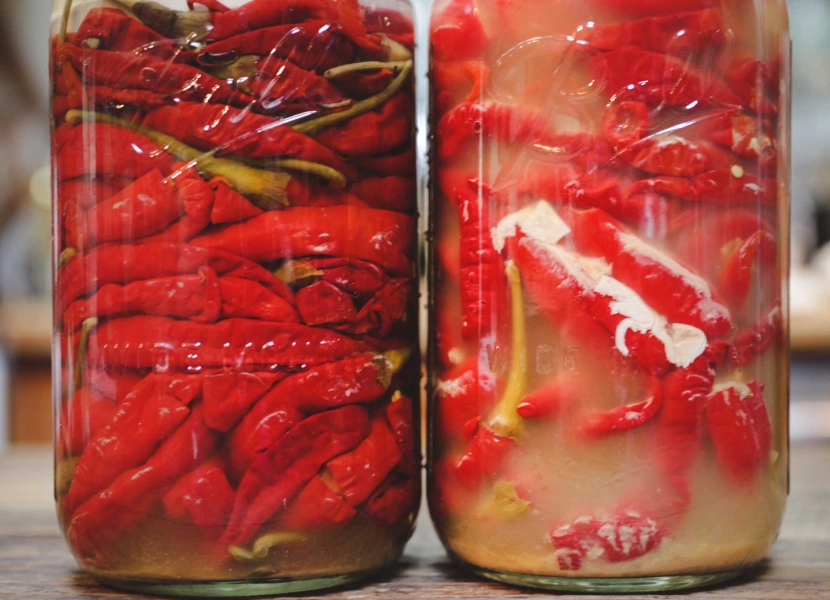
Your Fermented Hot Sauce Questions Answered
Give it a shot. Start with a small batch of jalapeños and garlic. The process is forgiving, and the reward is a condiment with more character and life than anything you can buy. Once you get that first successful ferment, you'll see peppers not just as food, but as a potential project. A delicious, bubbling, probiotic project.