Lamb. It has a reputation. For being fancy, tricky, or having a flavor that's too strong. I used to think that too, until I ruined a perfectly good leg of lamb by pulling it out of the oven too early, worried it would dry out. The center was cool and unappetizing. That was my wake-up call. Cooking lamb isn't about complex techniques; it's about understanding a few simple rules. Once you get them, you unlock some of the most satisfying, flavorful meals you can make.
This guide is for you if you've ever stared at lamb cuts in the grocery store, feeling unsure. We'll move past the single "lamb recipe" and talk about choosing the right cut for the job, the one tool you absolutely need, and two foolproof recipes that work every time.
In This Article
How to Choose the Right Lamb Cut (It's Easier Than You Think)
This is where most people go wrong. They try to quickly pan-sear a tough cut, or slow-roast a tender one until it's mush. Lamb isn't one thing. Think of it in two categories: tough cuts that need time and tender cuts that need speed.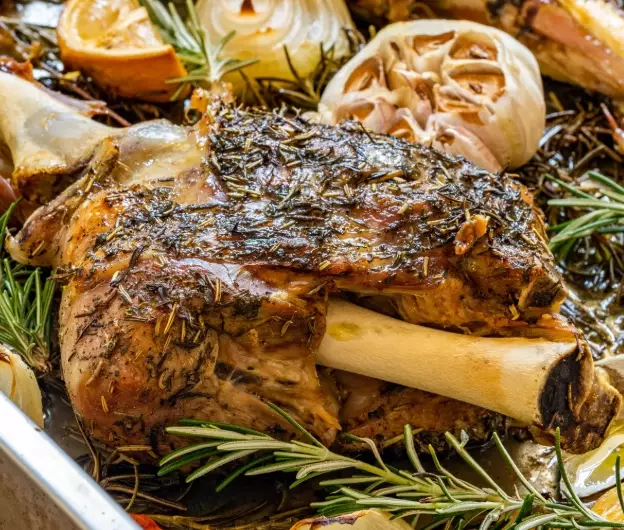
The tough cuts come from hard-working muscles—the shoulder and the shank. They're marbled with connective tissue that melts into luxurious gelatin during long, slow cooking. This is where you get fall-apart tenderness and deep flavor. The tender cuts—the loin, rack, and leg—come from less-used areas. High heat for a short time is their friend.
| Cut of Lamb | Best Cooking Method | Flavor & Texture Profile | Beginner-Friendly? |
|---|---|---|---|
| Shoulder (bone-in or boneless) | Slow roasting, braising, stewing | Rich, deeply flavorful, becomes incredibly tender and shreddable. | Yes. Very forgiving. Hard to overcook. |
| Leg (whole or half) | Roasting at moderate heat (325°F+) | Leaner, mild flavor, elegant slices. Can dry out if overcooked. | Intermediate. Requires a meat thermometer. |
| Rack of Lamb ("lamb chops" in a row) | High-heat roasting or pan-searing | Very tender, mild, impressive presentation. Expensive. | Yes for chops, intermediate for whole rack. |
| Loin Chops (like mini T-bones) | Pan-searing, grilling (2-4 mins per side) | The most tender chop. Quick, juicy, perfect for weeknights. | Yes. Super fast and simple. |
| Shank | Braising (3+ hours) | Ultra-rich, gelatinous, fall-off-the-bone. Hearty for stews. | Yes, but requires planning. |
My personal favorite for flavor and ease? The shoulder. It's cheaper than leg or rack, and the long cook time means you can't mess it up. You get massive flavor payoff for minimal effort.
The Centerpiece Recipe: Foolproof Slow-Roasted Lamb Shoulder
This is the recipe I make for casual gatherings. It fills your house with an incredible aroma, and everyone thinks you slaved over it. The secret? You put it in the oven and forget about it for hours.
You'll need a 4-5 lb bone-in lamb shoulder, some garlic, a lemon, a bunch of rosemary and thyme, salt, pepper, and olive oil. That's it. No complicated marinades.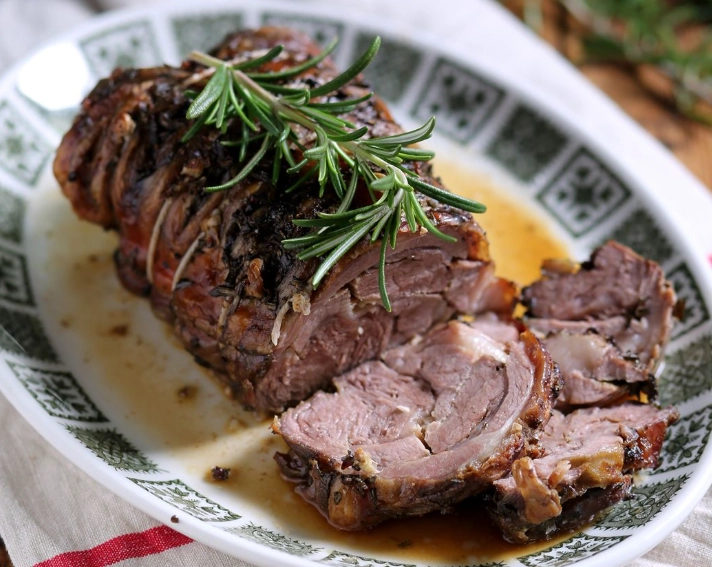
Here's the method that never fails me:
- Prep (5 mins): Pat the shoulder completely dry with paper towels. This is crucial for good browning. Make small slits all over with a paring knife and stuff them with thin slices of garlic and little sprigs of rosemary. Rub the whole thing with olive oil, then massage in a generous amount of kosher salt and black pepper. Don't be shy with the salt.
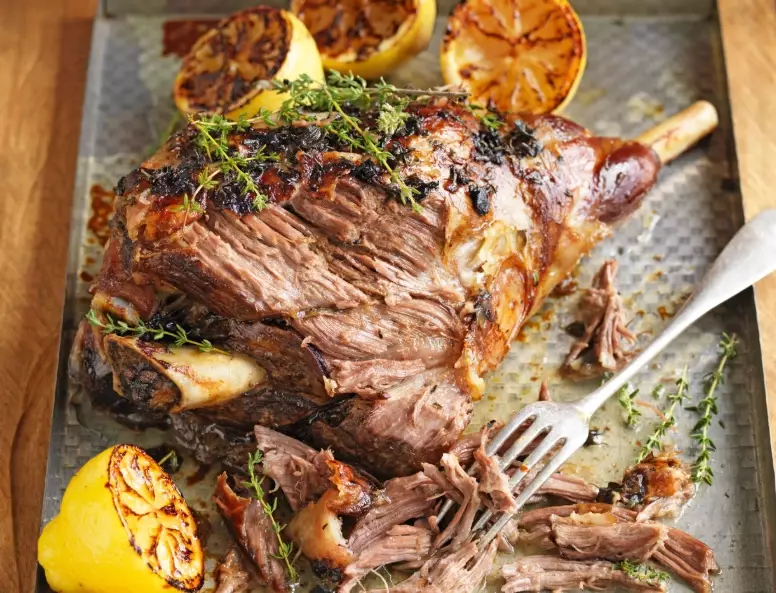
- Roast (4.5-5.5 hours): Place it on a rack in a roasting pan. Pour a cup of water or broth in the bottom of the pan (not on the meat!). This prevents burning and creates steam. Roast at 325°F (160°C). Do not cover it. Let that skin get crusty and dark.
- The Test: It's done when you can easily pull a piece of meat away with a fork, or when an instant-read thermometer poked into the thickest part reads around 195-203°F (90-95°C). Yes, that's much higher than for a leg of lamb. For tough cuts, you need that high temp to break down all the connective tissue.
- Rest (30 mins MINIMUM): Take it out, tent it loosely with foil, and walk away. Let it rest. This is non-negotiable. The juices will settle back into the meat.
Serve it by pulling the meat apart with two forks. It's incredible with roasted potatoes that have soaked up the pan juices, or stuffed into warm pitas with tzatziki.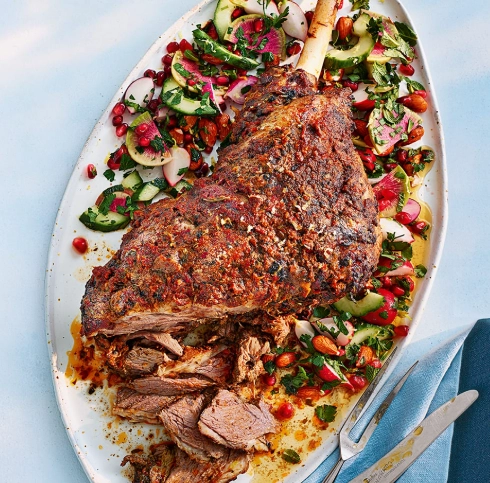
The Impressive Quick Recipe: Herb-Crusted Rack of Lamb
For a date night or when you want something special in under an hour, a rack of lamb is your answer. It looks fancy but is surprisingly straightforward.
The key is a two-step process: sear, then roast. And that meat thermometer.
First, trim any excess fat and season the racks well. Heat a heavy oven-proof skillet (like cast iron) with a bit of oil until it's smoking hot. Sear the racks, fat-side down first, for 2-3 minutes per side until you have a beautiful brown crust.
While they sear, mix your crust: breadcrumbs, lots of chopped parsley, rosemary, thyme, a little lemon zest, salt, and pepper. Bind it with a touch of Dijon mustard or olive oil.
After searing, remove the racks, spread a thin layer of mustard over the meaty part, and press the herb crust onto it. Place the racks back in the skillet (crust-side up) and transfer the whole thing to a 400°F (200°C) oven.
Roast until the internal temperature reaches 135°F (57°C) for medium-rare. This usually takes 12-18 minutes depending on size.
Take it out, transfer to a cutting board, tent with foil, and let it rest for 10 minutes. Then slice between the bones into individual chops. The inside will be perfectly pink, juicy, and flavorful.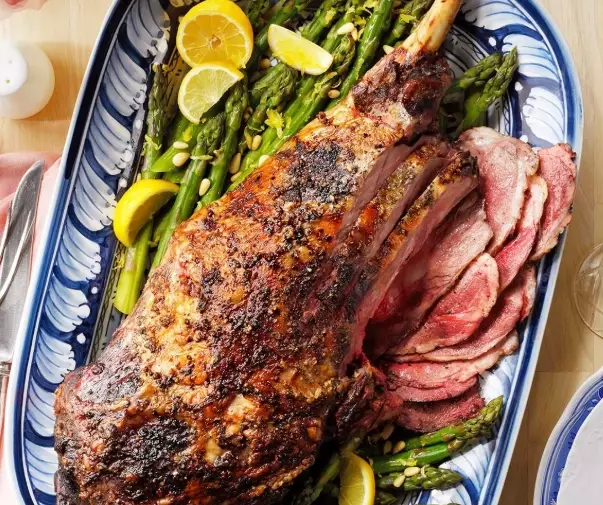
The Expert Tricks Most Recipes Don't Tell You
After cooking lamb for years, here are the subtle things that make a huge difference.
1. Your Meat Thermometer Is Your Best Friend
Guessing doneness is the number one cause of kitchen disappointment. A $20 digital instant-read thermometer is the best investment you can make. For tender cuts (rack, leg, chops), pull at 135°F for medium-rare. For tough cuts (shoulder, shank), you're going for 195°F+ for shreddable tenderness.
2. Resting Isn't Optional, It's Everything
I used to skip this. Cutting into meat right away sends all the flavorful juices running onto the board, leaving the meat dry. For a large roast, rest for at least 20-30 minutes. For chops, 5-10 minutes. The meat will stay hotter than you think, and it will be juicier.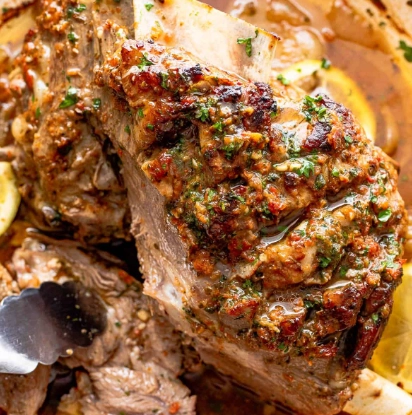
3. Acid and Fat Are Your Flavor Keys
If you find the flavor too "gamey," focus on trimming the external fat and that silvery membrane. Most of that distinctive taste is in the fat, not the lean meat.
Your Lamb Questions, Answered
So, the next time you see lamb at the store, don't walk past it. Grab a shoulder for a weekend project or some chops for a quick win. Remember the rules: pick the right cut, use a thermometer, let it rest, and be bold with flavor. You've got this.