Quick Navigation
Let's be honest, you've probably had a pasty before. Maybe from a bakery, a supermarket, or even at a food festival. But if you're here, you've likely had that moment where you bit into one and thought, "This is nice, but is this it? Is this what all the fuss is about?" I've been there. The flabby pastry, the bland filling, the soggy bottom – it's enough to make you think the Cornish pasty is just a simple meat pie. Trust me, it's not. A proper, authentic Cornish pasty is a revelation. It's a perfect, self-contained meal with a history as rich as its flavor. And making one at home? It's a project, but it's one of the most satisfying things you can do in a kitchen.
This isn't just another recipe for a Cornish pasty. This is a deep dive. We're going to talk about why it looks the way it does, why the ingredients are non-negotiable for purists, and the little tricks that turn a good pasty into a great one. I'll share the mistakes I've made (oh, there have been many) so you don't have to. We'll get into the history, the rules, and the straight-up delicious science of it all.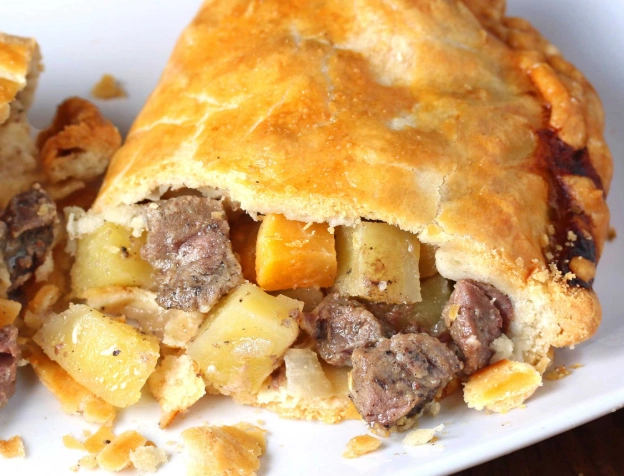
More Than Just Lunch: A Pasty's Past
You can't really appreciate a genuine recipe for a Cornish pasty without knowing where it came from. This was the original packed lunch, designed for Cornish tin miners in the 18th and 19th centuries. Think about their working conditions: dark, dusty, and filled with toxic arsenic dust. The pasty was their ingenious solution.
The design was pure practicality. The thick, crimped edge wasn't just for looks; it was a handle. Miners would hold the pasty by its crimp, eat the main body, and then toss the dirty, arsenic-laden edge away. It was a matter of health. The sturdy pastry casing kept the filling hot for hours and protected it from the grime of the mine. The filling itself was hearty, cheap, and cooked slowly inside its own pastry oven. Every element had a purpose.
This history is so important that the Cornish pasty was granted Protected Geographical Indication (PGI) status by the European Union in 2011, a status it retains in UK law. This isn't just branding; it's a legal definition of what makes a pasty truly "Cornish." The official Cornwall Council website and resources from the British Pie Awards often highlight this cultural significance. It means a pasty labeled "Cornish" must follow specific rules. Which brings us to our next point...
What Makes a Pasty *Cornish*? The PGI Rules
If you want an authentic Cornish pasty recipe, you need to know the rules. According to the PGI, the pasty must be made in Cornwall (for commercial sale). But the recipe specifications are what we home cooks need to note:
- The Filling: Only diced or minced beef (not cooked beforehand), sliced or diced swede (rutabaga), sliced or diced potato, and onion. Seasoning is just salt and pepper.
- The Pastry: It must be a sturdy, shortcrust pastry that can hold the raw filling without leaking. It's the vessel and the cooking pot.
- The Shape: A distinctive 'D' shape. The filling is placed on one half of the pastry circle, the other half is folded over, and the edges are crimped to one side, never on top.
- The Cooking: The raw ingredients are sealed inside and baked slowly. This steams the vegetables and cooks the meat in its own juices, creating an incredible broth inside the pastry.
Now, at home, you have some leeway. But if you want to experience the historic, authentic taste, sticking close to these guidelines is key. I've tried adding carrots, herbs, even a bit of ale. They make a lovely pie, but they change the character completely. The beauty of the authentic version is in its simplicity and the way those four humble ingredients meld together.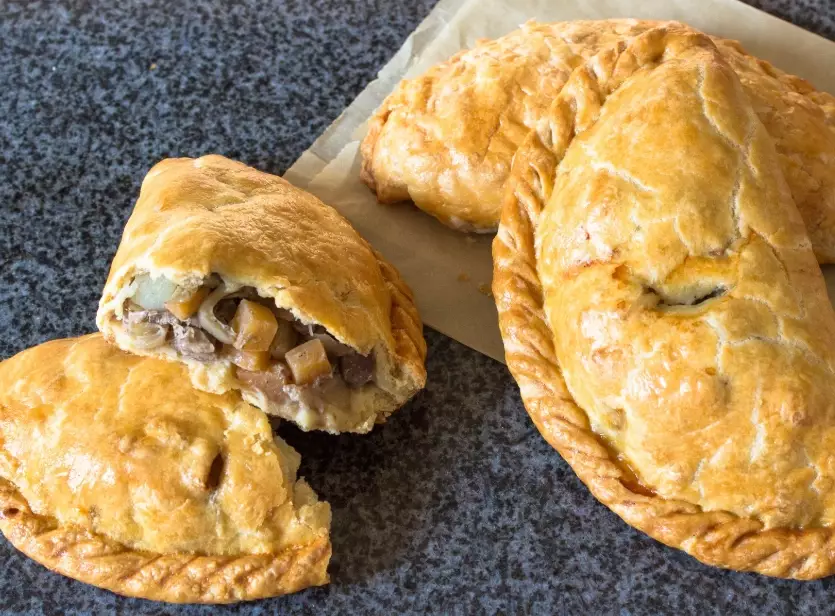
Deconstructing the Ultimate Recipe for a Cornish Pasty
Alright, let's get down to business. Here is a detailed, home-cook-friendly breakdown of the authentic Cornish pasty recipe. This is the core of it all.
| Ingredient | Quantity (for 4 large pasties) | Notes & Why It Matters |
|---|---|---|
| For the Shortcrust Pastry | ||
| Plain (All-Purpose) Flour | 500g (about 4 cups) | Strong bread flour is sometimes used for extra strength, but plain is traditional and easier. |
| Cold Unsalted Butter & Lard/Suet | 125g butter + 125g lard or suet (total 250g fat) | A 50/50 mix gives the best flavor and texture. All-butter is fine but less traditional. Keep it ice-cold. |
| Cold Water | 120-150ml (½ to ⅔ cup) | Add gradually. Too much water makes tough pastry. |
| Salt | 1 tsp | Enhances flavor in the pastry itself. |
| For the Filling (per pasty) | CRUCIAL: Cut everything to a similar, small dice (roughly 1cm). | |
| Beef Skirt or Chuck Steak | 100-120g | Skirt is traditional—it's flavorful and becomes tender with slow cooking. Chuck is a great substitute. Never use pre-cooked mince! |
| Potato (Maris Piper or similar) | 100g | Waxy potatoes hold their shape better than floury ones. |
| Swede (Rutabaga) | 80g | This is essential. It adds a subtle sweetness you don't get from turnips. |
| Brown Onion | 60g | Adds sweetness and moisture. |
| Salt & Black Pepper | To taste (be generous) | The only seasoning. Freshly cracked pepper is a game-changer. |
Pro Tip: The Fat Debate
Purists will argue for beef suet in the pastry. It gives an incredible flavor and crispness. But it can be hard to find. A good block vegetable shortening works in a pinch, but the flavor won't be as rich. My personal favorite is half butter, half lard. The lard gives flakiness, the butter gives flavor. Don't be scared of lard here—it's what makes the pastry authentic.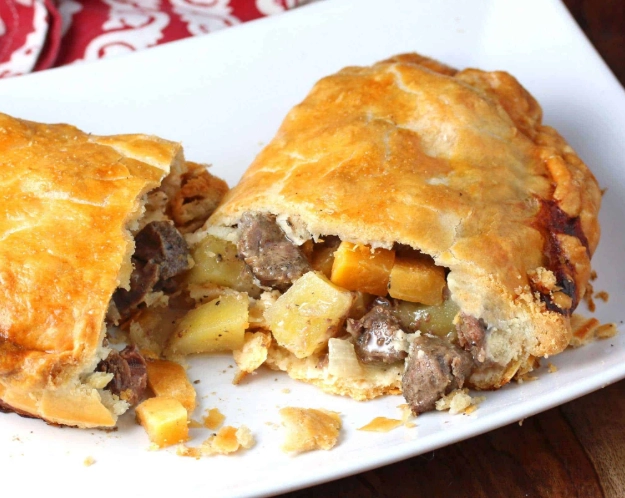
The Step-by-Step: From Dough to Golden Glory
1. Making the Pastry (The Foundation)
This isn't a delicate tart pastry. It needs to be robust. Cube your cold fats and rub them into the flour and salt until it resembles coarse breadcrumbs. I use my fingertips, but you can pulse it in a food processor. Just don't overwork it. Gradually add cold water, mixing with a knife until it just starts to clump. Bring it together with your hands, knead it for about 30 seconds until smooth, wrap it, and chill for at least an hour. This rest is non-negotiable. It relaxes the gluten and firms up the fat, making it easier to roll and less likely to shrink.
2. Preparing the Filling (The Heart)
While the pastry chills, dice everything. Uniformity is your best friend here. If one piece is huge, it won't cook at the same rate as the others. Mix the diced beef, potato, swede, and onion in a bowl. Season it really well. Don't be shy with the pepper. Some people layer the ingredients in a specific order on the pastry, but I find a good mix works perfectly.
Common Pitfall: The Soggy Bottom
The biggest fear. To combat it: 1) Make sure your filling isn't wet (pat diced veg dry if needed). 2) Don't overfill. 3) A hot oven (we'll get there) is crucial to set the pastry quickly. A little flour sprinkled on the pastry base before adding the filling can also help create a barrier.
3. Assembling & The Famous Crimp
Roll your rested pastry to about 3-4mm thick. Use a side plate (about 20cm diameter) as a guide to cut circles. Place a generous heap of filling slightly off-center on one half of the circle. Brush a little beaten egg or milk around the edge.
Now, the crimp. Fold the bare half of the pastry over the filling. Starting at one end, fold and twist the edges over themselves, working your way along to seal it tightly. You're aiming for a rope-like effect along the curved side. It takes practice. My first few looked like they'd been attacked by a toddler. Don't stress if it's messy—it will still taste amazing. The key is a tight seal. Place the pasties on a baking tray lined with parchment.
4. Baking to Perfection
Preheat your oven hot—220°C (425°F). Brush the pasties all over with beaten egg (for a deep golden shine) or milk. Make a small slit in the top of each to let steam escape. Bake at this high heat for 15 minutes, then reduce the temperature to 160°C (325°F) and bake for another 45-50 minutes. This initial blast sets the pastry, the long slow cook tenderizes the beef and cooks the veg through without burning.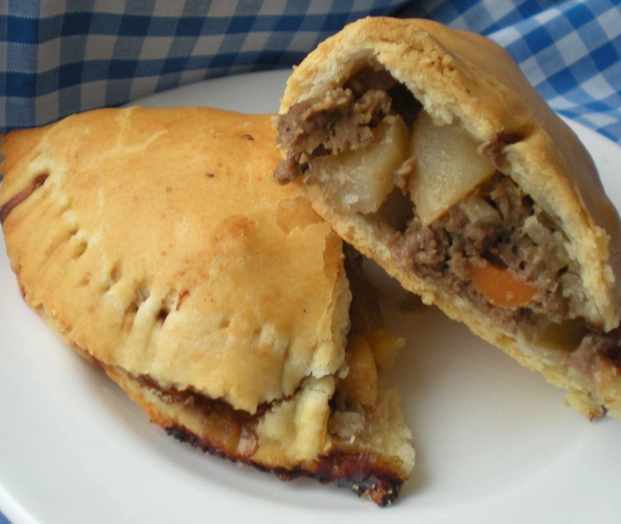
The smell will drive you crazy.
5. The Final, Crucial Step
When they're a deep, golden brown, take them out. And here's the hardest part: let them rest for at least 15-20 minutes. I know, it's torture. But if you cut into one straight away, the filling will be a scalding-hot lava flow that will burn your mouth and run everywhere. As it rests, the juices thicken slightly. It becomes a proper, sliceable meal. It's worth the wait.
So, is this recipe for a Cornish pasty difficult? It's involved. It's not a weekday throw-together. But is it complicated? Not really. It's about patience and respecting the process. The result is a completely different league from anything you can buy.
Your Cornish Pasty Recipe Questions, Answered
Wrapping It Up: More Than Just a Recipe
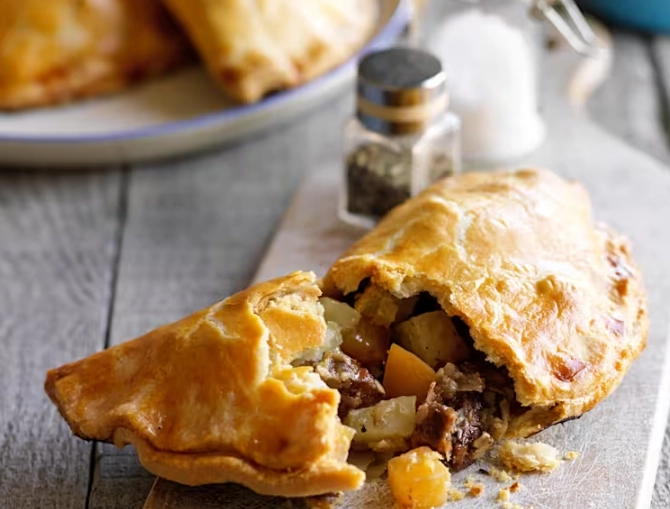
Following this guide to a proper recipe for a Cornish pasty is about more than following steps. It's connecting with a piece of culinary history. It's understanding why each element exists. When you get that golden, crimped parcel out of the oven, let it rest (seriously, let it rest!), and finally take a bite, you'll taste the difference. The tender beef, the sweet swede, the soft potato and onion in a rich gravy, all encased in a sturdy, buttery, flaky crust.
It's a project that rewards effort. It might not be perfect the first time—my crimping was atrocious for years—but the journey is part of the fun. So grab your ingredients, clear your afternoon, and give the real Cornish pasty a go. You might just find your new favorite thing to cook.
And remember, the best part of mastering this recipe is sharing it. There's something deeply satisfying about handing someone a homemade Cornish pasty. It's a gift of history, effort, and flavor, all wrapped up in one perfect, portable package.