There's a specific kind of spring fever that hits when the soil warms and the first morels push through the leaf litter. That honeycombed cap, that earthy, nutty aroma—it's culinary gold. But here's the thing I've learned after over a decade of chasing these elusive fungi: finding them is only half the battle. The real magic, and where most people stumble, is in the kitchen. A poorly cleaned or cooked morel is a tragedy. Grit between your teeth, a soggy texture, a flavor that's just...meh. It doesn't have to be that way.
This isn't just a list of morel recipes. It's a field-to-fork manual. We're going deep on the non-negotiable prep work most blogs gloss over, explore three foundational cooking methods that work every single time, and I'll share my hard-won trick for preserving their flavor so you can taste spring in December.
What's Inside This Guide?
Step Zero: The Critical Clean (Get This Wrong & Ruin Everything)
You can sauté a morel in the world's best butter, but if it's full of grit, the dish is ruined. The hollow interior is a debris trap. The standard advice is to "rinse them quickly." I'm telling you, that's not enough. A quick rinse does nothing for the sand hidden deep inside the stem.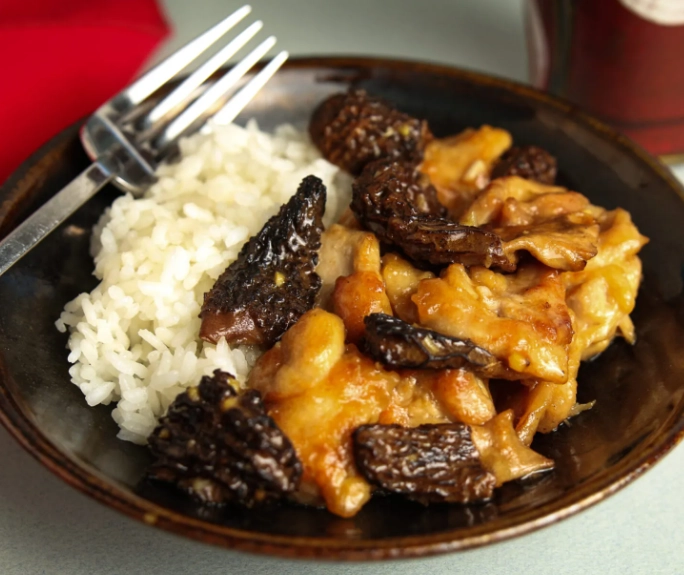
Here's the method I've settled on after too many gritty disappointments:
- Slice & Inspect: Cut each morel in half lengthwise. This exposes the hollow interior. It also lets you check for any unwanted tenants (tiny bugs are common and harmless, but you don't want to eat them).
- The Saltwater Bath: Fill a large bowl with cold water. Dissolve a generous handful of salt in it. The salinity encourages critters to vacate. Submerge your halved morels. Let them soak for 20-30 minutes. You'll see debris settle at the bottom.
- The Lift-Out: This is the crucial, rarely mentioned step. Do NOT pour the contents of the bowl into a colander. You'll just shower the morels with all the grit you just encouraged to settle. Instead, use your hands to gently lift the morels out of the water and place them directly onto a tray lined with paper towels or a clean kitchen towel.
- Dry Thoroughly: Pat them dry. Any surface moisture will steam them when they hit the hot pan, preventing that beautiful sear. Let them air-dry for 10-15 minutes if you have time.
Three Foundational Ways to Cook Morels
Once clean and dry, you have a world of options. These three methods are your building blocks. Master them, and you can improvise endlessly.
1. The Classic: Butter & Thyme Sauté
This is the benchmark. It's simple, but the simplicity is deceptive. The goal is to concentrate the morel's own flavor. Use a heavy skillet (cast iron is perfect) over medium heat. Add a generous knob of butter and let it foam slightly. Add your dried morels in a single layer—don't crowd the pan. Crowding steams them. You want them to sauté. Let them sizzle for 4-5 minutes without moving them much, to get some color. Add a few sprigs of fresh thyme, a pinch of salt, and a crack of black pepper. Toss and cook for another 5-7 minutes until they are tender and have shrunk slightly. Finish with a squeeze of lemon. That's it. Serve on toast, over steak, or just eat them straight from the pan. It's perfection.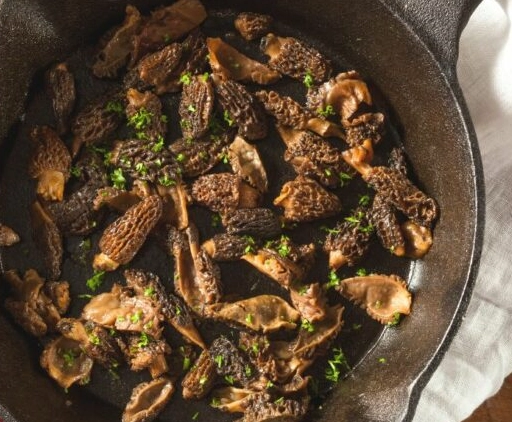
2. The Luxe: Creamy Morel Sauce
This is where morels shine. Start by sautéing a minced shallot in butter until soft. Add your morels and cook as above until they release their juices. The pan will have those delicious browned bits (fond). Pour in a splash of dry sherry or white wine to deglaze the pan, scraping up the fond. Let it reduce by half. Now, add heavy cream—just enough to coat the morels. Let it simmer gently until the sauce thickens enough to coat the back of a spoon. Finish with a touch of Dijon mustard and fresh parsley. This sauce is legendary over pasta, chicken, or roasted asparagus.
3. The Showstopper: Morel & Wild Leek Risotto
This combines two spring treasures. Sauté chopped wild leeks (ramps) or spring onions in butter. Add Arborio rice and toast for a minute. Use a flavorful chicken or vegetable broth, adding it one ladle at a time. In a separate pan, sauté your morels. When the risotto is about 3 minutes from being done (creamy but with a slight bite), stir in the sautéed morels, a handful of grated Parmesan, and a final knob of butter. The earthy morels and the pungent, sweet leeks create a harmony that tastes like the forest floor in the best possible way.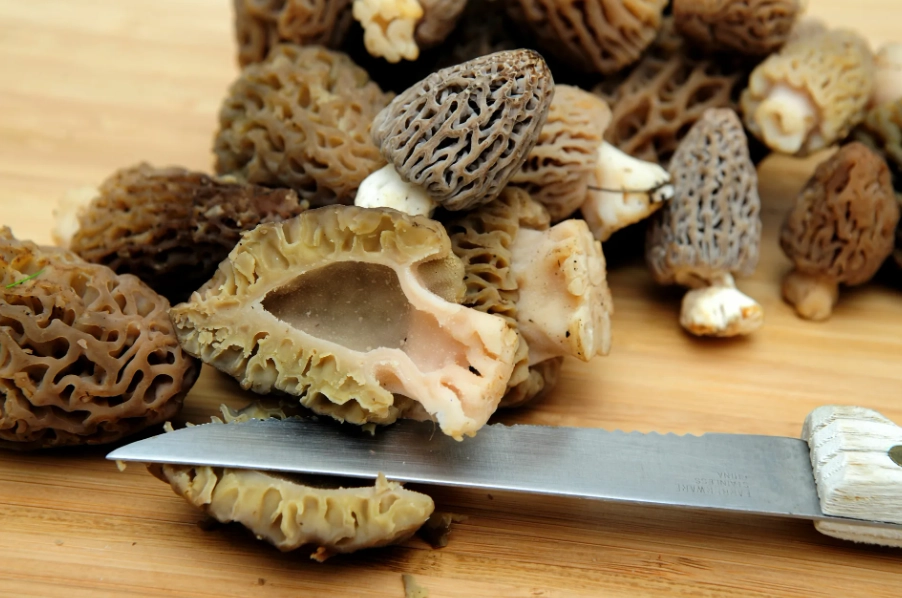
| Cooking Method | Best For | Key Fat | Pro Tip |
|---|---|---|---|
| Butter Sauté | Highlighting pure morel flavor | Butter | Don't crowd the pan. Cook in batches. |
| Cream Sauce | Pasta, poultry, elegant dishes | Butter, Cream | Deglaze with sherry for depth. |
| Risotto/Stuffing | Heartier meals, grain-based dishes | Butter, Olive Oil | Add morels near the end to retain texture. |
Beyond Spring: How to Preserve Your Morel Bounty
You had a great hunt. Now you have more morels than you can eat in a week. Freezing is your friend, but do not just toss raw morels in a bag. They'll turn to mush. Blanching is often recommended, but I find it leaches flavor.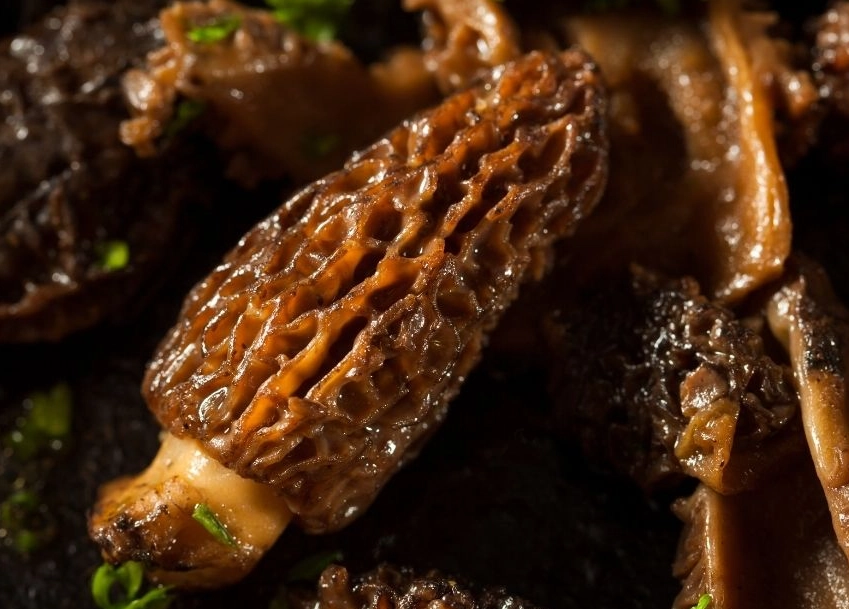
My preferred method is the dry sauté freeze. Clean and slice your morels. Heat a large, dry skillet over medium heat. Add the morels (no oil, no butter) and cook, stirring occasionally, until they have released all their water and the pan is dry again. This can take 10-15 minutes. Let them cool completely on a tray. Spread the cooled morels in a single layer on a parchment-lined baking sheet and freeze solid. Once frozen, transfer to a airtight freezer bag, squeezing out all the air. They'll keep for up to a year. When you're ready, use them directly from frozen in sauces, soups, or risottos. The texture won't be perfect for a standalone sauté, but the flavor is 90% there.
Common Pitfalls & How to Sidestep Them
Let's talk about the quiet failures. The dish that looks right but just...isn't.
The Soggy Morel: This almost always comes from not drying them well enough after cleaning, or overcrowding the pan. Moisture is the enemy of browning. Dry them like you mean it, and give them space.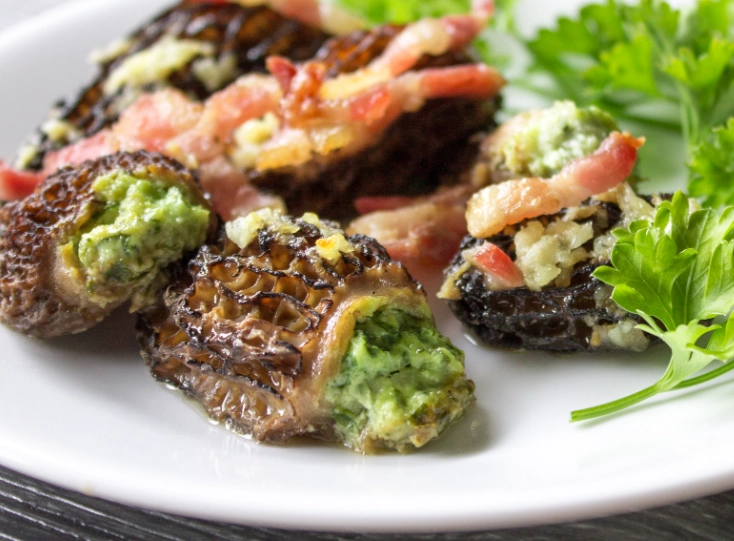
The Bland Morel: You didn't use enough salt, or you didn't get a sear. Morels need seasoning to sing. And that initial contact with hot fat is where flavor compounds develop. Don't be shy with the heat at the start.
The Overpowered Morel: Morels have a delicate earthiness. Pairing them with a super-strong blue cheese or a heavily spiced sausage can drown them out. Think of companions that complement, not compete: cream, leeks, thyme, tarragon, asparagus, mild cheeses, eggs, simple roast meats.
I once made a morel pasta with a very garlic-heavy sauce. The garlic killed every nuance of the mushroom. It was a waste. Now, I use garlic sparingly, if at all, with morels.
Your Morel Cooking Questions, Answered
How do I clean morels without them getting soggy?
Can you eat morels raw, or do they need to be cooked?
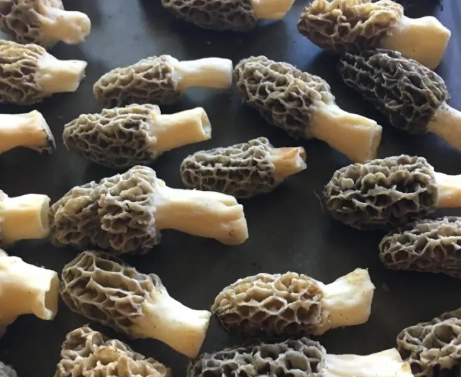
What's the best way to preserve morels for later use?
What's the biggest mistake people make when cooking morels?
The journey of a morel from a damp forest floor to your dinner plate is a short one, but every step matters. Respect the clean. Master the sear. Pair with intention. Do that, and you'll transform those strange, spongy fungi into a meal you'll remember until next spring rolls around. Now, go check your favorite spot. The morels are waiting.