Quick Guide
Let's be honest. The first time you see a picture of a Basque cheesecake, you might think someone forgot it in the oven. It's dark, almost black on top, and looks nothing like the pristine, smooth New York-style cheesecake we're used to. But then you take a bite. And wow. The contrast hits you—a deep, caramelized top giving way to an interior that's just shockingly creamy, rich, and barely set. It's like the best parts of cheesecake and crème brûlée had a delicious, slightly rebellious baby.
I remember my first attempt. I followed a basic basque cheesecake recipe I found online, held my breath as it browned, then panicked when it started to look too dark. I pulled it out early. Big mistake. The center was a wobbly soup. It tasted good, but it wasn't the real deal. It lacked that signature contrast. That failure sent me down a rabbit hole of research, testing, and eating a lot of cheesecake (a tough job, I know).
This guide is everything I wish I'd known. We're not just copying a recipe. We're understanding why it works. Why the high heat? Why no crust? Why does it look burnt but taste incredible? If you're tired of fussy water baths and cracks ruining your cheesecakes, this is your ticket to freedom.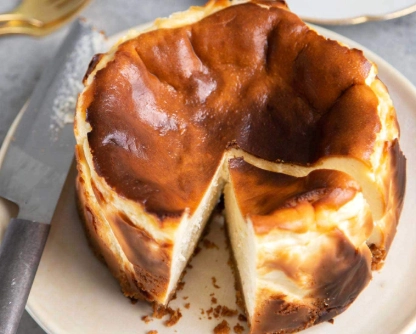
What Makes This Cheesecake Different?
Originating from the La Viña restaurant in San Sebastián, Spain's Basque Country, this dessert throws the rulebook out the window. No graham cracker crust. No gentle, low-and-slow baking. No water bath. It's baked at a very high temperature, which puffs it up like a soufflé, creates that iconic dark top, and leaves the center luxuriously jiggly and creamy. It's rustic, forgiving, and deeply flavorful.
The Core Ingredients: Simplicity is Key
One of the beauties of an authentic Basque burnt cheesecake recipe is the short ingredient list. Every single one plays a crucial role, and messing with the ratios is where things can go sideways.
| Ingredient | Role & Why It Matters | Pro-Tip / Substitution Warning |
|---|---|---|
| Cream Cheese (Full-fat, block style) | Provides the base structure, tang, and richness. Must be at room temperature for a smooth, lump-free batter. | Use a reputable brand like Philadelphia. Low-fat or tub-style spreads have different moisture content and gums that will ruin the texture. Seriously, don't do it. |
| Granulated Sugar | Sweetens, tenderizes, and most importantly, contributes to the Maillard reaction—that chemical process that creates the complex, caramelized flavors and dark color on top. | You can reduce sugar slightly (by 10-15%), but less sugar means less browning. For your first try, stick to the full amount. |
| Eggs (Large) | They are the primary setting agent. They give the cake structure as it bakes and cools. The proteins coagulate to firm up the creamy center. | Room temperature eggs blend in more easily. Cold eggs can cause the cream cheese to seize up, leading to a lumpy batter. |
| Heavy Cream (Whipping cream, min. 36% fat) | This is the secret to the ultra-creamy, almost fluid center. The high fat content enriches and prevents the proteins from setting too firmly. | Half-and-half or milk won't work. You need the fat. For an even richer flavor, try sourcing cream from a local dairy. |
| All-Purpose Flour (or a small amount of cornstarch) | A tiny bit of flour acts as a stabilizer. It prevents the eggs from curdling at the high baking temperature and gives the final product a slight custardy hold. | Some recipes omit it for a super-soft center. I find 2 tablespoons gives the perfect balance—creamy but sliceable. Gluten-free? Swap for an equal amount of cornstarch. |
| Vanilla Extract & Salt | Flavor enhancers. Vanilla adds warmth, and a pinch of salt (I prefer fine sea salt) balances the sweetness and amplifies all the other flavors. | Use real vanilla extract, not imitation. A tiny scrape of vanilla bean paste is even better. Don't skip the salt. |
See? Nothing fancy. But the quality here is non-negotiable. That block of full-fat cream cheese is your foundation. Skimp, and the whole thing feels... off.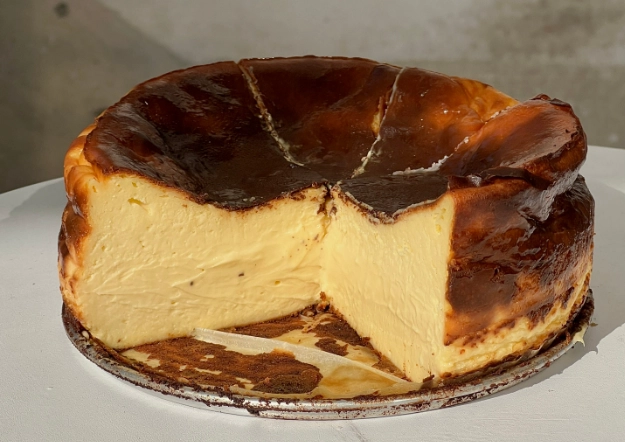
My #1 Pre-Baking Tip
Take the cream cheese, eggs, and cream out of the fridge at least 2 hours before you start. Room temperature ingredients incorporate seamlessly, which means no overmixing. Overmixing = incorporating too much air = the cake rising dramatically and then collapsing into a sunken crater. We want jiggle, not collapse.
The Step-by-Step Process: It's Easier Than You Think
Alright, let's get to the actual making. I'll walk you through the classic basque cheesecake recipe method, but I'll point out the little moments where your decisions matter.
1. Prep Your Pan (No Greasing!)
Use a 9-inch springform pan. Here's the first quirky rule: do not grease the pan. You want the parchment paper to cling to the sides. Crumble a large piece of parchment paper into a tight ball. Then, uncrumble it and line your pan. The wrinkles are good! They create those beautiful, rustic ridges on the sides of the finished cake. Let the paper come up high above the rim—this cake rises.
2. The Batter: Blend, Don't Whip
In a large bowl, beat the room-temperature cream cheese until it's completely smooth and no lumps remain. This might take a minute or two with a hand mixer. Scrape down the bowl.
Add the sugar and salt. Beat again just until combined. You're not trying to make it fluffy.
Add the eggs, one at a time, mixing on low speed after each addition until just blended. Scrape the bowl again. The mixture should be homogenous and smooth.
Now, with the mixer on low, slowly pour in the heavy cream and vanilla. Mix until it's a uniform, silky liquid.
Sift the flour over the batter. Fold it in gently with a spatula until no white streaks remain. That's it. Your batter should be the consistency of a very thick cream. If you see tiny lumps of cream cheese, you didn't start with it soft enough. Try pressing the batter through a fine-mesh sieve—it's a hassle, but it saves the bake.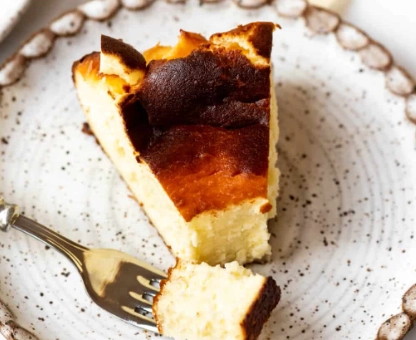
3. Baking: Trust the Process
Preheat your oven to 400°F (200°C). Yes, it's hot. This is essential for the signature rise and color.
Pour the batter into your prepared pan. Place it on a baking sheet (this catches any potential drips and makes handling easier). Put it in the center of the hot oven.
Now, set your timer for 50 minutes. But you'll start watching at around 40. What are you looking for? The top will start to brown, then deepen to a chestnut color, and finally, it will become very dark brown, almost black in spots. It will puff up dramatically, and the center will still have a pronounced, energetic jiggle when you gently shake the pan. This jiggle is crucial. If the center looks set and doesn't jiggle, you've overbaked it.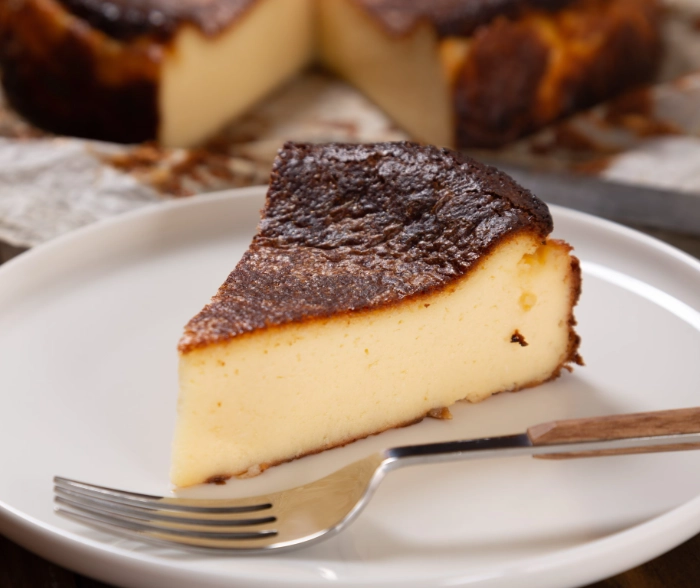
The Most Common Fear (And How to Beat It)
"It's getting too dark! It's burning!" I get it. The instinct is to open the oven and lower the temperature. Resist! Opening the door causes a temperature drop that can make the cake fall. Trust that the high sugar and dairy content can take the color. A dark, nearly black top is the goal. It should smell deeply caramelized, not acrid or burnt. If it starts smoking, that's a different story—your oven might run hot. An oven thermometer is a baker's best friend.
4. Cooling: The Final Set
Once out of the oven, the cake will begin to fall. This is normal and creates those lovely rippled sides. Let it cool completely in the pan on a wire rack. It will firm up significantly as it cools. Then, for the best texture and cleanest slices, refrigerate it for at least 4 hours, preferably overnight. The flavor deepens, and the center becomes that perfect, dense-yet-creamy consistency.
Troubleshooting Your Basque Cheesecake
Even with a simple recipe, things can happen. Here’s a quick guide to diagnosing common issues.
- Sunken, Dense Center: You overbaked it. The center lost its jiggle in the oven. Next time, pull it out earlier when the center still moves like a wave.
- Top Cracked Like a Canyon: Too much air was incorporated into the batter (overmixing) or the oven temperature was too high too quickly. Ensure ingredients are room temp and mix gently. Some small cracks are normal and rustic.
- Pale Top: Oven not hot enough, or not enough sugar. Ensure proper preheating. A convection setting can help with even browning.
- Grainy Texture: Cream cheese wasn't fully softened or wasn't blended smoothly at the beginning. Or, the eggs curdled from being added while cold. Room temp everything is key.
- Sticking to the Parchment: You didn't cool it completely before trying to remove it. Chill it thoroughly, then peel the paper off gently.

Leveling Up: Flavor Variations
The classic is sublime, but once you've mastered it, playing with flavors is fun. The basic burnt cheesecake recipe structure is a fantastic canvas.
- Chocolate Basque Cheesecake: Melt 150g of good dark chocolate (70%), let it cool slightly, and fold it into the batter after the cream. You might get a slightly less dramatic rise, but the flavor is incredible.
- Citrus Zest: Add the finely grated zest of one lemon or orange to the sugar. Rub them together with your fingers to release the oils before adding to the cream cheese.
- Spiced: Add a teaspoon of ground cinnamon, a pinch of nutmeg, or even a chai spice blend to the flour before folding it in.
- Matcha: Sift 2 tablespoons of high-quality culinary matcha powder with the flour for a vibrant green interior and earthy flavor.
I tried a pumpkin version once for Thanksgiving. It was... okay. The added moisture from the pumpkin puree threw off the texture, making it a bit wet. Sometimes, classic is best.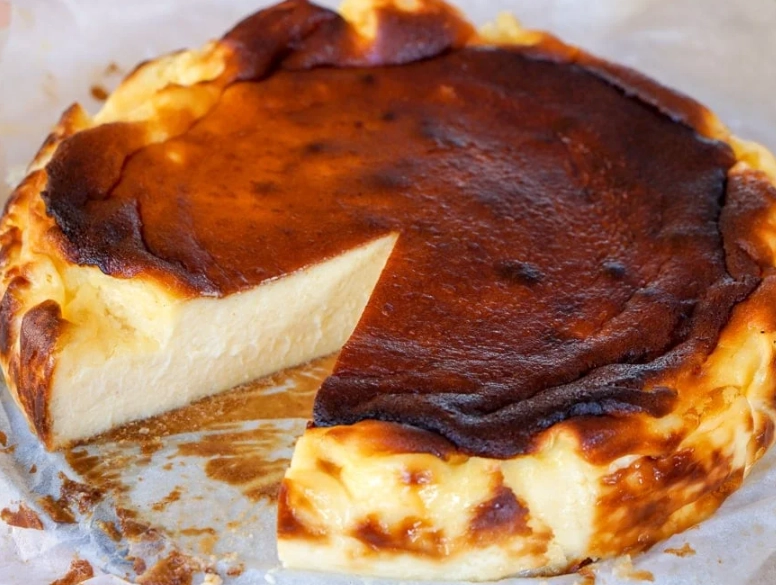
Answers to Your Burning Questions (Pun Intended)
Why This Recipe Works: A Bit of Food Science
Understanding the "why" makes you a better baker. The high heat (400°F+) does several things rapidly. It causes the proteins in the eggs and cream cheese to set quickly at the edges, forcing the cake to rise upwards. The high sugar concentration at the surface caramelizes and undergoes the Maillard reaction with the proteins and dairy solids, creating that complex, bittersweet, deep flavor and dark color. The center, protected by the outer "shell," remains insulated and cooks more slowly and gently, staying creamy. It's a brilliant recipe.
For more on the fascinating Maillard reaction, the Serious Eats website has some fantastic deep-dive articles that explain how it transforms food flavor. It's not just "burning"—it's chemistry creating deliciousness.
Grab your ingredients, let them warm up, and don't fear the dark. This authentic Basque cheesecake recipe is forgiving, impressive, and delivers a flavor experience that's truly unique. It's become my go-to dessert for dinner parties because it looks professionally rustic and tastes like a dream. Skip the complicated steps of other cheesecakes. This one is pure, simple, and spectacular. Now go preheat that oven.