Cooking octopus can feel like a culinary gamble. One minute you're aiming for a tender, succulent dish, the next you're chewing on something that resembles a rubber band. I've been there—my first attempt ended up in the trash after an hour of boiling. But after years of trial and error, often in small Mediterranean kitchens, I've cracked the code. This guide cuts through the noise to give you practical, tested methods for octopus recipes that work every time. Forget the fancy jargon; we're talking real steps you can use tonight.
What You'll Find Inside
What's the One Thing Most Home Cooks Get Wrong with Octopus?
It's simple: they rush it. Octopus has dense muscle fibers that need time to break down. If you throw it into boiling water and crank up the heat, those fibers tighten up, resulting in a tough texture. I see this all the time in online recipes that recommend a quick boil—it's a recipe for disaster. Another subtle error is not starting with cold water. When you place octopus in already boiling water, the outside cooks too fast, sealing in toughness. Instead, always start cold and bring it to a gentle simmer. This slow approach allows the heat to penetrate evenly, giving you that melt-in-your-mouth consistency.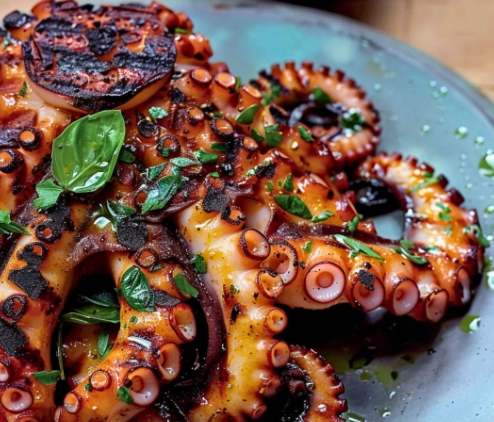
Here's a personal story. I once tried a "quick grill" method from a popular blog, skipping the pre-cooking. The octopus looked gorgeous with char marks, but biting into it was like gnawing on leather. Lesson learned: patience is non-negotiable. Even professional chefs, like those cited in Mediterranean culinary traditions, emphasize low and slow cooking for octopus.
How to Tenderize Octopus: Methods That Actually Work
Let's get practical. Tenderizing octopus isn't about pounding it with a mallet—it's about applying the right heat. Below, I've compared two reliable methods based on my experience. Each has its pros, but both avoid the rubbery outcome.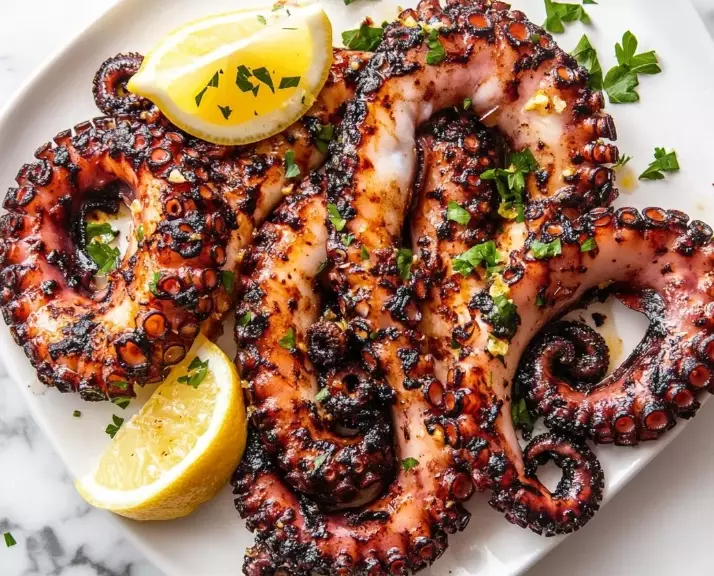
| Method | Time Required | Best For | Key Tip |
|---|---|---|---|
| Slow Simmer | 45-90 minutes | Traditional dishes like salads or stews | Keep water at a bare simmer (tiny bubbles) and add a cork or bay leaf—old chefs swear it helps tenderize. |
| Pressure Cooker | 15-25 minutes | Quick meals or when you're short on time | Use high pressure with a cup of water or wine; release pressure naturally to prevent toughness. |
The slow simmer method is my go-to for consistency. It mimics the way octopus is cooked in coastal Greek tavernas, where they often simmer it for hours in large pots. The pressure cooker is a modern hack—it cuts time drastically, but you need to monitor it closely. Overcooking in a pressure cooker can turn octopus mushy, which is almost as bad as rubbery.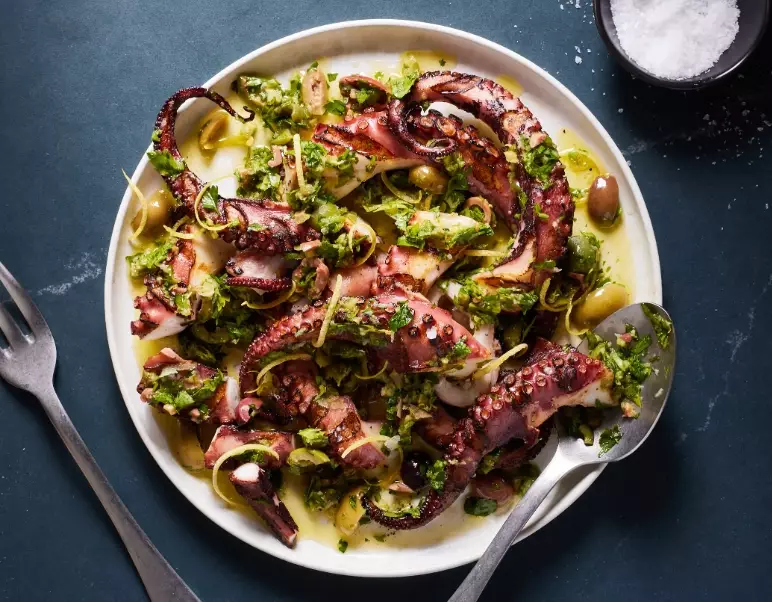
The Slow Simmer in Detail
Start with a cleaned octopus (about 2-3 pounds). Place it in a large pot with cold water—enough to cover it by an inch. Add aromatics: a sliced onion, a few garlic cloves, a bay leaf, and a splash of white vinegar. The vinegar isn't just for flavor; it helps break down proteins gently. Bring it to a boil, then immediately reduce to the lowest heat. You want a simmer where you see occasional bubbles. Let it cook for 45 minutes to an hour. Test with a fork: if it pierces the thickest part easily, it's done. Turn off the heat and let it cool in the liquid. This resting phase is crucial—it allows the fibers to relax and absorb moisture.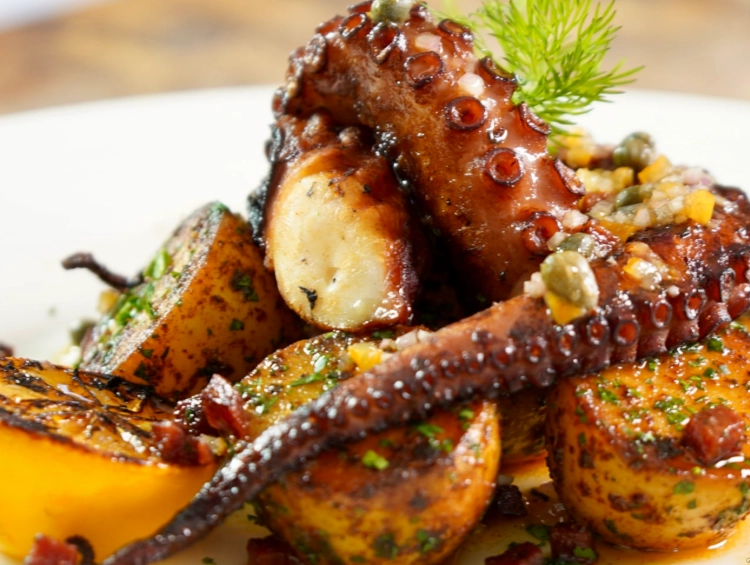
Pressure Cooker Shortcut
If you're pressed for time, this method saves the day. Put the octopus in the pressure cooker with a cup of dry white wine or water, along with similar aromatics. Seal it and cook on high pressure for 15 minutes for a medium octopus. Let the pressure release naturally for 10 minutes before opening. Quick release can cause the octopus to seize up. Once done, you can grill or sauté it immediately. I've used this for weeknight dinners, and it delivers tender results without the wait.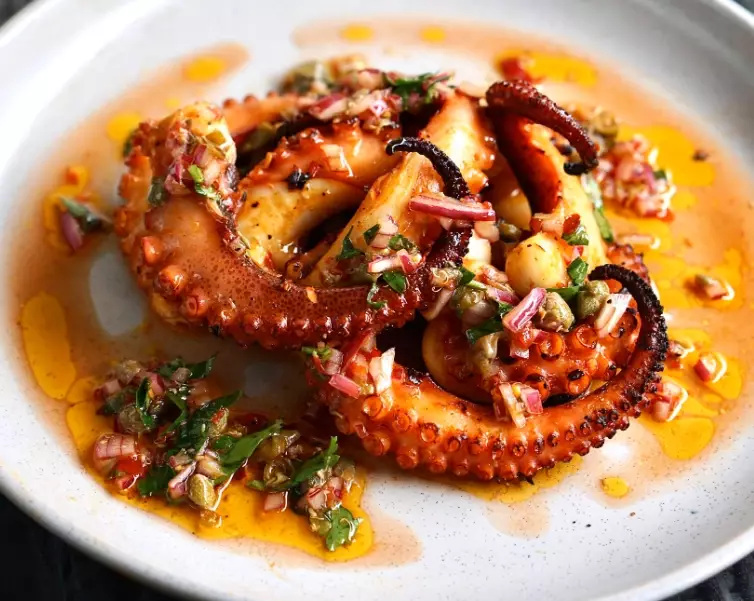
3 Octopus Recipes You'll Want to Make Again and Again
Now for the fun part—recipes that showcase tender octopus. These aren't just lists; they're dishes I've cooked dozens of times, tweaked for home kitchens. Each serves 4 people and uses pre-cooked octopus from the methods above.
Recipe 1: Grilled Octopus with Lemon and Herbs
This is a crowd-pleaser. After simmering, pat the octopus dry and coat it with olive oil, salt, and pepper. Heat a grill or grill pan to medium-high. Grill for 3-4 minutes per side until charred. The pre-cooking ensures it stays tender. Serve with a drizzle of extra virgin olive oil, fresh lemon juice, chopped parsley, and a pinch of red pepper flakes. I like to add roasted potatoes on the side—it balances the smokiness.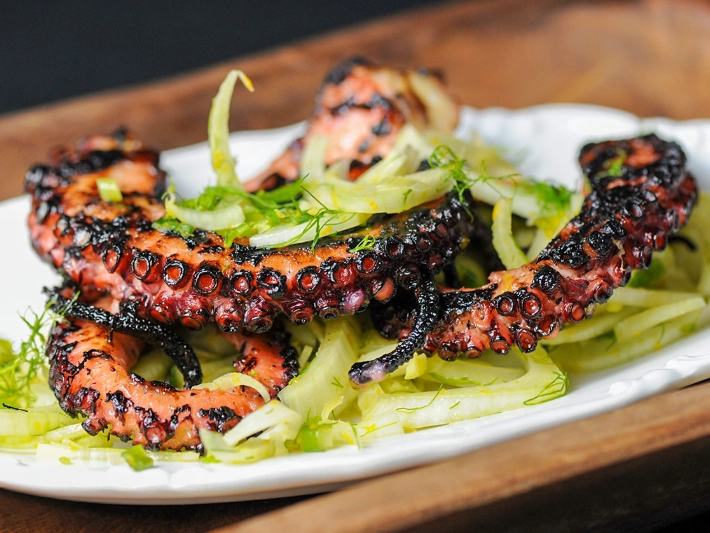
Recipe 2: Octopus Salad Mediterranean Style
Chill the cooked octopus and slice it into bite-sized pieces. In a bowl, mix with diced cucumber, cherry tomatoes, red onion, and Kalamata olives. For the dressing, whisk together olive oil, lemon juice, oregano, and a touch of honey. Toss everything gently. Let it sit for 30 minutes to let flavors meld. This salad is perfect for summer picnics—it's light yet satisfying. A common mistake is overdressing; start with less and add as needed.
Recipe 3: Braised Octopus in Tomato Sauce
In a large pan, sauté chopped onion and garlic in olive oil until soft. Add a can of crushed tomatoes, a splash of red wine, and herbs like thyme. Bring to a simmer, then add the cooked octopus (whole or cut). Cover and cook on low for 20 minutes. The octopus absorbs the sauce, becoming incredibly flavorful. Serve over polenta or crusty bread. I learned this from an Italian fisherman who swore by braising for deeper taste.
Each recipe highlights octopus differently, but all rely on that initial tenderizing step. Don't skip it.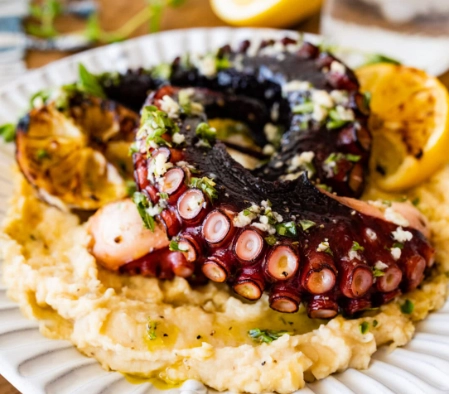
Your Burning Questions Answered
Cooking octopus doesn't have to be intimidating. With these methods and recipes, you can turn a challenging ingredient into a standout meal. Remember, slow and steady wins the race. Give it a try this weekend—you might just impress yourself.