If you've ever ruined an expensive steak by guessing doneness, sous vide is your fix. I switched to this method a decade ago after one too many dry ribeyes, and now my steaks come out perfect every single time. This guide dives deep into the sous vide steak recipe, covering gear, cuts, steps, and searing tricks that most blogs gloss over.
What This Guide Covers
- Why Sous Vide is a Game-Changer for Steak Lovers
- Gear Up: What You Need to Start
- Picking the Perfect Steak Cut (It Matters More Than You Think)
- The Step-by-Step Sous Vide Steak Process
- The Critical Searing Step: How to Get That Restaurant-Quality Crust
- Sous Vide Steak Time and Temperature Chart
- Common Pitfalls and Pro Tips from a Decade of Cooking
- Frequently Asked Questions
Why Sous Vide is a Game-Changer for Steak Lovers
Sous vide means "under vacuum" in French, but forget the fancy term—it's just about cooking food in a water bath at a precise temperature. For steak, this eliminates guesswork. No more poking or cutting to check doneness. You set the temp, and the steak cooks evenly edge-to-edge. I used to stress over timing on the grill, but now I relax knowing my steak won't overcook.
The science is simple: proteins in meat denature at specific temperatures. Sous vide holds it right at that sweet spot. For example, at 130°F, the steak stays medium-rare without going over. Compare that to pan-searing where hotspots can ruin it.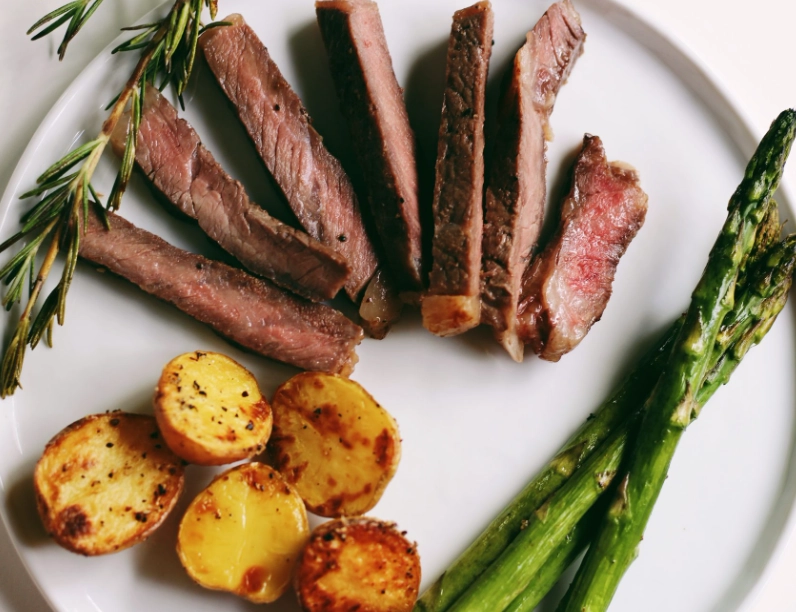
Gear Up: What You Need to Start
You don't need a pro kitchen. Here's the bare minimum:
- Sous vide circulator: Brands like Anova or Joule work great. I've had my Anova for 5 years—it's reliable and accurate.
- Container: A large pot or plastic bin. I use a 12-quart stockpot; just ensure it's heat-safe.
- Bags: Vacuum sealer bags or heavy-duty ziplock bags. Don't cheap out here—leaks are messy.
- Thermometer: A digital one to verify water temp. My circulator was off by 1.5°F once, so I always double-check.
That's it. No fancy gadgets. Some people add racks or weights, but I find them unnecessary for steak.
Picking the Perfect Steak Cut (It Matters More Than You Think)
Not all steaks are equal for sous vide. Fat content and thickness play huge roles.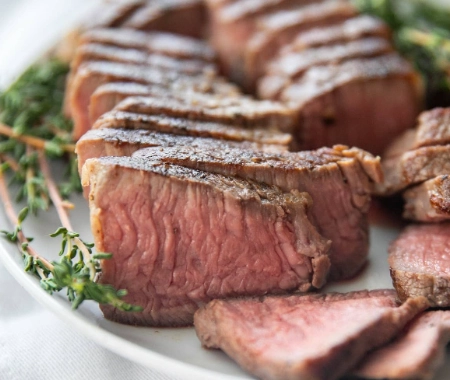
My go-to cuts: Ribeye for richness, strip steak for balance, filet mignon for tenderness. Avoid super thin cuts like skirt steak—they cook too fast and don't benefit much from sous vide.
Thickness matters most. Aim for 1.5 to 2 inches thick. Thin steaks overcook easily during searing. I learned this the hard way with a 1-inch sirloin that turned medium-well after searing. Thicker cuts give you a buffer.
Marbling is your friend. Sous vide renders fat slowly, making it buttery. A well-marbled ribeye at 137°F for 2 hours? Heaven.
The Step-by-Step Sous Vide Steak Process
Let's break it down. This isn't just a recipe; it's a method you can tweak.
Step 1: Season and Bag
Pat the steak dry with paper towels. Season generously with salt and pepper—don't be shy. Some add herbs or garlic, but I keep it simple to let the beef shine. Place it in a bag. If using a ziplock, use the water displacement method: submerge the bag in water, push air out, then seal.
Step 2: Set the Temperature
Refer to the chart below for temps. For medium-rare, I use 130°F. Fill your container with water, attach the circulator, and set it. Preheating takes 15-20 minutes.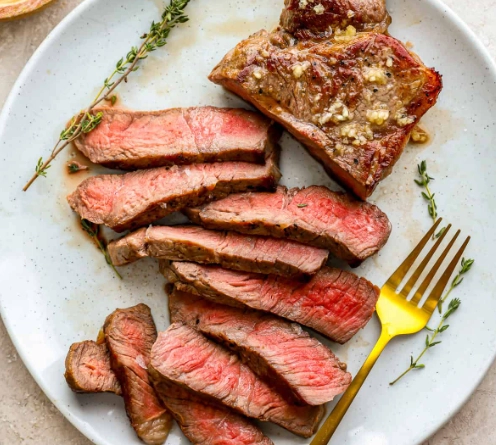
Step 3: Cook and Wait
Submerge the bag, ensuring the steak is fully underwater. Use clips to hold it down if needed. Cook for 1 to 4 hours depending on thickness. For a 1.5-inch steak, 1.5 hours is sweet spot. Longer won't overcook, but texture can change.
Step 4: Remove and Dry
Take the steak out, pat it extremely dry with paper towels. This step is crucial for searing. I've seen people skip it and end up with a steamed, grey crust.
The Critical Searing Step: How to Get That Restaurant-Quality Crust
Sous vide cooks the steak, but searing gives it flavor. Here's how to nail it.
Heat a cast-iron skillet over high heat until smoking hot. Add a high-smoke-point oil like avocado oil—don't use olive oil; it burns. Place the steak in, press down lightly. Sear for 60-90 seconds per side. Add butter, garlic, and thyme in the last 30 seconds for basting if you want.
A common mistake: searing too long. The steak is already cooked, so you're just browning the surface. I aim for a deep brown crust without cooking the interior further.
Let it rest for 5 minutes after searing. This redistributes juices. Slice against the grain and serve.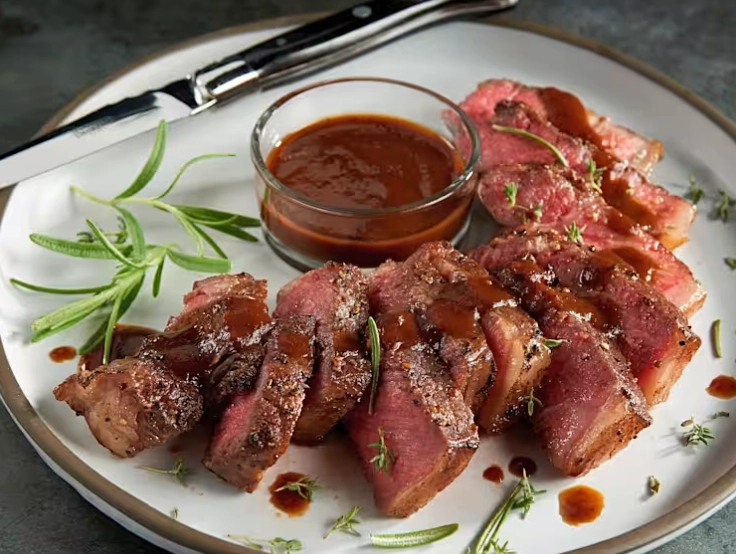
Sous Vide Steak Time and Temperature Chart
Use this table as a reference. Times are for 1.5-inch thick steaks. Thicker steaks may need longer, but don't exceed 4 hours for best texture.
| Doneness | Temperature (°F) | Temperature (°C) | Minimum Time | Maximum Time |
|---|---|---|---|---|
| Rare | 125°F | 51.7°C | 1 hour | 2.5 hours |
| Medium-Rare | 130°F | 54.4°C | 1 hour | 4 hours |
| Medium | 135°F | 57.2°C | 1 hour | 4 hours |
| Medium-Well | 145°F | 62.8°C | 1 hour | 4 hours |
Note: For food safety, the USDA recommends cooking beef to at least 130°F to reduce pathogens. I stick to 130°F or above.
Common Pitfalls and Pro Tips from a Decade of Cooking
Here's where most go wrong—and how to avoid it.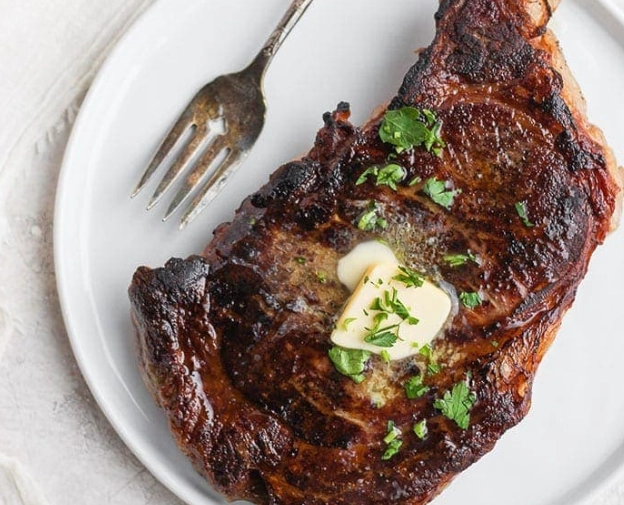
- Over-searing: The steak is already cooked. Sear just for crust. Use a timer.
- Wet steak before searing: Pat it dry. I mean really dry. Moisture is the enemy of browning.
- Wrong bag type: Use freezer-grade bags. Regular bags can melt and leak chemicals.
- Ignoring circulator accuracy: Check with a thermometer. Mine drifted over time, affecting results.
My pro tip: After sous vide, chill the steak in an ice bath for 10 minutes before searing. This prevents overcooking during searing, especially for thinner cuts. I do this for parties to manage timing.
Another thing: seasoning. Salt draws out moisture, but in sous vide, it's fine because the bag traps it. I salt heavily—about 1% of the steak's weight.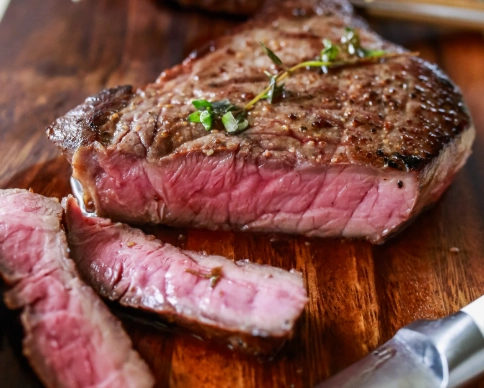
Frequently Asked Questions
That wraps it up. Sous vide steak isn't just a trend; it's a reliable way to elevate your cooking. Start with a thick ribeye at 130°F, sear it hot and fast, and taste the difference. If you have questions, drop a comment—I've probably tested it.