Quick Guide
Let's be honest. We've all been there. You see those spotty bananas on the counter, and you think, "Time for banana bread." You pull up a recipe, mix everything, cross your fingers, and an hour later... you get a loaf that's okay. Maybe it's a bit dry. Maybe the flavor is just a little flat. It's fine, but it's not the "oh wow" moment you were hoping for. What if I told you the secret weapon you're probably missing is already in your fridge or incredibly easy to make? That's right, we're talking about buttermilk.
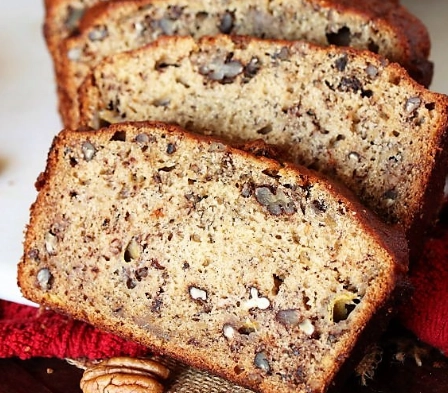
This isn't just another recipe. This is the banana bread recipe with buttermilk that finally delivers on all the promises. Moist, tender crumb? Check. Deep, complex banana flavor that isn't just sweet? Check. A crust that has the perfect balance of crisp and tender? You bet. I've tested this more times than I can count, tweaking ratios, oven temperatures, and mixing methods. The version I'm sharing with you is the one my family now refuses to let me change. It's the one neighbors ask for after tasting a slice.
Why Buttermilk is the Game-Changer for Banana Bread
You might be wondering, "Can't I just use regular milk?" Technically, yes. But you'll be missing out on the transformative power of this one ingredient. Think of buttermilk as the behind-the-scenes director of your banana bread. It doesn't scream for attention, but without it, the whole production falls flat.
Here’s the science, made simple. The lactic acid in buttermilk does three crucial things. First, it tenderizes the strands of gluten that form when you mix flour and liquid. Less tough gluten means a more tender, cake-like crumb—no more dense, brick-like loaves. Second, that acid is the perfect partner for baking soda. When they meet, they create carbon dioxide bubbles, which is what gives your bread its lift and lovely, open texture. This reaction starts the moment they're combined, which is why you shouldn't let your batter sit around. Third, acidity brightens flavors. It cuts through the one-note sweetness and allows the nuanced, almost floral notes of ripe banana to come forward.
I learned this the hard way. For years, my banana bread was just... good. It was reliable. Then I tried a version with buttermilk on a whim. The difference wasn't subtle. The crust was more caramelized, the interior stayed moist for days, and the flavor had a depth I didn't know was possible. It was the difference between a snack and a treat.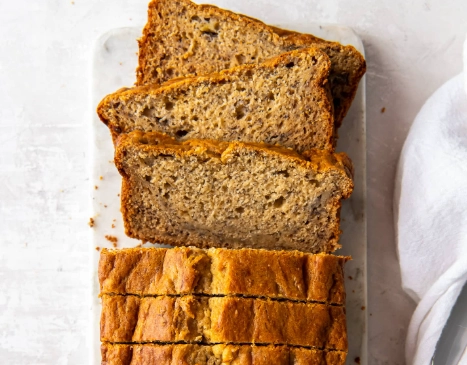
Buttermilk 101: Substitutes and How to Make Your Own
No buttermilk in the carton? Don't panic. You have options. The classic kitchen hack is the milk-and-lemon-juice or milk-and-vinegar trick. For every cup of milk, add one tablespoon of white vinegar or lemon juice. Stir and let it sit for 5-10 minutes until it looks slightly curdled. It works in a pinch for this buttermilk banana bread recipe, but I have to be honest—the flavor profile is a bit sharper, less rounded than the real deal. For a more authentic tang, some bakers prefer using plain yogurt or sour cream thinned with a little milk. The thickness is different, so you might need to adjust slightly.
If you find yourself baking often, consider powdered buttermilk. You just mix the powder with water when you need it. It's a shelf-stable lifesaver. For the purists wanting to understand the real product, the U.S. Dairy Association has a great resource on traditional buttermilk and its modern cultured version.
The Foolproof Buttermilk Banana Bread Recipe
Okay, enough talking. Let's bake. This recipe is forgiving but precise. Follow the steps, and you'll have a winner.
What You'll Need:
- The Ripest Bananas You Can Find: 3 large or 4 medium (about 1 ½ cups mashed). Black spots are good. The skin should be almost entirely brown. This is non-negotiable for maximum sweetness and flavor.
- All-Purpose Flour: 2 cups (I often use a blend—see the variations section below). Spoon and level it into your measuring cup, don't scoop!
- Granulated Sugar: ¾ cup. Yes, it's less than many recipes. The ripe bananas and buttermilk provide so much flavor and moisture that you don't need a cup and a half of sugar.
- Large Eggs: 2, at room temperature. They incorporate much better than cold ones.
- Buttermilk: ½ cup, at room temperature. This is our star.
- Unsalted Butter: ½ cup (1 stick), melted and slightly cooled. Using oil is fine, but butter gives a richer flavor and better crust.
- Baking Essentials: 1 tsp baking soda, ½ tsp baking powder, ¾ tsp fine sea salt.
- Flavor Boosters: 1 tsp pure vanilla extract. A dash of cinnamon or nutmeg is optional but lovely.
The Method: Mixing for Success
Preheat your oven to 350°F (175°C). Grease a 9x5 inch loaf pan really well, or line it with parchment paper for easy removal.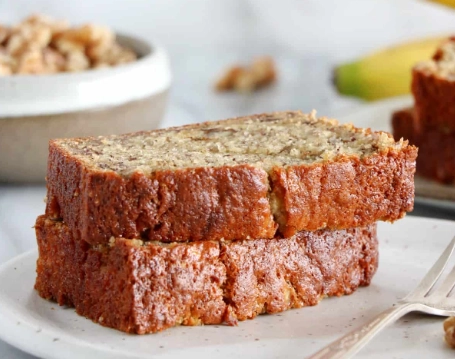
- Mash the Bananas: In a large bowl, peel and mash your super-ripe bananas with a fork. You want them mostly smooth but with a few tiny lumps for texture. Stir the melted butter into the warm banana mash. This helps the butter incorporate without solidifying.
- Combine the Wet Ingredients: To the banana-butter mixture, whisk in the sugar, eggs, buttermilk, and vanilla until everything is smooth and homogenous.
- Whisk the Dry Ingredients: In a separate bowl, whisk together the flour, baking soda, baking powder, and salt. This is crucial for even distribution of the leaveners. If you're adding spices, add them here.
- The Final Mix: Add the dry ingredients to the wet ingredients. Now, here's the key: fold gently with a spatula until just combined. You should still see a few streaks of flour. Do not overmix! Overmixing develops gluten, which leads to toughness. A few lumps are perfectly fine.
- Bake: Pour the batter into your prepared pan and smooth the top. Bake for 55-65 minutes. Start checking at 55 minutes. The top should be a deep golden brown, and a toothpick or skewer inserted into the very center should come out with just a few moist crumbs attached, not wet batter.
- Cool (The Hardest Part): Let the loaf cool in the pan on a wire rack for at least 20 minutes. Then, run a knife around the edges and gently lift it out to cool completely on the rack. I know, waiting is torture. But slicing into a warm loaf can make it gummy. The structure needs time to set.
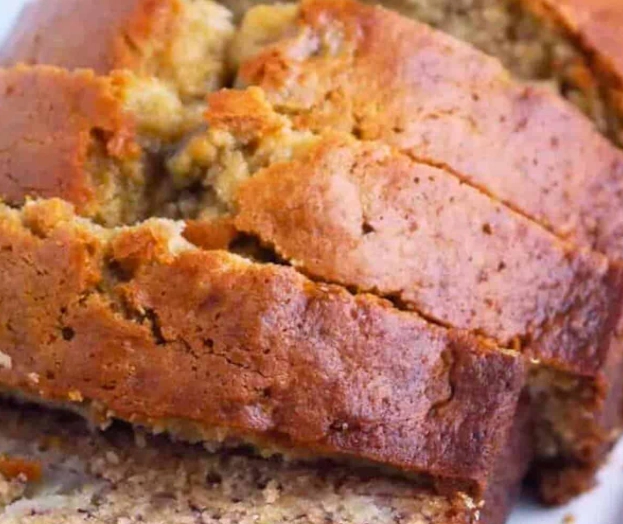
Leveling Up: Variations on Your Buttermilk Banana Bread
The base recipe is perfect as is, but why not play around? Here are some crowd-pleasing twists.
| Variation | How-To | Flavor & Texture Note |
|---|---|---|
| Chocolate Chip | Fold in 1 cup of semi-sweet or dark chocolate chips with the dry ingredients. | A classic for a reason. The bitterness of dark chocolate cuts the sweetness perfectly. |
| Nutty & Whole Wheat | Replace 1 cup of all-purpose flour with whole wheat flour. Fold in ¾ cup chopped walnuts or pecans. | Adds a lovely, nutty depth and a heartier texture. The buttermilk keeps the whole wheat from being dry. |
| Double Banana | Slice a fourth banana in half lengthwise and place on top of the batter before baking. | Creates a beautiful, caramelized banana top. Looks impressive, tastes amazing. |
| Spiced & Cozy | Add 1 tsp cinnamon, ¼ tsp nutmeg, and ¼ tsp ground ginger to the dry ingredients. | Transforms it into a fall/winter spice loaf. Smells incredible while baking. |
My personal favorite is the nutty whole wheat version. I know, whole wheat in banana bread sounds healthy and potentially dry. But trust me, with the buttermilk, it stays incredibly moist and has this wholesome, satisfying quality that makes you feel good about having a second slice.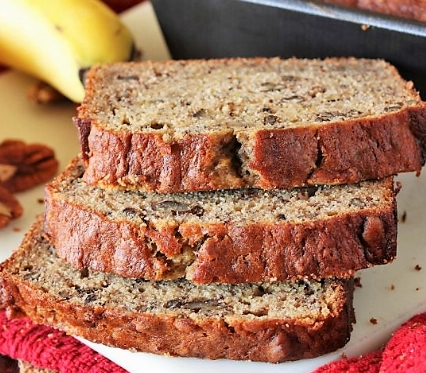
Your Banana Bread Questions, Answered
After sharing this recipe for banana bread with buttermilk with friends, I get the same questions. Let's tackle them head-on.
The Science of Storage: Keeping It Moist
You've baked the perfect loaf. Now, how do you keep it that way? The enemy is air, which dries out baked goods. Here’s a quick comparison of methods I've tested side-by-side with this specific buttermilk banana bread recipe.
On the Counter (Wrapped): Best for 1-3 days. Wrap the cut end with plastic wrap or beeswax wrap, or store the whole loaf in a cake keeper. The crust stays slightly firmer, which some people prefer.
In the Refrigerator: I don't recommend it for plain banana bread. The cold environment accelerates starch retrogradation (a fancy term for getting stale and dry). It can make the texture more crumbly and less tender. Only refrigerate if your add-ins (like cream cheese) require it.
In the Freezer: The champion for long-term storage. As described above, a double-wrapped loaf retains almost all its moisture and flavor for months. It's like a little gift to your future self.
Choosing Your Ingredients: Does Quality Matter?
Let's get real. You can make a decent loaf with standard supermarket ingredients. But a few smart choices can elevate it from great to extraordinary.
Flour: All-purpose is perfect. For a more professional approach, look for flour with a moderate protein content (around 10-11%). King Arthur All-Purpose is a consistent favorite among home bakers. The protein content affects gluten development, which directly impacts tenderness. You can learn more about flour science from resources like the Wheat Foods Council.
Butter vs. Oil: I firmly stand by melted butter for flavor and crust. However, if you want an even more moist (some might say oily) crumb that stays that way for days, a neutral oil like avocado or grapeseed can work. It's a texture preference.
The Bananas: This is where you should not compromise. The riper, the better. The starch has fully converted to sugar, giving you maximum sweetness and that deep, almost fermented banana aroma that is the soul of the bread. No amount of sugar can replicate it.
So, there you have it. More than just a banana bread recipe with buttermilk, this is a blueprint for understanding why each step matters. It's the recipe that solved my own mediocre banana bread problems, and I'm confident it will solve yours too. It respects the ingredients, leans on the science of buttermilk, and delivers a result that feels both comforting and special. Now, go check your bananas. I think they might be ready.