Let's be honest. For most people, dill means one thing: pickles. It's the flavor of a crunchy dill spear next to a burger. But if that's the only place you meet this herb, you're missing out on one of the most versatile, bright, and easy-to-use flavors in the kitchen. I remember buying a huge bunch for a potato salad recipe years ago, using two tablespoons, and watching the rest slowly turn to slime in my fridge. It felt wasteful and frustrating. That's when I decided to figure dill out. Now, it's a weekly staple, not a special occasion guest.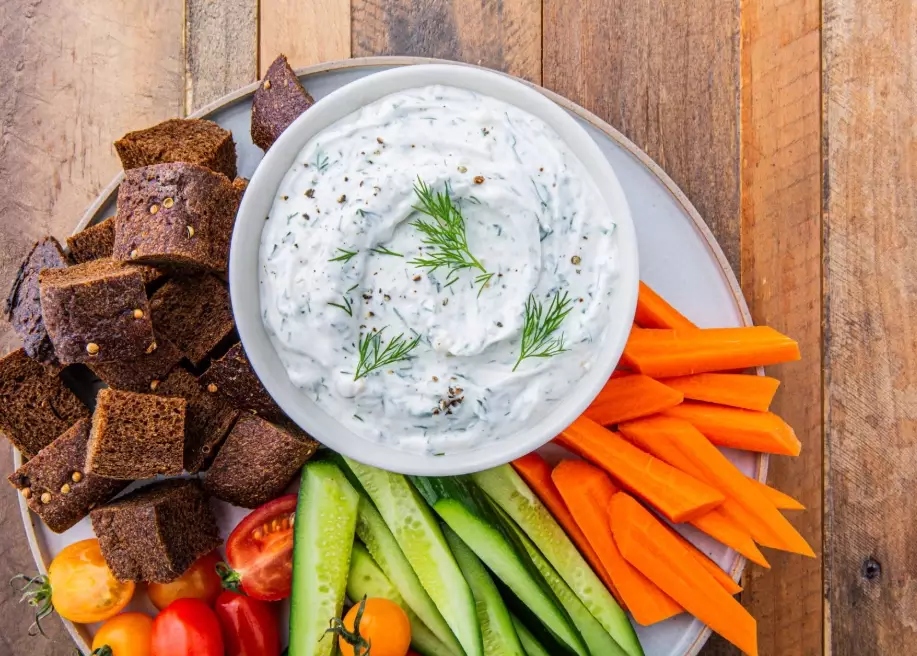
What's Inside This Guide
Why Dill Deserves a Spot in Your Kitchen
Dill has a unique personality. It's grassy and fresh like parsley, but with a subtle anise or licorice note that isn't overpowering. It also carries a hint of citrus. This complexity lets it play well in many arenas.
It bridges the gap between rich and light. A spoonful of dill sauce cuts through the fattiness of salmon or lamb. A handful tossed into a potato salad makes it taste alive, not heavy. It's the reason Greek tzatziki is so refreshing.
Nutritionally, it's more than just a garnish. Dill is a source of vitamins A and C, and some minerals like manganese. The University of Maryland Medical Center has referenced traditional uses of dill for digestive aid, which makes sense when you think about how often it's paired with rich or hard-to-digest foods.
But the real, practical reason to keep dill around? Speed. When you're staring into the fridge at 6 PM, a handful of fresh dill can transform basic ingredients. Sour cream + dill = instant veggie dip. Yogurt + dill + garlic = sauce for grilled chicken. Butter + dill + lemon zest = compound butter for steak or corn. It's a five-second flavor upgrade.
Essential Dill Recipes to Master
These aren't just recipes; they're templates. Learn these, and you'll have a repertoire of dill uses that work year-round.
#1: The 5-Minute Greek Yogurt Dill Sauce
This is your workhorse. I make a batch almost every Sunday for the week ahead.
Ingredients: 1 cup full-fat Greek yogurt, 1/4 cup finely chopped fresh dill, 1 small minced garlic clove (or 1/2 tsp garlic powder), juice of 1/4 lemon, salt, pepper. Optional: a drizzle of olive oil, finely chopped cucumber.
Method: Mix everything. That's it. Let it sit for 30 minutes if you can. The magic happens in the fridge.
Uses: Dollop on baked salmon, use as a dip for raw veggies or pita, thin with a little water for a salad dressing, spread on a turkey sandwich. It keeps for 5 days.
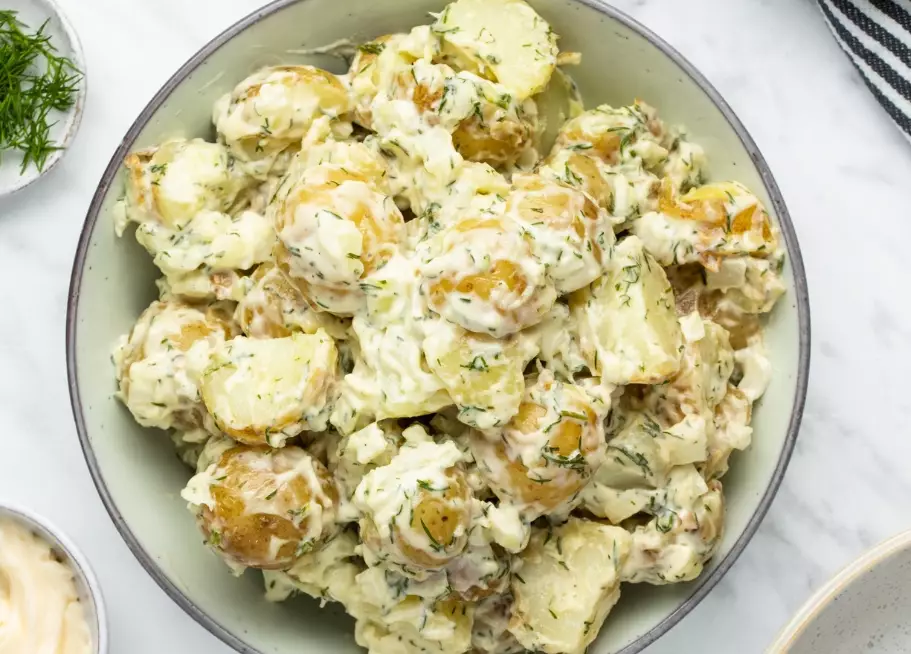
The Classic Potato Salad Upgrade: Forget the gloppy, sweet stuff. For 2 lbs of boiled, cooled potatoes, mix in 1/2 cup mayo (or half mayo, half yogurt), 2 tablespoons whole grain mustard, 3/4 cup chopped dill, 4 sliced scallions, and a big pinch of salt. The dill is the star here, making it herbaceous and light.
Dill & Lemon Pan Sauce for Chicken or Fish: After pan-searing your protein, remove it. Add 1/2 cup chicken or veg broth to the hot pan, scraping up the browned bits. Let it simmer and reduce by half. Off the heat, swirl in 2 tablespoons of cold butter and a handful of chopped dill. Spoon immediately over the chicken or fish. The heat wilts the dill perfectly without killing its flavor.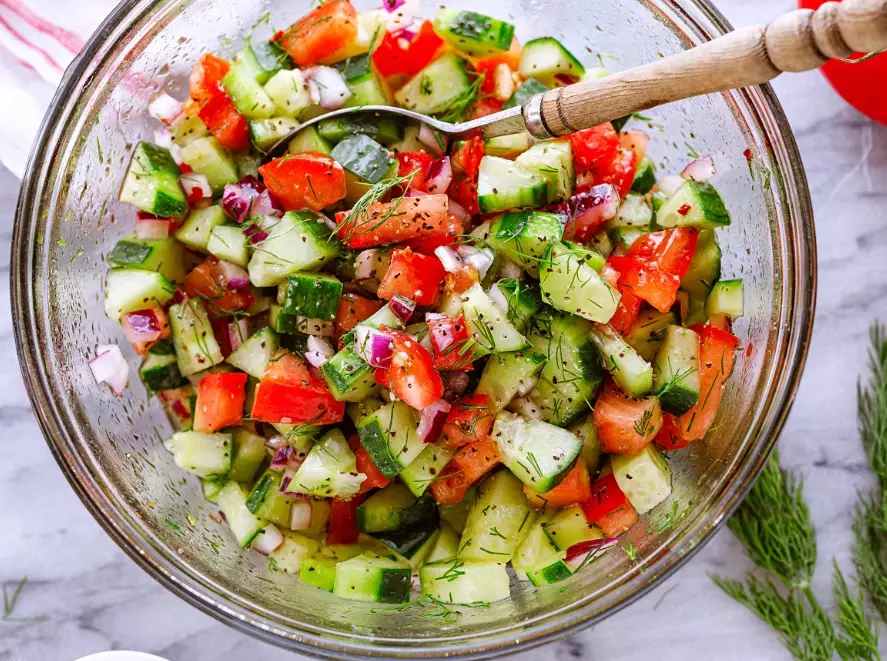
Understanding Dill's Flavor Partners
Dill isn't a lone wolf. It thrives in specific company. Knowing this helps you improvise.
| Flavor Partner | Why It Works | Example Dish |
|---|---|---|
| Lemon & Citrus | Amplifies dill's inherent brightness and cuts richness. | Lemon-Dill Butter, Avgolemono soup with dill. |
| Garlic & Onion | Provides a savory, pungent base that grounds dill's lightness. | Tzatziki, Dill Dip, Potato Salad. |
| Cream, Yogurt & Sour Cream | The cool, fat medium carries and mellows dill's flavor perfectly. | Cucumber-Dill Raita, Creamy Dill Salad Dressing. |
| Fish & Seafood | A classic pairing. Dill's freshness complements the ocean flavor. | Gravlax, Poached Salmon with Dill Sauce, Shrimp Salad. |
| Cucumber & Zucchini | Their mild, fresh flavor is a perfect canvas for dill's character. | Greek Salad, Zucchini-Dill Fritters. |
How to Use Dill Like a Pro (Not a Beginner)
Here's where most recipes and guides fall short. They tell you to add dill, but not how to maximize its effect. These are the subtle details I've learned through trial and error.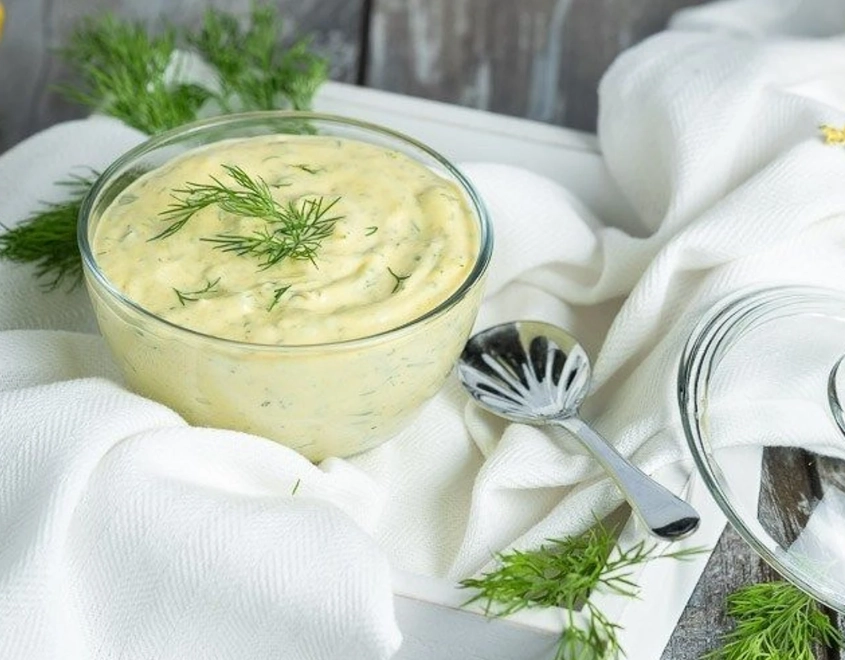
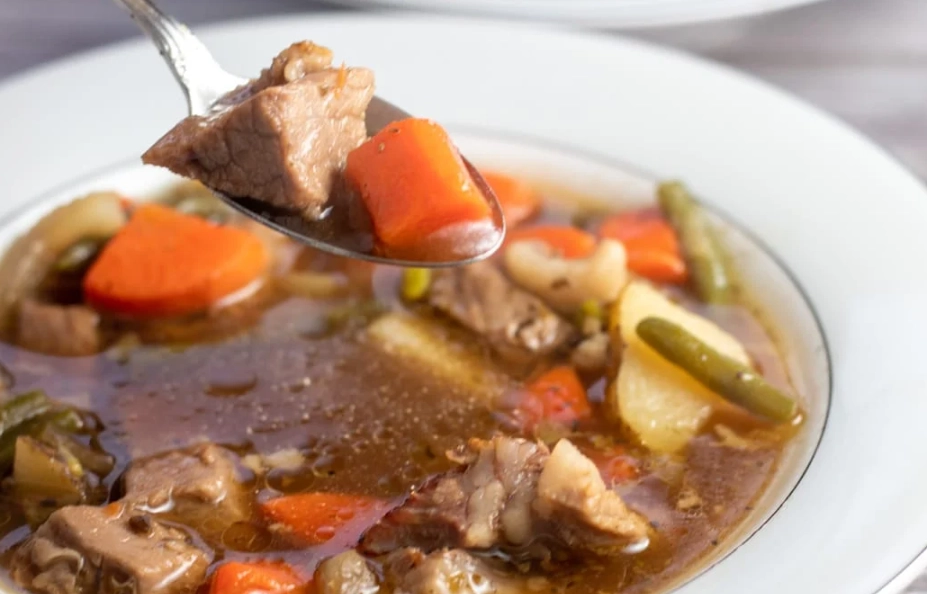
Timing is everything. Dill's delicate flavor compounds are volatile and are destroyed by heat. If you're adding dill to a hot soup, stew, or sauce, do it in the final 60 seconds of cooking, or just as you're serving. Stir it in, then turn off the heat. I've made the mistake of adding dill to a simmering pot of soup; 20 minutes later, the flavor was a ghost.
Chop it fine, but not to dust. You want to release the oils, but turning it into a green paste can make it bitter. A rough chop is often better than a mince for garnishes, giving little bursts of flavor.
A pro tip nobody talks about: use the stems. Those thicker stems you usually throw away? They're packed with flavor. Rinse them, then toss them into a pot of stock or soup while it's simmering. Remove them before serving. It's a free flavor booster.
Store it like cut flowers. This changed my life. Don't just shove the bunch in the crisper drawer. Trim the ends, place the bunch in a jar or glass with an inch of water, cover with a plastic bag, and refrigerate. It stays crisp for over a week.
Here's a non-consensus opinion: Dill is a secret weapon for eggs. Scrambled eggs with cream cheese, smoked salmon, and dill? Incredible. An omelet with goat cheese and dill? Even better. It lifts the richness and adds a sophisticated note.