Let's be honest. The first time I read a classic duck confit recipe, I almost gave up. It sounded like something only French grandmothers and fancy restaurant chefs could pull off. Pages of instructions, weird terms, and a cooking time that felt longer than a flight to Paris. I thought, there's no way I'm rendering my own fat and curing duck legs for a day just for dinner.
Quick Guide
- What Is Duck Confit, Really? (And Why Bother?)
- The Non-Negotiables: What You Absolutely Need
- The Step-by-Step Duck Confit Recipe (No Fear)
- Common Questions (And Real Answers)
- Beyond the Basic: Variations and Ideas
- A Quick Comparison: Traditional vs. Common Shortcuts
- Troubleshooting Your Duck Confit
- Your Duck Confit Recipe Checklist
What Is Duck Confit, Really? (And Why Bother?)
Before we dive into the how, let's talk about the what. Confit is a preservation method. The word comes from the French "confire," which means "to preserve." Historically, it wasn't a fancy dish—it was practical. Before refrigeration, people in southwest France needed a way to store meat through the winter. So they salted it, cooked it slowly in its own fat, and let it sit submerged in that fat, which acted as a barrier against air and bacteria.
The magic happens during the slow, low-temperature cook. The connective tissue in the duck leg (mostly collagen) breaks down into gelatin. This is what gives you that unbelievably tender, almost creamy texture that pulls cleanly off the bone. The skin, if you finish it right, transforms into the crispiest, most flavorful crackling you've ever had.
Why bother with this duck confit recipe when you could just roast a duck leg? Texture and depth. Slow-cooking in fat conducts heat evenly and gently, preventing the muscle fibers from seizing up and getting tough. It also allows flavors to penetrate deeply. A roasted leg can be delicious. A confit leg is a completely different experience—rich, complex, and incredibly succulent.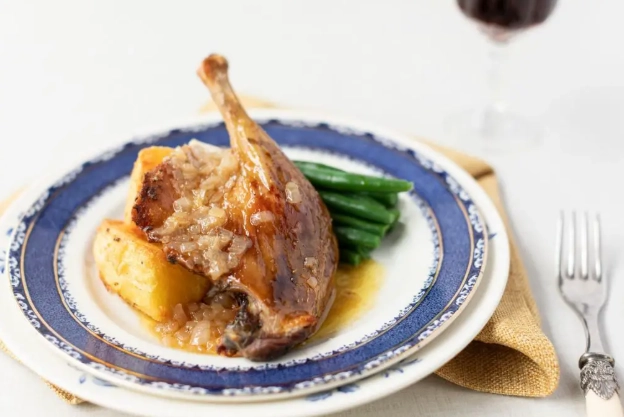
The Non-Negotiables: What You Absolutely Need
You can't cut corners on a few things. Well, you can, but the result won't be duck confit. It'll be something else. Here's what truly matters.
The Duck: Legs and Thighs are King
Breasts won't work for a traditional duck confit recipe. They're too lean. You need the legs and thighs, with their higher fat content and connective tissue. This is where the magic lives. You can buy them separately, which is often easier and more economical. Look for packages of "duck leg quarters" or "moulard duck legs." Moulard is a cross between a Pekin and a Muscovy duck, and it's often preferred by chefs for confit because of its size and flavor. But standard Pekin (or Long Island) duck legs work beautifully.
A quick note on sourcing: If you have a local butcher, great. If not, many higher-end grocery stores now carry duck legs. I've also had consistent success ordering them online from reputable poultry suppliers. The quality of the duck is your foundation.
The Fat: The Heart of the Matter
This is the big one. You need fat to submerge the legs. The classic choice is rendered duck fat. It's not as hard to find as you think—many grocery stores sell jars of it near the butter or oils. You can also save and render your own from other duck cooking projects (like if you buy a whole duck and trim it), but for your first time, just buy it. You'll need a fair amount, about 1 to 1.5 quarts (or liters) to cover 4-6 legs in a pot.
The Salt and Aromatics: Building Flavor from the Inside
The cure isn't just for preservation anymore (since we have fridges). It's your primary seasoning step. You're not just adding saltiness; you're allowing the salt to penetrate the meat, seasoning it throughout and beginning the process of breaking down proteins.
Beyond salt, this is where you can play. The classic aromatics are garlic, thyme, and bay leaf. Black peppercorns are common. But you can add juniper berries, cloves, rosemary, or orange zest. Don't go overboard. The duck flavor should be the star.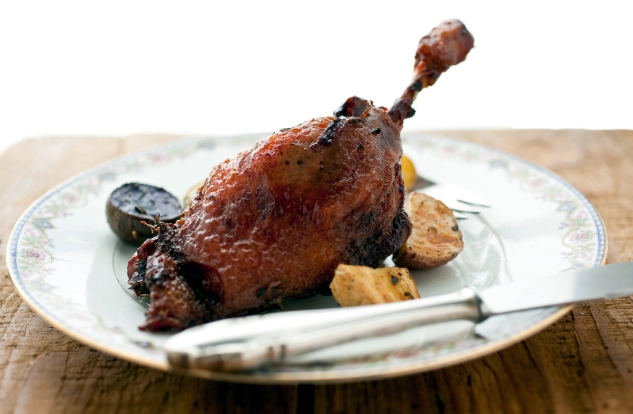
My Go-To Cure Mix (for 4 large duck legs):
- 1/4 cup (about 60g) Kosher salt (Diamond Crystal is my preference—it's less salty by volume than Morton's. If using table salt, use half the amount.)
- 4-6 cloves of garlic, lightly smashed
- 6-8 sprigs of fresh thyme (or 2 tsp dried)
- 2 bay leaves, crumbled
- 1 tablespoon black peppercorns, lightly crushed
That's it. Simple. Effective.
The Step-by-Step Duck Confit Recipe (No Fear)
Here’s the process, broken down so it feels manageable. The active time is minimal. It's mostly waiting.
Day 1: The Cure
1 Prep the duck. Pat the duck legs completely dry with paper towels. This is crucial. Any surface moisture will dilute your cure. Use a sharp paring knife to score the skin in a crosshatch pattern, being careful not to cut into the meat. This helps fat render and allows the cure to penetrate.
2 Apply the cure. In a small bowl, mix the salt with the other dry aromatics (like crumbled bay leaf, crushed peppercorns). Rub this mixture all over the duck legs, on both sides. Don't be shy. Place the legs in a single layer in a glass, ceramic, or stainless-steel dish. Scatter the garlic cloves and thyme sprigs over and around them.
3 Wait. Cover the dish tightly with plastic wrap and refrigerate. For how long? This is a debate. Traditional recipes say 24-48 hours. For a home cook, I find 12-24 hours is perfect. Overnight works great. Longer than 48 hours and the meat can start to get a little hammy in texture. For your first duck confit recipe, aim for overnight (about 12 hours).
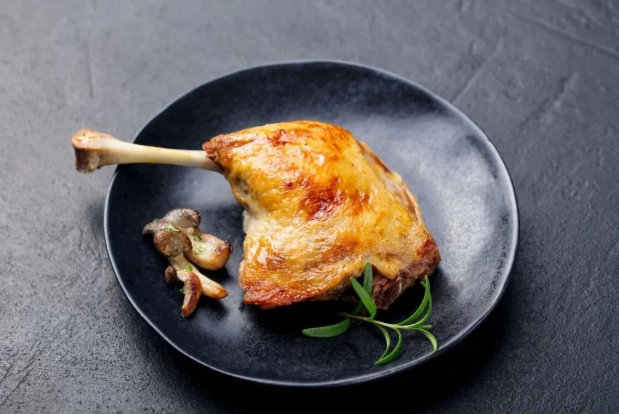 What's happening in there? The salt is drawing out moisture, creating a brine that gets reabsorbed, seasoning the meat deeply.
Day 2: The Cook
4 Rinse and dry. Take the duck legs out of the fridge. You'll see liquid in the dish. That's normal. Rinse each leg thoroughly under cold water to remove all the excess salt and aromatics. Pat them incredibly dry again. This step is non-negotiable for getting crispy skin later.
5 Choose your vessel. You need an oven-safe pot or deep baking dish where the legs can fit snugly in a single layer. A Dutch oven is ideal. Preheat your oven to a very low temperature—between 200°F and 250°F (95°C to 120°C). The goal is a gentle simmer, not a boil.
6 Melt and submerge. In your pot, melt the duck fat over low heat on the stovetop. You don't need it hot, just liquid. Place the dried duck legs in the fat, skin-side up. They should be completely submerged. If you're a little short, add a bit more melted fat or top it off with a neutral oil (like canola) to cover.
7 Slow cook. Once the fat is barely shimmering (not bubbling aggressively), cover the pot and transfer it to the preheated oven. Now, walk away. For a long time. This is where patience pays. Cook for 3 to 4 hours. You're looking for the meat to be extremely tender and pulling away from the bone easily. A fork or skewer should slide in with no resistance. The USDA recommends cooking poultry to 165°F (74°C) for safety, but in this moist, low-heat environment, holding it at 180-200°F (82-93°C) for hours achieves full safety and tenderness.
The Finish (When You Want to Eat)
8 Store or finish. Here's the beautiful part of this duck confit recipe: you don't have to eat it right away. In fact, it gets better. You can let the legs cool in the fat, then transfer them (still submerged) to a clean container and refrigerate for up to a few weeks. The fat seals and preserves them.
9 Crisp the skin. When you're ready to eat, preheat your oven to 400°F (200°C). Carefully remove a leg (or two) from the congealed fat, scraping off most of the excess. Place them skin-side up on a wire rack set over a baking sheet. Roast for 15-25 minutes, until the skin is deep golden brown, puffed, and crackling crisp. This step transforms it.
That's it. The core process. It's simple, just slow.
Common Questions (And Real Answers)
Let's tackle the stuff that keeps people up at night or makes them quit before they start.
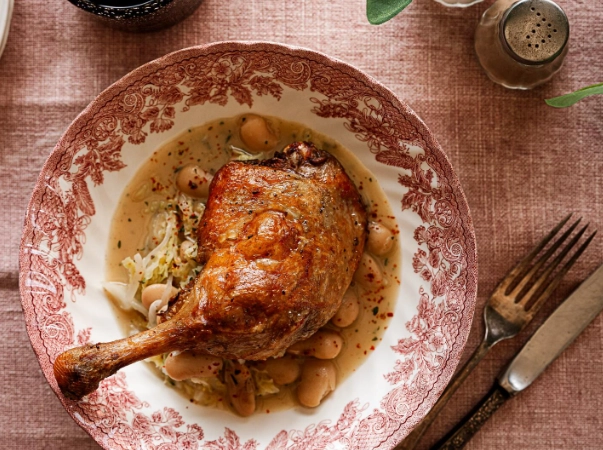
- A pile of buttery, garlicky white beans or lentils.
- A crisp, bitter green salad with a sharp vinaigrette to cut the fat.
- Simple roasted potatoes or root vegetables.
- In a cassoulet (the ultimate destination for duck confit).
- Shredded over a frisée salad with a poached egg (Frisée aux Lardons, but with confit).
Beyond the Basic: Variations and Ideas
Once you've mastered the basic duck confit recipe, you can play.
Spice Route: Add star anise, Szechuan peppercorns, and a slice of ginger to the cure for an Asian-inspired twist.
Herb Garden: Use loads of fresh rosemary, sage, and lemon zest.
Quick "Cheat" Method (The Sacrilege): Some chefs, for service speed, will slow-roast duck legs with a small amount of fat and stock in a tightly covered pan until tender, then crisp. It's delicious, but it's not a true preservation confit. It's a great weeknight method if you want the texture but aren't planning to store the legs.
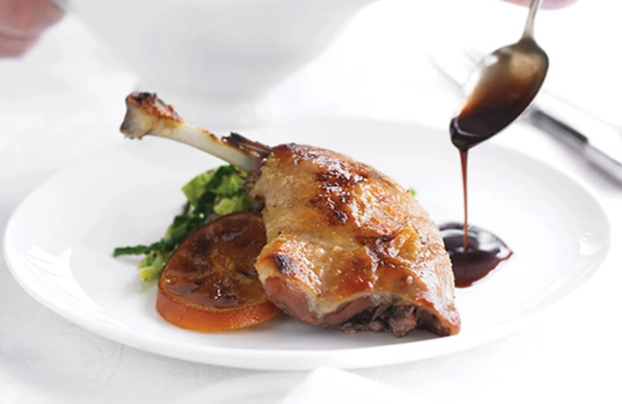 The real power of a true confit? Meal prep. Make a batch on a Sunday, store it in the fat, and you have an incredible, restaurant-quality protein ready to crisp up in minutes for multiple dinners.
A Quick Comparison: Traditional vs. Common Shortcuts
Let's look at what different methods actually give you. This table clears up a lot of confusion.
| Method | Process | Result | Best For |
|---|---|---|---|
| Traditional Confit | Dry cure (12-48 hrs), fully submerged in fat, slow cook (3-4 hrs), store submerged. | Deeply seasoned, incredibly tender, preservable for weeks. Authentic texture and flavor. | Meal prep, authentic French dishes, achieving the classic experience. |
| "Quick" Roast Method | Season, roast with a little fat/stock in covered pan at low temp (~300°F) for 2-3 hrs, then crisp. | Tender, flavorful meat. Can be slightly less uniform in texture. Not preservable. | Same-day eating, when you don't have duck fat or time for a long cure. |
| Sous-Vide Confit | Season, vacuum seal with some fat, cook in water bath at 165°F (74°C) for 8-12 hours, then crisp skin. | Extremely precise, consistently perfect tenderness. Requires special equipment. | Tech-minded cooks, large batches, ultimate control. |
The traditional method wins on flavor depth and storability, which is why it's the cornerstone of a true duck confit recipe.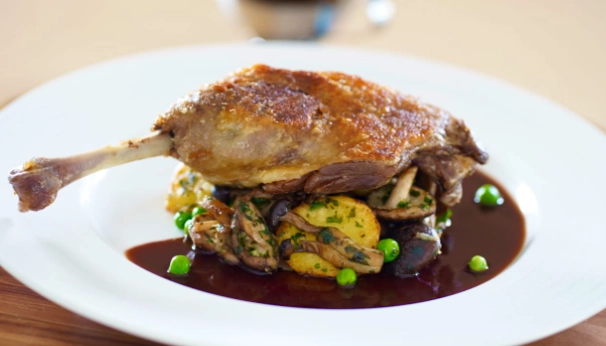
Troubleshooting Your Duck Confit
Things can go wrong. Here's how to fix or avoid them.
Problem: Rubbery, Chewy Skin.
Cause: Not scoring the skin deeply enough, or not getting it dry enough before the final crisping.
Fix: Score more aggressively next time. For now, you can try removing the skin and frying it separately in a hot pan until crisp, then serving it crumbled over the meat.
Problem: Meat is Dry.
Cause: Oven temperature was too high, cooking the meat too quickly before the fat could break down the collagen.
Fix: Sadly, you can't undo this. Use the meat shredded in a rich sauce, soup, or hash where added moisture can help. Next time, trust the low and slow.
Problem: Fat Smoked During Crisping.
Cause: Too much residual fat left on the leg before going into the hot oven.
Fix: Wipe the legs more thoroughly with paper towels before the final roast. Use a wire rack to elevate them so fat drips away.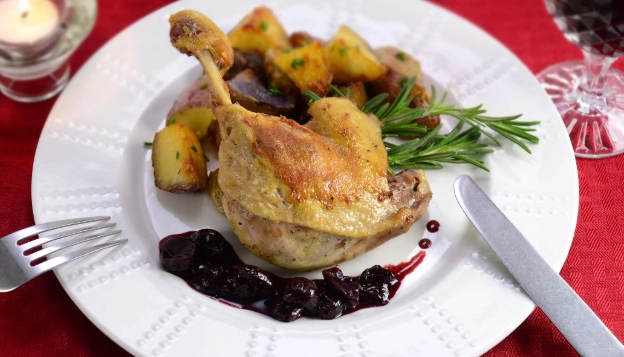
Your Duck Confit Recipe Checklist
Before you start, run through this list. It's everything in one place.
- ✅ Duck legs (4-6, depending on size)
- ✅ Kosher salt (about 1/4 cup for the cure)
- ✅ Aromatics (garlic, thyme, bay leaf, peppercorns)
- ✅ Duck fat (1 to 1.5 quarts, to submerge)
- ✅ A heavy, oven-safe pot with a lid (like a Dutch oven)
- ✅ Time: 30 mins active, 12-24 hrs curing, 3-4 hrs cooking.
- ✅ Patience. (The most important ingredient).
So there you have it. A duck confit recipe that doesn't talk down to you or bury you in unnecessary complexity. It respects the tradition but acknowledges you're cooking in a home kitchen, not a 19th-century farmhouse in Gascony. The process is a lesson in patience and technique, but the payoff is one of the most satisfying dishes you can possibly make. That crispy, shattering skin giving way to impossibly tender, flavorful meat? It’s worth every minute.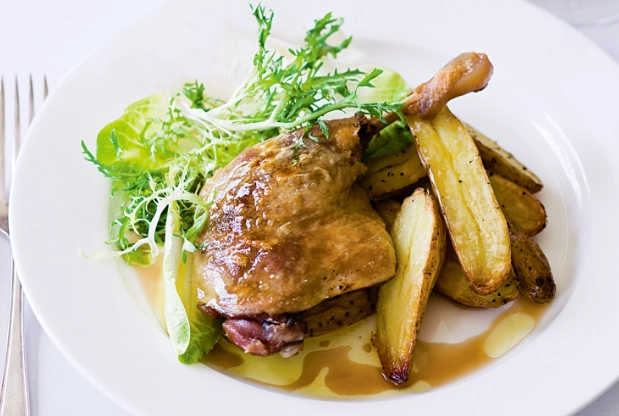
Give it a shot. Follow the steps, trust the process, and don't stress about perfection. Even my "failed" first attempt was still pretty darn good. And the second one? That's when I knew I'd never buy pre-made confit again.
Now, if you'll excuse me, I have some potatoes that are begging to be fried in that leftover duck fat.