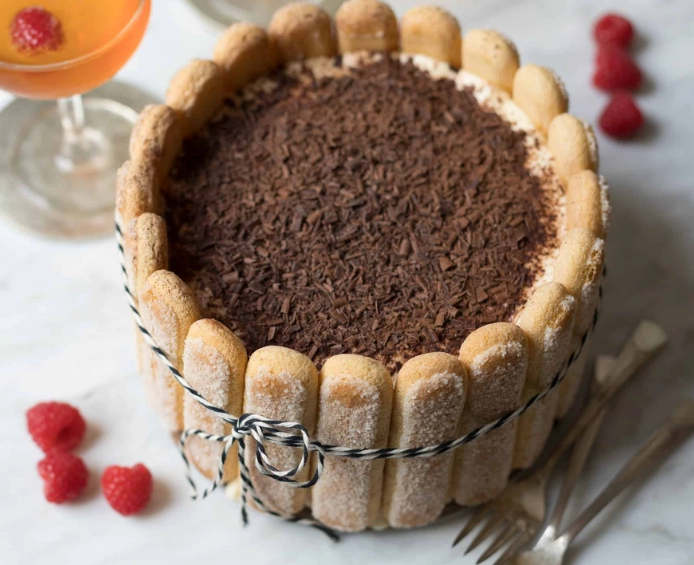
Tiramisu. Just saying the name makes you think of creamy layers, coffee-soaked biscuits, and that dusting of cocoa that somehow makes everything better. It's the dessert you order at an Italian restaurant when you want to feel fancy, but guess what? Making it at home isn't just possible; it's deeply satisfying. Forget the complicated myths. A truly great tiramisu hinges on a few simple, high-quality ingredients and understanding the why behind each step. I've made this dessert more times than I can count, for everything from Tuesday night treats to big holiday dinners. Let me walk you through it.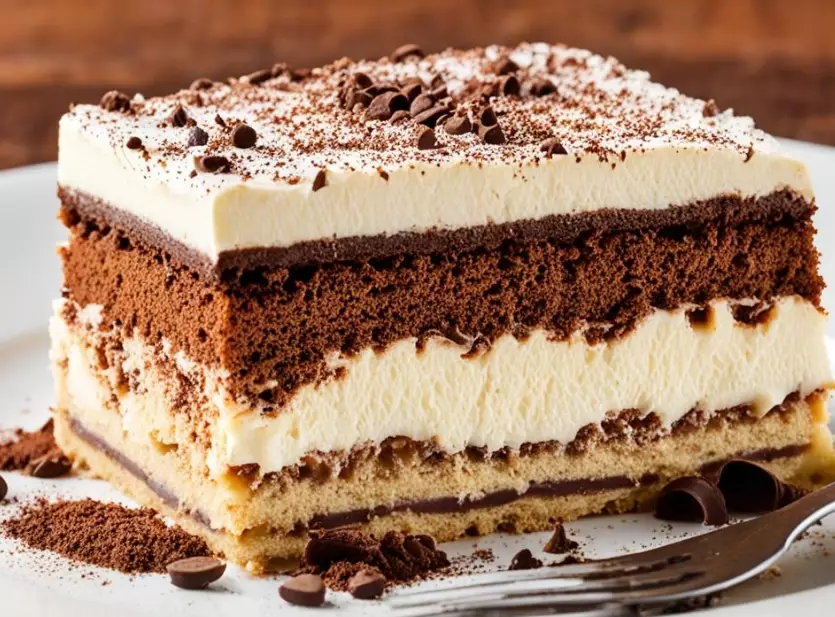
What You'll Find in This Guide
The Essential Tiramisu Ingredients: Quality Matters
You can't build a great house with cheap bricks. Same goes for tiramisu. Here's your shopping list, with some non-negotiable notes.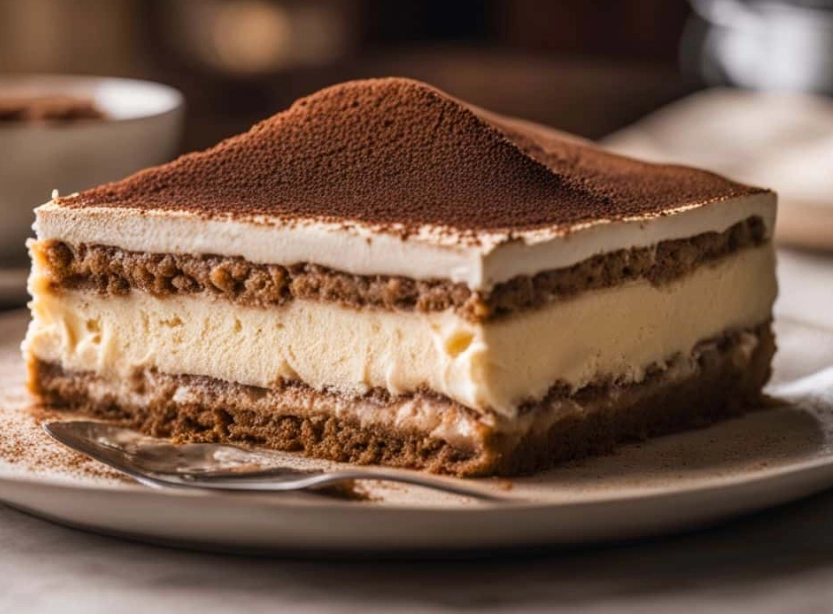
| Ingredient | What to Look For & Why It Matters |
|---|---|
| Mascarpone Cheese | This is the star. Don't substitute cream cheese. Look for full-fat, Italian mascarpone (like Galbani or Polenghi). Cheaper versions can be grainy or watery. Let it sit out for 20-30 minutes to soften slightly—it blends much easier. |
| Ladyfingers (Savoiardi) | You want the dry, crunchy Italian ladyfingers, not the soft, cakey ones. They hold their structure when dipped in coffee. Brands like Balocco or Vicenzovo are reliable. |
| Eggs | Fresh, large eggs. We use the yolks for the rich cream and the whites (optional but traditional) for a lighter texture. If you're concerned about raw eggs, see the FAQ for safe alternatives. |
| Strong Coffee | Espresso is ideal. If you don't have a machine, make very strong brewed coffee or use a Moka pot. Instant espresso powder dissolved in hot water works in a pinch, but the flavor is less complex. Never use flavored coffee. |
| Marsala Wine | The classic flavoring. A dry Marsala works best. Don't have it? Dark rum, Kahlúa, or even amaretto are good substitutes. A non-alcoholic version can just use coffee, but you'll miss a layer of flavor. |
| Granulated Sugar & Cocoa Powder | Regular white sugar is fine. For cocoa, use unsweetened, Dutch-processed cocoa powder for a darker, less acidic finish. A fine-mesh sieve is your friend for dusting. |
Step-by-Step: How to Cook Tiramisu Like a Pro
Let's break it down. This isn't a race. Take your time with each component.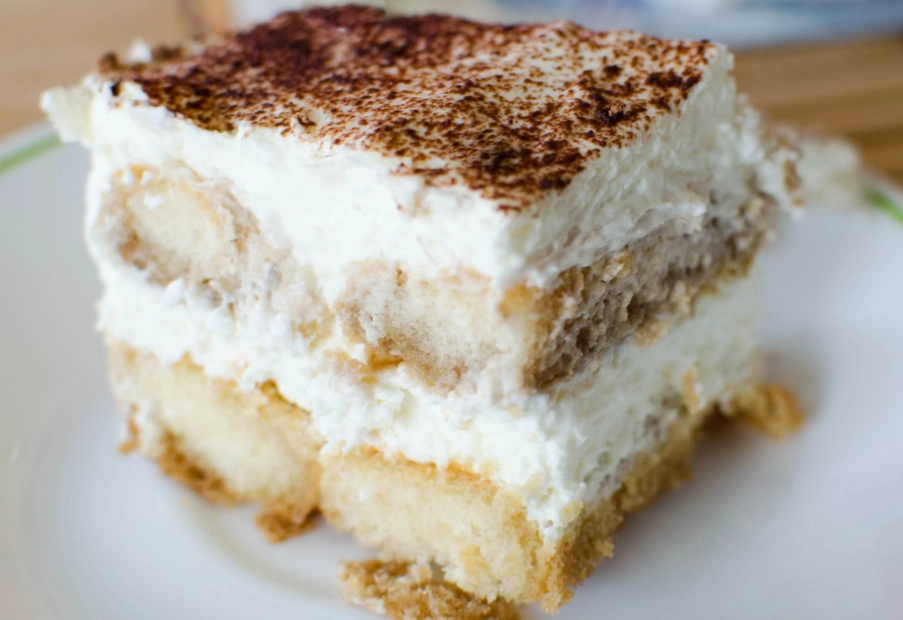
1. Brew and Prepare Your Coffee Mixture
Brew about 1 ½ cups of strong espresso or coffee. Let it cool to room temperature in a wide, shallow bowl (a pie plate works great). Stir in 2-3 tablespoons of your chosen Marsala wine or liquor. This is your dipping station. If it's too hot, it'll melt the cream later; too cold is fine.
2. Make the Zabaglione Cream (The Soul of the Dish)
This is where the magic happens. Separate 4 large eggs. In a large, clean bowl, beat the 4 egg yolks with ½ cup of granulated sugar. Use a hand mixer or stand mixer with the whisk attachment. Beat on medium-high speed for 5-8 minutes. Don't skimp. You're looking for it to become very pale yellow, thick, and form ribbons that hold their shape for a second when the beaters are lifted. This step dissolves the sugar and creates the base structure of your cream.
Now, add the entire 16oz (450g) tub of softened mascarpone. Switch to a lower speed or fold by hand with a spatula just until combined and smooth. Over-mixing here can make the mascarpone separate and become grainy. I fold it in three batches to be safe.
3. Whip the Egg Whites (For Authentic Fluffiness)
In another clean, grease-free bowl, beat the 4 egg whites with a pinch of salt until they form stiff peaks. Gently fold about one-third of the whites into the mascarpone mixture to lighten it. Then, carefully fold in the rest until no white streaks remain. This step gives the cream its legendary light-yet-rich texture. If you omit it, your cream will be denser (still delicious, but different).
The Coffee Soak: The Heart of Tiramisu
This is the step most people get wrong, leading to a soggy mess or a dry cake.
Take one ladyfinger. Dip it into the coffee mixture for 1 to 2 seconds total. Flip it once. It should feel moistened through but not dripping, not falling apart. Think of it like a sponge that's absorbed liquid but isn't swimming. If you see coffee pooling on the surface, you've gone too far. Practice with one or two. It's better to err on the side of too little coffee than too much.
The ladyfinger will continue to absorb moisture from the cream as it chills.
Assembling Your Tiramisu: Layers of Love
You'll need a 9x9 inch dish or a similar-sized serving dish.
First Layer: Quickly dip enough ladyfingers to create a single, tight layer in the bottom of your dish. You might need to break a few to fit the edges.
First Cream Layer: Spread half of your mascarpone cream evenly over the ladyfingers. I use an offset spatula for this, but a spoon works fine.
Repeat: Create a second layer of dipped ladyfingers, then top with the remaining cream.
The Final Touch: Smooth the top with your spatula. Now, take your fine-mesh sieve and dust a generous, even layer of unsweetened cocoa powder over the entire surface. This not only adds flavor but also creates that protective skin that keeps the cream looking perfect.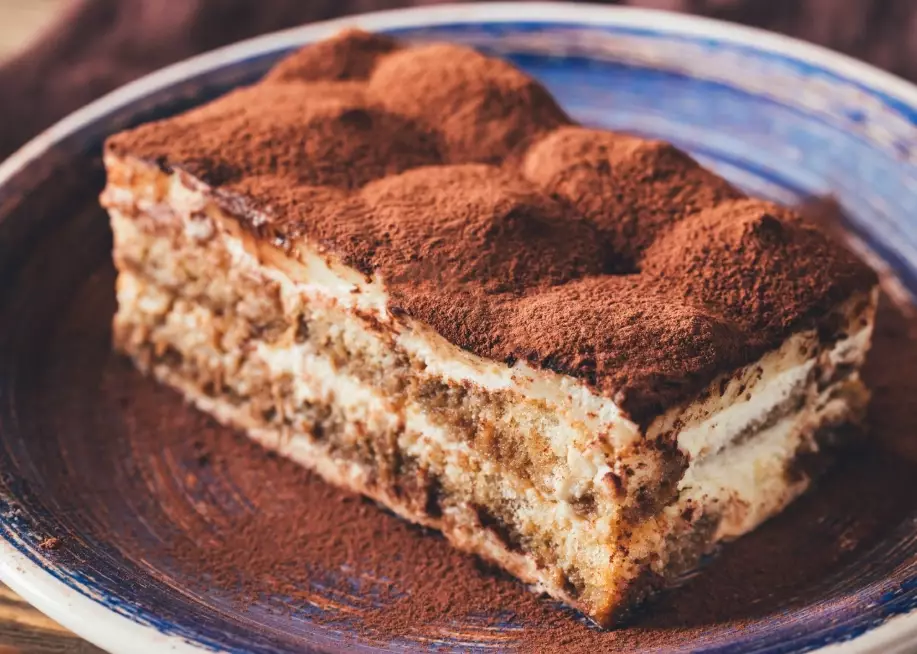
Chilling and Serving: The Final Act
Cover the dish tightly with plastic wrap. This is crucial. Refrigerate for at least 6 hours, but ideally overnight.
I know, waiting is hard. But this isn't a suggestion; it's a requirement. The chilling time allows the flavors to marry, the coffee to fully soften the biscuits, and the cream to set into that perfect, sliceable consistency. A tiramisu served after only two hours is a different, much looser dessert.
When ready to serve, cut with a sharp knife dipped in hot water for clean slices. You can give it another light dusting of cocoa right before serving if you like.
Expert Tips and Common Mistakes to Avoid
Let's get specific. After a decade of making this, here's what I see trip people up.
- Weak Coffee: Your coffee should be strong enough to stand up to the sweet cream. If it tastes like your morning cup, it's too weak. The coffee flavor should be pronounced.
- Overworking the Mascarpone: Once you add the mascarpone to the eggs, mix just until combined. Vigorous beating will break the emulsion, and you'll end up with a curdled-looking cream. Fold gently.
- Not Letting it Chill Long Enough: I'll say it again. Overnight is king. The texture transformation is remarkable.
- Using the Wrong Dish: A clear glass dish or a ceramic baking dish is perfect. Avoid metal pans if you can, as they can sometimes impart a slight taste during the long chill.
The first time I made tiramisu, I was so impatient I only chilled it for three hours. It was a delicious soup. Learn from my mistake.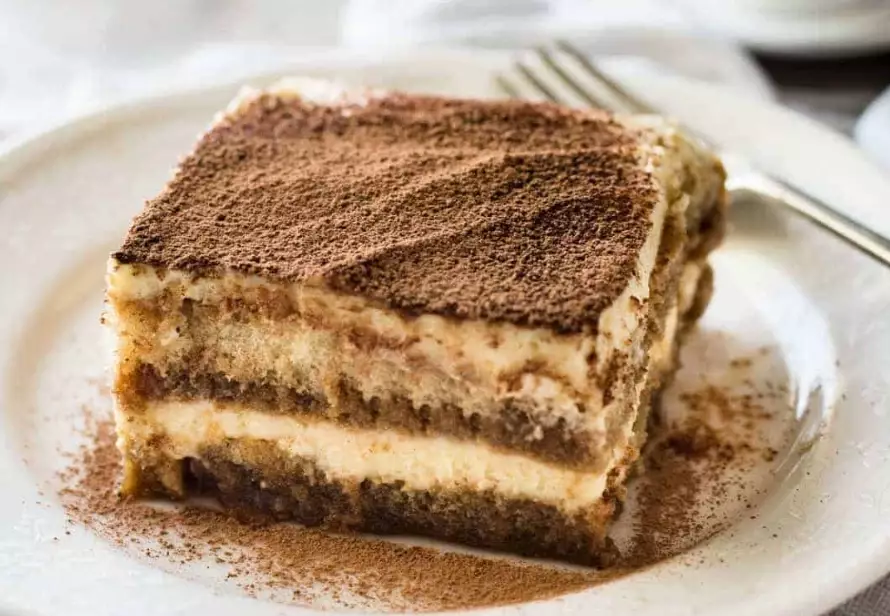
Tiramisu FAQ: Your Questions Answered
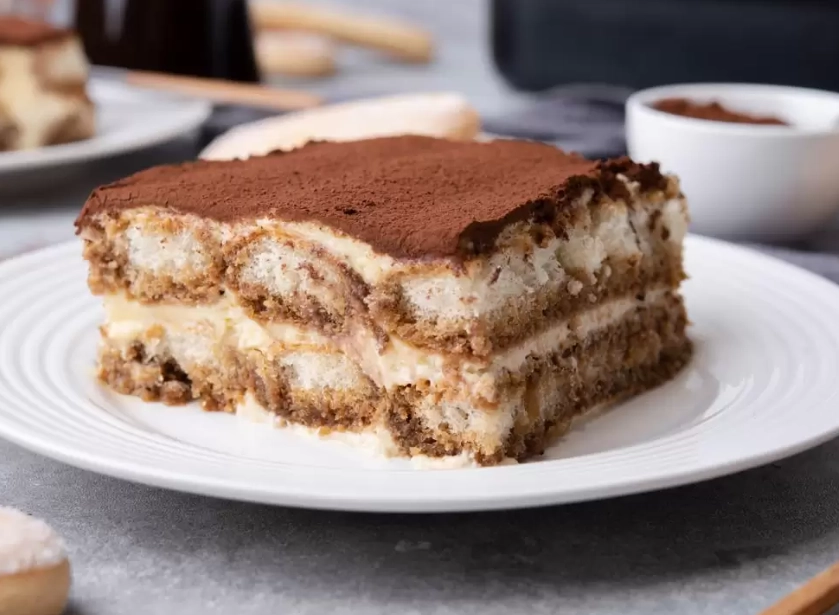 There you have it. Making tiramisu at home isn't about fancy techniques; it's about patience and respecting a few simple rules. It's a project that feels special, and the payoff—that moment you lift a perfect slice onto a plate—is worth every second. So grab your mascarpone, brew some strong coffee, and give it a try. You might just find your new favorite dessert to make.