In This Guide
- Why Beef Casserole? More Than Just a Meal
- The Foundation: Choosing the Right Beef
- The Classics: Beef Casserole Recipes That Never Fail
- Beyond the Basics: Creative Twists on Beef Casserole
- Your Beef Casserole Questions, Answered
- Common Mistakes (And How to Avoid Them)
- Wrapping It Up: Your Path to Casserole Greatness
Let's be honest, there's something almost magical about a beef casserole. You know what I mean. That moment you pull a deep, heavy dish from the oven, the aroma of slow-cooked beef, herbs, and vegetables filling the entire kitchen. It's the definition of comfort food. But here's the thing – not all beef casserole recipes are created equal. I've had my share of disappointments. Tough meat, watery gravy, flavors that just don't marry. It's frustrating.
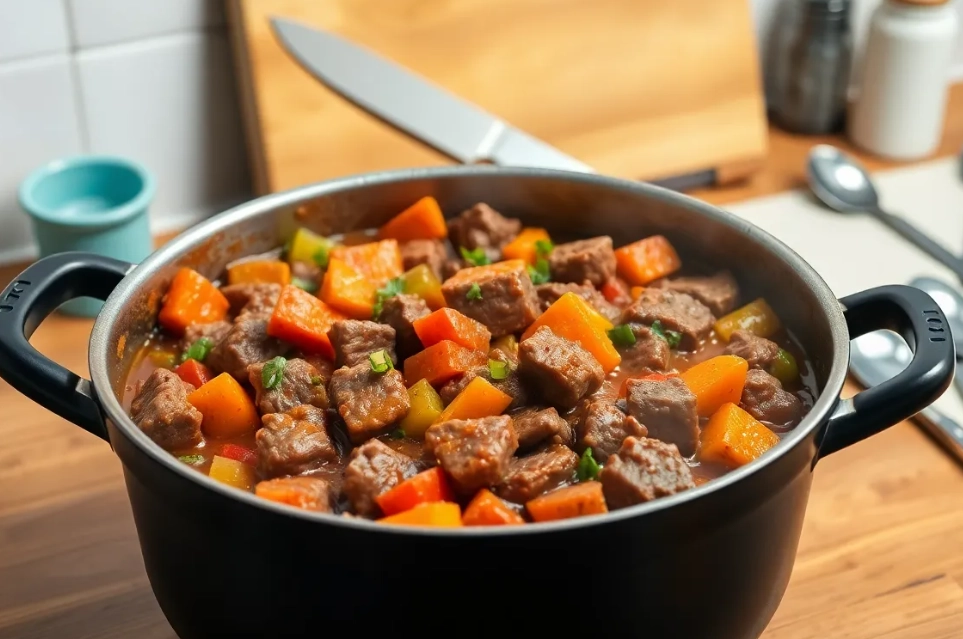
So, I spent a good chunk of time in my own kitchen, testing, tweaking, and sometimes starting over, to figure out what truly makes a great beef casserole. This isn't just a list of recipes. Think of it as your friendly, slightly obsessive guide to mastering the art. We'll talk about the best cuts of beef (this alone is a game-changer), the secrets to building flavor, and recipes that range from "set it and forget it" easy to impress-your-guests gourmet. Whether you're a beginner looking for a foolproof classic beef casserole or a seasoned cook wanting to elevate your game, there's something here for you.
The beauty of a beef casserole is its forgiving nature and incredible versatility. It's a one-pot wonder that asks for little attention but gives back so much in flavor and satisfaction. It's a weeknight savior and a weekend centerpiece all in one.
Why Beef Casserole? More Than Just a Meal
Before we dive into the recipes themselves, let's talk about why we're even here. Why search for beef casserole recipes in the first place? It's not just about feeding people. It's about solving problems. You need something that feeds a crowd without breaking the bank. You want a meal that can be made ahead of time because your evenings are chaotic. You're craving deep, satisfying flavors that feel like a hug. A good beef casserole recipe checks all those boxes.
I remember trying to throw a last-minute dinner party once. Panic set in. Then I remembered a beef and red wine casserole I had stashed in the freezer. Thawed it, reheated it, served it over mashed potatoes. My friends thought I was a culinary genius. The truth was just smart planning and a reliable recipe. That's the power we're dealing with here.
The Foundation: Choosing the Right Beef
This is where most recipes just tell you to use "stewing beef" and move on. Big mistake. The cut you choose is the single most important factor in your casserole's success. You want a cut with plenty of connective tissue and marbling. That collagen and fat break down over long, slow cooking, melting into the dish and turning the meat incredibly tender, while lean cuts just become dry and tough.
Top Beef Cuts for Your Casserole (Ranked by Flavor & Tenderness)
| Beef Cut | Fat/Connective Tissue | Best For | My Personal Take |
|---|---|---|---|
| Chuck Roast/Steak | High (Marbling & Collagen) | The ultimate all-rounder. Rich flavor, becomes fork-tender. | My absolute go-to. A bit more prep to cut, but worth every second. |
| Brisket | Very High | Deep, beefy flavor. Can be stringy if not cut correctly. | Fantastic flavor, but can be pricier. Cut against the grain! |
| Short Ribs (boneless) | Extremely High | Luxurious, melt-in-your-mouth texture. Super rich. | For a special occasion. Makes the most unbelievably rich gravy. |
| Shank | Very High (Collagen) | Great for broths and ultra-hearty casseroles. | Needs the longest cook time. The bone adds amazing flavor. |
| Round/Rump Roast | Medium-Low | Leaner option. Can work if sliced thinly and cooked carefully. | My least favorite for casseroles. Tends to dry out if you're not vigilant. |
See the pattern? Fat and collagen are your friends. The Beef Checkoff's guide to chuck roast confirms it's ideal for moist-heat cooking like braising, which is exactly what a casserole is. A government resource like the USDA's safe temperature chart is also crucial to have bookmarked – you'll want that beef to reach at least 145°F as a minimum, but for tough cuts, we're going much higher to break down the tissues.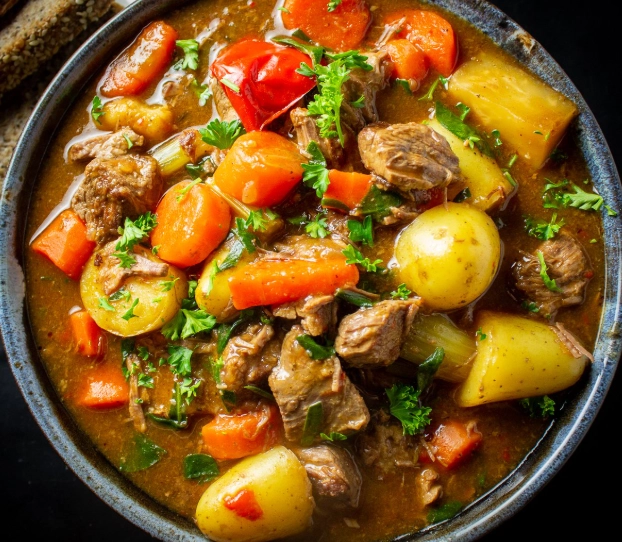
Pro Tip: Ask your butcher to cut a chuck roast into 1.5 to 2-inch cubes for you. It saves time and ensures even pieces. Don't go too small, or they'll overcook and shrink into little tough nuggets. I learned that the hard way.
The Classics: Beef Casserole Recipes That Never Fail
These are the pillars. The recipes that have been passed down, scribbled on notecards, and perfected over generations. They're classics for a reason – they work. When you're looking for the best beef casserole recipe to start with, this is your landing zone.
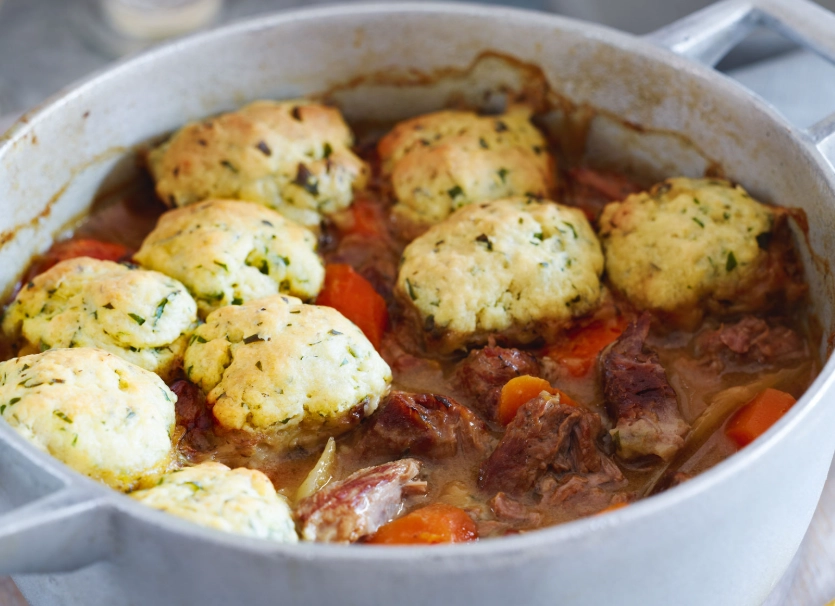
#1: The Ultimate Beef & Red Wine Casserole
This is the king of beef casserole recipes in my book. It feels fancy but is deceptively simple. The red wine (use something you'd actually drink, not "cooking wine") adds a beautiful depth and acidity that cuts through the richness.
Here's my method, refined after a few bland versions. Brown the beef chunks in batches. Don't crowd the pan, or you'll steam them. That golden-brown crust (the Maillard reaction, if we're getting technical) is non-negotiable flavor. Remove the beef, then sauté a heap of onions, carrots, and celery (a mirepoix) in the same pot. Add a few tablespoons of tomato paste and cook until it darkens a shade. That's another flavor booster most people miss. Deglaze with a full cup of red wine, scraping up all those delicious browned bits. Return the beef, add enough beef broth to almost cover, a couple of bay leaves, and a sprig of fresh thyme. Lid on, into a low oven (around 300°F/150°C) for 2.5 to 3 hours. The result? Tender beef in a glossy, deeply savory sauce.
I once used a very tannic Cabernet Sauvignon and found the sauce turned a bit bitter. A smoother Merlot or Pinot Noir works much better. Lesson learned.
#2: Hearty Beef & Vegetable Casserole
This is the workhorse, the family-friendly staple. It's packed with root vegetables and feels nourishing. The key here is adding the vegetables in stages. Hard veggies like potatoes, carrots, and parsnips go in at the beginning. Softer ones like peas, green beans, or mushrooms should be stirred in during the last 30-45 minutes of cooking, or they'll turn to mush.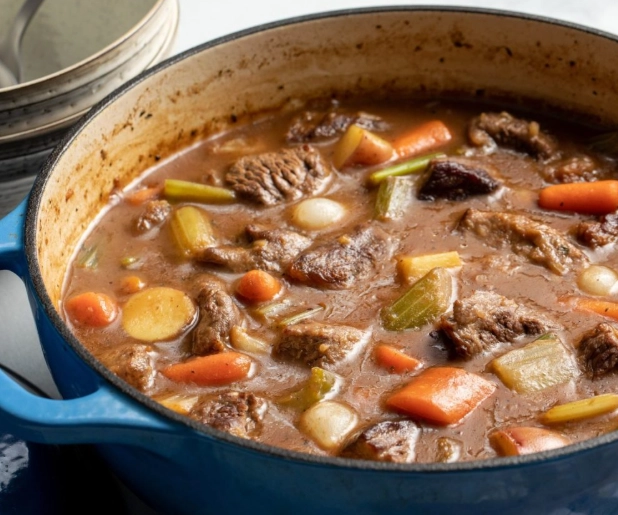
For this recipe, I often skip the wine and use all broth. I also love adding a spoonful of Worcestershire sauce and a dash of soy sauce for umami. It sounds odd, but it just makes the beef flavor pop without tasting Asian. Thickening the sauce is a common question. You can dust your raw beef cubes in flour before browning (this also helps with browning), or make a slurry with cornstarch and cold water in the last 15 minutes if the sauce is too thin.
#3: The Slow Cooker Champion
For easy beef casserole recipes, the slow cooker is a gift. The method shifts slightly. You still MUST brown the meat first. I know some recipes say you can skip it. Please don't. That browning step in a hot pan adds a layer of flavor the slow cooker can't create on its own. It takes 10 extra minutes and makes a world of difference.
After browning, dump everything into the slow cooker: beef, veggies, liquids, herbs. Set it on low for 8 hours or high for 4-5. The beauty is in the hands-off cooking. Come home to a ready meal. The downside? The sauce can be a bit watery. To fix that, remove the lid for the last 30-60 minutes on high, or use the flour-dredging trick on the beef.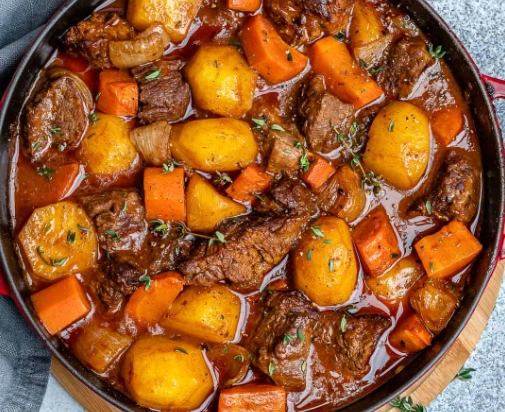
Beyond the Basics: Creative Twists on Beef Casserole
Once you've mastered the classics, it's fun to play. These twists take the core concept of a beef casserole recipe and spin it into something new.
Tex-Mex Beef Casserole: Swap the red wine for dark beer or beef broth. Add cumin, chili powder, smoked paprika, and a can of diced green chiles. Black beans and corn stirred in at the end. Serve with cilantro, lime wedges, and avocado.
French-Inspired Beef Bourguignon: This is the fancy cousin of the red wine casserole. Use pearl onions (frozen are fine), brown some lardons or thick-cut bacon first, and use them to brown the beef. Finish with sautéed mushrooms right at the end. It's a project, but oh so worth it.
Asian-Flavor Beef Casserole: Use beef broth and a bit of water. Flavor with star anise, a cinnamon stick, soy sauce, and a touch of brown sugar. Add daikon radish and carrots. The broth becomes a stunningly fragrant, light yet flavorful sauce, perfect over rice.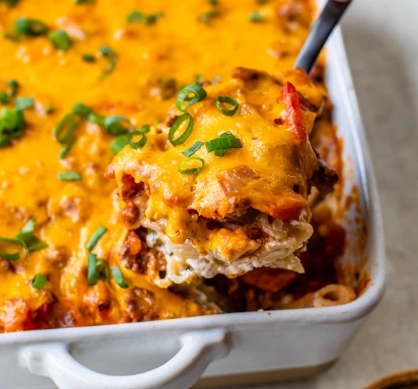
Watch Out: When experimenting with strong flavors like soy or spices, add them gradually. You can always add more, but you can't take it out. I once made a casserole inedibly salty with an over-enthusiastic pour of soy sauce.
Your Beef Casserole Questions, Answered
Common Mistakes (And How to Avoid Them)
Let's learn from my (and maybe your) past kitchen disasters. Avoiding these will put you in the top 10% of beef casserole makers.
- Not Browning the Meat: I've said it before, I'll say it again. This is flavor. Don't skip it. Pat the beef dry first for a better sear.
- Crowding the Pan: If you dump all the beef in at once, the pan temperature plummets and the meat steams in its own juice. Brown in batches. It's worth the extra pan to wash.
- Using Lean Beef: It will not become tender. It's a tragedy waiting to happen.
- Underseasoning: Season the beef generously with salt and pepper before browning. Season the vegetables. Taste the sauce before the long cook and adjust. Season again at the end if needed. Layers of seasoning.
- Overcooking the Vegetables: Add delicate veggies late. Root veggies can go early.
- Lifting the Lid Too Often: Every time you lift the lid, you let heat and moisture escape, increasing the cooking time. Trust the process.
Wrapping It Up: Your Path to Casserole Greatness
Finding the right beef casserole recipes is about more than just following instructions. It's about understanding the *why* behind the steps. Why we brown, why we choose chuck, why we cook it low and slow. Once you get that, you can look at any recipe, even the most complicated-sounding beef casserole recipe, and know exactly what you need to do to make it work.
Start with the classic beef and red wine. Get comfortable with the process. Then, try the slow cooker version for a busy day. Then, get adventurous with a new flavor profile. The casserole dish is your canvas. The techniques you've learned here are your brushes. Now go create something delicious, comforting, and utterly satisfying. And don't forget – the best beef casserole is often the one shared with good company.
Got a favorite tweak or a question I didn't cover? That's the fun part – the conversation never really ends in the kitchen. Every pot teaches you something new.