I remember the first time I tried Turkish eggs in a small Istanbul café—creamy yogurt, runny poached eggs, and that spicy butter sauce that tied everything together. It was a revelation. But when I tried to recreate it at home, things went sideways: the yogurt split, the eggs overcooked, and the butter burned. Sound familiar? After years of tweaking, I've nailed down a foolproof method that avoids those pitfalls. Let's dive into making authentic Cilbir, a dish that's surprisingly simple if you know the tricks.
What You'll Find Inside
What Are Turkish Eggs (Cilbir)?
Turkish eggs, known as Cilbir, are a classic breakfast dish from Turkey. Think of it as a savory bowl of comfort: poached eggs resting on a bed of garlic-infused yogurt, all drizzled with melted butter spiked with Aleppo pepper. According to the Turkish Cultural Foundation, this dish dates back to Ottoman times and is still a staple in homes and restaurants. What makes it special? The contrast of temperatures and textures—cool yogurt against warm eggs, rich butter cutting through the tanginess. It's not just food; it's an experience. And the best part? You can whip it up in under 20 minutes with basic ingredients.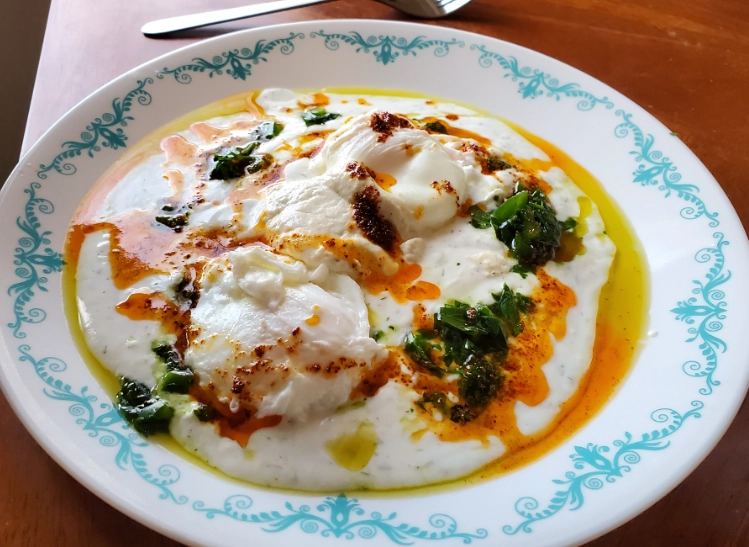
Ingredients You'll Need
Let's get practical. Here’s what you need for two servings. I've included notes on why each ingredient matters—skip this, and the dish might fall flat.
| Ingredient | Quantity | Why It's Important |
|---|---|---|
| Plain Turkish yogurt (or full-fat Greek yogurt) | 1 cup | Turkish yogurt is slightly thinner and less tangy; it creates a smoother base. If using Greek yogurt, strain it first. |
| Garlic cloves | 2-3, minced | Fresh garlic adds punch. Don't use powder—it tastes artificial here. |
| Fresh eggs | 4 large | Fresh eggs hold their shape better when poached. Older eggs tend to spread. |
| Unsalted butter | 4 tablespoons | Butter forms the spiced sauce. Unsalted lets you control seasoning. |
| Aleppo pepper (or substitute) | 1 teaspoon | Aleppo pepper has a mild, smoky heat. If unavailable, mix smoked paprika and red pepper flakes. |
| White vinegar | 1 tablespoon | Helps the egg whites coagulate faster during poaching. |
| Salt and black pepper | To taste | Season each layer—yogurt, eggs, butter—for depth. |
| Fresh dill or mint (optional) | For garnish | Adds a herbal freshness that cuts through the richness. |
Some people skimp on the yogurt quality, but trust me, it's the foundation. I once used a low-fat yogurt, and the sauce turned watery. Go for full-fat—it’s worth the calories.
Step-by-Step Recipe for Turkish Eggs
This isn't just a list of steps; it's a walkthrough with the nuances most recipes gloss over. Follow along, and you'll get restaurant-quality results.
How to Make the Garlic Yogurt Sauce
Start with the yogurt. In a bowl, combine 1 cup of yogurt with the minced garlic. Add a pinch of salt and mix well. Let it sit at room temperature for 10 minutes—this mellows the raw garlic bite. If you're prepping ahead, cover and refrigerate, but bring it to room temp before serving. Cold yogurt straight from the fridge can make the eggs cool too quickly, ruining the warm-cold contrast.
Perfectly Poaching Eggs: A Foolproof Method
Poaching eggs intimidates many, but it's simpler than you think. Fill a wide pot with about 3 inches of water. Add a splash of white vinegar (about 1 tablespoon) and bring to a gentle simmer—bubbles should barely break the surface. Crack each egg into a small bowl first. Swirl the water with a spoon to create a vortex, then slide the egg in. Cook for 3-4 minutes until the white is set but the yolk is still runny. Use a slotted spoon to transfer to a paper towel to drain excess water. Don't overcrowd the pot; poach in batches if needed. I've found that fresh eggs work best because the whites are tighter.
Preparing the Spiced Butter (Aleppo Pepper Butter)
While the eggs cook, melt 4 tablespoons of butter in a small saucepan over medium heat. Once melted, add 1 teaspoon of Aleppo pepper. Let it sizzle for 30 seconds—just until fragrant. Remove from heat immediately. Overheating can burn the spices, making the butter bitter. This step is crucial; I've messed it up by leaving it on the stove too long.
Now, assemble: Divide the garlic yogurt between two bowls. Top with two poached eggs per bowl. Drizzle the spiced butter over everything. Season with black pepper and garnish with dill or mint if using. Serve immediately.
Common Mistakes and How to Avoid Them
Based on my trials (and errors), here are the top pitfalls and how to sidestep them:
- Watery yogurt sauce: This happens if the yogurt isn't thick enough or if you add too much garlic juice. Use strained Greek yogurt or Turkish yogurt, and mince garlic finely without squeezing.
- Overcooked eggs: Poaching for more than 4 minutes firms up the yolk. Set a timer and trust it—the eggs will continue cooking slightly off heat.
- Burnt butter sauce: Butter burns fast. Use medium heat and remove from stove as soon as the pepper sizzles. If it turns brown, start over; the bitter taste will overpower the dish.
- Serving cold: The yogurt should be at room temperature, and the eggs hot. If either is off, the texture clash is unpleasant.
I once served this to friends with cold yogurt, and they politely nibbled. Learn from my mistake!
Variations and Substitutions
Not a fan of poached eggs? No problem. Turkish eggs are versatile. Here are some twists:
For a quicker version: Use soft-boiled eggs—boil for 6 minutes, then peel and halve. They're easier to manage if poaching feels daunting.
Dairy-free option: Substitute yogurt with coconut yogurt (unsweetened) and use olive oil instead of butter. The flavor changes, but it's still delicious.
Spice level adjust: Aleppo pepper is mild. For more heat, add a pinch of cayenne to the butter. For kids, skip the pepper and use paprika alone.
Some recipes online add herbs to the yogurt, but I find that dilutes the garlic. Stick to garnish for freshness.
Serving Suggestions and Pairings
Turkish eggs are hearty on their own, but they pair well with other items. Serve with toasted sourdough or pita bread to scoop up the yogurt and eggs. For a fuller meal, add a side of sliced tomatoes, cucumbers, and olives—typical of a Turkish breakfast spread. Beverage-wise, black tea or ayran (a Turkish yogurt drink) complements the richness. I often make this for brunch guests because it looks impressive but requires minimal effort.
If you're meal prepping, keep components separate. The yogurt sauce lasts 2 days refrigerated, but poach eggs fresh. Reheat the yogurt gently in a microwave for 20 seconds to take the chill off.