Quick Navigation
- Why Bother with Dried? The Flavor Science
- The Absolute Basics: Before You Even Start Cooking
- Core Dried Shiitake Mushroom Recipes You Need to Master
- Leveling Up: Advanced Techniques and Ideas
- Storing Dried and Rehydrated Shiitakes
- Answering Your Questions (The FAQ Bit)
- A Quick Comparison Table: Fresh vs. Dried Shiitakes
- My Personal Stance and Final Thoughts
Let's be honest. The first time I bought a bag of dried shiitake mushrooms, I had no idea what I was doing. They looked wrinkly and tough, nothing like the plump, fresh ones I was used to. I tossed a few into a soup, didn't soak them long enough, and ended up chewing on what felt like little pieces of leather. Not great.
But then I learned the secret. And it changed my cooking completely.
Dried shiitakes aren't just a substitute for fresh ones. They're a completely different ingredient, a flavor powerhouse that fresh shiitakes can't even touch. That intense, meaty, savory punch—that's umami in its purest form. If you're just starting to explore dried shiitake mushroom recipes, or if you've had that same leathery experience, stick with me. This isn't about fancy techniques. It's about understanding this incredible ingredient so you can make food that tastes amazingly rich, without any fancy chef skills required.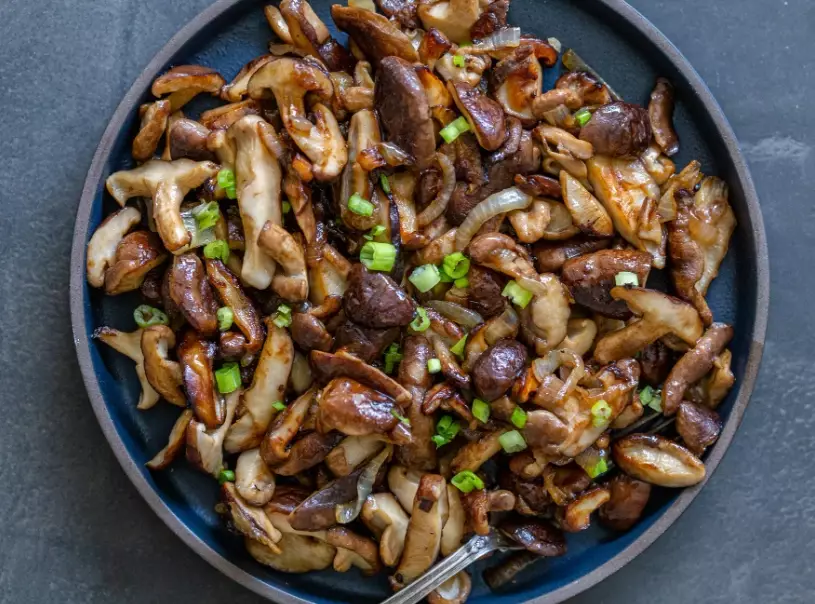
Why Bother with Dried? The Flavor Science
You might wonder why you'd choose dried over fresh. The answer is simple: concentration. The drying process does something magical. It breaks down proteins and transforms a compound called lentinan into intensely flavorful molecules like guanylic acid. This is what gives dried shiitakes their signature, profound savory depth that can make a simple broth taste like it simmered for days.
Fresh shiitakes are lovely, but their flavor is milder, more earthy than savory. Think of it like the difference between a sun-dried tomato and a fresh one. Both are good, but one is a concentrated flavor bomb.
From a practical side, they're a pantry superhero. They last for ages in your cupboard, they're lightweight, and they're available year-round. No more sad, slimy mushrooms at the bottom of your fridge. For reliable, deep flavor anytime, recipes using dried shiitake mushrooms are the way to go.
The Absolute Basics: Before You Even Start Cooking
This is the part most recipes gloss over, and it's where failures happen. Getting this right is 90% of the battle for fantastic dried shiitake mushroom recipes.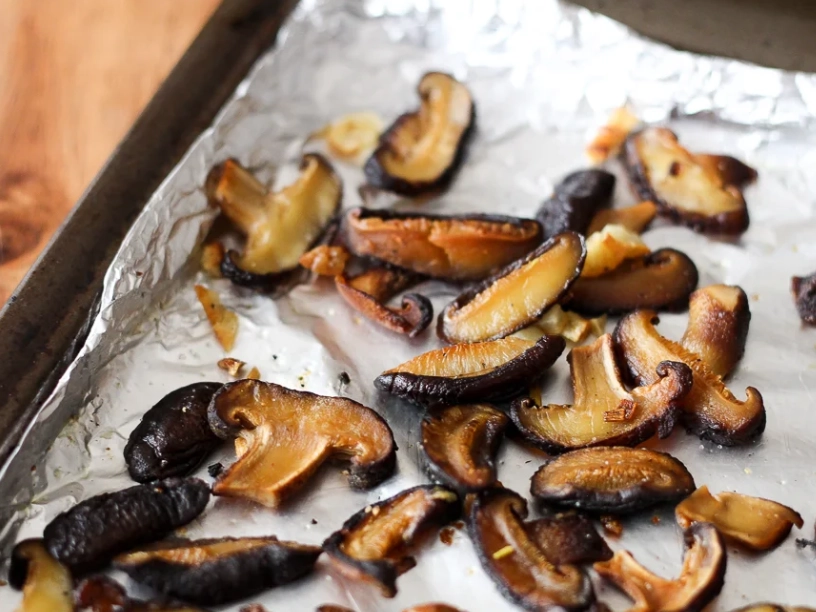
Choosing Your Mushrooms
Not all dried shiitakes are created equal. Look for ones with thick, cracked caps (they call these "flower shiitakes" sometimes). The thicker the cap, the meatier the texture after soaking. Avoid bags with lots of fine powder at the bottom—that means they're old and brittle.
You'll see different grades. Don't get hung up on the most expensive. For most soups and stews where they'll be chopped, mid-grade is perfect. Save the big, beautiful ones for dishes where they'll be the star, like a braised whole mushroom dish.
The Non-Negotiable Step: Rehydrating Properly
You cannot skip this. You cannot rush this. Here’s how to do it right, every time.
- Give them a quick rinse. Just cold water to wash off any dust. Don't soak them yet.
- Use lukewarm water, not boiling. Boiling water can make them tough and bitter. I fill a bowl with warm tap water—comfortable to touch.
- Submerge them completely. Use a small plate or bowl to weigh them down. They float.
- Wait. Be patient. This takes 20 minutes for thinly sliced ones, up to 2 hours for whole, thick-capped mushrooms. They should be completely soft and pliable, like a fresh mushroom. If there's any firmness in the center, they're not done.
To Stem or Not to Stem?
The stems are tough. Really tough. Even after soaking. Some people say you can simmer them for hours to soften them for stock. I find it's rarely worth the time and energy.
My method? After soaking, just twist or cut the stem off right where it meets the cap. You can toss the stems into your next batch of vegetable stock for a flavor boost, but for the actual dried shiitake mushroom recipes, use the tender caps. Slice them, chop them, leave them whole—the softened caps are your canvas.
Core Dried Shiitake Mushroom Recipes You Need to Master
Once you've got your soft, flavorful mushrooms and that precious soaking liquid, the culinary world opens up. Let's start with the foundational recipes.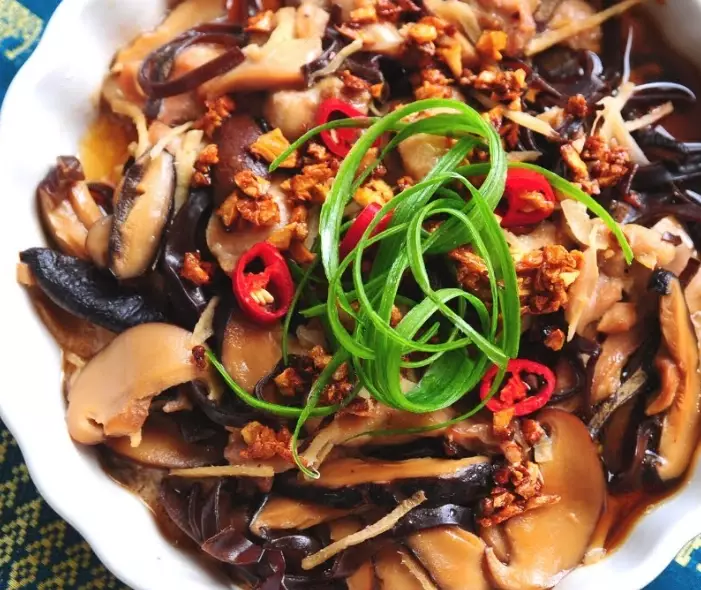
The Ultimate Shiitake Dashi (Japanese Broth)
This is the soul of so many Japanese dishes, and it's embarrassingly easy. Forget the powder. Homemade dashi is clarity and flavor in a cup.
Ingredients: 4-5 rehydrated dried shiitake caps, 4 cups of the mushroom soaking water, a 3-inch piece of kombu seaweed (optional but recommended).
Method: Combine the mushrooms, their strained soaking liquid, and the kombu (just wipe it with a damp cloth, don't wash off the white stuff—that's flavor!) in a pot. Slowly bring it to just barely a simmer over medium-low heat. The moment you see small bubbles forming around the edge (about 10 minutes), turn off the heat. Let it steep for another 10 minutes. Remove the kombu and mushrooms. That's it. You now have a broth that makes instant ramen taste like a revelation. Use it as a base for miso soup, noodle broths, or to cook rice.
It’s subtle, clean, and deeply savory. This broth is why many classic dried shiitake mushroom recipes from Asia start here.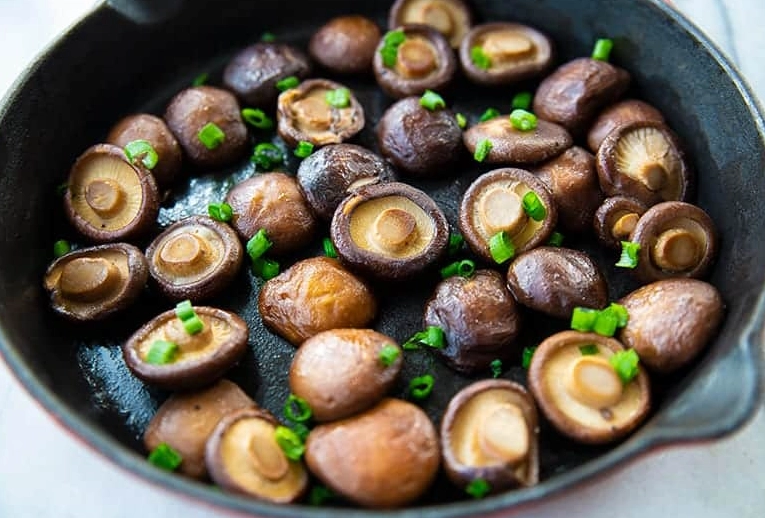
Hearty Shiitake and Barley Soup
This is my go-to comfort food. It's forgiving, hearty, and gets better the next day.
I start by sautéing a chopped onion and two chopped carrots in a bit of oil until they soften. Then I add 3/4 cup of pearl barley and stir it around for a minute. Next comes the magic: 8-10 rehydrated and sliced shiitake caps, 6 cups of my shiitake dashi (or a mix of dashi and vegetable broth), and a couple of bay leaves. Bring it to a boil, then simmer, covered, for about 45 minutes until the barley is tender. Season with salt, pepper, and a splash of soy sauce at the end. Finish with a handful of chopped parsley.
The barley gets chewy and satisfying, and the mushrooms give every spoonful a meaty depth that makes you forget it's vegetarian. It's a perfect example of how dried shiitake mushroom recipes can be the centerpiece of a meal.
The Umami Bomb: Shiitake Stir-Fry Sauce
Want to make any stir-fry taste like it came from a restaurant? Make this sauce in advance.
Take 1 cup of your shiitake soaking liquid. Add 3 tablespoons of soy sauce, 2 tablespoons of oyster sauce (or vegetarian oyster sauce), 1 tablespoon of rice vinegar, 1 teaspoon of sesame oil, and 1 tablespoon of cornstarch mixed with 2 tablespoons of cold water. Whisk it all together.
Now, stir-fry your vegetables and protein (tofu, chicken, beef) as usual. When they're almost done, push them to the side, pour in your sauce, and let it bubble and thicken for 30 seconds before tossing everything together. The dried shiitake liquid in that sauce adds a background savoriness that store-bought sauces just can't match. It clings to every piece of food. I keep a jar of this in my fridge for quick weeknight dinners.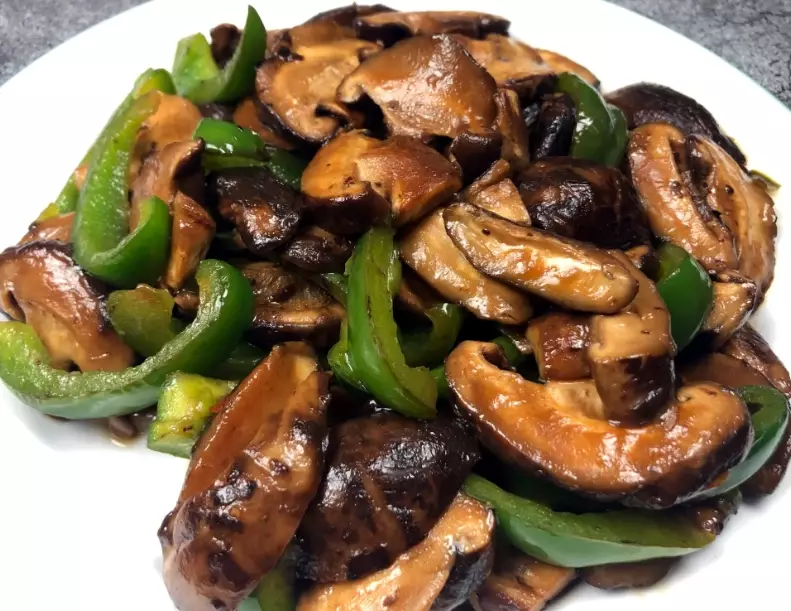
Leveling Up: Advanced Techniques and Ideas
Okay, you've mastered the soup and the sauce. Now let's play.
Shiitake “Bacon” or Crispy Topping
This is a game-changer for salads, baked potatoes, or soups. Thinly slice rehydrated shiitake caps. Toss them with a tiny bit of oil, smoked paprika (for that bacony smell), salt, and a pinch of maple syrup or sugar. Spread them on a baking sheet and bake at 375°F (190°C) for 15-20 minutes, stirring halfway, until they're crispy and dark. They won't be exactly like bacon, but they're salty, smoky, crunchy, and utterly addictive. A fantastic way to use drier bits or smaller caps.
Braised Whole Shiitakes
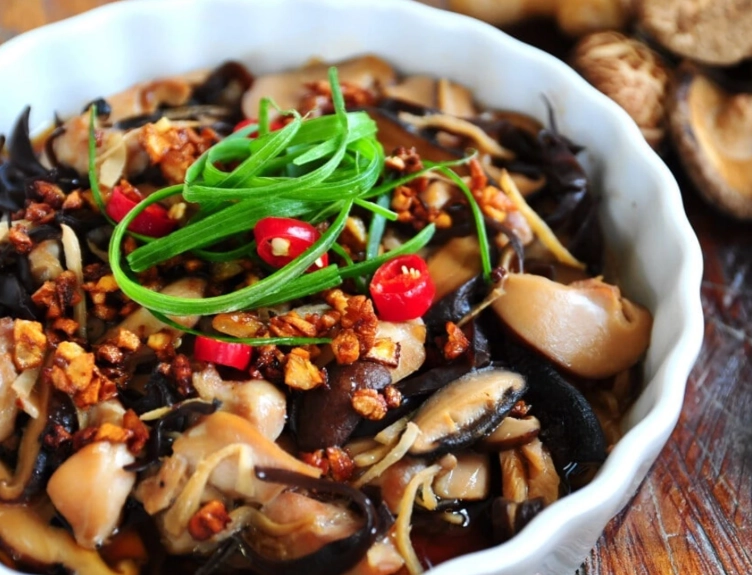
When you get those large, beautiful dried mushrooms, treat them like a main course. After soaking, leave them whole. In a shallow pan, simmer them in a mix of equal parts mushroom soaking liquid, soy sauce, and a little mirin or sherry. Add a slice of ginger and a star anise if you have it. Let them simmer gently, covered, for 25-30 minutes until they are incredibly tender and have soaked up all the flavors. Serve them over steamed greens and rice. The texture is almost like a tender piece of meat, and the flavor is incredibly rich. This is one of those dried shiitake mushroom recipes that impresses everyone.
Storing Dried and Rehydrated Shiitakes
This is crucial for avoiding waste.
Dried: Keep them in their original bag, sealed tightly, or transfer them to an airtight container. Put them in a cool, dark cupboard. Not the fridge. They'll last for well over a year, easily. I've used some that were two years old and they were fine, just requiring a slightly longer soak.
Rehydrated: This is where you need to be careful. Once wet, they act like fresh mushrooms. Use them within 3-4 days. You can store them in their soaking liquid in the fridge, which actually helps keep them plump. If you won't use them in time, you can slice and sauté them in a little oil until all their moisture is gone, then freeze them. They'll be ready to toss into soups or sauces later.
Answering Your Questions (The FAQ Bit)
A Quick Comparison Table: Fresh vs. Dried Shiitakes
Sometimes a quick look helps decide.
| Aspect | Fresh Shiitake | Dried Shiitake |
|---|---|---|
| Flavor Profile | Earthy, mild, subtle umami | Intensely savory, meaty, concentrated umami |
| Texture (after prep) | Tender, slightly spongy | More robust, chewy, meat-like (when properly soaked) |
| Shelf Life | 5-7 days in fridge | 1-2+ years in pantry |
| Best Uses | Quick sautés, grilling, as a vegetable side | Broths, soups, stews, braises, sauces, where simmering develops flavor |
| Cost & Availability | Seasonal, can be pricier | Year-round, often more economical per unit of flavor |
| Bonus | Ready to use | Creates flavorful soaking liquid (free stock!) |
See? They're different tools. I keep both in my kitchen for different jobs.
My Personal Stance and Final Thoughts
I love fresh mushrooms. I really do. A quick sauté with garlic and herbs is a wonderful thing.
But if I had to choose one for my pantry forever, it would be dried shiitakes. No contest.
The depth they add is just unmatched. They make simple food taste complex and cared-for. That bag in your cupboard is not just a mushroom; it's a jar of concentrated savory essence, a way to make vegetarian food profoundly satisfying, and a tool to cut down on food waste by creating flavor from what's essentially just water and time.
The journey to great dried shiitake mushroom recipes starts with patience during the soak. Respect that step. Treasure the soaking liquid. From there, whether it's a silent, clear dashi or a hearty, chunky soup, you're working with one of the oldest, most reliable flavor secrets in the culinary world.
So go grab that bag from the back of your pantry. Soak a handful. Take a sip of the water after. That taste? That's the beginning of your next great meal.