Quick Guide
Let's be real. You've probably had tiramisu before. Maybe at a nice Italian restaurant, or maybe a store-bought version that left you... underwhelmed. It was probably fine. But it wasn't the cloud-like, coffee-kissed, elegantly boozy revelation that a proper classic tiramisu recipe promises. That experience—the one that makes you close your eyes for a second after the first bite—that's what we're after here.
I remember the first time I tried to make it. A total disaster. The ladyfingers turned to mush, the mascarpone mixture was grainy, and it looked like a sad beige puddle. It was embarrassing. But that failure sent me down a rabbit hole of research, talking to Italian nonnas (well, one nonna, my friend's grandmother from Veneto), and a lot of trial and error. What I learned is that the magic of authentic tiramisu isn't in complexity, but in understanding a few non-negotiable principles.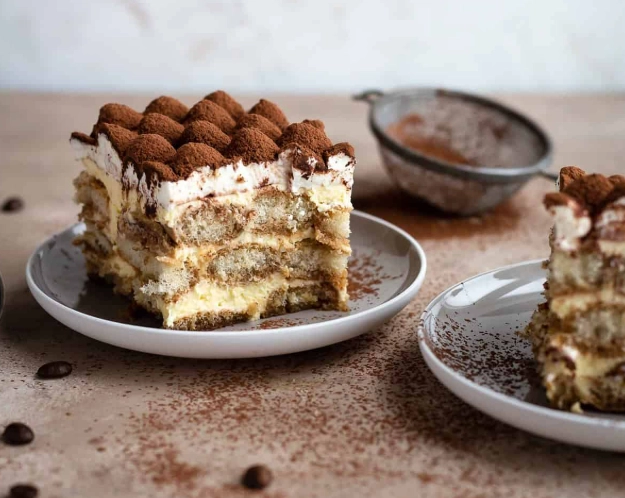
This isn't just another recipe list. Think of this as your blueprint. We're going to walk through every single component, why it matters, and how to get it right. We'll tackle the big questions (raw eggs? really?), the common pitfalls, and I'll even share the little tweaks I've adopted after making this dessert maybe a hundred times. By the end, you won't just follow steps; you'll know how to build the perfect classic tiramisu.
What Actually Makes a Tiramisu "Classic"?
Here's the thing. "Tiramisu" means "pick me up" or "cheer me up" in Italian. The name comes from the combination of strong coffee and a hint of alcohol. But walk into ten different Italian homes, and you might get ten slightly different versions. So what's the baseline for a true classic tiramisu recipe?
The consensus among culinary historians points to its origins in the Veneto region in the 1960s or 1970s. The Accademia Italiana della Cucina (Italian Academy of Cuisine) even deposited an "official" recipe in 2010 to preserve its identity. Their version is strikingly simple: egg yolks, sugar, mascarpone, savoiardi (ladyfingers), coffee, cocoa powder, and no alcohol. That's right, the purists sometimes omit the Marsala or rum.
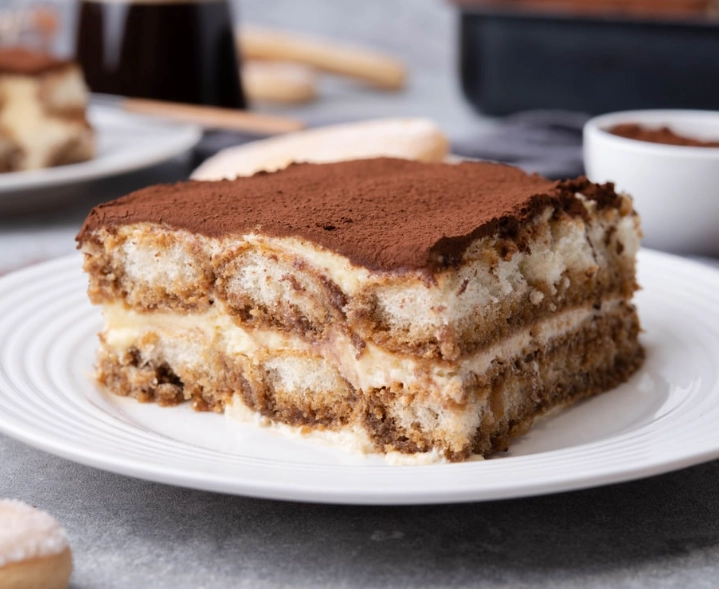
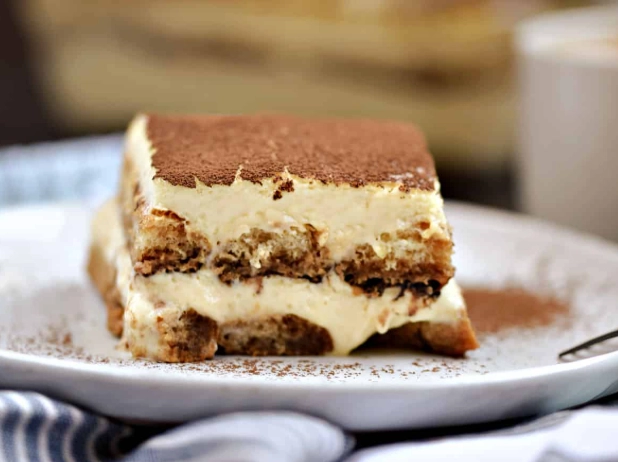
The core architecture is always the same: layers of coffee-soaked savoiardi biscuits alternating with a rich, creamy custard made from mascarpone cheese and eggs, finished with a dusting of bitter cocoa. No baking required. The texture should be a careful balance—the ladyfingers soft but not disintegrating, the cream firm enough to hold a shape but melting on the tongue.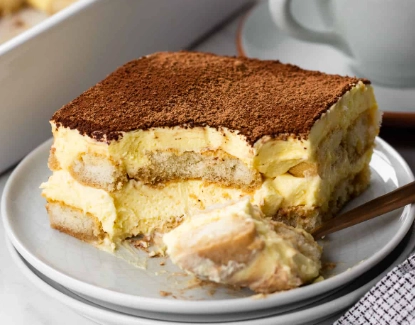
The Holy Trinity of Ingredients
You can't build a great house with cheap bricks. For a classic tiramisu recipe, three ingredients are non-negotiable.
Mascarpone Cheese: This is the star. It's not cream cheese. Don't even think about substituting. Mascarpone is a fresh, triple-creme cheese from Lombardy, Italy. It's ivory-colored, super rich (butterfat content is around 75%), and has a mild, slightly sweet flavor. The texture is key—it's spreadable and smooth. A good mascarpone should taste clean and luxurious. If it tastes sour or off, toss it.
Savoiardi (Ladyfinger Cookies): These long, dry, finger-shaped sponge biscuits are engineered for dipping. They're crisp and airy, which allows them to absorb the coffee mixture without immediately collapsing into a soggy mess. Their light sweetness and structure are perfect. Soft sponge cake or pound cake slices won't give you the right texture.
Very Strong Coffee: This is your flavor engine. Instant coffee granules dissolved in hot water? Please, no. For an authentic classic tiramisu recipe, you need a strong brewed espresso or a very potent Moka pot coffee. It should be dark, rich, and unsweetened. The bitterness is crucial to balance the sweetness of the cream. I use a double shot of espresso per cup of liquid.
The Ultimate Classic Tiramisu Recipe: Step-by-Step
Alright, let's get our hands dirty. Or creamy. This is my tried-and-true method, blending traditional techniques with a few practical lessons from my own kitchen fails.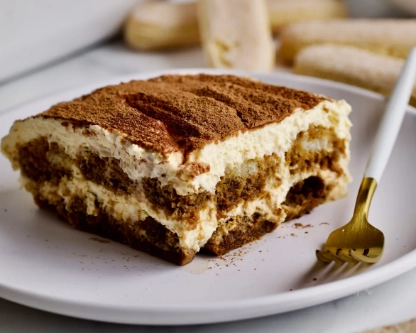
Gathering Your Arsenal (The Ingredients)
For a 9x13 inch dish serving 10-12 people:
| Ingredient | Quantity | Quality Note & Why It Matters |
|---|---|---|
| Large Egg Yolks | 6 | Use the freshest eggs you can find. This is a raw egg custard, so quality is paramount for safety and flavor. |
| Granulated White Sugar | 3/4 cup + 2 tbsp | Divided use. The sugar cooks the yolks in the zabaglione. |
| Mascarpone Cheese | 500g / about 1.1 lbs (two tubs) | Full-fat only. Look for brands like Galbani or Polenghi for authenticity. |
| Heavy Cream (optional) | 1 cup | Many modern recipes add this for stability. Purists skip it. I use it for a lighter texture. |
| Savoiardi (Ladyfingers) | About 36 cookies | Do not get "soft" ladyfingers. They must be the hard, dry type. |
| Freshly Brewed Espresso or Strong Coffee | 2 cups, cooled | Cold or at room temp. Hot coffee will melt the cookies instantly. |
| Marsala Wine, Dark Rum, or Coffee Liqueur | 3-4 tablespoons | For the coffee dip. Marsala is traditional. I prefer a mix of rum and a dash of Kahlúa. |
| Unsweetened Cocoa Powder | For dusting | Dutch-processed is best for its deep color and less acidic flavor. |
| Pinch of Salt | 1 | Just a pinch. It heightens all the other flavors. |
The Process: It's All About the Cream
The heart of any classic tiramisu recipe is the cream, or "crema." It's a two-part process: making a zabaglione, then folding in the mascarpone.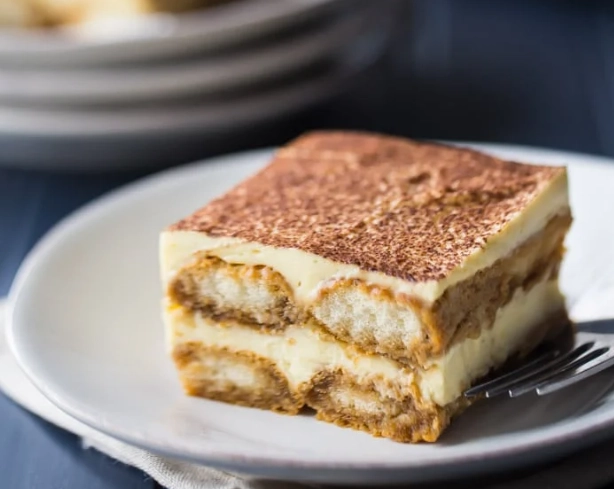
Step 1: The Zabaglione. This is an Italian cooked egg custard. In a large heatproof bowl (I use the bowl of my stand mixer), whisk together the 6 egg yolks and 3/4 cup of sugar. Place the bowl over a pot of gently simmering water (a double boiler), making sure the bottom of the bowl doesn't touch the water. Whisk constantly for 8-10 minutes. This is your arm workout. You're looking for the mixture to become pale yellow, thick, and creamy, and to roughly double in volume. It should form ribbons when you lift the whisk. This step pasteurizes the yolks and dissolves the sugar completely, giving you a stable, silky base. Let it cool slightly.
Step 2: The Mascarpone. In a separate, large bowl, gently fold the mascarpone with a spatula to loosen it. Don't whip it vigorously—you're just softening it. Add the slightly cooled zabaglione to the mascarpone in two or three additions, folding gently after each until just combined. Overmixing here can cause the mascarpone to "break" and become grainy. We want a smooth, homogenous, thick cream.
Step 3: The Whipped Cream (Optional but Recommended). If using, whip the cold heavy cream with the 2 tablespoons of sugar and a pinch of salt until it holds medium-stiff peaks. Gently fold this into the mascarpone-zabaglione mixture. This lightens the cream significantly, making it airier and easier to spread. The purist's classic tiramisu recipe omits this, resulting in a denser, richer cream. I prefer the lighter version.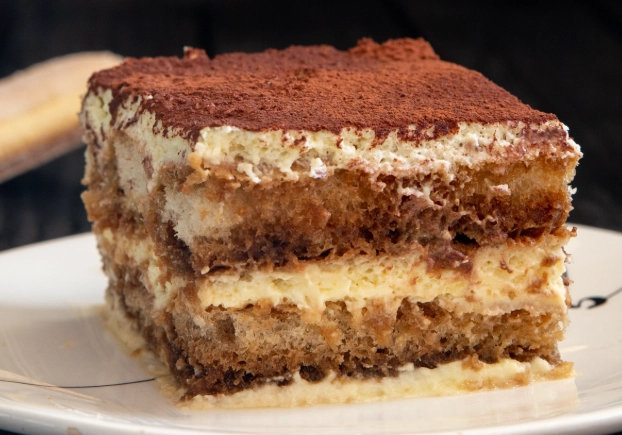
Your cream is done. Taste it. It should be sublime.
Assembly: The Art of Layering
This is where the magic happens. Get your serving dish ready (a glass trifle dish is great for showing off layers).
- The Coffee Bath: Mix your cooled, strong coffee with your chosen alcohol (if using) in a shallow bowl or plate. I use about 2 cups coffee to 4 tbsp of booze.
- Dip, Don't Soak: This is the most critical technique. Quickly dip each savoiardi into the coffee mixture for 1-2 seconds per side. You want it to absorb the coffee but not become saturated to the point of falling apart. It should feel heavy and moist but still hold its shape. Lay them in a tight single layer in your dish. Break some to fit the edges.
- First Cream Layer: Spread half of your mascarpone cream evenly over the layer of dipped ladyfingers.
- Repeat: Create a second layer of quickly-dipped ladyfingers, then top with the remaining cream.
- The Finish: Smooth the top with an offset spatula. Cover tightly with plastic wrap and refrigerate for at least 6 hours, ideally overnight. This resting time is non-negotiable. It allows the flavors to marry, the cookies to soften fully into a cake-like layer, and the cream to set perfectly.
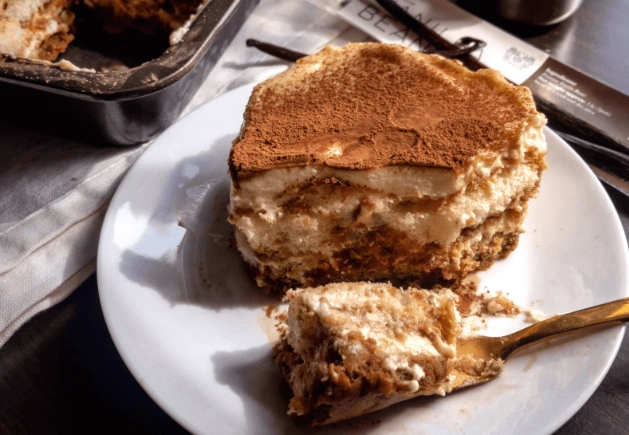
- Serve: Just before serving, dust the entire surface generously with unsweetened cocoa powder using a fine-mesh sieve.
Your Classic Tiramisu Recipe Questions, Answered
I get asked these all the time. Let's clear them up.
Common Mistakes & How to Avoid Them (Learn From My Errors)
I've made them all so you don't have to.
- Using Cold Mascarpone: This is mistake number one. It will not incorporate smoothly and will leave you with a lumpy, frustrating mess. Room temperature is key.
- Overmixing the Cream: Once you add the mascarpone to the eggs, fold, don't beat. You're not trying to incorporate air; you're trying to combine. Overmixing = broken, curdled-looking cream.
- Drowning the Ladyfingers: A quick dip is all you need. If you submerge them, they'll drink up too much coffee and turn the bottom of your dish into a swamp. They continue to absorb moisture from the cream while chilling.
- Not Letting it Rest: Impatience is the enemy of flavor. The magic happens in the fridge. Those 6+ hours allow the sharp edges of the coffee and alcohol to mellow and blend with the sweet cream, and the textures to perfect themselves. Cutting into it early is a tragedy.
- Dusting Cocoa Too Early: If you dust with cocoa right after assembling, the moisture from the cream will absorb it and you'll have a dull, blotchy brown top. Always dust right before serving for a beautiful, dry, contrasting finish.
Variations on the Classic Tiramisu Recipe Theme
Once you've mastered the foundation, the world is your oyster. Or your tiramisu.
The Berry Tiramisu: Add a layer of fresh raspberries or sliced strawberries between the cream and ladyfingers. Use a berry liqueur like Chambord in the dip instead of rum.
The Chocolate Lover's: Add a tablespoon of high-quality cocoa powder or melted, cooled dark chocolate to the mascarpone cream. You can also sprinkle finely chopped chocolate between layers.
The Non-Alcoholic Version: Simply omit the alcohol from the coffee dip. To add complexity, try adding a teaspoon of vanilla extract or a pinch of cinnamon to the coffee instead.
Individual Servings: Layer the dipped ladyfingers and cream in clear glasses or mason jars for a beautiful, no-mess presentation. This is great for parties.
But honestly? My favorite will always be the unadorned, perfect balance of the original classic tiramisu recipe. There's a reason it's endured for decades.
Final Thoughts: Is It Worth the Effort?
Absolutely.
A store-bought tiramisu can't hold a candle to the one you make from scratch. The process itself is therapeutic—the rhythmic whisking, the careful layering. And the result? It's more than dessert. It's a centerpiece. It's the thing your friends and family will ask you to bring to every gathering.
The beauty of this classic tiramisu recipe is its elegance in simplicity. It requires no fancy equipment, just attention to detail. It teaches you about textures and balance. And most importantly, it delivers pure, unadulterated joy in every spoonful.
So go on. Get some good mascarpone, brew that strong coffee, and give it a shot. Your first attempt might not be perfect (mine certainly wasn't), but it will be delicious. And your next one will be even better. That's the real secret—the best classic tiramisu recipe is the one you make, and remake, until it becomes your own.
Now, if you'll excuse me, all this writing has made me crave a slice. I think I have some leftovers in the fridge...