Guide Highlights
- What Exactly Is Blood Pudding (Black Pudding)?
- Gathering Your Ingredients: The Hunt for Blood
- The Classic, Traditional Blood Pudding Recipe
- A Simpler, No-Casing Blood Pudding Recipe (The Loaf Pan Method)
- Common Problems & How to Fix Your Blood Pudding
- How to Serve Your Homemade Black Pudding
- Frequently Asked Questions About Blood Pudding Recipes
- Final Thoughts on Your Blood Pudding Adventure
Let's be honest, the idea of making a blood pudding recipe from scratch can seem a bit intimidating, maybe even off-putting if you've never worked with fresh blood before. I remember the first time I decided to try it. I stood in my kitchen, staring at the container of pig's blood, wondering if this was a brilliant idea or a terrible mistake. Spoiler alert: it was brilliant, and the results were miles ahead of anything store-bought. The rich, iron-y flavor, the perfect balance of fat and oatmeal, the satisfying slice... it's a proper food, a thrifty and delicious tradition that deserves a comeback.
This guide isn't just about dumping a list of ingredients on you. It's about understanding the why behind each step, so you can make a blood pudding recipe that's authentically yours. We'll cover the classic, no-shortcuts method that your great-grandmother would recognize, and then we'll look at a more accessible, modern version that's less fussy but still utterly delicious. We'll also tackle the big questions: is it safe? Where do you even get the blood? And what do you do if it all goes a bit wrong?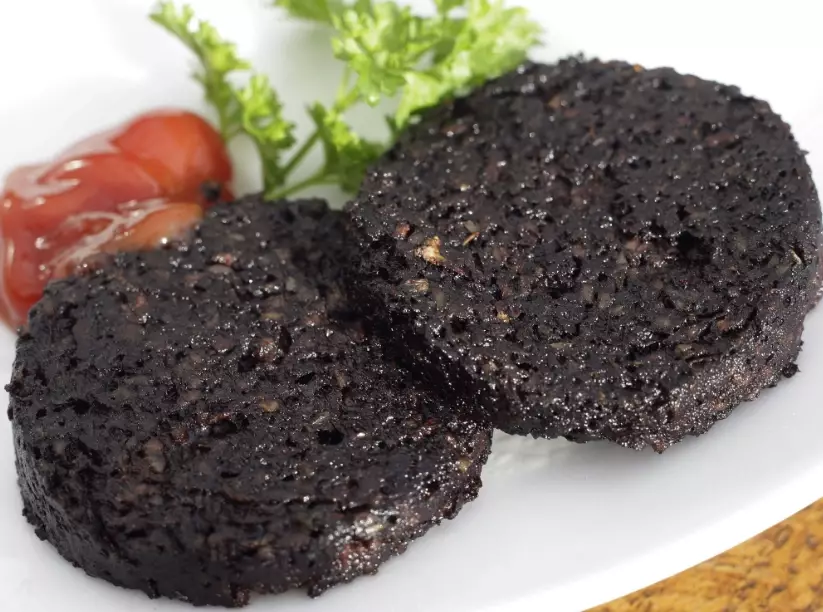
What Exactly Is Blood Pudding (Black Pudding)?
Before we dive into the blood pudding recipe itself, let's clear the air. Black pudding, blood pudding, blood sausage—they're all names for the same core concept. It's a sausage, but instead of being stuffed with ground meat, its primary binder and characteristic ingredient is animal blood (usually pig's or cow's). The blood is mixed with a filler like oatmeal, barley, or breadcrumbs, packed with fat (back fat or suet is traditional), and seasoned with herbs and spices like pennyroyal, marjoram, or just good black pepper.
It's a preservation method born of necessity, a way to use every part of the animal. Nothing was wasted. That ethos of thrift and flavor is what makes seeking out a good blood pudding recipe so rewarding today. It connects you to a long line of home cooks and butchers who knew how to make something spectacular from very humble parts.
Gathering Your Ingredients: The Hunt for Blood
This is the part that stops most people. You won't find fresh pig's blood next to the milk in a standard supermarket. But it's far from impossible to source if you know where to look.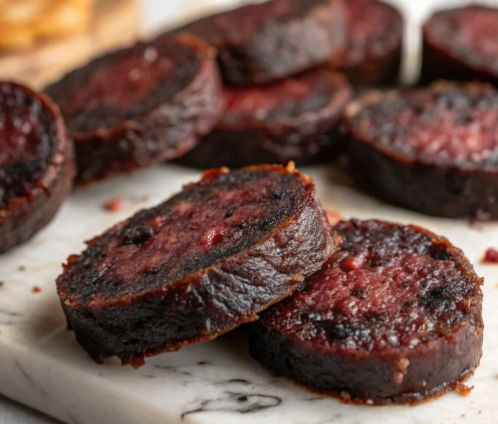
Where to Find Fresh Blood for Your Blood Pudding Recipe
- Local Butchers or Abattoirs: This is your best bet. A real, old-school butcher who does their own slaughtering is gold. Call ahead and ask if they can save you some blood. They often collect it anyway and may be happy to sell you a pint or two. Be polite and explain you're making black pudding—they'll appreciate you knowing what you're doing.
- Specialty Meat Suppliers or Farms: Some farms that sell direct to consumers might be able to help. Ethnic markets, particularly Eastern European or Asian ones, sometimes carry frozen blood or fresh blood.
- Online Specialty Retailers: A few online game and meat suppliers now stock frozen pig's or goat's blood. It works perfectly well for a blood pudding recipe once defrosted.
Once you have your blood, you need to handle it right. It should be kept very cold and used as soon as possible. If it comes with anticoagulant (like citrate), you're good to go. If not, you'll need to stir it constantly to prevent clotting until you're ready to use it. A pinch of salt can help here too.
The rest of the ingredients are straightforward. You'll need a good, coarse oatmeal (not instant porridge oats), back fat or suet, onions, and seasonings. The fat is key—it melts during cooking, basting the pudding from the inside and giving it that irreplaceable unctuous quality.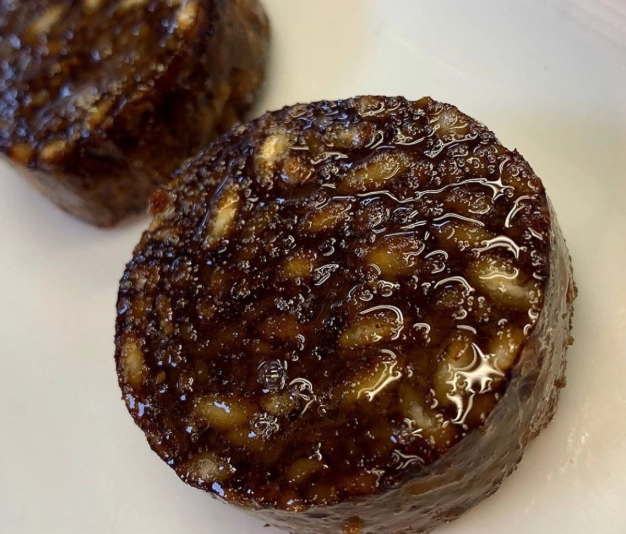
The Classic, Traditional Blood Pudding Recipe
This is the method that requires a bit of patience and care. It's the one I use when I want to feel connected to the process. The results are unbeatable.
Ingredients:
- 1 liter (about 1 quart) fresh pig's blood
- 250g (about 9 oz) steel-cut or pinhead oatmeal
- 250g (about 9 oz) back fat or suet, finely diced
- 2 medium onions, very finely chopped
- 2 tsp salt (more to taste)
- 2 tsp freshly ground black pepper
- 1 tsp ground allspice
- 1/2 tsp ground mace or nutmeg
- 1 tbsp fresh marjoram or thyme, chopped (or 1 tsp dried)
- About 3 meters of natural sausage casings (beef middles or wide hog casings), soaked
Step-by-Step Method:
1. Prepare the Oatmeal: Toast the oatmeal in a dry, heavy skillet over medium heat until it smells nutty and takes on a light golden color. This step is non-negotiable in a proper blood pudding recipe—it prevents the oats from becoming mushy and adds a deep, toasty flavor. Let it cool completely.
2. Mix the Dry Ingredients: In a large bowl, combine the cooled toasted oatmeal, diced fat, chopped onions, and all the seasonings. Mix it thoroughly with your hands. You want every bit of fat coated in the spices.
3. Incorporate the Blood: Now, this is the moment. Pour the cold blood into the dry mixture. Use a whisk or a fork and stir gently but confidently. You're aiming for a smooth, homogeneous mixture. Don't beat it vigorously, you don't want to create foam. The mixture will be very liquid—that's correct. It will set during cooking.
Taste for seasoning? Yes, you can. Take a tiny spoonful of the mixture and fry it quickly in a pan, like a mini pancake. It'll cook in seconds. Taste it and adjust the salt, pepper, or spices in the main batch. This trick saves you from a bland pudding.
4. Stuff the Casings: This is the messy, fun part. Rinse your soaked casings well. Using a sausage stuffer or a funnel with a wide nozzle, carefully fill the casings with the blood mixture. Don't overfill them—leave about 10cm (4 inches) at each end for tying and for the mixture to expand. Twist or tie off into links every 15-20cm (6-8 inches). Prick each link gently with a sterilized needle or pin in a few places to release any air bubbles, which can cause bursting.
5. The Cook: This is where many blood pudding recipes go wrong. You don't boil it aggressively. Bring a large pot of water to a very gentle simmer—just a few lazy bubbles breaking the surface. Gently lower the puddings into the water. Keep the heat low. Poach them for about 45 minutes to an hour. They're done when they feel firm to the touch and have plumped up.
6. The Cool Down: Immediately transfer the cooked puddings to a bowl of ice water. This shocks them, stops the cooking process, and gives them a firmer, sliceable texture. Once cold, pat them dry and refrigerate. They'll keep for about 4-5 days, or you can freeze them for months.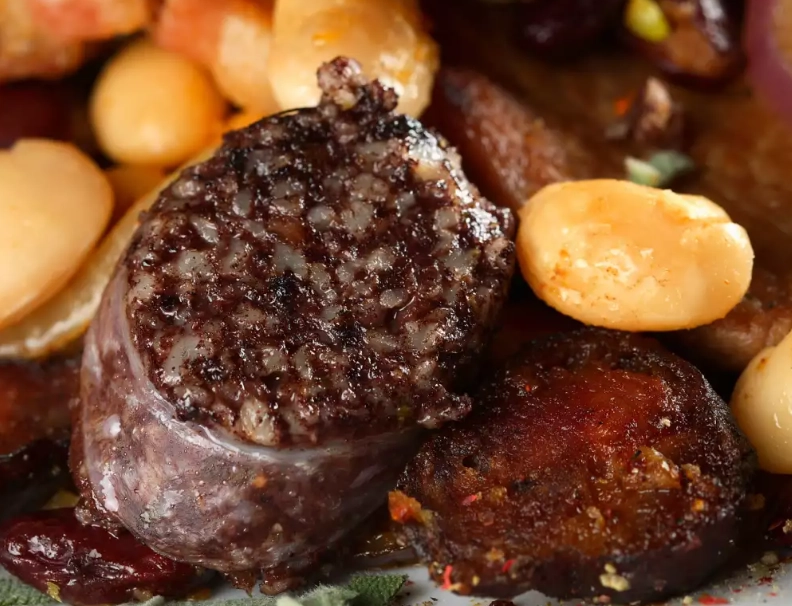
A Simpler, No-Casing Blood Pudding Recipe (The Loaf Pan Method)
Don't have casings or a stuffer? No problem. This method sacrifices the traditional sausage form for utter simplicity and still delivers on flavor and texture. It's my go-to when I'm short on time but want a homemade blood pudding recipe.
Use the same ingredient list as above, but omit the casings. Instead, grease two standard loaf pans very well with butter or lard. Pour the blood mixture directly into the pans, filling them about 3/4 full. Cover the tops tightly with aluminum foil.
Now, bake them in a water bath (bain-marie). Place the loaf pans inside a larger roasting tray. Pour boiling water into the larger tray until it comes halfway up the sides of the loaf pans. Bake in a preheated oven at 325°F (160°C) for about 1 hour to 1 hour 15 minutes, or until a skewer inserted into the center comes out clean and the center feels firm.
Cool completely in the pans, then refrigerate overnight. This sets the pudding perfectly. To serve, just turn it out, slice it thickly, and pan-fry until crispy on the outside.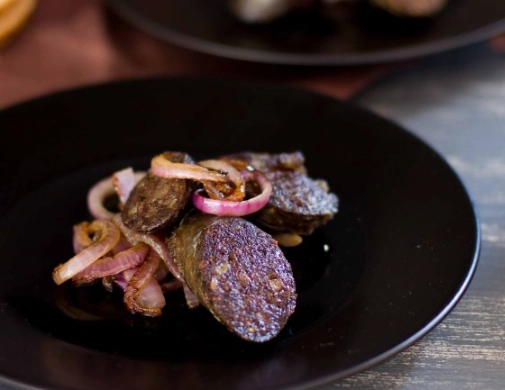
Common Problems & How to Fix Your Blood Pudding
Even with a great blood pudding recipe, things can happen. Here's a quick trouble-shooter.
| Problem | Likely Cause | How to Fix or Prevent It Next Time |
|---|---|---|
| Pudding is too crumbly, falls apart when sliced. | Not enough blood, or the mixture wasn't cohesive enough. Possibly overcooked. | Ensure your blood-to-filler ratio is correct. Mix more thoroughly. Cook more gently and check for doneness earlier. |
| Texture is mushy or slimy. | Oatmeal wasn't toasted, or the pudding was undercooked. | Always toast your oats. Ensure the internal temperature reaches 160°F (71°C). The ice bath also firms up texture. |
| Burst casings during cooking. | Overfilled casings, air bubbles not pricked, or water boiled too vigorously. | Leave more room for expansion. Prick thoroughly. Maintain a bare simmer, never a rolling boil. |
| Bland flavor. | Not enough seasoning. Fat quality might be bland. | Always do the "taste test pancake" to adjust seasoning before stuffing. Use well-flavored back fat. |
| Grey, unappetizing color after cooking. | This is normal! The deep red blood turns a dark brown-grey when cooked. Pan-frying restores a lovely crusty exterior. | Don't worry. A good sear in a hot pan with a bit of fat will make it look delicious. |
How to Serve Your Homemade Black Pudding
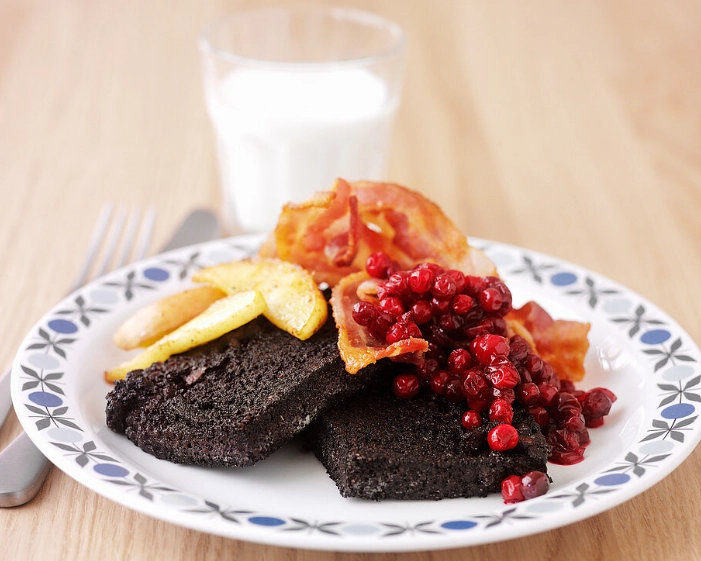
You've mastered the blood pudding recipe, now what? The classic is, of course, as part of a full breakfast or fry-up. Thick slices fried until the outside is crisped and the inside is soft and warm. It's phenomenal with eggs, baked beans, and mushrooms.
But think beyond breakfast. It's incredible in stuffings for poultry or game. Crumble it and use it to top scallops (a classic British pub starter). Cube it and add it to a hearty potato hash. I even love it sliced thin and served on rye bread with a sharp apple chutney and a dollop of sour cream.
Storing it is easy. Keep it wrapped in the fridge for a few days. For longer storage, wrap individual portions tightly in plastic wrap and freeze. You can fry frozen slices straight from the freezer—just use a lower heat and cover the pan for a bit to thaw them through.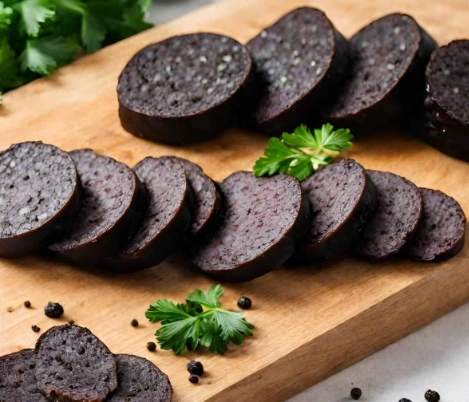
Frequently Asked Questions About Blood Pudding Recipes
Final Thoughts on Your Blood Pudding Adventure
Making your own black pudding is a project. It's not a Tuesday-night-quick-dinner kind of thing. But that's what makes it special. It connects you to the ingredients in a way most modern cooking doesn't. You confront the reality of where food comes from, you practice skills that are fading, and you end up with something genuinely delicious and impressive.
Start with the simpler loaf pan method if you're nervous. Get a feel for the process. Once you taste that first crispy, savory, iron-rich slice of your own creation, you'll understand why this blood pudding recipe is worth the effort. It's honest food, full of flavor and history. And honestly, it's a great story to tell at the breakfast table.
Give it a go. Embrace the mess, respect the process, and most importantly, enjoy the incredible results. You might just find it becomes a treasured ritual.