Quick Guide
Let's be honest. A Cornish pasty lives and dies by its pastry. You can have the most beautifully seasoned filling in the world, but if the crust is tough, soggy, or bland, the whole thing falls flat. It's the edible container, the structural integrity, and half the flavor experience all rolled into one. And getting it right? That's where most home cooks stumble.
I remember my first attempt. I used my standard shortcrust recipe, thinking it would be fine. The result was a dense, crumbly shell that shattered at the first bite, leaking gravy all over the plate. It was a mess. The filling was great, but the pastry was a complete failure. That's when I realized a proper recipe for Cornish pasty pastry isn't just any pastry recipe. It's a specific beast with its own rules.
So, what makes it special? It needs to be sturdy enough to hold a hefty, wet filling without going soggy on the bottom or cracking on top during handling. Yet, it must also be tender and flaky to eat, with a distinct flavor that complements the savory insides. It's a balancing act between strength and delicacy.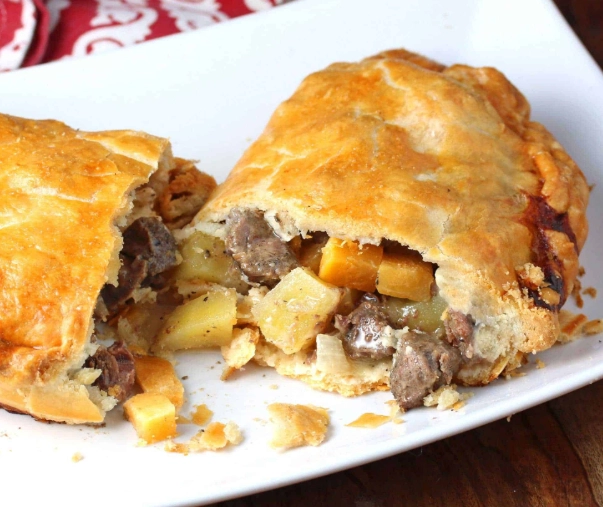
What Makes a Cornish Pasty Pastry “Authentic”?
This isn't just about taste; it's about tradition. In 2011, the Cornish pasty was awarded Protected Geographical Indication (PGI) status by the European Commission. This is a big deal—it means only pasties made in Cornwall to a specific standard can legally be called “Cornish pasties.” The official Cornish Pasty Association guards this status fiercely. You can read the full legal specification on the UK Government's website.
The rules dictate everything from shape (a ‘D’ with the crust crimped on the side, not the top) to filling. But crucially, they specify the pastry. According to the PGI, the pastry must be “golden in colour and robust in texture to withstand the filling, yet short and crumbly to the bite.”
That phrase “robust yet short” is the holy grail. It’s not a puff pastry (too flimsy, too rich). It’s not a hot water crust (too hard). It’s a unique, enriched shortcrust. Understanding this is the first step to nailing your own recipe for Cornish pasty pastry.
Mastering the Dough: Ingredients & The Why Behind Them
You can't hack this with substitutions if you want the real deal. Every ingredient plays a specific role. Let's break down the classic components of a proper Cornish pasty pastry recipe.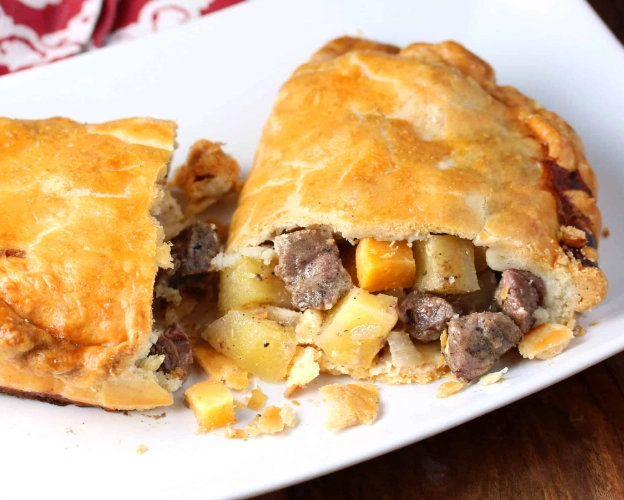
The Core Ingredients (For 4-6 large pasties)
- Strong Bread Flour (500g): This is the #1 secret. Most pastry recipes use plain or all-purpose flour. But strong flour has a higher protein (gluten) content. When developed, gluten gives structure. We need that structure to hold the heavy filling without tearing. Don't worry, we handle the dough gently to keep it tender.
- Cold Unsalted Butter & Lard (125g each): Yes, a half-and-half mix. Butter gives fantastic flavor and a flaky texture. Lard, however, creates an unparalleled shortness and melt-in-the-mouth quality. It has a higher melting point than butter, which helps create little pockets of steam during baking, leading to tenderness. Using all butter can make it rich but less robust. Using all lard lacks flavor. The combo is traditional and perfect.
- Cold Water (approx. 150ml): Ice cold. This is non-negotiable. It keeps the fats solid, which is crucial for a flaky result.
- Fine Sea Salt (1 tsp): Seasons the pastry itself. Never skip salting your pastry.
Now, let's talk alternatives because I know someone's thinking it.
Can I use all-purpose flour? You can, but the pastry will be more delicate and prone to cracking when you pack in the filling. It'll still taste good, but it won't have that trademark sturdy-yet-short texture. It's a compromise.
What about just butter, no lard? Sure, it'll be buttery and nice. But honestly, it won't be as authentically “short.” The texture will be different—more like a pie crust. If you're vegetarian or opposed to lard, a good quality vegetable shortening can be a substitute, but the flavor profile changes. I find shortening can leave a slightly waxy mouthfeel. Butter is better than shortening, in my opinion.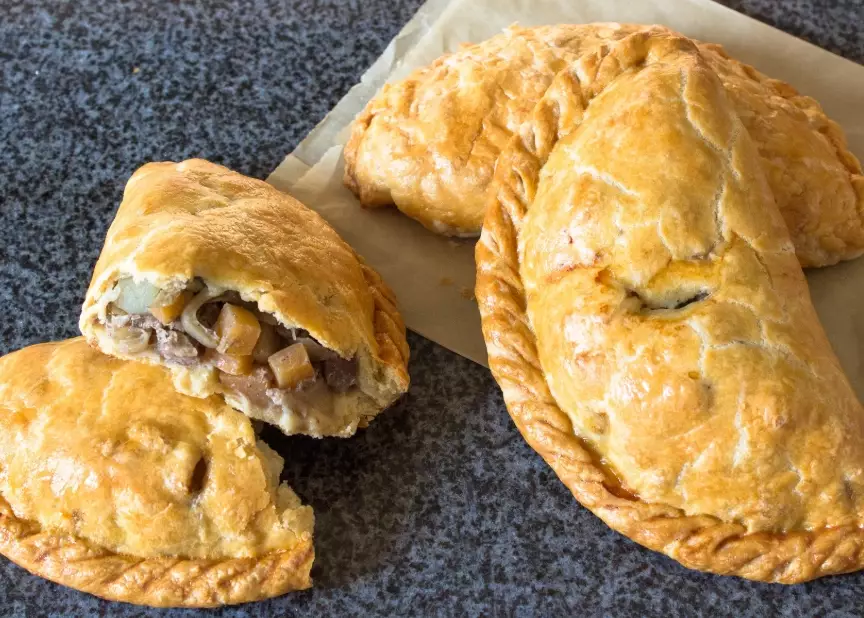
Here’s a quick comparison of fat options for your pasty pastry recipe:
| Fat Used | Flavor | Texture | Authenticity | My Verdict |
|---|---|---|---|---|
| Half Butter, Half Lard | Rich, savory, deep | Sturdy, very short & flaky | 100% Authentic | The gold standard. Unbeatable. |
| All Butter | Very buttery, delicious | Flaky but less robust, can be richer | Good, but not traditional | Great for flavor, lacks classic “short” bite. |
| All Lard | Neutral, savory | Extremely short, can be crumbly | Close, but missing flavor depth | Excellent texture, needs butter for taste. |
| Butter & Vegetable Shortening | Buttery, sometimes faintly artificial | Very short, can feel waxy | Vegetarian alternative | A decent compromise if imperfect, substitute. |
The Step-by-Step Recipe for Cornish Pasty Pastry
Alright, enough theory. Let's get our hands dirty. This is my go-to method, honed from trial and error (mostly error at the start).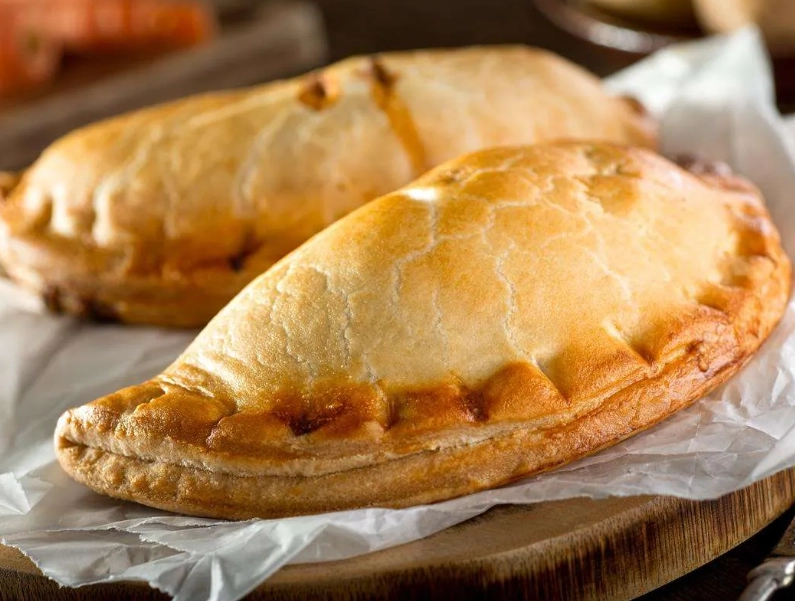
Making the Dough
- Chill Everything: Dice the butter and lard into small cubes. Pop them back in the fridge. Measure your water and add an ice cube to it. Even chill your bowl if your kitchen is warm. This is the most critical step for flakiness.
- Mix Dry, Cut In Fat: Sift the strong flour and salt into a large bowl. Add the very cold fat cubes. Using your fingertips, rub the fat into the flour until the mixture resembles coarse breadcrumbs with some pea-sized lumps of fat remaining. Those lumps are good! They'll melt and create steam pockets. You can use a pastry cutter, but I find fingers give more control. Work quickly so the fat doesn't warm up.
- Add Water, Bring Together: Drizzle in most of the ice-cold water (hold back a little). Using a round-bladed knife, cut and stir until the dough just begins to clump. Then use your hands to gently knead it in the bowl, just until it comes together into a shaggy ball. If it's too dry, add the remaining water a teaspoon at a time. The dough should not be smooth or elastic. It should look rough and marbled with fat. Overworking = tough pastry.
- Rest, Don't Stress: Flatten the ball into a thick disc, wrap it tightly in cling film, and refrigerate for at least 1 hour, preferably 2. This relaxes the gluten (making it easier to roll without springing back) and re-chills the fat. Don't skip this.
See, the process for this recipe for Cornish pasty pastry is simple, but the devil's in the details. Cold, speed, and minimal handling.
Rolling, Filling, and Crimping
Once rested, divide your dough into 4-6 equal balls (depending on how big you like your pasties).
On a lightly floured surface, roll each ball into a circle about 20-25cm (8-10 inches) across and 3-4mm thick. Don't go too thin, or it'll burst. The strong flour lets you roll it fairly thin while still being strong.
Place your cooled filling (always cool! A hot filling will melt the fat and make the pastry soggy) on one half of the circle, leaving a clear border. Brush the edges with beaten egg or water. Now, the iconic crimp.
Fold the bare half over the filling to create a D-shape. Starting at one end, twist and fold the edges over themselves to create a rope-like seal along the curved side. This isn't just for looks; it creates a thick, sturdy handle that the miners could hold without dirtying their lunch. Don't crimp on the top—it's always on the side. There are great video tutorials on the BBC Food website if you're a visual learner.
Glaze with beaten egg for a deep golden shine. Make a small slit in the top to let steam escape.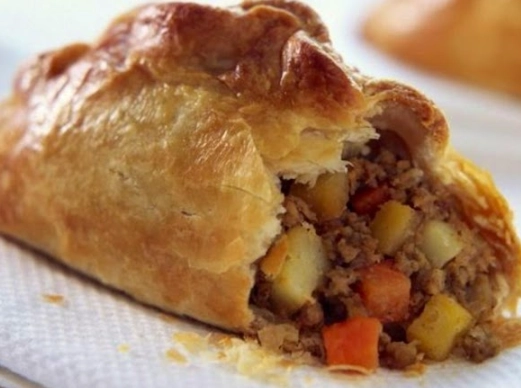
Baking to Perfection
Preheat your oven hot—220°C (425°F) conventional or 200°C (400°F) fan-forced. A hot start sets the pastry quickly, preventing sogginess.
Bake on a preheated baking sheet (this gives the bottom an instant blast of heat) for 15-20 minutes until the pastry is puffed and starting to color. Then, without opening the door, reduce the heat to 160°C (325°F) and bake for another 25-35 minutes. This longer, slower bake ensures the raw meat and vegetables inside cook through completely without burning the crust.
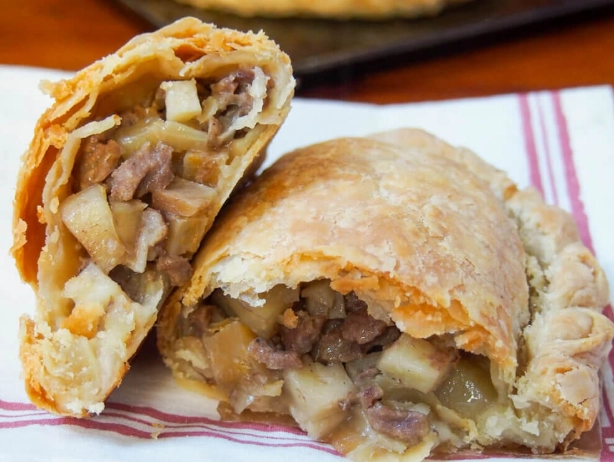
The pasties are done when they are a deep, uniform golden brown and you can hear the filling bubbling inside when you shake them gently.
Your Cornish Pasty Pastry Questions, Answered
I get asked these all the time. Let's clear them up.
Why is my pastry hard/tough?
Three main reasons: 1) You used warm ingredients or overworked the dough, developing too much gluten. 2) You didn't add enough fat. 3) You added too much water, activating the gluten. Remember: cold, fast, minimal handling.
Can I make the dough in a food processor?
You can, but be incredibly careful. Pulse the flour and cold fat until just crumbly. Then, with the motor running, drizzle in the water only until the dough *just* starts to clump. Stop immediately. It's very easy to over-process in seconds, resulting in a tough dough. I prefer doing it by hand for control.
Can I prepare this pastry for Cornish pasties ahead of time?
Absolutely. The dough disc wrapped in cling film will keep in the fridge for up to 2 days. You can also freeze it for up to a month. Thaw overnight in the fridge before rolling. You can also assemble the raw pasties and freeze them on a tray before bagging them. Bake from frozen, adding 10-15 minutes to the baking time.
My bottom pastry is soggy. Help!
Ensure your filling is completely cool before assembling. Use a preheated baking tray. Some bakers swear by placing the baking sheet on the oven's bottom shelf for the first 10 minutes to really crisp the base. Also, make sure your filling isn't too wet—drier fillings like swede and potato help.
What's the best way to reheat a pasty?
To revive the crispness, always reheat in an oven (180°C/350°F for 15-20 mins) or toaster oven. The microwave will make the pastry soft and chewy, though it's fine in a pinch if you're desperate.
The beauty of a true Cornish pasty pastry is its duality. It's a workhorse and a delicacy. It has a job to do, and it does it with delicious flair.
Beyond the Classic: Variations and Final Thoughts
Once you've mastered the classic Cornish pasty pastry recipe, you can play. A wholemeal version using half strong wholemeal bread flour adds a nutty depth. A cheesy pastry, with 50g of strong cheddar finely grated into the flour, is fantastic with a vegetable filling.
But my advice? Master the original first. Get a feel for that sturdy, short, flavorful crust that has been the backbone of a miner's lunch for centuries. There's a reason it's endured.
It's more than just a casing. It's part of the history, the culture, and the soul of the dish. When you get it right—when you pull a pasty from the oven with that crisp, golden, laminated-looking crust that shatters delicately to reveal a steaming, savory interior—you'll understand. All that chilling, resting, and careful handling is worth it. You're not just making lunch; you're baking a piece of heritage.
So, give this recipe for cornish pasty pastry a try. Be patient with the process. Respect the ingredients. And most importantly, don't forget to crimp it on the side.