Your Monkfish Cooking Roadmap
- Getting to Know Your Monkfish: Why It's Worth the Effort
- Step One: The Non-Negotiable Prep Work
- Top Monkfish Cooking Methods, Ranked
- My Go-To, Never-Fail Monkfish Recipes
- Leveling Up: Creative Monkfish Recipe Ideas
- Your Monkfish Questions, Answered (FAQs)
- The Shopping List: How to Buy the Best Monkfish
- A Parting Thought
Let's be honest, monkfish isn't winning any beauty contests. That giant head, those sharp teeth – it looks like something from a deep-sea nightmare. But here's the secret every good chef knows: that weird-looking body holds some of the sweetest, most versatile, and downright delicious flesh in the ocean. I'm talking about a firm, meaty texture that doesn't flake apart like cod, and a mild, sweet flavor that's been compared to lobster or scallops. If you've been hesitant to try cooking it, I get it. It can be intimidating. But I'm here to break it all down for you, step by step. This isn't just another list of monkfish recipes; it's your roadmap to mastering it.
I remember the first time I bought a monkfish tail. I stood there at the fish counter, looking at this monstrous thing, and thought, "What have I gotten myself into?" The recipes online were either too vague or made it sound overly complicated. After a fair bit of trial and error (and a couple of dry, overcooked pieces), I finally figured it out. Now, it's one of my go-to fish for a special yet easy dinner. Whether you have a whole tail, pre-cut fillets, or just saw it on a menu and got curious, this guide will give you the confidence to cook monkfish perfectly.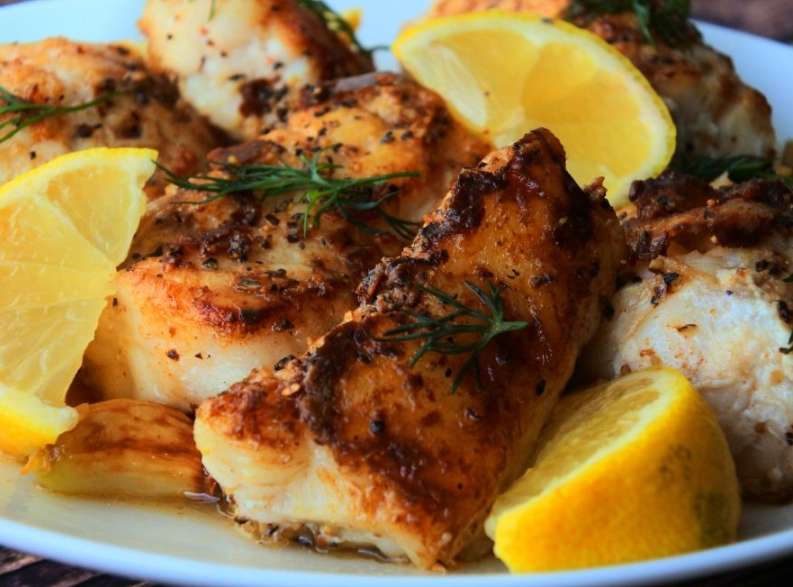
Getting to Know Your Monkfish: Why It's Worth the Effort
Before we dive into the actual monkfish recipe ideas, let's talk about what makes this fish unique. You're almost always buying the tail. The head and bones are usually removed by the fishmonger because, well, they're huge and mostly inedible. What you get is a long, tapered tail piece covered in a thick, gray membrane and skin.
The flavor is incredibly clean and sweet. It's not "fishy" at all. The texture is the real star – dense, firm, and almost meat-like. It's this texture that earns it the nickname "poor man's lobster." It holds up to bold flavors and cooking methods that would destroy more delicate fish. You can sear it, roast it, stew it, and even skewer it for kebabs.
Key Takeaway: Don't judge this fish by its cover. The ugly exterior hides a culinary gem that's forgiving for beginners and impressive for experienced cooks.
Step One: The Non-Negotiable Prep Work
This is the part most generic recipes gloss over, and it's the most common reason people have a bad experience. You cannot skip the prep. The thick, rubbery gray membrane that covers the tail is inedible. It tightens like a rubber band when cooked and will ruin the texture of your beautiful monkfish recipe.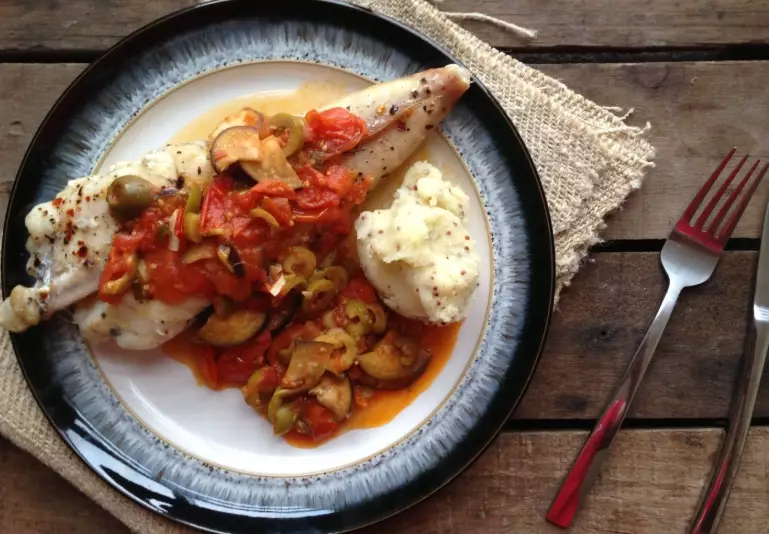
How to Prep a Monkfish Tail (It's Easier Than It Looks)
If you buy a whole tail section, here’s what you do. You need a sharp, flexible fillet knife. Place the tail on your board. There's a central bone running through it. Slice down one side of the bone to remove a long fillet. Repeat on the other side. Now you have two large, boneless fillets.
See that slippery, gray film? You need to peel it off. Use a paper towel to get a good grip on a corner of the membrane. Hold the fillet steady with one hand and, with the other, pull the membrane away in one firm, steady motion. It should come off like a sock. Sometimes it tears; just get a new grip and keep going. Rinse the fillet and pat it very dry.
Watch Out: Some fishmongers will sell "ready-to-cook" monkfish fillets. Even then, double-check. Run your finger along the surface. If it feels slick and rubbery, there's still membrane. Peel it off. Trust me on this.
Now, you can portion it. Cut the fillets into large medallions (great for pan-searing) or cubes (perfect for stews or kebabs). The beauty of a good monkfish recipe is that the pieces stay together, so you don't have to be too precious with them.
Top Monkfish Cooking Methods, Ranked
Not all methods are created equal. Based on flavor payoff and simplicity, here’s my personal ranking.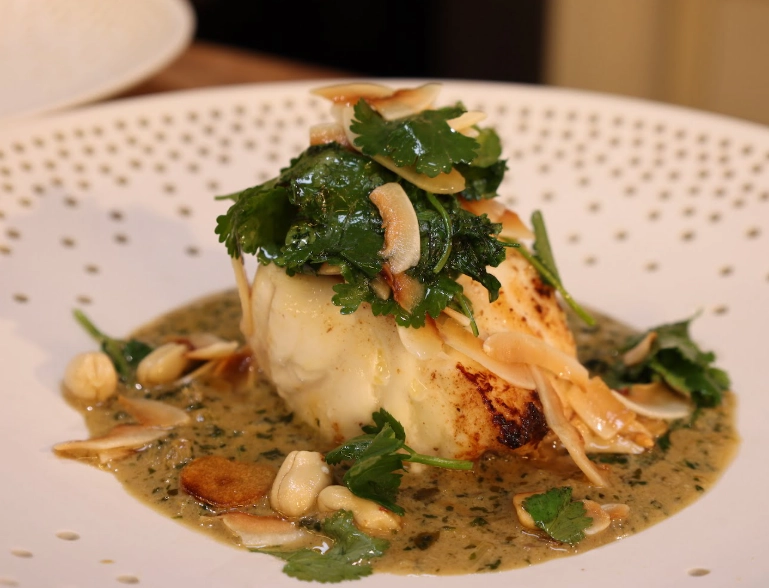
| Rank | Cooking Method | Best For | Key to Success |
|---|---|---|---|
| 1 | Pan-Searing / Sautéing | Quick weeknight dinners, getting a golden crust. | Get the pan screaming hot, don't overcrowd it, and don't move the pieces for the first 2-3 minutes. |
| 2 | Roasting / Baking | Hands-off cooking, cooking with vegetables or a sauce. | Use a hot oven (400°F/200°C+) and don't overcook. A probe thermometer is your best friend. |
| 3 | Braising / Stewing | Deep, complex flavors and incredibly tender results. | Add the monkfish towards the end of cooking so it doesn't toughen up. |
| 4 | Grilling | Summer cookouts, smoky flavor. | Use skewers or a grill basket. Oil the fish and grill well. It can stick if you're not careful. |
Grilling is last only because it requires a bit more attention. It's still fantastic.
My Go-To, Never-Fail Monkfish Recipes
Okay, let's get to the good stuff. Here are two foundational monkfish recipes that will never let you down. Think of these as your master templates.
Foundational Recipe #1: Simple Pan-Seared Monkfish with Lemon-Herb Butter
This is the first monkfish recipe you should try. It's fast, highlights the natural flavor, and teaches you how to get that perfect sear. Serves 2.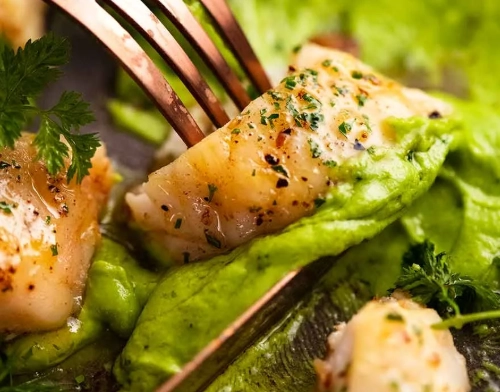
What You'll Need:
- 1 lb (450g) monkfish fillet, membrane removed, cut into 2-3 large medallions
- Salt and freshly ground black pepper
- 2 tbsp all-purpose flour (optional, but helps the crust)
- 2 tbsp high-smoke-point oil (like grapeseed or avocado)
- 2 tbsp unsalted butter
- 2 cloves garlic, lightly smashed
- A few sprigs of fresh thyme or rosemary
- Juice of half a lemon
- 1 tbsp chopped fresh parsley
What You'll Do:
- Pat the monkfish medallions extremely dry. Season generously on all sides with salt and pepper. If using, lightly dust with flour and shake off the excess.
- Heat the oil in a heavy skillet (cast iron or stainless steel is ideal) over medium-high heat until it shimmers. You want it hot.
- Carefully add the monkfish pieces. They should sizzle loudly. Do not touch them for 3 minutes. This is crucial for forming a crust.
- Using tongs, flip the pieces. Cook for another 3-4 minutes on the other side. The inside should be just opaque and feel firm to the touch. If you have a thermometer, aim for 135-140°F (57-60°C) in the thickest part – it will carry over to perfection.
- Transfer the fish to a warm plate. Reduce the heat to medium-low. Add the butter, garlic, and herb sprigs to the pan. Swirl and cook until the butter turns golden brown and smells nutty.
- Turn off the heat. Stir in the lemon juice and parsley. Spoon the fragrant butter sauce over the monkfish and serve immediately. That's it. Simple, elegant, and foolproof.
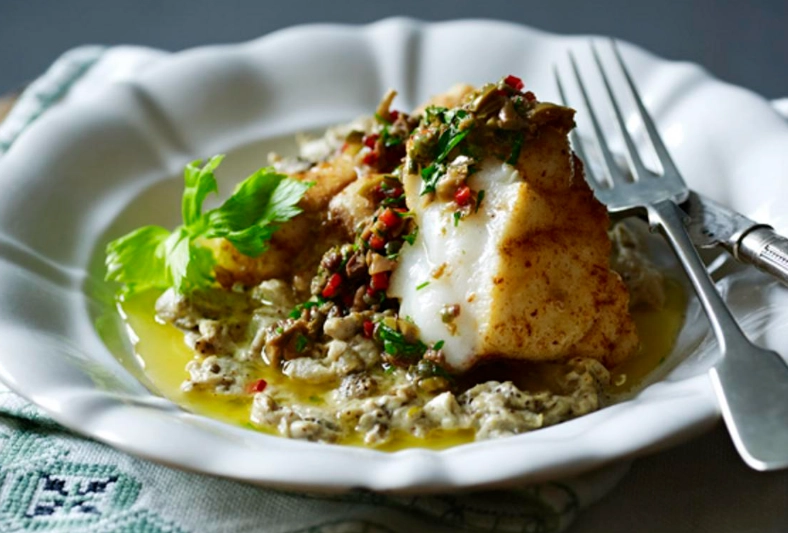
See? Not scary at all.
Foundational Recipe #2: One-Pan Roasted Monkfish with Mediterranean Vegetables
This is my lazy-night gourmet monkfish recipe. Everything cooks on one sheet pan. The juices from the fish mingle with the vegetables, and it’s just magic.
Chop some bell peppers, zucchini, red onion, and cherry tomatoes. Toss them in olive oil, salt, pepper, and dried oregano. Spread them on a baking sheet. Nestle your seasoned monkfish medallions (membrane off, remember?) right in the middle. Roast in a 425°F (220°C) oven for about 15-20 minutes, until the fish is cooked and the veggies are tender and blistered. Finish with a drizzle of good olive oil and maybe some olives and feta. Dinner is done.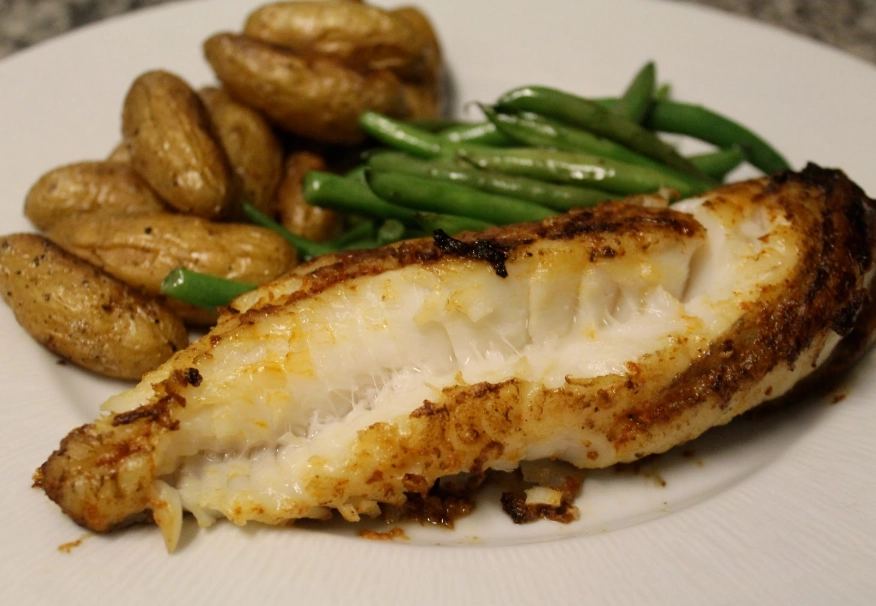
Leveling Up: Creative Monkfish Recipe Ideas
Once you're comfortable with the basics, the world is your oyster (or monkfish!). Here are some ways to play.
Monkfish "Scallops": Cut the fillet into thick rounds that look like giant scallops. Sear them exactly the same way. Serve with a creamy sauce or pea puree. It’s a fantastic, budget-friendly trick.
Monkfish in a Fragrant Curry: The firm flesh is perfect for curry. Try a Thai red or yellow curry with coconut milk. Add the cubed monkfish in the last 5-7 minutes of simmering so it stays tender.
Monkfish Stew: Think Bouillabaisse or Cioppino. A tomato and saffron-scented broth with shellfish, and those sturdy monkfish cubes won't disintegrate. The Monterey Bay Aquarium Seafood Watch program is a great resource for choosing sustainable seafood for your stew. You can check their recommendations here to make an informed choice.
Monkfish Wrapped in Pancetta or Prosciutto: Wrap medallions in thin slices of cured meat. The fat bastes the fish as it roasts, keeping it moist and adding a salty, savory punch.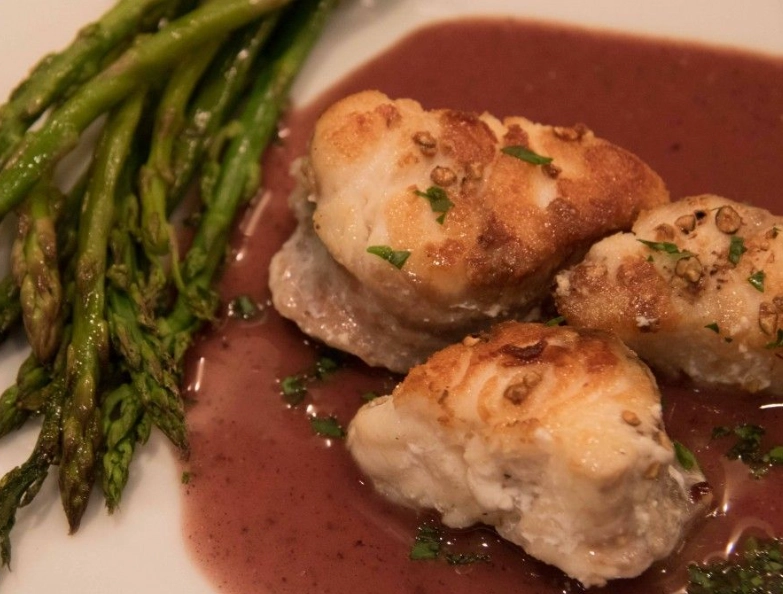
Your Monkfish Questions, Answered (FAQs)
The Shopping List: How to Buy the Best Monkfish
Your monkfish recipe is only as good as the fish you start with. Here’s what to look for:
- Smell: It should smell clean and briny, like the ocean. Any strong, ammonia-like smell is a hard pass.
- Appearance: The flesh should be pure white to pale pink. Avoid any with grayish tinges or drying, discolored edges.
- Texture: It should feel firm and springy to the touch, not soft or slimy.
- Source: Build a relationship with a good fishmonger. Ask questions. They can often prep it for you, saving you the step of removing the membrane.
Pro Tip: If you can only find frozen monkfish, that's okay. Defrost it slowly in the refrigerator overnight. Pat it extra dry before cooking, as it can release more water.
A Parting Thought
Monkfish used to be a well-kept secret in restaurant kitchens. Now, it's readily available for us home cooks. Yes, it requires that one extra prep step, but the payoff is huge. You get a luxurious-tasting fish that's incredibly forgiving and versatile. It's a perfect canvas for your favorite flavors, from a simple sear to a complex stew.
The next time you're at the fish counter, look past the ugly face. Grab a tail, peel off that membrane, and try one of these monkfish recipes. Start with the pan-seared version. Get that golden crust, drizzle the brown butter over it, and take a bite. I think you'll be converted. It might just become your new favorite fish to cook.
Honestly, once you get the prep down, you'll find yourself looking for monkfish. It's that good. And now you know exactly what to do with it.