What's Inside This Guide
I still remember the first time I tried making a chocolate torte. It was for a friend's birthday, and I followed a fancy recipe from a magazine. The result? A dry, cracked mess that tasted more like cardboard than chocolate. That disaster taught me more than any cookbook ever did. Over the past decade, I've baked hundreds of tortes, tweaking every detail to nail a recipe that's both luxurious and reliable. This chocolate torte recipe is my go-to—it's rich, moist, and surprisingly simple, even if you're new to baking. Let's dive in.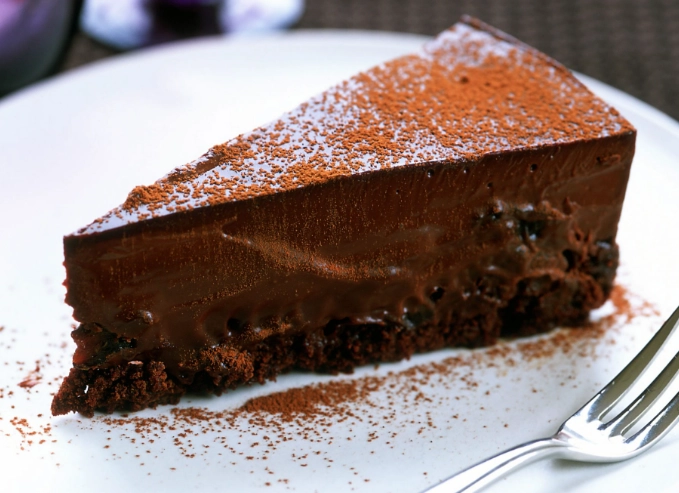
What Makes a Chocolate Torte So Special?
You might wonder, why not just bake a regular chocolate cake? A torte is different. It's denser, richer, and often flourless, relying on eggs and ground nuts for structure. Think of it as the sophisticated cousin of cake—less airy, more intense. In Europe, tortes are staples at celebrations, and for good reason. They pack a chocolate punch without being overly sweet. My version balances that depth with a tender crumb, thanks to a few secret tweaks I picked up from a baker in Vienna.
Key difference: Tortes use little to no flour, making them naturally gluten-friendly. Cakes rely on flour for rise. That's why a torte feels more decadent—every bite is pure chocolate essence.
Ingredients Breakdown: Why Each One Matters
Getting the ingredients right is half the battle. Here's what you'll need, and why skipping corners here can ruin everything. I've seen too many bakers use cheap chocolate and wonder why their torte tastes bland.
| Ingredient | Amount | Why It's Crucial |
|---|---|---|
| Dark chocolate (70% cocoa) | 200g / 7 oz | High cocoa content gives deep flavor. Avoid milk chocolate—it's too sweet and won't set properly. |
| Unsalted butter | 150g / 5.3 oz | Adds moisture and richness. Salted butter can throw off the balance. |
| Granulated sugar | 150g / 3/4 cup | Just enough to sweeten without overpowering. Some recipes overdo it—trust me, less is more. |
| Large eggs | 4 | Provides structure. Room temperature eggs blend better; cold ones can cause separation. |
| Almond flour | 100g / 1 cup | Gives a nutty base and keeps it gluten-free. You can swap with hazelnut flour for variation. |
| Cocoa powder | 2 tbsp | Enhances chocolate intensity. Use Dutch-processed for a smoother taste. |
| Vanilla extract | 1 tsp | Balances bitterness. Real extract beats imitation any day. |
| Salt | 1/4 tsp | Highlights chocolate flavor. Don't skip this—it's a game-changer. |
I once tried using baking chocolate chips instead of bar chocolate. Big mistake. The additives in chips made the torte greasy. Stick to quality bars like Lindt or Ghirardelli. Also, measure by weight if you can—a kitchen scale costs $10 and saves so much grief. Volume measurements are inconsistent, especially for flour and sugar.
Step-by-Step Chocolate Torte Recipe
Follow these steps closely. I've broken it down to avoid the confusion I had early on. This recipe serves 8-10 and takes about 90 minutes total, including baking.
Prepping Your Tools and Pan
First, preheat your oven to 325°F (160°C). Not 350°F—that's too hot and leads to cracking. Grease a 9-inch springform pan and line the bottom with parchment paper. A springform is non-negotiable; trying to remove a torte from a regular pan is a nightmare. I learned that the hard way when I had to scoop out chunks for serving.
Melting the Chocolate and Butter
Chop the chocolate into small pieces. Combine it with the butter in a heatproof bowl. Melt them together over a double boiler, stirring occasionally until smooth. Or, microwave in 30-second bursts, stirring each time. Let it cool to room temperature. If it's too hot, it'll cook the eggs later—a common pitfall.
Mixing the Batter
In a separate bowl, whisk the eggs and sugar until just combined. You don't need a fluffy foam like for cakes; overwhipping incorporates too much air, causing the torte to rise and fall unevenly. Gently fold in the cooled chocolate mixture, then the almond flour, cocoa powder, vanilla, and salt. Use a spatula and fold, don't stir aggressively. The batter should be thick and glossy.
Baking and Cooling
Pour the batter into the prepared pan. Smooth the top. Bake for 40-45 minutes. The center should be set but still slightly wobbly. A toothpick inserted should come out with a few moist crumbs. Overbaking is the enemy—it dries out the torte. Once done, let it cool in the pan on a wire rack for 30 minutes. Then, release the springform and cool completely. Patience here is key; cutting it warm makes it crumble.
Expert Tips and Tricks for Perfection
After years of baking, here are my insider tips that most recipes gloss over.
- Use room temperature everything: Eggs, butter, even the chocolate mixture. Cold ingredients don't blend well, leading to a grainy texture.
- Fold, don't beat: When combining wet and dry ingredients, use a folding motion with a spatula. This keeps the batter dense and prevents air pockets.
- Test doneness early: Start checking at 35 minutes. Ovens vary, and mine runs hot, so I often pull it out at 38 minutes.
- Cool slowly: Let the torte cool in the turned-off oven with the door ajar for 10 minutes before moving to the rack. This reduces cracking from temperature shock.
One trick I stole from a French pastry chef: add a tablespoon of strong coffee to the chocolate mixture. It doesn't make it taste like coffee—it just deepens the chocolate flavor. Try it; you'll thank me later.
Common Mistakes to Avoid (From My Kitchen Fails)
I've made every error in the book, so you don't have to. Here's what to watch out for.
Overmixing the batter. This develops gluten (even in almond flour) and makes the torte tough. Mix until just combined, then stop.
Using the wrong pan. A dark metal pan absorbs more heat and can burn the edges. Light-colored pans are better. If you only have dark, reduce the oven temp by 25°F.
Skipping the parchment paper. Even with greasing, the torte can stick. Parchment ensures a clean release.
Not letting it cool fully. I get it—you want to taste it. But cutting into a warm torte ruins the structure. Wait at least 2 hours.
My worst fail? I once forgot the salt. The torte tasted flat and one-dimensional. Salt isn't optional; it's essential for balancing sweetness.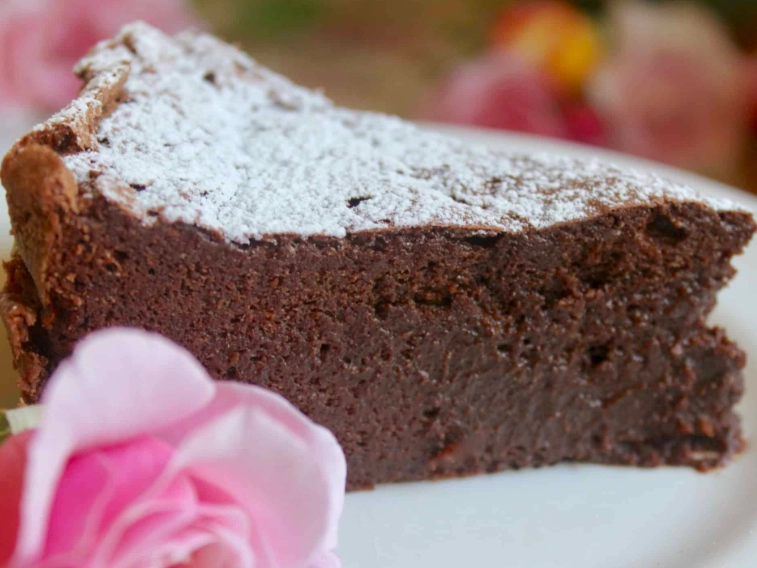
Your Chocolate Torte Questions Answered
Baking a chocolate torte isn't about perfection—it's about joy. Embrace the process, learn from slips, and share the results. This recipe has saved me from countless dinner party disasters, and I hope it does the same for you. Happy baking!