In This Article
You've got a beautiful piece of haddock. It's fresh, it's firm, and you're ready to cook. Then you remember that old bit of kitchen wisdom passed down from your grandma, or maybe you saw it in a comment section somewhere: soak it in milk. Suddenly, you're standing in your kitchen, holding a fillet, and wondering if you need to run to the store for a carton. Should haddock be soaked in milk before cooking, or is it just another food myth that makes extra dishes for no reason?
I've been there. I've tried it both ways more times than I can count. Sometimes the milk bath felt like a revelation; other times, it seemed like a pointless, extra step that just made my fish smell like... well, faintly of dairy. The answer isn't a simple yes or no. It's a "it depends," and understanding what it depends on is what makes the difference between a good fish dish and a great one.
This whole question—should haddock be soaked in milk before cooking—touches on science, tradition, and practical kitchen sense. We're going to dig into all of it. Not with the dry tone of a textbook, but like we're figuring it out together over a kitchen counter.
Why Would You Even Think About Soaking Fish in Milk?
Let's start with the why. It sounds odd if you've never heard of it. Milk is for cereal and coffee, right? But this trick has been around for ages, and it's not just for haddock. The core idea targets two common complaints people have about fish: a strong "fishy" smell and a sometimes tough or dry texture.
The theory goes like this. The compounds that give fish its stronger aroma (we're talking trimethylamine, for the science-curious) are slightly alkaline. Milk, particularly whole milk, is slightly acidic. The thought is that the acids in the milk can neutralize those odor-causing compounds. On the texture front, the proteins and gentle enzymes in milk might interact with the surface of the fish, potentially leading to a more tender bite.
But here's my take after many experiments: the effect on smell is more noticeable than on texture. If your haddock is super fresh, you might not need it at all. If it's been in your fridge for a couple of days, or if you're just sensitive to fishy odors, that's where the milk soak can feel like a kitchen hack.
I remember one time I was making fish pie with haddock that wasn't at its peak freshness. I was worried. Soaking it in milk for about 20 minutes genuinely took the edge off. The finished pie was creamy and sweet, with no off-putting notes. It saved the meal. Other times, with fish straight from the fishmonger, I've skipped it and noticed zero difference in flavor. That's the real-world variability.
Step-by-Step: How to Soak Haddock in Milk (The Right Way)
Okay, let's say you've decided to give it a go. You're asking, "Should haddock be soaked in milk before cooking in my kitchen, tonight?" and the answer is yes. Here’s exactly how to do it without messing up your fish.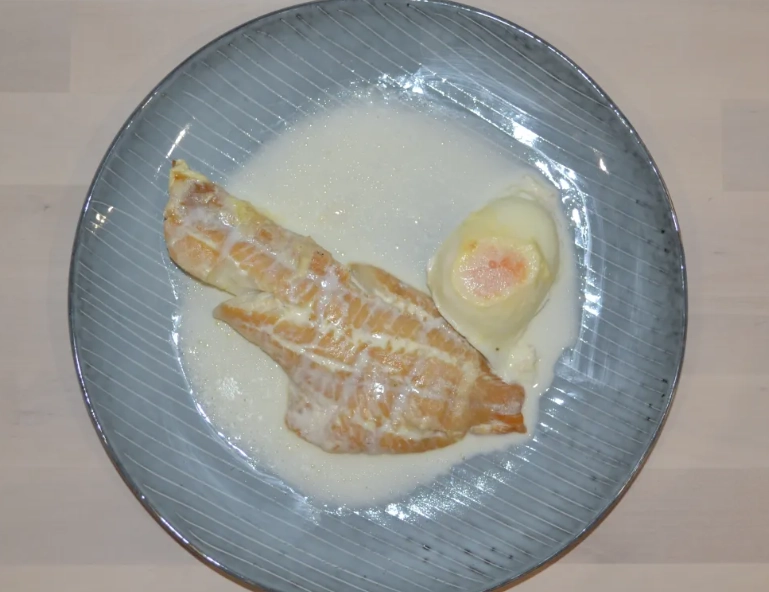
What You'll Need
- Fresh or thawed haddock fillets: Pat them dry with a paper towel first. This helps the milk adhere better.
- Milk: Whole milk is the traditional champion here. The fat content seems to carry flavor better and adds a touch of richness. I've tried semi-skimmed in a pinch, and it works, but the result is a bit less unctuous. Avoid strongly flavored milks like buttermilk unless you want a distinct tang—it's a different recipe altogether.
- A shallow dish: Glass or ceramic is best. You want the fillets to lie flat in a single layer.
- Plastic wrap or a lid.
- Your refrigerator. Never do this at room temperature.
The Process, No Fuss
- Place your dried haddock fillets in the shallow dish.
- Pour in enough cold milk to just submerge the fish. Don't drown it; you're not making a soup.
- Cover the dish tightly and place it in the refrigerator.
- Set a timer. This is crucial. 15 to 30 minutes is the sweet spot. For very fresh fish, 15 might be enough. For anything you're slightly unsure about, aim for 25-30 minutes. Anything longer, and you risk the fish starting to break down or absorb too much liquid, making it soggy. I made that mistake once—the fish became mushy and fell apart in the pan. Not ideal.
- When time's up, remove the fillets. This next step is non-negotiable: Pat them completely dry with fresh paper towels. If you skip this, you'll be trying to fry or bake wet fish, which leads to steaming instead of browning, and a pale, less appealing result.
- Discard the milk. Do not reuse it for anything. It's done its job.
- Cook your haddock as you normally would. Season it well after drying.

Following these steps answers the practical side of should haddock be soaked in milk before cooking. It's simple, but the details matter.
The Real Pros and Cons (No Sugar-Coating)
Let's be brutally honest. This technique isn't a universal fix. It has its place. Here’s a clear breakdown of what you gain and what you might lose.
| Advantages (The Good Stuff) | Disadvantages (The Not-So-Good) |
|---|---|
| Reduces Fishy Odors: This is its biggest claim to fame. It can make cooking and eating more pleasant, especially in enclosed spaces. | Extra Time & Step: It adds 15-30 minutes of inactive time to your prep. On a busy weeknight, that can be a dealbreaker. |
| Can Enhance Tenderness: For thicker cuts, it might help prevent a rubbery texture, leading to a flakier result. | Risk of Sogginess: Over-soaking is a real danger. It requires attention to timing. |
| Mild Flavor Base: It creates a clean, slightly sweet canvas that takes on other seasonings beautifully. | Wastes Milk: You use a cup or two of milk only to throw it away. It feels a bit wasteful, I won't lie. |
| Great for Battered Fish: Some swear it helps batter or breadcrumbs adhere better to the fish surface. | Not a Substitute for Freshness: It can mask minor issues but cannot resurrect old, spoiled fish. Food safety first, always. |
Looking at that table, you see the trade-off. It's a tool, not a rule. If your priority is a quick, 10-minute dinner, skip it. If you're planning a special fish dish and want to ensure the mildest flavor and most delicate texture, it's worth considering.
Powerful Alternatives to the Milk Soak
Maybe you're out of milk. Maybe you're dairy-free. Or maybe you just read the cons and thought, "Nah, not for me." Fantastic. The milk soak is one path, not the only path. Here are other highly effective ways to prepare your haddock.
The Saltwater Brine (My Go-To Alternative)
This is a fantastic method. Dissolve about 2 tablespoons of salt in 4 cups of cold water. Submerge the haddock fillets for 15-20 minutes in the fridge. The salt changes the protein structure, helping the fish retain its natural juices during cooking. The result is incredibly moist and flaky fish. Rinse briefly and pat very dry before cooking. It's a winner for grilling or baking.
The Lemon Juice or Vinegar Rinse
A quicker, more acidic approach. Squeeze some fresh lemon juice over the fish, let it sit for 5 minutes, then rinse and pat dry. The acid can brighten flavor and firm up the surface slightly. Don't leave it too long, or you'll start to "cook" the fish ceviche-style. A splash of white wine vinegar works similarly.
The "Just Pat It Dry" Method
Never underestimate this. For super-fresh haddock, simply patting it thoroughly dry with paper towels is often all you need. A dry surface is the secret to getting a beautiful golden sear in a pan or a crisp skin in the oven. Moisture is the enemy of browning. This method proves that sometimes, less is more.
So, when you're pondering should haddock be soaked in milk before cooking, remember you have a menu of options. Choose based on your time, ingredients, and desired outcome.
Answering Your Burning Questions
Absolutely, but with a key rule: the fish must be completely thawed first. Never soak frozen fish. Thaw it in the fridge overnight, then pat it dry and proceed with the milk soak if you wish. Soaking frozen or partially frozen fillets will make them waterlogged.
You can experiment, but the results change. Unsweetened almond or oat milk might work for the liquid component but lack the fat and specific proteins of dairy. Buttermilk will add a tangy flavor, which can be great for certain recipes but is a different beast entirely. For the classic, mild effect, dairy milk is the standard.
The principle applies to many white fish. Cod, pollock, and tilapia can all benefit similarly. For oily fish like salmon or mackerel, it's less common. Their stronger flavor and fat content are part of their character, and they're often prepared with other methods. The milk soak is really best suited for lean, mild white fish.
While it's a folk method, the chemistry is plausible. The acid-base interaction is sound. Resources from institutions like the University of California's Division of Agriculture and Natural Resources discuss how acids can alter food proteins and flavors. For a deeper dive into food science principles, the Harvard University's "Science and Cooking" public lecture series often touches on these types of interactions in an accessible way. It's less about a single study on haddock and milk, and more about applying general culinary science.
The Final Verdict: To Soak or Not to Soak?
So, circling back to the big question that brought you here: Should haddock be soaked in milk before cooking?
Here’s my final, no-nonsense take.
Do it if: Your haddock is less than perfectly fresh and has a noticeable smell. You're making a delicate dish where a pure, sweet fish flavor is paramount (like a simple poach or a creamy pie). You have the extra 20 minutes and don't mind using the milk. You're curious and want to test it for yourself.
Skip it if: Your fish is incredibly fresh and smells of nothing but the sea. You're in a hurry. You're planning to use bold spices, a strong marinade, or a sauce that will dominate the flavor anyway. You simply don't want to.
The beauty of cooking is there are very few absolute commandments. The milk soak is a valuable trick in your toolkit, one with a clear purpose and specific best-use cases. It’s not a mandatory step for perfect haddock, but it can be a helpful one.
The most important thing is to start with the best fish you can find. No soak can fix poor quality. For reliable information on selecting and handling seafood safely, you can always refer to guidelines from authoritative sources like the U.S. Food and Drug Administration's seafood advice pages. Start with quality, then decide if your haddock needs a milk bath. Now you know exactly what that bath does, how to do it right, and when to try something else entirely.
Go cook some fish.