In This Guide
- What Even Is a Sourdough Starter, and Why Bother Making Your Own?
- The Core Ingredients: It's Simpler Than You Think
- The Step-by-Step, No-Fluff Guide to Your Best Sourdough Starter
- Maintaining Your Starter: The Real Long-Term Relationship
- Troubleshooting: Solving Common Starter Problems
- Advanced Tips & Flavor Development
- Frequently Asked Questions (The Stuff You Actually Search For)
- Wrapping It Up: Your Path to Sourdough Success
Let's be real for a second. The internet is flooded with recipes claiming to be the best sourdough starter recipe. Some are needlessly complicated, others skip over the crucial details that make or break your starter, and many leave you with more questions than answers when your jar of flour and water doesn't magically transform into a bubbling, aromatic levain.
I've been there. My first attempt was a sad, smelly disaster. I followed a vague guide, got impatient, and ended up with a pink-tinged sludge that belonged in the compost, not my bread. It was frustrating. But after years of baking, failing, and learning from those failures (and consulting resources from experts like the King Arthur Baking Company), I've distilled the process down to what actually works. This isn't about a secret ingredient or a mystical technique. It's about understanding the simple science behind fermentation and giving you a reliable, clear path to creating your own thriving sourdough culture.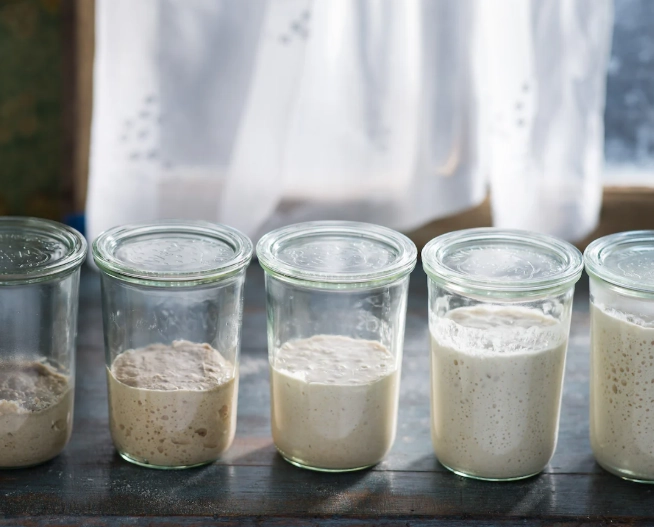
What Even Is a Sourdough Starter, and Why Bother Making Your Own?
At its core, a sourdough starter is a stable culture of wild yeast and lactic acid bacteria living in a mixture of flour and water. Commercial yeast is a single strain, isolated and packaged. Your starter, however, is a living ecosystem unique to your kitchen, capturing the wild microbes floating in your air and on your flour. This is what gives sourdough its complex, tangy flavor, better digestibility for some people, and that incredible, crackly crust and chewy crumb you can't get with instant yeast.
Why go through the week-long process? Control, for one. You know exactly what's in it: flour and water. No additives. The flavor is deeper and more nuanced than anything you can buy. There's a deep satisfaction in baking a loaf that began as a jar of your own cultivated culture. It connects you to the oldest form of leavened bread baking. Sure, you can buy a dehydrated starter online (places like Carl's Friends have shared the famous "1847 Oregon Trail" starter for years), but creating one from scratch teaches you its rhythms and personality from day one.
The Core Ingredients: It's Simpler Than You Think
Here's the beautiful part. You only need two things to begin your search for the best sourdough starter recipe:
- Flour: This is your yeast's food. Unbleached, all-purpose flour works perfectly fine and is the most common recommendation for beginners. Its moderate protein content provides a good balance of food. Many bakers, myself included, like to kickstart fermentation with a portion of whole grain flour (rye or whole wheat) for the first few feedings. These flours contain more minerals and nutrients on the bran, which the wild yeast and bacteria love. You can transition to all-purpose or bread flour for maintenance later.
- Water: Use non-chlorinated water. Chlorine and chloramines in tap water can inhibit the very microbes you're trying to cultivate. Filtered water, bottled water, or simply leaving tap water out on the counter for 24 hours to let the chlorine dissipate works great. Lukewarm water (about 75-80°F or 24-27°C) is ideal—it wakes the microbes up without cooking them.
That's it. No pineapple juice, no grapes, no yogurt. Those are shortcuts or fixes for specific problems, but for a classic, robust starter, flour and water are the undisputed champions. The real "secret" isn't in the ingredients list; it's in the process and the care.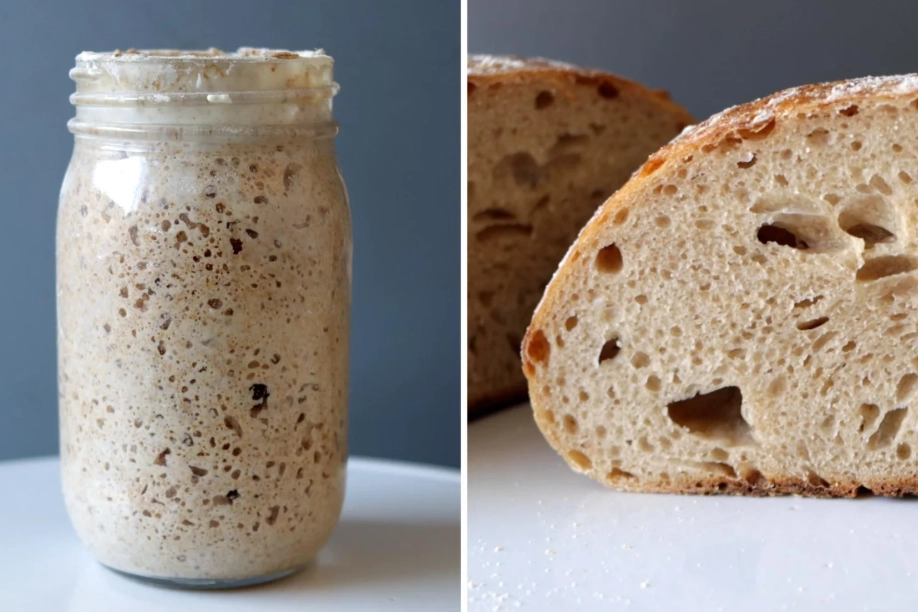
The Step-by-Step, No-Fluff Guide to Your Best Sourdough Starter
This is a 7-day framework. Your timeline might vary by a day or two depending on your kitchen's temperature and humidity. The goal is to see consistent, predictable rising and falling after a feeding, with a pleasant, yogurt-like or fruity aroma.
Days 1 & 2: The Beginning
In a clean, non-reactive jar (glass is best), mix 50 grams of whole rye or whole wheat flour with 50 grams of lukewarm water. Stir vigorously until you have a thick, pancake-batter consistency. Scrape down the sides. Loosely cover the jar (a lid set on top but not screwed on, or a cloth secured with a rubber band). Place it somewhere consistently warm, ideally between 70-78°F (21-25°C). A cool oven with the light on often creates the perfect microclimate.
You might not see much for 24-48 hours. Maybe a few small bubbles. That's okay. The microbes are settling in and multiplying.
Days 3 & 4: The “Ugly” Phase (Don't Panic!)
This is where many people think they've failed. You might see a lot of bubbling, then it collapses. The smell can turn sharp, like acetone or nail polish remover, or even like rotten cheese. This is completely normal! The initial bacterial battle is happening, and some less desirable bacteria are producing these smells before the good lactic acid bacteria take over.
On Day 3, discard about half of your starter (yes, just throw it away). To the remaining half (about 50g), add 50g of all-purpose flour and 50g of lukewarm water. Stir, cover, and return. Repeat this same discard-and-feed process on Day 4. The smell should start to mellow from “gym locker” to “ripe fruit” or “yogurt.”
Days 5, 6 & 7: Building Strength and Predictability
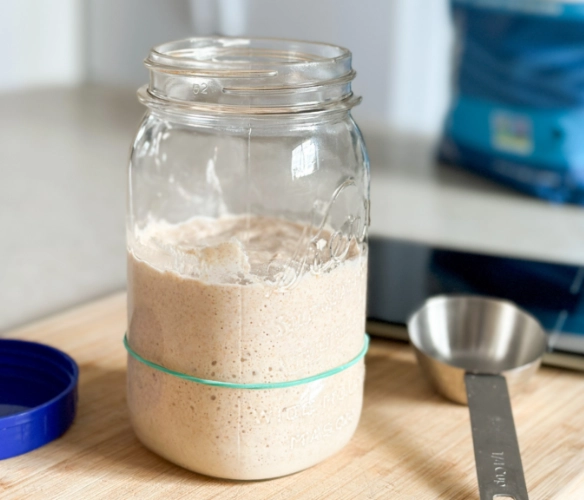
Continue the daily discard and feed. You should now be seeing more reliable activity: the starter should roughly double in volume within 4-8 hours of feeding, have a dome-like top, be filled with bubbles throughout, and smell pleasantly tangy and yeasty.
This is the heart of the best sourdough starter recipe—establishing a routine that teaches your culture to expect food and respond vigorously. If activity is still sluggish by Day 6, try feeding it twice a day (every 12 hours) to give the active microbes more fuel.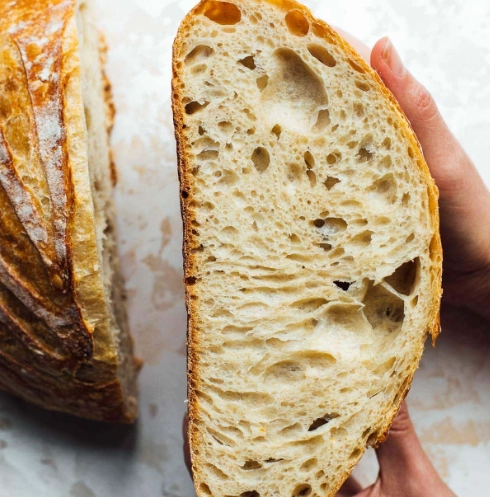
The Float Test (And Why It's Not the Full Story)
Once your starter is consistently bubbly and rising after feeds, you can do the float test to see if it's ready for baking: drop a small spoonful into a glass of water. If it floats, it's buoyant with gas and is considered active enough to leaven bread. If it sinks, it needs more time to peak after its last feeding.
But here's my take: the float test is a helpful hint, not a gospel truth. A mature, healthy starter that's just past its peak might sink but still make great bread. A starter can float but have an off flavor. Use the float test as one data point alongside consistent rise, good bubbles, and a pleasant smell.
Maintaining Your Starter: The Real Long-Term Relationship
Creating the starter is one thing. Keeping it alive and happy is where most folks get tripped up. You have options based on how often you bake.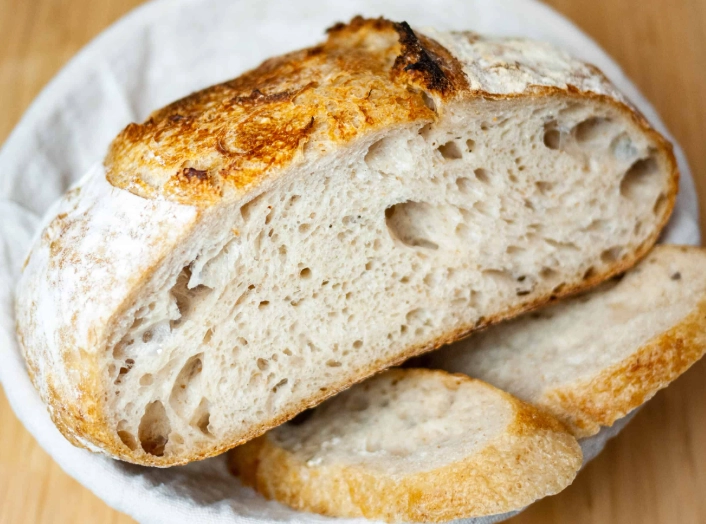
| Baking Frequency | Maintenance Method | Feeding Ratio (Starter:Flour:Water) | Storage |
|---|---|---|---|
| Daily to Every Other Day | Room Temperature | 1:1:1 (e.g., 50g:50g:50g) | On counter, loosely covered. Feed daily. |
| Once a Week | Refrigerator (Dormant) | 1:2:2 or 1:3:3 after removing from fridge | In fridge, tightly sealed. Feed weekly if unused. |
| Infrequently (Monthly+) | Dehydration or Freezing | N/A | As dried flakes or a frozen portion. Revive with several feeds. |
My routine? I keep a tiny amount in the fridge. The night before I want to bake, I take it out, feed it a generous 1:5:5 ratio, let it peak at room temperature, and use what I need. The small leftover goes back in the fridge. This method wastes almost no flour.
Troubleshooting: Solving Common Starter Problems
Even with the best sourdough starter recipe, things can go sideways. Here’s a quick diagnostic guide.
My starter isn't rising/bubbling at all.
Check the temperature. Is your kitchen below 70°F (21°C)? Cold drastically slows fermentation. Find a warmer spot. Are you using chlorinated water? Switch to filtered. Is your flour very old? Try a new, unbleached bag.
It's super watery and separated (lots of hooch).
This is a classic sign of hunger. It's telling you it ate all the food and needs to be fed more often or with a higher feeding ratio. Pour off some hooch if you like, stir, and feed it. Consider moving to twice-daily feeds if at room temp.
It smells like acetone/vinegar/nail polish.
Hunger, again. Or it's just in the adolescent phase (days 3-4). A hungry, acidic starter produces these smells. A regular feeding schedule usually solves it. If it's an established starter, give it a couple of feeds with a higher ratio (like 1:3:3) to dilute the acidity.
It smells like alcohol.
This is normal, especially if it's peaked and fallen. The yeast produces alcohol and CO2. Stir it and feed it.
There's a dark liquid on top.
That's hooch. It's harmless alcohol and water. You can stir it back in (which adds tang) or pour it off. Its presence just means your starter is hungry or has been sitting a while.
Advanced Tips & Flavor Development
Once you have a reliable starter, you can play with it to influence your bread's flavor.
- Stiff Starter (Biga-style): Use a lower hydration (e.g., equal parts starter and flour, but less water). This favors yeast production and yields a milder, sweeter tang and great oven spring.
- Liquid Starter (Poolish-style): Higher hydration (more water). Favors bacteria, leading to a more pronounced sourness.
- Fermentation Temperature: Warmer temps (78-85°F/26-29°C) encourage more lactic acid (yogurt sourness). Cooler temps (65-70°F/18-21°C) favor acetic acid (sharp vinegar sourness). You can control this during your bulk fermentation, not just the starter.
- Flour Blends: Maintaining your starter with a different flour (like 10% rye mixed into your bread flour) can add complexity. For in-depth technical analysis on fermentation, resources from institutions like University of Minnesota Extension can be enlightening.
Frequently Asked Questions (The Stuff You Actually Search For)
Wrapping It Up: Your Path to Sourdough Success
Finding the best sourdough starter recipe isn't about finding a single perfect list of instructions. It's about understanding the principles—consistent feeding, right temperature, good ingredients, and a dash of patience—and then applying them consistently. The recipe I've outlined here is the one I've found to be the most reliable, the most forgiving, and the one that builds the strongest foundation for a lifetime of baking.
Don't get bogged down in the minutiae at first. Start with whole grain flour and filtered water. Feed it daily. Watch it. Smell it. Learn its rhythms. When it reliably rises and falls with a sweet, tangy aroma, you've done it. You've created not just a leavening agent, but a kitchen companion. Now go bake some bread. The first loaf might not be magazine-worthy, but it will be yours, from your own starter, and that taste is unbeatable.
Remember, every baker's journey is unique. Your starter will have its own personality. Embrace it, feed it, and it will reward you with countless loaves of delicious, real bread.