What's Inside
Let's be honest, the first time you see a big, raw marrow bone, it can look a bit... intimidating. It's not your everyday chicken breast. I remember staring at a package in the butcher's fridge, thinking it looked more like a prop from a science class than dinner. But then I tried properly roasted marrow at a restaurant – spread on toast with a sprinkle of salt – and wow. It was this incredibly rich, buttery, savory flavor that just melted. I was hooked. And you know what? Making a great bone marrow food recipe at home is way easier than it looks.
This isn't about fancy chef techniques you need a degree for. It's about unlocking one of the most flavorful (and surprisingly nutritious) parts of an animal that most people just miss out on. Whether you've been curious to try it or you're looking to perfect your method, this guide is here to walk you through every single step, without the jargon or the stress.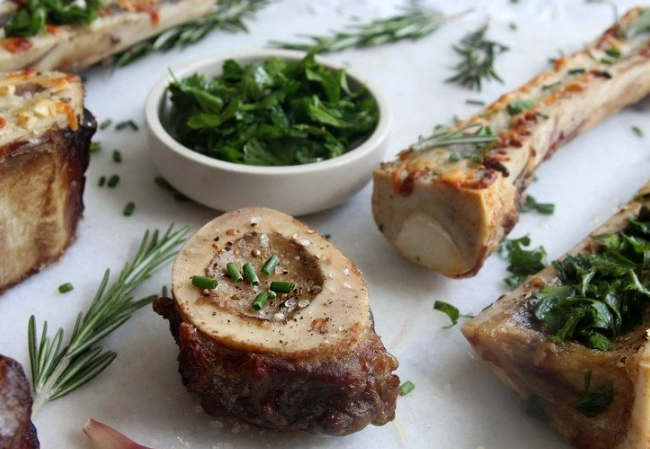
Why Bother with Bone Marrow, Anyway?
Before we get our hands dirty, let's talk about why this is worth your time. It's not just about taste, though that's a huge part of it.
Marrow is the soft, fatty tissue inside the center of bones. In animals, it's where blood cells are made, which means it's packed with nutrients. We're talking about good fats, collagen, glycine, and minerals like iron and phosphorus. For centuries, in cultures all over the world, it's been prized as a nourishing food. It's only recently in the West that it became a "chef-y" thing. Really, it's ancestral eating.
Quick Health Note: A lot is said about the benefits of bone broth for collagen and joint health. Eating the marrow itself is like getting a concentrated, direct dose of that goodness. The glycine in marrow is fantastic for sleep and gut health. Is it a magic superfood? No. But it's a deeply nutrient-dense whole food that adds variety and incredible flavor to your diet.
Now, the taste. If you've never had it, the closest comparison is the most luxurious, meat-flavored butter you can imagine. It's rich, umami, and slightly sweet. It doesn't taste "organ-y" or metallic like liver might to some people. It's just pure, savory decadence.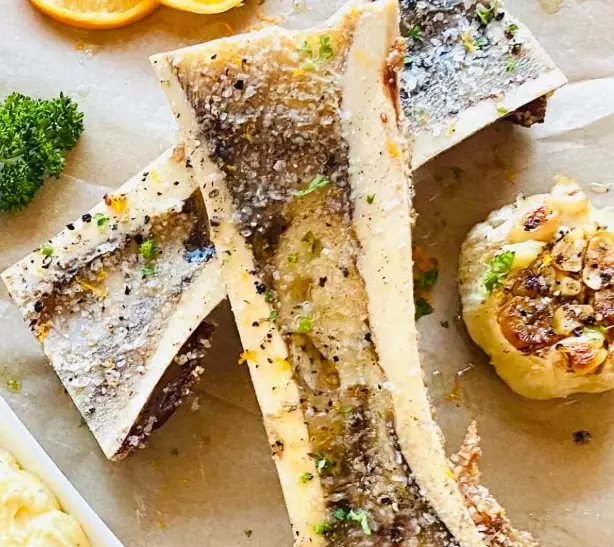
Step One: Getting the Right Bones (This is Crucial)
Your entire bone marrow food recipe hinges on this first step. Get the wrong bones, and you'll be disappointed. It's that simple.
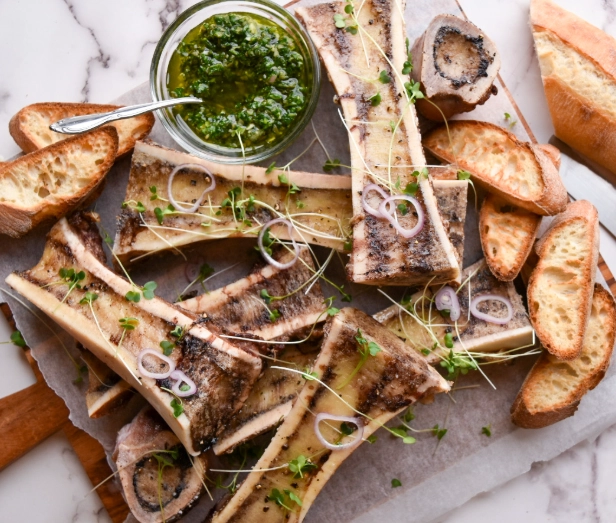
You want veal or beef marrow bones. "Soup bones" sometimes work, but you need to be specific. Ask your butcher for center-cut marrow bones, sometimes called "canoe cut" or "osso buco cut." This means the bone is cut across the leg, exposing the marrow cavity in the center, like a little tube. This shape is perfect for scooping out after roasting.
Avoid bones that are cut lengthwise, exposing just a thin strip of marrow. They dry out too easily. You want that marrow protected by the bone wall on all sides except the two ends.
My first attempt was a fail because I got the wrong cut. I bought bones cut lengthwise (because they were cheaper), and the marrow just shriveled up and stuck to the bone. Lesson learned: spend a minute talking to the butcher. It makes all the difference.
Where to buy? A good local butcher is your best bet. They can cut them fresh for you. Many higher-end grocery stores with a meat counter have them too. You can even find them frozen online now from reputable meat suppliers. Just check the reviews.
Here’s a quick comparison to keep in your back pocket:
| Source | Pros | Cons | Best For |
|---|---|---|---|
| Local Butcher | Freshest, can custom-cut, get advice | Might be slightly more expensive | Your first time, ensuring perfect cut |
| Grocery Meat Counter | Convenient, often pre-packaged | May not have center-cut consistently | When you're already shopping |
| Online Supplier | High-quality, grass-fed options, delivered | Can't inspect before buying, shipping cost | Regular cooks, sourcing specific diets |
Prepping Your Bones: The Soak & Scrape
When you get your bones home, you might see a bit of blood or tiny bone fragments on the ends. No big deal. Some people roast them straight away, but I've found a little prep makes the final result cleaner and better.
- Soak them. Put the bones in a big bowl of cold, salted water for 12-24 hours in the fridge. Change the water once if you can. This pulls out any residual blood from the marrow, resulting in a milder, sweeter flavor and a nicer color. It’s not strictly mandatory, but I always do it now.
- Dry them THOROUGHLY. After soaking, pat the bones completely dry with paper towels. This is key for getting a good roast, not a steam.
- Check the ends. Sometimes there's a thin membrane covering the marrow. You can gently scrape it off with a small knife for easier extraction later, but don't dig the marrow out.
The Core Method: How to Roast Bone Marrow Perfectly
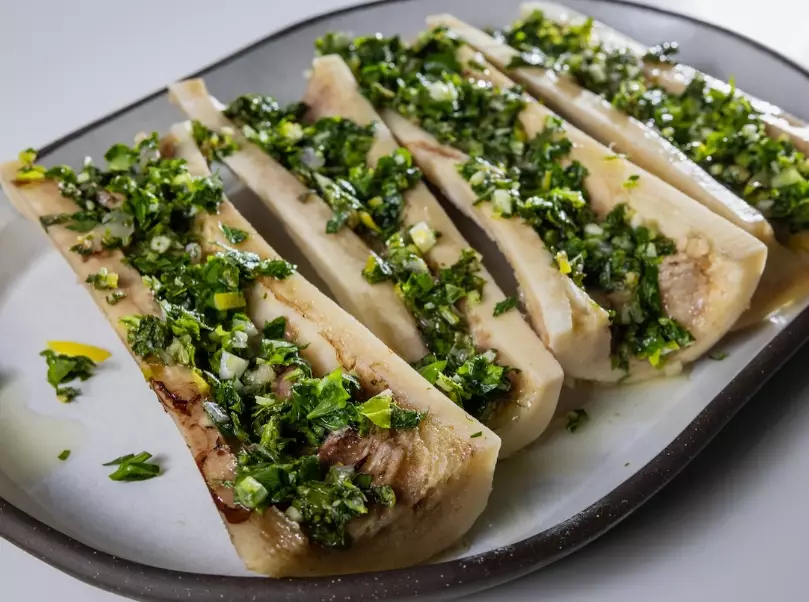
This is the heart of most bone marrow food recipe ideas. Roasting is simple, reliable, and delivers that classic restaurant-style presentation. Forget complicated steps; it's about heat and timing.
Classic Roasted Bone Marrow
The Simple Formula: Dry bones + high heat + careful timing = liquid gold.
What you need: Your prepped marrow bones, coarse sea salt (like Maldon), freshly cracked black pepper. Optional: a fresh herb like thyme or rosemary.
How to do it:
- Preheat your oven to 450°F (230°C). Get it nice and hot.
- Stand the bones upright on a baking sheet or in a cast-iron skillet. If they wobble, crumple a little foil to make a nest to hold them steady. This is important so the precious marrow doesn't run out.
- Season the exposed marrow generously with salt and pepper. Tuck a sprig of thyme in the pan if using.
- Roast for 15-25 minutes. This is the critical part. You're looking for the marrow to be puffed up, bubbly around the edges, and slightly pulling away from the bone. It should be loose and jiggly, not solid. If it's completely liquid and boiling over, it's overdone. Start checking at 15 minutes. Size of the bones varies wildly, so use your eyes, not just the clock.
- Let them rest for a minute or two. They'll be crazy hot.
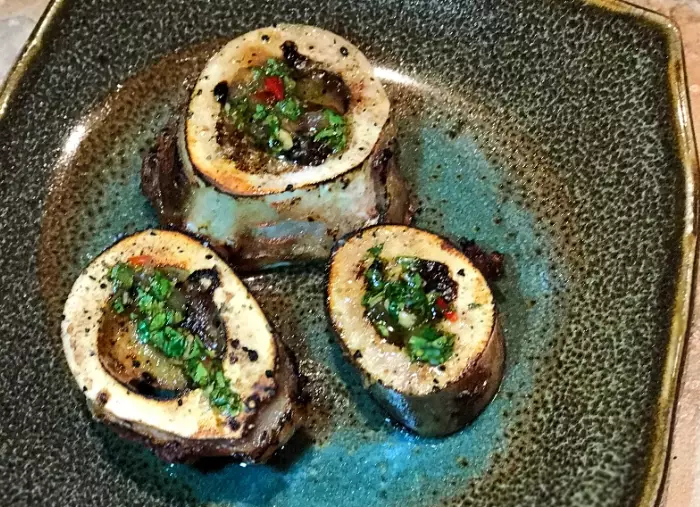
The serving is part of the fun. You need something to cut the richness. The classic is a simple parsley salad (called "persillade") – just finely chopped flat-leaf parsley, shallots, capers, and a lemon vinaigrette. Pile that on top. But honestly, even just a squeeze of lemon juice and a flake of salt on top works miracles.
Then, you scoop. Use a small spoon or a narrow butter knife. Spread it on thick, crusty, toasted bread (sourdough is my favorite). The warm marrow soaks into the bread. It's unbelievable.
Beyond Roasting: Bone Marrow Butter & Other Genius Ideas
Okay, so roasting is fantastic. But what if you have more bones? Or what if you want to use marrow as a secret weapon in other dishes? This is where it gets really fun.
The Ultimate Secret Weapon: Bone Marrow Butter
If you only try one variation of a bone marrow food recipe, make it this. Bone marrow butter is a freezer staple in my kitchen. It elevates everything it touches.
You make it after you roast the bones. Once you've scooped out most of the marrow for your toast, there's always a bit left clinging to the bone. Don't waste it! Scrape every last bit out into a bowl.
For every 1/4 cup of scooped marrow, add 1 stick (1/2 cup) of softened, good-quality unsalted butter. Add a big pinch of salt, some black pepper, maybe a little minced garlic or fresh herbs like rosemary or thyme. Mash it all together with a fork until completely combined.
Roll it into a log on parchment paper, twist the ends, and freeze it. Then, just slice off coins whenever you need it.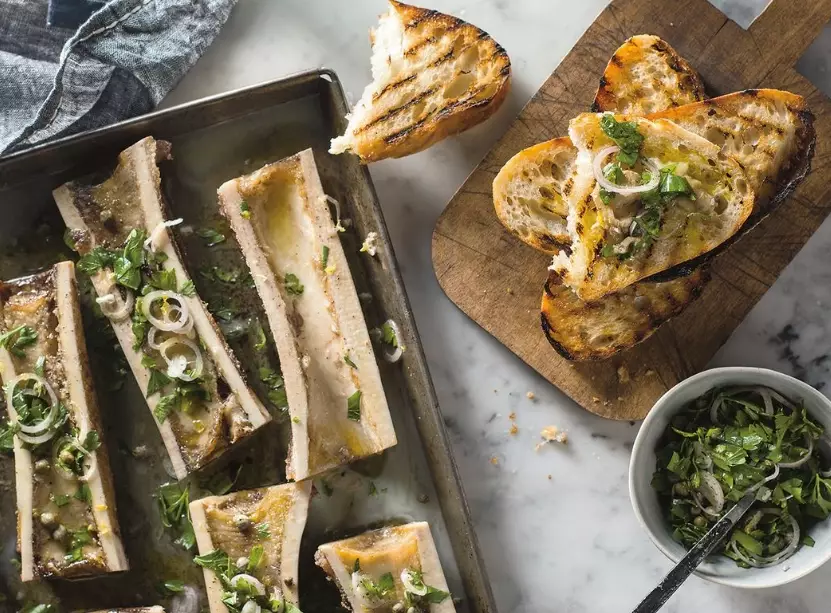
How to use bone marrow butter:
- Melt a coin on a just-cooked steak. It creates an instant, phenomenal sauce.
- Toss with hot pasta instead of regular butter.
- Spread it on corn on the cob.
- Use it to sauté mushrooms or onions – the flavor is insane.
- Top a baked potato. Forget sour cream.
It's pure flavor magic. And it solves the "what do I do with the leftovers" question perfectly.
Other Ways to Use Marrow
- In Burgers or Meatballs: Mix a few tablespoons of soft, raw marrow into your ground beef before forming patties or balls. It melts as it cooks, basting the meat from the inside, making it incredibly juicy and flavorful.
- As a Soup/Stew Finisher: Stir a spoonful of soft, roasted marrow into a bowl of rustic bean soup or beef stew right before serving. It adds a layer of richness that's hard to describe.
- With Eggs: Use a bit of marrow fat to fry your morning eggs. Trust me on this.
Answers to the Questions You're Probably Asking
Is bone marrow healthy or just pure fat?
It's not "just" fat. It's a nutrient-dense food. Yes, it's fatty, but it's a mix of saturated and monounsaturated fats. More importantly, it's a great source of collagen (great for skin and joints), glycine (supports sleep and digestion), and minerals like iron and phosphorus. Like any rich food, the key is enjoying it as part of a balanced diet, not eating a whole plate by yourself every day. The National Institutes of Health (NIH) notes the importance of dietary iron, which marrow can contribute. It's a whole food, not a processed one, which is always a good starting point.
Where on earth do I buy marrow bones?
We covered this in detail earlier, but the short answer: ask a butcher. Call ahead to your local shop or the meat counter at a good grocery store (like Whole Foods or a similar quality chain). Say, "Do you have center-cut beef marrow bones for roasting?" If they say no, ask if they can cut them for you. Most good butchers will. It's becoming much more common.
Can I cook marrow from other animals?
Absolutely. Beef and veal are the most common and have a large, easy-to-work-with cavity. Lamb marrow bones are smaller but equally delicious, with a slightly stronger flavor. They roast much faster, so keep a close eye. I've even seen recipes using pork marrow. Stick with beef/veal for your first try, then experiment.
My marrow turned to liquid and leaked out! What went wrong?
You over-roasted it. Marrow has a narrow window between perfectly soft and melting into grease. If your oven was too hot or the bones were too small, it can happen fast. Next time, check earlier, use a lower rack, and remember the visual cues (puffed, bubbly, jiggly). It's a learning process.
A Quick Safety Talk: Always source your bones from a reputable supplier to ensure food safety. Cook marrow until it is hot throughout (at least 145°F/63°C internal temperature for beef, as a general guideline). For comprehensive food safety guidelines on cooking meat, refer to resources from the U.S. Food Safety website. This is especially important if you have a compromised immune system.
I'm not a fan of the texture. Any tips?
The texture is soft and spreadable when perfect. If it's turning you off, try incorporating it into something else first. Make the bone marrow butter and use it on a steak. You'll get all the flavor without focusing solely on the texture. Or mix it vigorously into a hot, acidic sauce – it will emulsify and become creamy.
Pulling It All Together: Your Bone Marrow Game Plan
Let's make this actionable. Here’s a simple checklist for your first (or next) successful bone marrow adventure.
- Source: Call butcher, ask for "center-cut beef marrow bones." Get 2-3 pieces per person for a starter.
- Prep: Soak in salted water (12-24 hrs). Dry completely.
- Roast: Oven at 450°F. Bones upright. Salt/pepper. Roast 15-25 min until puffed and jiggly.
- Serve: Have toast, lemon wedges, and parsley salad ready. Scoop and spread immediately.
- Level Up: Scrape leftovers, make bone marrow butter, freeze. Use it on everything.
The beauty of a good bone marrow food recipe is its simplicity. It feels luxurious and special, but the process is straightforward once you know the few key tricks. It's about respecting the ingredient and not overcomplicating it.
So, go find some bones. Give it a shot. Start with the classic roast. Play around. Make that butter. Once you get past the initial unfamiliarity, you'll have a powerful, delicious, and impressively simple tool in your cooking toolkit. And honestly, the look on someone's face when you serve them homemade roasted marrow? That's just the bonus.