Quick Guide
- What Actually *Is* Paella? (Hint: It's Not Just "Spanish Rice")
- The Non-Negotiables: Gear You Really Need
- The Holy Grail: Ingredients for an Authentic Paella Recipe
- The Step-by-Step: Cooking Your Paella Recipe Without Stress
- Paella Pitfalls: How to Avoid the Common Disasters
- Answering Your Paella Questions
- Taking It Further: Exploring Paella Variations
- Final Thoughts: Your Paella Journey Starts Now
Let's be honest. The first time I tried to make paella, it was a disaster. The rice was mush, the flavors were flat, and there was zero sign of that magical crispy bottom everyone raves about. I followed some random internet recipe that promised "easy 30-minute paella" and, well, I got what I paid for. It tasted nothing like the unforgettable dish I had at a family-run restaurant in Valencia, where the paella arrived steaming, fragrant, and with that iconic layer of toasted rice at the bottom they call socarrat.
That failure sent me down a rabbit hole. I read, I watched, I pestered Spanish friends for their abuela's tips. I learned that a great paella recipe isn't just a list of ingredients; it's a method, a mindset, and a respect for a few non-negotiable rules. And the result? A dish that's become my absolute favorite thing to cook for a crowd. It's social, it's impressive, and when done right, it's incredibly satisfying.
So, if you're tired of soggy rice and bland "paella" impostors, you're in the right place. This isn't about a quick hack. It's about understanding the soul of the dish so you can recreate an authentic, show-stopping paella recipe in your own kitchen. Forget the pressure. Think of it as a fun weekend project with a delicious payoff.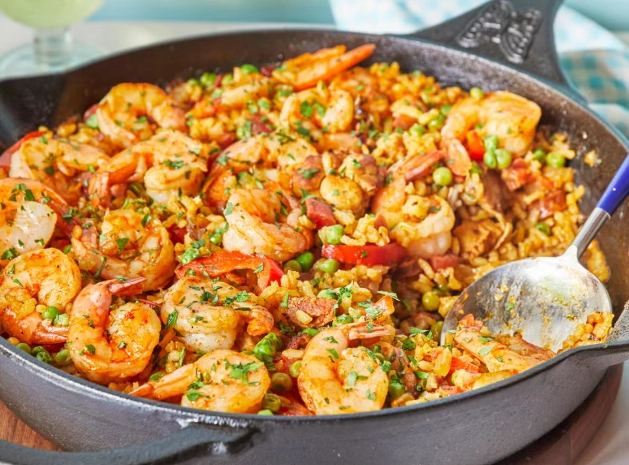
What Actually *Is* Paella? (Hint: It's Not Just "Spanish Rice")
Before we dive into cooking, let's clear up some confusion. Paella is a rice dish from the Valencia region on Spain's east coast. Its name comes from the wide, shallow, two-handled pan it's cooked in—also called a paellera. The original version, Paella Valenciana, was a humble farmer's meal made with what was available: rice, water, saffron, snails, rabbit, chicken, and green beans. It was cooked over an open fire of orange and pine branches, which added a subtle smokiness.
Today, you'll find many variations, but the core principles remain. It's a rice dish where the rice is the star, not an afterthought. The grains are short-grain (like Bomba or Calasparra) and they absorb a massive amount of flavorful broth without becoming sticky. The goal is a dry, separate rice, not a creamy risotto. And that socarrat? That's the gold at the bottom of the pan, a lightly caramelized crust that adds incredible texture and flavor.
The Spanish Ministry of Culture and Sport even has a file on the cultural significance of Paella Valenciana. It's not just food; it's a social ritual, often cooked for large gatherings and special occasions.
So when you see recipes loaded with chorizo, peas, and every seafood under the sun, know that a traditionalist in Valencia might raise an eyebrow. But food evolves! The most famous export is probably Paella de Marisco (seafood paella), and a mixed version with both meat and seafood is also popular. The best paella recipe for you is the one you love, but starting with an understanding of the classic gives you a solid foundation.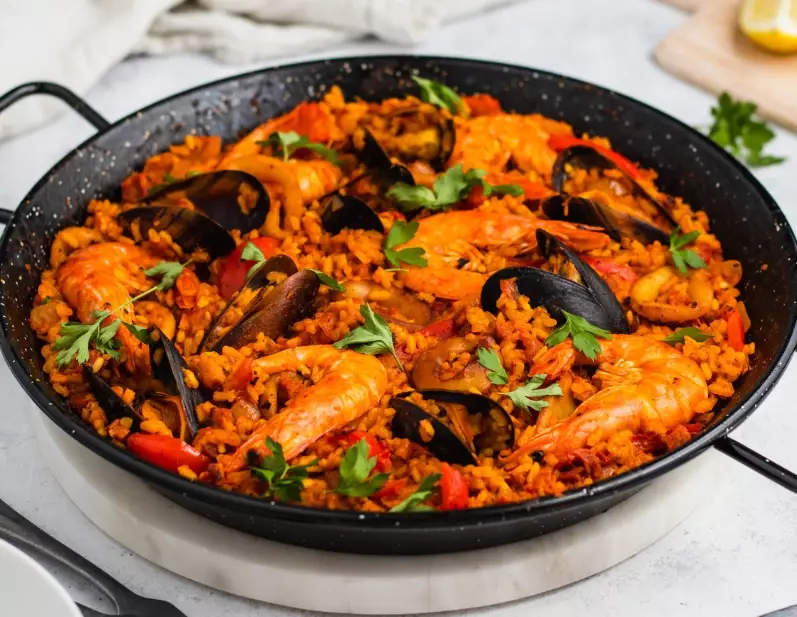
The Non-Negotiables: Gear You Really Need
You can't build a house without a foundation, and you can't make great paella without the right pan. This is the one place I wouldn't compromise.
The Pan: Your Most Important Tool
A proper paella pan is wide, shallow, and has dimples on the bottom. The wide surface allows the rice to spread in a thin layer (ideally no more than a grain or two deep), which is crucial for even cooking and achieving socarrat. The shallow sides promote evaporation. The dimples? They help distribute heat evenly.
You have options:
- Carbon Steel: The traditional choice. It's lightweight, heats fast and evenly, and develops a great non-stick patina over time. It needs to be seasoned and dried thoroughly to prevent rust. My personal favorite.
- Stainless Steel: More durable and low-maintenance, but doesn't always heat as evenly. A good choice if you're wary of seasoning care.
- Enameled Steel: Often colorful and pretty, and no seasoning required. Just be careful not to scratch it.
What about a regular skillet? A very wide skillet can work in a pinch for a small portion, but the results won't be the same. The rice will be too deep, steaming rather than toasting. If you're serious about this paella recipe, invest in the pan. A 15-inch pan serves 4-6 people perfectly.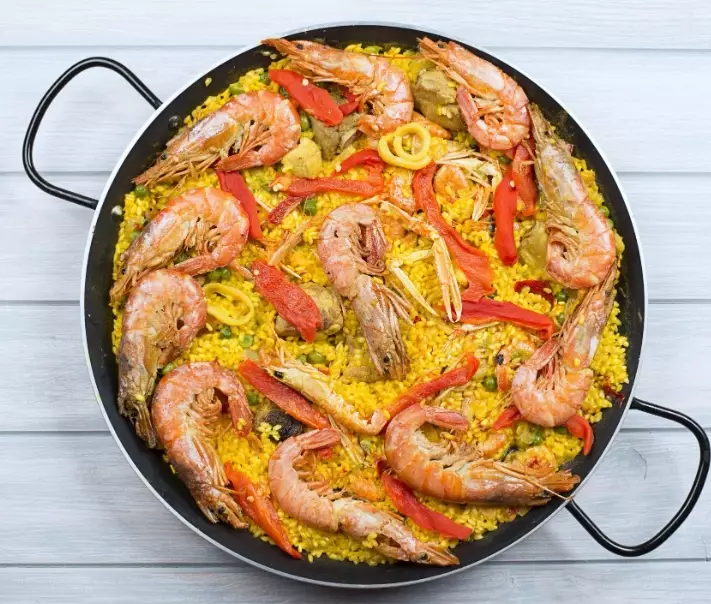
The Heat Source: This is Critical
This is where many home cooks go wrong. You need a heat source that covers the entire bottom of that wide pan evenly. A small home burner concentrates heat in the center, burning the middle rice while the edges stay raw.
Solutions? Use a paella burner (a wide, outdoor gas ring), a large outdoor grill, or if you're indoors, use two burners and rotate the pan frequently. I've done the two-burner shuffle on my stove—it's a bit of a dance, but it works. An outdoor propane burner is the dream for authenticity and fun.
Common Mistake Alert: Don't even think about using a pot with high sides. You'll trap steam and end up with porridge, not paella. The rice needs to breathe!
The Holy Grail: Ingredients for an Authentic Paella Recipe
Here’s where quality makes all the difference. You don't need a million things, but what you use should be good.
1. The Rice: Bomba is King
This is the heart of the dish. Spanish short-grain rice has a unique ability to absorb three times its volume in liquid without bursting. The starches are different.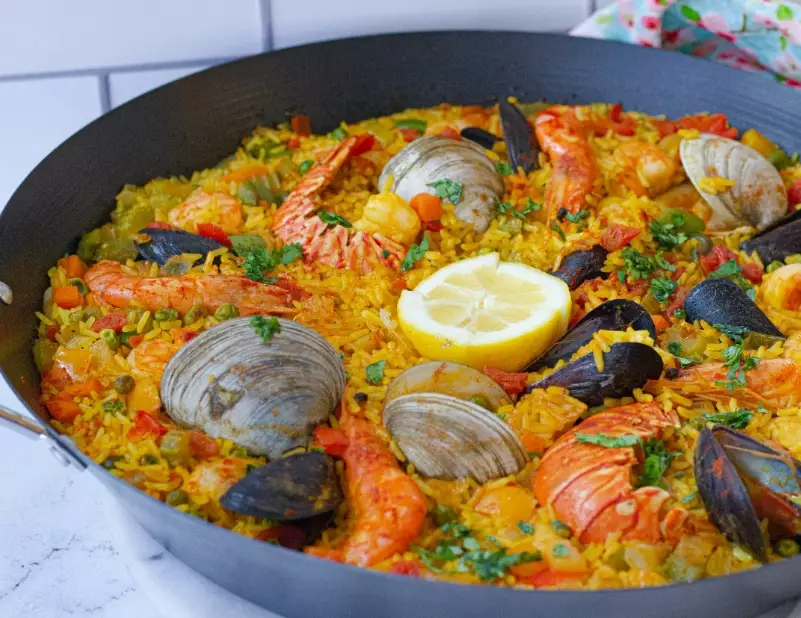
| Rice Type | Key Characteristics | Best For | Absorption Ratio |
|---|---|---|---|
| Bomba | Short, pearl-like grain. The gold standard. Absorbs maximum flavor without getting mushy. Forgiving for beginners. | The ultimate choice for any authentic paella recipe. | 1 cup rice : 3 cups liquid |
| Calasparra | Another protected Spanish origin rice. Very similar to Bomba, excellent quality. | A fantastic, authentic alternative to Bomba. | 1 cup rice : 3 cups liquid |
| Arborio | Italian short-grain. Releases more starch, tends to be creamier. | Risotto. (It will work in paella in a pinch, but be very careful with liquid). | 1 cup rice : 2 - 2.5 cups liquid |
| Medium-Grain Rice | Common in supermarkets. Lacks the superior absorption. | Everyday meals. Not ideal for paella. | 1 cup rice : 1.5 - 2 cups liquid |
If you can only source one special ingredient, make it Bomba rice. It's a game-changer.
2. The Broth & Flavor Base
- Saffron: Yes, it's expensive. No, there's no perfect substitute for its unique earthy, floral flavor and golden hue. Buy threads, not powder (which can be adulterated). Toasting them lightly in a dry pan before crumbling releases more aroma. A small pinch is enough.
- Broth: Homemade fish, seafood, or chicken broth is ideal. If using store-bought, use a low-sodium version—you'll be reducing it, which concentrates salt. Never use plain water. The broth is your main flavor vehicle.
- Paprika (Pimentón): Use Spanish smoked paprika (pimentón de la Vera). It adds a deep, smoky backbone. Sweet (dulce) is most common; hot (picante) adds a kick.
- Tomato: Grated fresh tomato or a touch of tomato puree. It adds sweetness and umami to the sofrito (the flavor base).
- Olive Oil: A good Spanish extra virgin olive oil for sautéing.
- Garlic, Onion/Spanish Sofrito: The aromatic start.
Pro Tip: Infuse your warm broth with the crushed saffron threads before adding it to the pan. This ensures the color and flavor distribute evenly throughout the dish.
3. The Proteins & Vegetables (Choose Your Adventure)
This is where you customize your paella recipe. Here’s a breakdown of the classics:
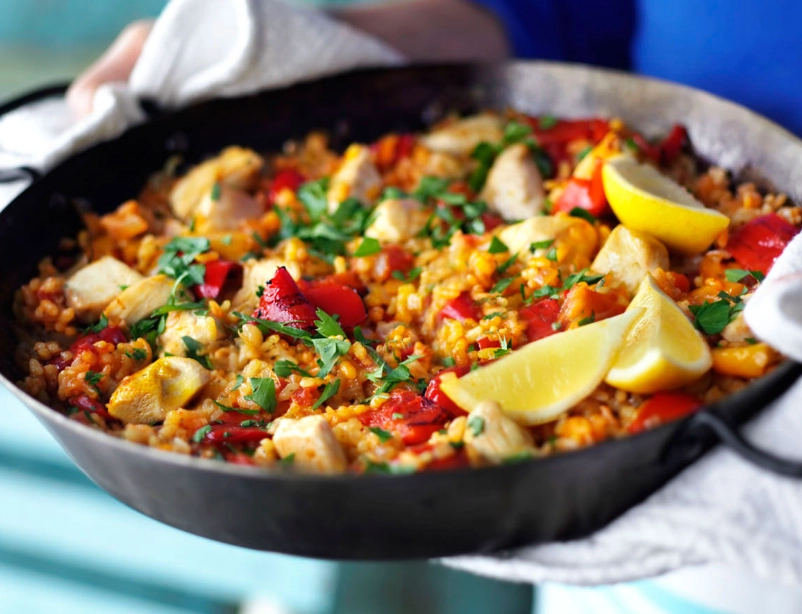
For Paella Valenciana: Chicken (thighs/legs, bone-in), rabbit, flat green beans (ferraura or garrofó), butter beans (lima beans), and sometimes snails.
For Seafood Paella: Shrimp (with heads on for more flavor, if possible), mussels, clams, squid (cut into rings), and sometimes a firm white fish like monkfish. A langoustine or two for show never hurts.
For Mixed Paella (Paella Mixta): A combination, often chicken, shrimp, mussels, and sometimes chorizo (though purists debate this—Spanish chorizo is paprika-heavy and can overpower).
My advice? Don't overload it. The rice should still be the main event. Choose 3-4 protein elements max.
The Step-by-Step: Cooking Your Paella Recipe Without Stress
Okay, gear and ingredients are ready. Let's cook. I'm outlining the classic Valencian method here. For seafood, you'd add shellfish later in the process so they don't overcook.
Step 1: Build the Sofrito
Heat your olive oil in the paella pan over medium heat. Add the chopped chicken and/or rabbit (if using) and brown well on all sides. This isn't just for color; it creates fond (those tasty browned bits) on the pan. Remove and set aside. In the same oil, sauté your green beans until they start to soften. Then add grated tomato and pimentón. Cook, stirring, until the tomato darkens and the oil starts to separate—this can take 10-15 minutes. This slow-cooked sofrito is the flavor foundation. Don't rush it.
Step 2: Toast the Rice
Add the rice to the pan and stir it around in the sofrito for a minute or two. You'll hear it sizzle. This coats each grain in flavor and helps it stay separate later.
Step 3: The Broth Goes In
Pour in your hot, saffron-infused broth. Give everything one final, gentle stir to distribute the rice evenly. From this moment on, DO NOT STIR. I know it's tempting. But stirring releases starch from the rice, making it sticky. The magic of paella is that the rice cooks evenly without stirring, absorbing the broth from the top down. Arrange your pre-cooked meats and beans artistically on top. Add salt to taste.
Step 4: The Boil and Simmer
Turn up the heat to bring the broth to a lively boil. Let it boil vigorously for about 5-8 minutes. This is when the rice absorbs most of the liquid. Then, reduce the heat to low-medium. Let it simmer, undisturbed, for another 10-12 minutes. You'll see little steam holes forming in the rice. The liquid should be almost completely absorbed.
Step 5: The Socarrat and Rest
This is the make-or-break moment. Crank up the heat to medium-high for the final 1-2 minutes. Listen closely. You'll hear a change in sound—from a simmer to a faint crackling. That's the rice at the bottom starting to toast. Smell it? That's the good stuff. The moment you smell a toasty, nutty aroma (not burning!), take it off the heat.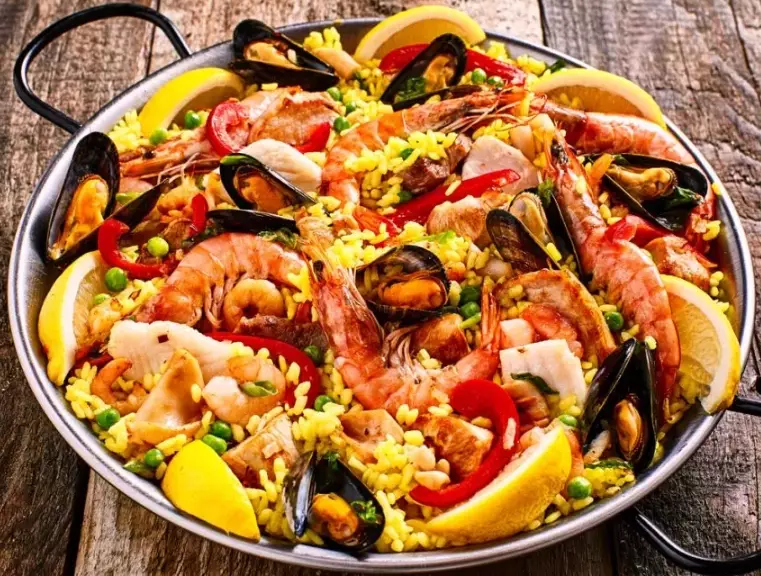
Watch it like a hawk! The line between perfect socarrat and burnt rice is thin. It's better to have a light socarrat than a blackened one. You'll get better at judging with practice.
Cover the pan with a clean kitchen towel or foil and let it rest for 5-10 minutes. This allows the rice to finish steaming and settle, making it easier to serve.
Paella Pitfalls: How to Avoid the Common Disasters
I've made most of these mistakes so you don't have to.
- Soggy Rice: Too much liquid, wrong rice, or you stirred it. Follow the liquid ratios for your rice type religiously. And don't stir after adding the broth!
- Burnt Bottom, Uncooked Top: Heat source is too small and intense. You need wide, even heat. If using a small burner, rotate the pan constantly.
- Bland Flavor: Underseasoned broth, no proper sofrito, or not enough simmering time for flavors to meld. Taste your broth—it should be well-seasoned, as the rice will absorb it.
- Overcooked Seafood: Add delicate shellfish like mussels and clams in the last 8-10 minutes of cooking. Shrimp can go in even later. They'll steam open perfectly.
- Using "Paella Seasoning" Packets: These often contain colorings and cheap safflower instead of real saffron. Build flavor from scratch. It's worth it.
Answering Your Paella Questions
Here are things I wondered when I started, and questions readers often ask.
Taking It Further: Exploring Paella Variations
Once you've mastered a basic paella recipe, the world is your oyster (or mussel, or artichoke).
Black Paella (Arroz Negro): A stunning variation from the coast, colored and flavored with squid ink. It's briny, deep, and dramatic.
Paella with Lobster or Crab: A luxurious upgrade for a special occasion. Use the shells to make an incredibly flavorful broth.
Fideuà: Think of it as paella's cousin, but made with short, thin noodles instead of rice. It originates from the fishermen of Valencia and Catalonia and is equally obsessed-over.
To dive deeper into the history and cultural context, the website for Spain's official tourism board, Spain.info, often features excellent articles on regional cuisine, including paella. It's a reliable source for understanding the dish's place in Spanish culture.
Final Thoughts: Your Paella Journey Starts Now
Look, the first time you follow this paella recipe, it might not be perfect. Mine wasn't. You might be nervous about the socarrat, or second-guess the broth. That's okay. Each time you make it, you'll learn something. You'll get a feel for the sound, the smell, the look of the rice.
The real joy of paella isn't just in the eating (though that's a huge part). It's in the process. It's gathering people around while it cooks, a glass of wine in hand, watching the transformation in that wide, beautiful pan. It's the satisfaction of creating something that feels both rustic and spectacular.
So grab a pan, source some Bomba rice and a few saffron threads, and give it a go. Forget the pressure of perfection. Focus on the fun. Serve it right from the pan in the middle of the table. That's the spirit of a true paella recipe. And when you scrape up that first bit of golden, crispy socarrat? You'll know it was all worth it.
Now, who's hungry?