Let's be honest. Toad in the hole should be simple. Sausages, batter, oven, done. Yet for so many home cooks, it's a recipe for disappointment—a soggy, stodgy mess where a majestic, crispy, golden Yorkshire pudding should be. I've been there. My first attempt was a sad, pale pancake clinging to undercooked bangers. It took years of tweaking, asking butchers, and reading old cookbooks to crack the code.
This isn't just another toad in the hole recipe. It's the distillation of everything I wish I'd known. We're going beyond the basic ingredients and into the why and how that transforms it from a weekday throw-together into a show-stopping British classic.
What’s Inside This Guide
What is Toad in the Hole?
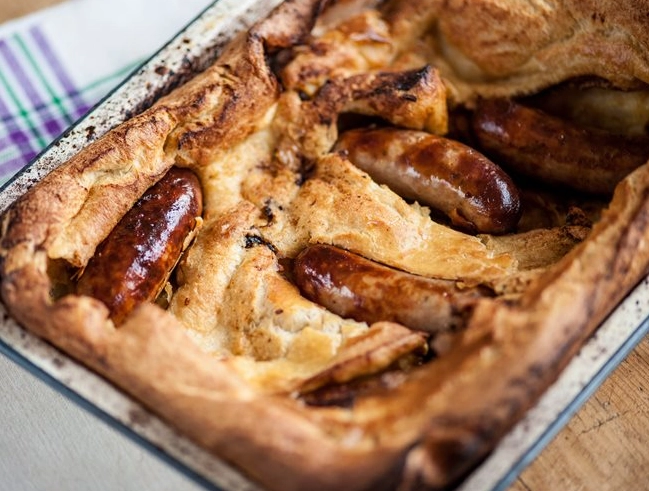
At its heart, toad in the hole is a humble, economical dish from the British Isles. It's essentially sausages baked right into a giant Yorkshire pudding. The whimsical name (no toads are involved) supposedly comes from the way the plump sausages peek out of the crispy batter, resembling toads poking their heads out of a hole. Its magic lies in the contrast: juicy, savory sausages encased in a light, airy, and slightly eggy casing that's crisp at the edges and soft in the middle.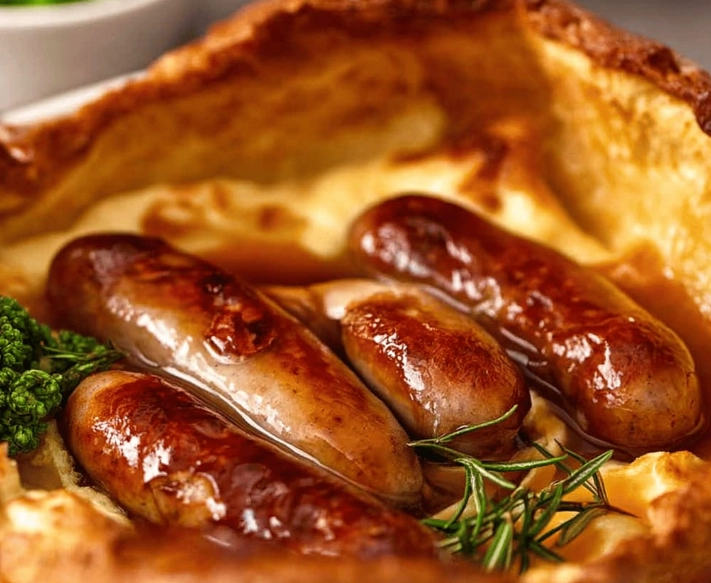
It's the ultimate comfort food, perfect for a chilly evening. But what's the secret to that iconic rise? It's all physics and heat management, something home cooks in the 18th century mastered without digital thermometers.
How to Make Toad in the Hole: The Step-by-Step Method
Here’s the core method. Follow this, and you're 80% of the way there. The remaining 20%—the expert tweaks—are in the next sections.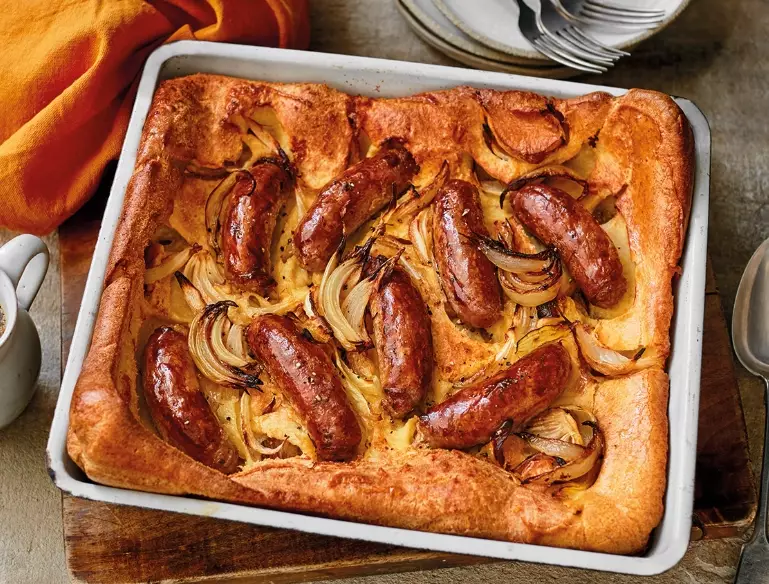
- Make the batter early. Whisk together plain flour, eggs, milk, and a pinch of salt until smooth. Don't overthink it. Cover and leave it in the fridge. This rest is non-negotiable.
- Brown the sausages. Heat your oven to 220°C (425°F). Add a generous layer of fat (oil, drippings) to a sturdy metal baking dish or skillet. Add your sausages and roast for 15 minutes until they start to color.
- The critical moment. Take the blazing hot dish out of the oven. Quickly pour your cold batter around the sausages. It should sizzle dramatically. Immediately return it to the oven.
- Bake without peeking. Do not open the door for at least 20-25 minutes. Bake for 30-35 minutes total until the pudding is puffed, deep golden brown, and crisp.
- Serve immediately. It waits for no one. The structure will start to deflate as it cools, which is normal and part of its charm.
The Expert’s Secret Weapon: The Batter
This is where most recipes fail you. They give you a ratio and call it a day. But the batter's texture and temperature are everything.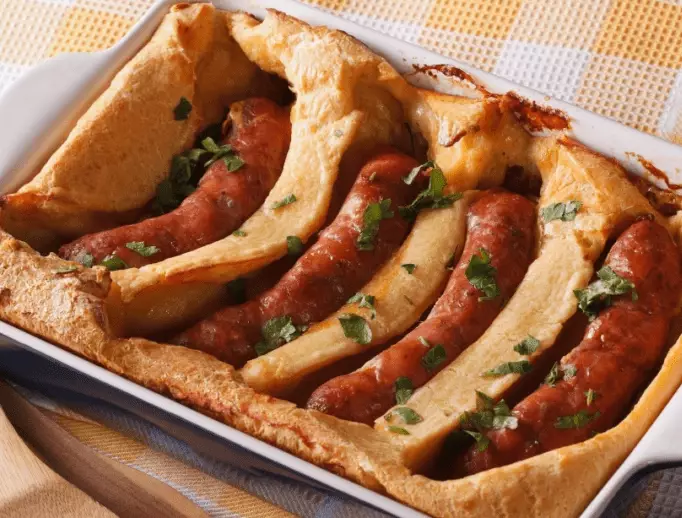
| Ingredient | Quantity | Why It Matters |
|---|---|---|
| Plain Flour | 140g (1 cup + 1 tbsp) | Self-raising flour can make it too cakey. Plain flour gives structure. |
| Large Eggs | 3 | Room temp or cold? I use them straight from the fridge. The key is batter temperature, not egg temperature. |
| Whole Milk | 200ml (¾ cup + 1 tbsp) | Full-fat milk gives a richer flavor and better browning. Some swear by half milk, half water for extra crispness. |
| Salt | ½ tsp | Seasons the batter itself. Don't skip it. |
The Pro Tip Everyone Misses: The consistency should be like single cream. Too thick, and it won't rise well; too thin, and it won't hold. After resting, it often thickens. If it looks like pancake batter, add a splash more milk. A lump or two is fine—over-mixing develops gluten, which can make it tough.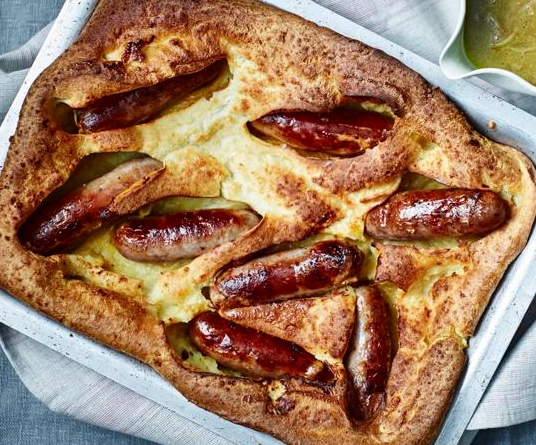
Here's the thing. You can mix that batter an hour before cooking, and it'll be okay. But mix it the night before, let it rest in the fridge, and it becomes something else entirely. The flour hydrates completely, the starch relaxes, and you get a lighter, crispier, more reliable rise. I learned this from a chef who used to cater for hundreds. He'd make vats of batter on Friday for Sunday lunch service.
Choosing Your Sausages & Fat
The "toad" matters. This isn't the place for diet sausages.
Sausages: Go for good-quality, high-meat-content pork sausages. Cumberland sausages are the classic choice. Their fat renders into the pan, flavoring the batter. Thin breakfast links will overcook. Briefly browning them in the oven first is crucial—it adds flavor and starts the cooking process so they're done when the pudding is.
Fat for the Pan: This is your cooking medium and flavor base.
- Beef Drippings: The traditional king. Imparts a deep, savory, almost nutty flavor. Find it at a good butcher.
- Goose or Duck Fat: A luxurious alternative. Incredible flavor and a very high smoke point.
- Vegetable Oil/Sunflower Oil: The reliable, neutral-tasting workhorse. Use a flavorless oil with a high smoke point.
Avoid: Olive oil (smokes too much, bitter taste) and butter (burns). You need about 3-4 tablespoons—enough to generously coat the bottom of your pan. It should be a shallow pool, not a deep fry, but not a light coating either.
The Golden Rules & Common Mistakes
Let's cut to the chase. Here are the pillars of perfection, born from my own (many) failures.
The Three Pillars of Perfection
1. Scorching Hot Fat. Your oil must be smoking hot. Not warm, not hot—smoking. When you pour the cold batter in, it should froth and bubble instantly around the edges. This instant sear creates the structure for the rise. If it just sits there, you've lost.
2. Ice-Cold Batter. The temperature shock between the cold batter and the hot fat is what causes the explosive steam, leading to the classic "hole" in the middle and the towering sides. Room-temperature batter is a death sentence.
3. A Sealed Oven. Do not, under any circumstances, open the oven door during the first 20-25 minutes of baking. That rush of cold air is like popping a balloon. You'll watch your beautiful rise collapse in real time. Use the light and window if you have to.
Other quick hits: Use a metal pan, not glass or ceramic (they don't transfer heat as aggressively). Don't overcrowd the pan—space lets the batter climb. And season your batter well. A bland batter is a missed opportunity.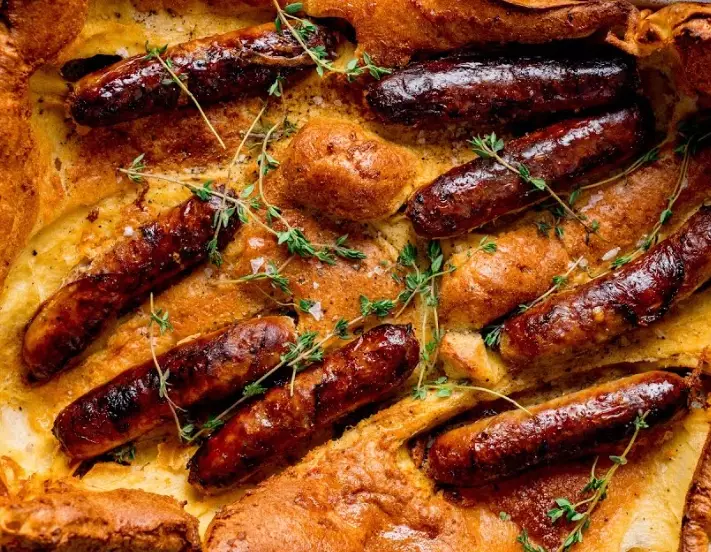
Serving Suggestions & Variations
A perfect toad in the hole demands the right accompaniments. This isn't a dainty dish.
The Essential Trimmings:
- Onion Gravy: This is non-negotiable. A rich, homemade onion gravy ties everything together. Fry sliced onions until caramelized, add stock (beef is best), a dash of Worcestershire sauce, and thicken slightly.
- Mashed Potatoes: Creamy mash for soaking up gravy.
- Steamed Greens: Something green to cut the richness—peas, broccoli, or kale.
Fun Variations to Try:
- Caramelized Onion & Thyme: Scatter a handful of thinly sliced onions and thyme leaves into the hot fat before adding the batter.
- Mustard Batter: Whisk a tablespoon of whole-grain mustard into your batter for a tangy kick.
- Mini Toads: Use a muffin tin and cocktail sausages for individual portions. Great for parties, but watch the baking time—it's much shorter.
Frequently Asked Questions
Mastering toad in the hole is one of those kitchen victories that feels disproportionately satisfying. It’s not just dinner; it’s a feat of culinary physics. Get the batter cold, the fat hot, and your nerve steady to resist opening that oven door. Serve it with a flood of onion gravy and watch it disappear. That’s the real magic of this classic British recipe.