I still recall the first time I ordered a Mexican Mule at a bustling taqueria in Guadalajara. The server brought it in a frosty copper mug, the ginger aroma hitting me before the first sip. It was spicy, refreshing, and utterly different from the Moscow Mule I knew. But when I tried to replicate it back home, my version tasted bland and watery. After a decade of mixing cocktails—and plenty of trial and error—I've nailed down what makes this drink sing. This isn't just another recipe; it's a blueprint for avoiding the common pitfalls that ruin most homemade attempts.
Jump to What You Need
What Exactly is a Mexican Mule?
At its core, a Mexican Mule is a twist on the classic Moscow Mule. Swap vodka for tequila, and you've got the foundation. But it's more than just a substitution—the tequila's agave notes play off the ginger's spice in a way that feels warmer, more vibrant. The drink likely emerged in the 2000s as tequila gained global popularity, though its exact origins are murky. According to the Tequila Regulatory Council (CRT), authentic tequila must come from specific Mexican regions, which informs the cocktail's character. Unlike many trendy cocktails, the Mexican Mule has stuck around because it's simple, scalable, and incredibly satisfying on a hot day.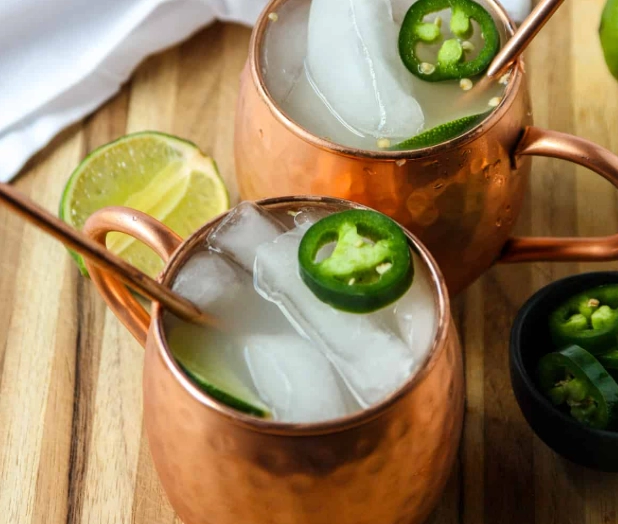
One nuance most guides miss: the ginger beer choice can make or break it. I've seen people grab any soda off the shelf, but a craft ginger beer with real ginger heat elevates the drink from good to unforgettable.
The Ingredients: Why Quality Matters
Let's get specific. You can't skimp here if you want bar-quality results. I've broken down the essentials in a table—it's what I wish I had when I started.
| Ingredient | Recommended Brand/Type | Why It's Critical | Common Pitfall |
|---|---|---|---|
| Tequila (2 oz) | Silver (blanco) or reposado, 100% agave | Silver offers clean agave flavor; reposado adds subtle oak. Avoid mixto tequilas—they taste artificial. | Using cheap tequila that overpowers with ethanol burn. |
| Fresh Lime Juice (1 oz) | Juice from 1-2 limes, squeezed fresh | Bottled juice lacks acidity and zest, making the drink flat. Fresh lime brightens everything. | Pre-squeezing juice hours ahead—it oxidizes and loses punch. |
| Ginger Beer (4-6 oz) | Craft brands like Fever-Tree, Q Mixers, or Bundaberg | Provides the spicy fizz. Mass-market versions are often too sweet and mild. | Choosing ginger ale by mistake—it's sweeter and less pungent. |
| Ice | Large cubes or spheres | Melts slowly, preventing dilution. Crushed ice waters down the cocktail too fast. | Using small ice from the freezer tray that melts instantly. |
| Garnish | Lime wedge, mint sprig (optional) | Adds aroma and visual appeal. A lime wedge squeezed on top enhances freshness. | Skipping garnish—it seems minor, but the scent affects taste. |
I learned the hard way about tequila. Early on, I used a budget bottle, and the drink tasted harsh, almost medicinal. Investing in a mid-range tequila like Espolón or Olmeca Altos changed the game. The Tequila Regulatory Council's classification (like blanco, reposado) is worth noting—reposado is aged 2-12 months, giving it a smoother profile that some prefer.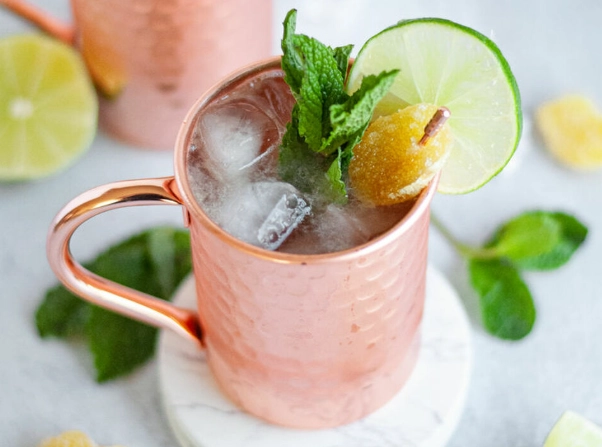
The Ginger Beer Debate: Craft vs. Commercial
This is where opinions split. Most bars use Fever-Tree because it's reliably spicy, but I've had great results with local craft ginger beers. The key is to taste-test: if it's mild, add a dash of ginger syrup or muddle fresh ginger. Avoid brands with high fructose corn syrup—they leave a cloying aftertaste.
Step-by-Step Recipe with Pro Techniques
Follow these steps closely. It's not complicated, but the order matters. I've seen even experienced home bartenders mess up the mixing part.
Step 1: Chill Your Mug
If you have a copper mug, pop it in the freezer for 10 minutes. No mug? A highball glass works, but copper keeps the drink colder longer. It's not just tradition—it's science.
Step 2: Combine Tequila and Lime Juice
In the chilled mug, pour 2 oz of tequila and 1 oz of fresh lime juice. Don't stir yet. Some recipes add simple syrup, but I skip it—the ginger beer provides enough sweetness. If you like it sweeter, add ½ oz of agave syrup here.
Step 3: Add Ice
Fill the mug with large ice cubes. I use silicone molds to make 2-inch cubes. Why? They melt slower, so your drink stays strong and cold. Crushed ice is a no-go unless you're drinking it in under five minutes.
Step 4: Top with Ginger Beer
Slowly pour 4-6 oz of ginger beer over the back of a spoon to layer it. This preserves carbonation. Gently stir once or twice with a bar spoon—just enough to mix, not to froth. Over-stirring flattens the bubbles.
Step 5: Garnish and Serve
Slap a lime wedge on the rim or drop in a mint sprig. Serve immediately. The Mexican Mule doesn't wait—it's best enjoyed fresh.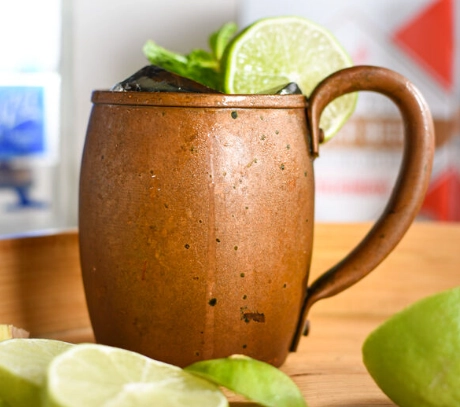
Personal Aha Moment: I used to dump everything into a shaker, shake it, and pour. Big mistake. Shaking dilutes the ginger beer and kills the fizz. Now, I build it directly in the mug, and the difference is night and day.
Expert Tips from 10 Years of Mixology
Here's the stuff you won't find in most recipes—the subtle tweaks that separate amateurs from pros.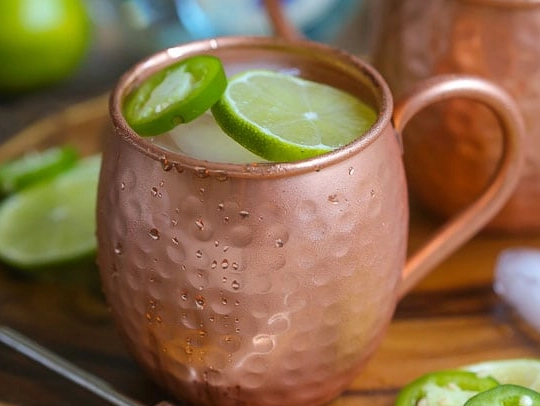
Tip 1: Tequila Temperature Matters
Store your tequila in the fridge or freezer. Cold tequila mixes better and reduces the need for excess ice, which dilutes the drink. I keep a bottle in the freezer specifically for cocktails.
Tip 2: Squeeze Limes Correctly
Roll the lime on the counter before cutting—it releases more juice. Use a hand juicer, not your fingers, to get every drop without bitterness from the pith.
Tip 3: Avoid the "Over-Icing" Trap
It's tempting to pack the mug with ice, but leave some room for the ginger beer to integrate. Too much ice means less drink and faster watering down.
Tip 4: Taste as You Go
Before adding ginger beer, sip the tequila-lime mix. Adjust acidity with more lime or sweetness with syrup. This pre-check saves many a batch.
One common error I see: people use the same ginger beer for months. Once opened, it loses carbonation fast. Buy small bottles or use a soda stream for fresh ginger beer.
Creative Variations to Try Tonight
Once you've mastered the classic, play around. These variations keep things interesting without complicating the process.
Spicy Pineapple Mexican Mule: Add 1 oz of pineapple juice and a slice of jalapeño. Muddle the jalapeño gently before adding tequila. The sweetness cuts the heat perfectly.
Mezcal Mule: Replace tequila with mezcal for a smoky twist. Start with 1.5 oz mezcal and 0.5 oz tequila to balance—mezcal can be intense.
Berry-Infused Version: Muddle a few blackberries or raspberries in the mug before adding tequila. Strain if you dislike seeds, but I leave them for texture.
Non-Alcoholic Mocktail: Skip the tequila, use ginger beer and lime, and add a splash of apple cider vinegar for complexity. Sounds weird, but it works.
I served the pineapple version at a party last summer, and it disappeared faster than the classic. The key is to experiment in small batches—don't overhaul the entire recipe at once.
Your Burning Questions Answered
That wraps up the guide. The Mexican Mule is more than a recipe—it's a flexible template for creativity. Whether you're hosting a party or winding down after work, these tips should help you craft a cocktail that impresses. Remember, the best drink is the one you enjoy, so don't be afraid to tweak it to your taste. Cheers!