Let's be honest. Most homemade laksa recipes are a compromise. They tell you to use store-bought paste, skip the prawn stock, or use coconut milk from a can. The result? A soup that's tasty, sure, but it whispers "laksa" instead of singing it from the rooftops.
I've been chasing that hawker stall magic for years. The first time I nailed it, I realized the secret wasn't one thing. It was a series of small, non-negotiable steps.
This guide is for when you're done compromising. We're making the real deal.
What You'll Find in This Guide
Understanding Laksa: It's More Than One Soup
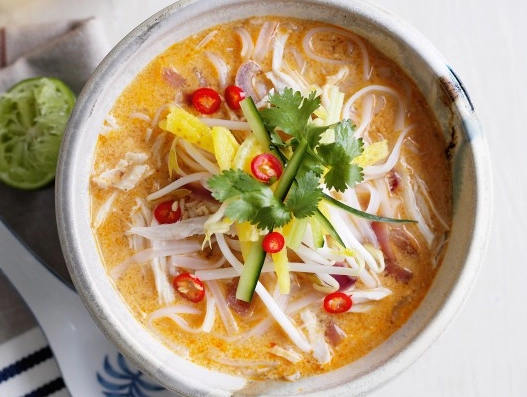
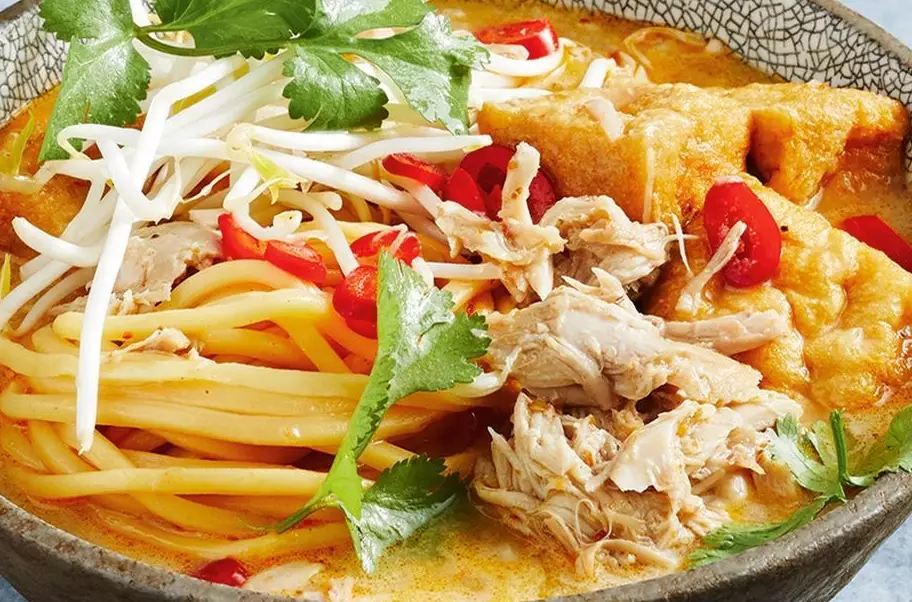
Before we grab our knives, let's clear something up. "Laksa" is a category. If you're aiming for the rich, creamy, coconut-based soup most people know, you're after Curry Laksa (or sometimes called Laksa Lemak). This is our focus today.
The other main type is Asam Laksa, a sour, fish-based broth from Penang. It's a fantastic, tangy dish, but it's a completely different beast. Using a recipe for one to make the other is the first major pitfall.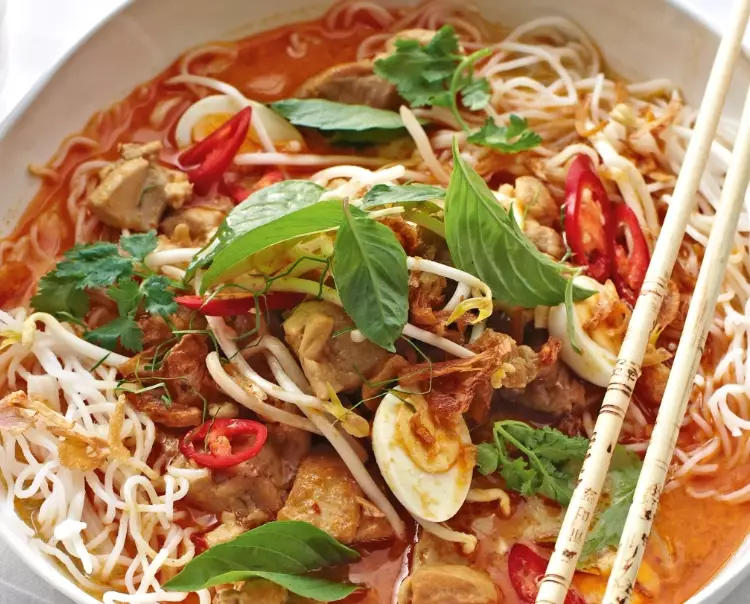
Curry Laksa is a harmony of three elements: a complex, oily spice paste, a rich and savory broth, and a pile of fresh toppings. Miss the balance, and it falls flat.
The Heart: The Laksa Paste (From Scratch)
This is where most recipes tell you to take a shortcut. Don't. The paste is the flavor foundation. A store-bought jar is often heavy on salt and oil, light on freshness. Here's what you really need.
The Essential Paste Ingredients
The Aromatics (Fresh):
- Lemongrass (3 stalks): Use only the tender white part, about 6 inches from the bottom. Bruise it with the back of your knife before chopping.
- Galangal (2-inch piece): Not ginger. Ginger is sharper. Galangal is earthier, more peppery. Find it frozen if fresh isn't available.
- Shallots (8-10): They provide a sweeter, gentler base than onions.
- Garlic (6 cloves): Fresh is best.
The Dried Spices (Toasted):
- Dried Red Chilies (15-20): Soak in hot water for 20 minutes to soften. For less heat, remove the seeds. I use a mix of milder chilies for color and a few bird's eye for kick.
- Candlenuts (4-6) or Macadamia nuts (5): For thickness and a faint, creamy richness. Don't skip.
- Belacan (Shrimp Paste) (1 tbsp): The umami bomb. It will smell pungent. That's the point. You'll fry it into submission.
The Powdered Spices (1 tsp each): Coriander powder, cumin powder, turmeric powder. Toasting them in a dry pan for 30 seconds before blending wakes them up.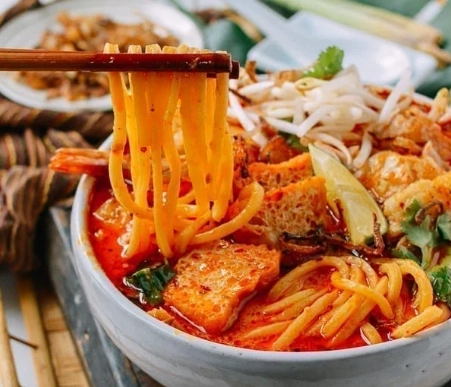
How to Make the Paste
1. Toast the dried spices (coriander, cumin, turmeric) in a dry pan until fragrant. Set aside.
2. Drain the soaked chilies. Roughly chop all fresh ingredients.
3. Add everything—fresh, dried, toasted powder, belacan—to your processor or mortar. Grind/pound into a cohesive, gritty paste. It will be thick and reddish-brown. This is your gold.
The Soul: Building the Broth
The broth is not just water plus paste. It's a layered construction.
Step 1: Fry the Paste. Heat ¼ cup of vegetable oil in a large pot over medium-low heat. Add the paste. Fry it. Really fry it. Stir for 8-10 minutes until it darkens, becomes fragrant, and the oil starts to separate from the solids. This is called "pecah minyak" (oil splitting) and it's the single most important step. It cooks out the raw taste and deepens the flavor.
Step 2: The Prawn Essence. If using prawns (and you should), peel them, setting the meat aside. Add the shells and heads to the fried paste. Crush them with your spoon and fry for another 2-3 minutes until they turn bright orange. This extracts insane amounts of flavor.
Step 3: The Simmer. Pour in 8 cups of chicken stock (or a good quality store-bought one). Add 2 stalks of bruised lemongrass. Bring to a boil, then reduce to a simmer for 30 minutes. Strain the entire broth through a fine sieve into another pot. Press on the solids to extract every last drop. Discard the shells and paste remnants.
Step 4: The Coconut & Seasoning. Return the strained broth to the stove. Add 2 cups of good quality coconut milk (I like the Aroy-D brand for its creaminess and no additives). Do not boil hard after this—just heat it through. Season with salt, a teaspoon of sugar (to balance), and a squeeze of lime or a tablespoon of tamarind paste for a faint tang. Taste. It should be rich, savory, slightly sweet, and aromatic.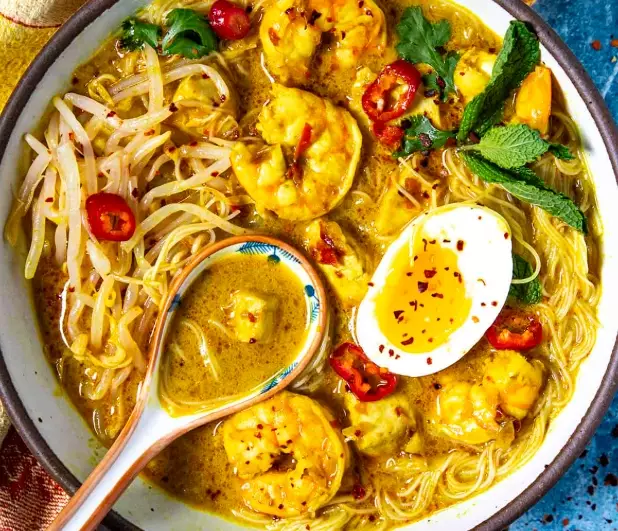
Putting It All Together: Assembly & Toppings
Now for the fun part.
The Noodles: Use 400g of fresh thick rice noodles (lai fun). Blanch them in boiling water for 30 seconds just to heat through. Drain and divide among 4 large bowls.
The Proteins: Quickly poach the prawn meat in the simmering broth for 1-2 minutes until pink. Remove. You can also add shredded poached chicken, fish balls, or tofu puffs.
The Toppings (The Gang):
- Bean Sprouts: Blanched for 30 seconds.
- Hard-boiled Eggs: Halved.
- Fish Cake: Sliced and pan-fried.
- Cockles: (Optional) Blanched briefly if fresh.
- Sambal Belacan: A small dollop on the side for heat.
- Vietnamese Mint (Laksa Leaf): Handful of leaves.
- Sliced Cucumber & Red Chili.
Arrange the toppings over the noodles. Ladle the piping hot broth over everything. The heat will wilt the mint and cook the bean sprouts just right. Serve immediately.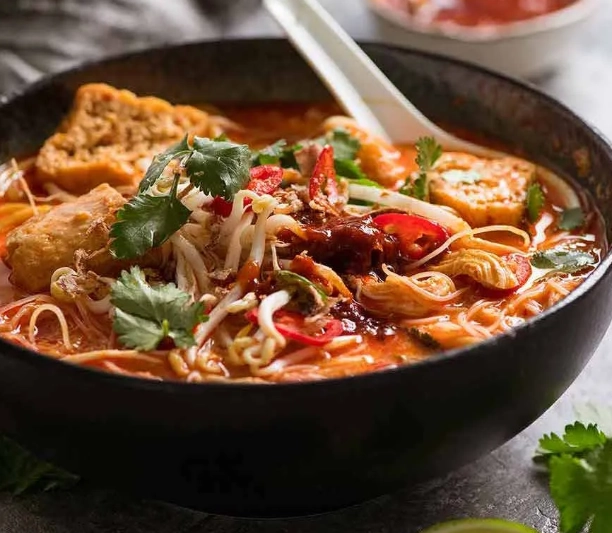
3 Common Mistakes That Kill Your Laksa
I've made these so you don't have to.
1. Not Frying the Paste Enough. If your paste smells raw or grassy, you didn't fry it long enough. That raw taste will seep into your entire broth. Wait for the oil to separate. Be patient.
2. Boiling the Coconut Milk. Adding coconut milk and then letting it boil vigorously will cause it to curdle and separate. It becomes oily and grainy. Once the coconut milk is in, just warm it through.
3. Overloading with Toppings. This is a soup, not a salad. The broth is the star. A few key, fresh toppings enhance it. A mountain of stuff drowns it. Keep it balanced.