Quick Guide
Let's talk about Filipino beef recipes. There's something incredibly comforting about them, isn't there? It's not just about throwing meat in a pot. It's a whole experience. The rich, savory aroma of beef simmering with tomatoes and liver spread, the tender chunks that fall apart after hours of cooking, the way the sauce clings to a mountain of steamed rice. That's the magic of a great beef recipe ph.
I remember the first time I tried to make Kaldereta for a family gathering. I was so confident, following a recipe I found online. Big mistake. It turned out... okay. But it wasn't *right*. It was missing that depth, that specific balance of tangy and savory that makes your eyes close for a second when you take a bite. That failure sent me on a mission. I talked to titas (aunties), watched street vendors, and experimented until my stove nearly gave up. What I learned is that the best Filipino beef recipes aren't just a list of steps. They're about understanding the *why* behind the ingredients and the techniques.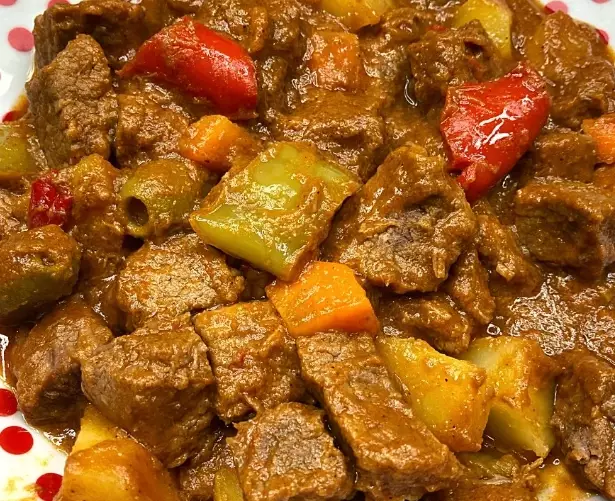
Why Beef Holds a Special Place in Filipino Cooking
Beef in the Philippines has a interesting history. It wasn't always the most common meat—pork and chicken often take that crown due to cost and availability. But when beef is on the menu, it's usually for something special, a fiesta, a Sunday family lunch, or when you want to make an impression. Dishes like beef recipe philippines classics are built for sharing, for lingering over, for sopping up every last bit of sauce.
The approach is different from, say, a quick steak sear. Filipino cooking often uses tougher, more flavorful cuts like beef chuck, shank, or brisket. The goal is transformation through slow, patient cooking. Braising, stewing, simmering for hours until the connective tissue melts into gelatin, making the meat unbelievably tender and enriching the sauce. It's alchemy.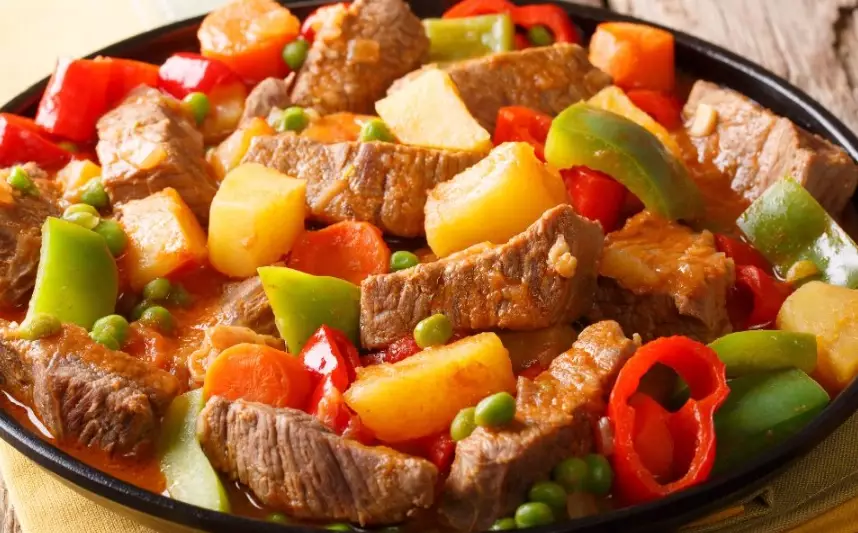
That's the soul of it. Turning the humble into the extraordinary.
The Essential Filipino Beef Recipe Pantry
Before we jump into the recipes, let's get our basics straight. You can't build a great house without a solid foundation, and the same goes for Filipino flavors. Some ingredients might be new to you, but trust me, they're worth seeking out. They're the secret handshake.
Non-Negotiable Flavor Foundations:
- Soy Sauce: Not just any soy sauce. The Filipino brands like Silver Swan or Datu Puti have a slightly different salinity and sweetness than Japanese Kikkoman or Chinese light soy. They're the backbone of savory flavor (umami) in many pinoy beef recipe marinades and sauces.
- Vinegar: Sukang iloko (sugarcane vinegar) or sukang maasim (plain cane vinegar) is key. It's less sharp than white distilled vinegar and adds a clean, tangy punch to dishes like Paksiw and Adobo. It's also the primary tenderizer in many kinilaw (ceviche) recipes.
- Fish Sauce (Patis): Don't be scared of the smell. When cooked, it dissolves into this incredible savory-saltiness that soy sauce alone can't achieve. A few dashes in a stew is like a flavor bomb. The Food and Agriculture Organization of the United Nations notes the longstanding culinary use of fermented fish products across Southeast Asia, highlighting their cultural and nutritional importance.
- Annatto Seeds (Atsuete) or Annatto Powder: This is what gives dishes like Kare-Kare and some versions of Kaldereta that gorgeous, earthy red-orange color. It has a very mild, slightly peppery, and nutty flavor. Soaking the seeds in hot water or oil extracts the color.
Then you have the aromatics. Loads of garlic, always. More than you think you need. Onions, usually yellow or white. Ginger for certain dishes. And tomatoes—fresh, ripe ones for a bright base in stews.
Top Filipino Beef Recipes You Need to Master
Alright, let's get to the main event. Here’s a breakdown of the heavy hitters, the beef recipe ph classics that every home cook should have in their arsenal. I've ranked them not just by popularity, but by their role in the Filipino food landscape.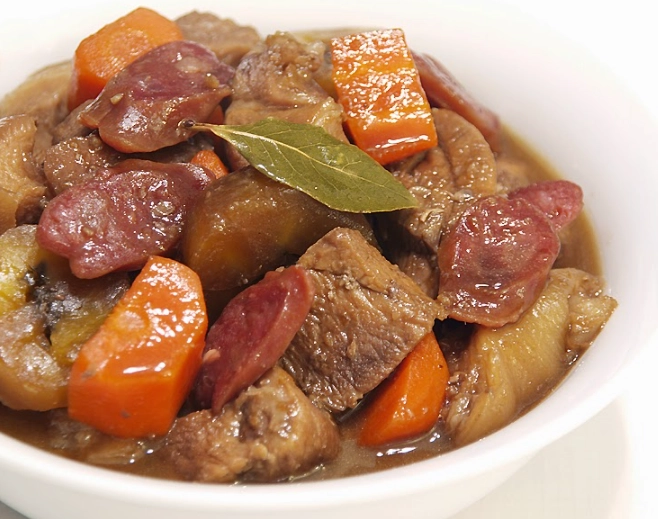
| Recipe | The Vibe | Key Characteristic | Best For | Effort Level |
|---|---|---|---|---|
| Beef Kaldereta | The Festive Centerpiece | Rich, tomato-based stew with liver spread & cheese | Birthdays, big family gatherings | Medium-High (lots of ingredients) |
| Beef Nilaga | The Ultimate Comfort Food | Clear, light broth with boiled beef & vegetables | Rainy days, when feeling under the weather | Low (simpler, but requires time) |
| Beef Kare-Kare | The Unique Specialty | Oxtail & tripe in a thick, savory peanut sauce | Special occasions, impressing guests | High (multiple steps, unique ingredients) |
| Beef Tapa | The Everyday Breakfast Star | Thinly sliced beef, marinated, fried or grilled | Breakfast with garlic rice & egg (Tapsilog) | Low (mostly marinating time) |
| Beef Mechado | The Hearty Sunday Stew | Tomato-sauce based stew with potatoes & carrots | Sunday family lunches | Medium |
See what I mean? Each one serves a different purpose. You wouldn't serve a heavy Kare-Kare for a quick breakfast, just like you wouldn't make simple Tapa as the main event for a wedding. Understanding this context is half the battle when choosing your next filipino beef recipe project.
Deep Dive: The Anatomy of a Perfect Beef Kaldereta
Let's take Kaldereta as an example because it's such a crowd-pleaser and a quintessential beef recipe philippines masterpiece. The name supposedly comes from the Spanish "caldero," meaning cauldron. It makes sense—it's a big pot of celebration.
The magic of Kaldereta is in its layers of richness. You start by browning your beef cubes (chuck is perfect). Then you sauté garlic, onions, and tomatoes until they break down into a fragrant paste. Here's where many recipes online go wrong: they skimp on the tomatoes. You need enough to create a real base. Then you add the liquid—often water or beef broth—and let it simmer until the beef is fork-tender. This can take 1.5 to 2 hours. Be patient.
Now, the signature ingredients. Liver spread. Yes, the kind from a can. This is non-negotiable for the classic flavor. It thickens the sauce and adds a deep, minerally richness that is impossible to replicate. You stir it in towards the end. Then, some recipes add a handful of grated cheddar or processed cheese. Don't turn your nose up at it. It melts into the sauce, adding a creamy, salty tang that just works. Finally, bell peppers and green olives or pickles are added for a fresh, briny contrast.
The result? A stew that's tangy from the tomatoes, savory from the beef and liver, creamy from the cheese, with little pops of saltiness from the olives. It's complex, hearty, and absolutely unforgettable. That's the goal of any great beef recipe ph.
The Underrated Gem: Beef Nilaga
On the opposite end of the spectrum is Nilaga. It translates simply to "boiled." Sounds boring, right? It's anything but. This is the Filipino equivalent of chicken soup for the soul. It's pure, clean, and restorative.
You take beef shanks or ribs with bone-in (the bone is crucial for flavor), cover them with water, bring to a boil, skim off the scum, then simmer with onions and whole peppercorns. That's it for a long time. Later, you add robust vegetables like cabbage, potatoes, green beans, and maybe plantains (saba). The broth becomes subtly sweet from the vegetables and deeply beefy.
It's served with fish sauce (patis) and calamansi (a local citrus) on the side for dipping the meat and adjusting the soup to your taste. The beauty is in its simplicity. Every ingredient shines. When you're sick, or it's cold and rainy, a bowl of Nilaga is a warm hug. It proves that a fantastic pinoy beef recipe doesn't need a dozen ingredients—it needs good technique and respect for the main component.
Modern Twists & Kitchen Hacks
Look, I love tradition. But I also live in the real world where time is short and some ingredients are hard to find. The spirit of Filipino cooking is adaptable. Here are some honest, tested tweaks for modern kitchens.
For the Time-Poor: A pressure cooker or Instant Pot is a game-changer for any beef recipe philippines stew. What takes 2 hours of simmering can be done in 35-45 minutes under pressure. The texture is slightly different—the meat can be more uniformly soft rather than fall-apart-in-strands tender—but the flavor is 95% there. For a busy Tuesday, that's a win.
Ingredient Substitutions: Can't find annatto powder? A tablespoon of sweet paprika mixed with a teaspoon of turmeric can give a similar color (though a different flavor profile). No fresh calamansi for Nilaga? A mix of lemon and a tiny bit of orange juice works. No liver spread for Kaldereta? This is a tough one. Some people blend cooked chicken livers, but the taste is stronger. Honestly, you might just have to order it online or visit an Asian store. It's that important.
Going Lighter: Love Kare-Kare but want less fat? Use peanut butter powder (like PB2) reconstituted with broth instead of ground roasted peanuts or peanut butter. It gives the peanut flavor with fewer calories and fats. Purists will gasp, but your waistline might thank you.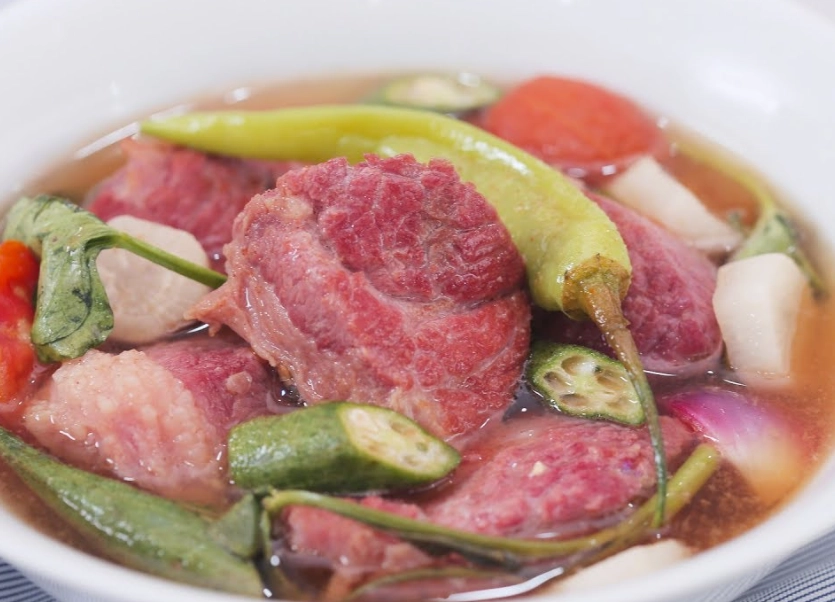
Answering Your Beef Recipe PH Questions
Beyond the Pot: Sizzling Plates & Street Food Favorites
Filipino beef isn't all about stews. The beef recipe ph universe has some incredible quick-cook and street food heroes.
Beef Tapa: This is thinly sliced beef (often sirloin), marinated in a mix of soy sauce, calamansi juice, garlic, sugar, and pepper. It's then fried until slightly caramelized and chewy. Served with a mountain of garlic fried rice (sinangag) and a fried egg with a runny yolk, it's called Tapsilog—the ultimate Filipino breakfast plate. The key is slicing the beef against the grain as thinly as possible, sometimes even pounding it a bit.
Beef Pares: A beloved street food. It's braised beef (similar to a sweeter, star-anise infused version of Nilaga or Asado) served in a bowl with garlic rice and a bowl of clear soup. It's cheap, filling, and packed with flavor. The name "pares" means "pair," referring to the pairing of the beef and rice.
Sizzling Bulalo Steak: A modern restaurant twist. They take the tender meat from the Bulalo (beef shank soup), fry it up with onions, and serve it on a sizzling cast-iron plate with a rich gravy. It combines the tenderness of slow-cooked beef with the immediate gratification of a sizzling platter. It's messy, noisy, and completely delicious.
So, what's the first filipino beef recipe you're going to try? Maybe start with Beef Tapa. It's forgiving and delivers huge rewards. Or dive straight into the deep end with a weekend Kaldereta project. Whatever you choose, take your time. Taste as you go. Adjust the saltiness or sweetness to your liking. Make it yours.
That's the real secret, after all.
Because the best recipe, the one that will have your family asking for seconds, is the one you cook with a bit of patience and a lot of heart. Just like they do back home. Now, go check if you have enough garlic. You probably don't.