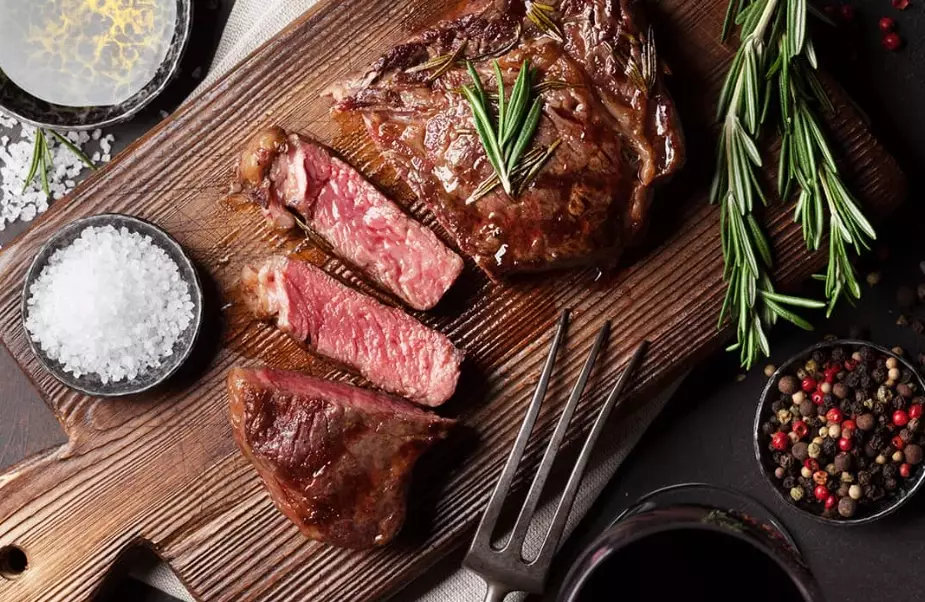
Let's be honest. A lot of ribeye steak recipes out there are basically the same: salt, pepper, hot pan, cook, rest. It works, but it often leaves you with a steak that's either gray and overcooked halfway through or has a weak, steamed crust. After years of trial, error, and a few too many chewy disappointments, I figured out the method that consistently delivers a steakhouse-quality ribeye at home. It's not about one magic trick; it's about a sequence of right decisions, from the butcher counter to the plate.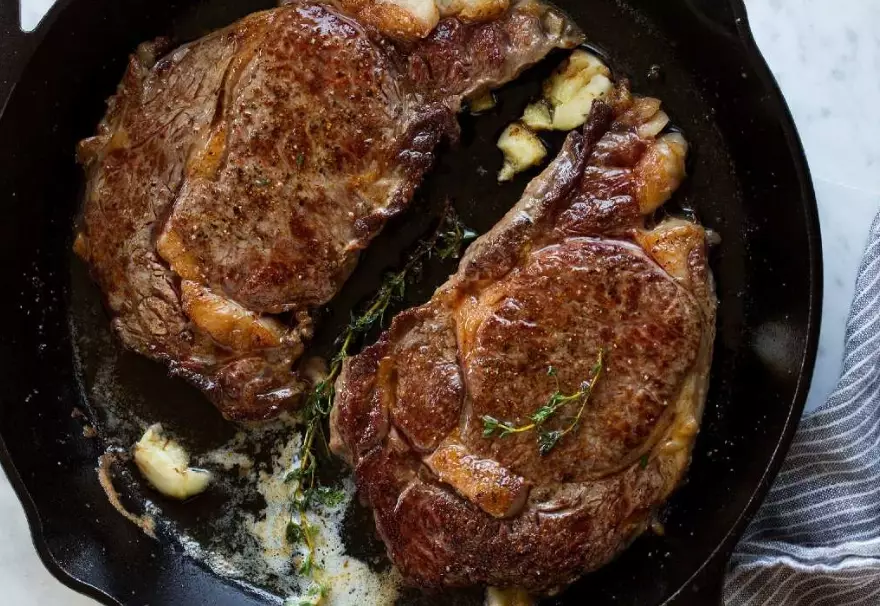
What You'll Learn Today
Choosing the Right Ribeye: It's Not Just About Price
You can't cook a great steak from a mediocre cut. Here's what to look for, beyond just grabbing the most expensive one.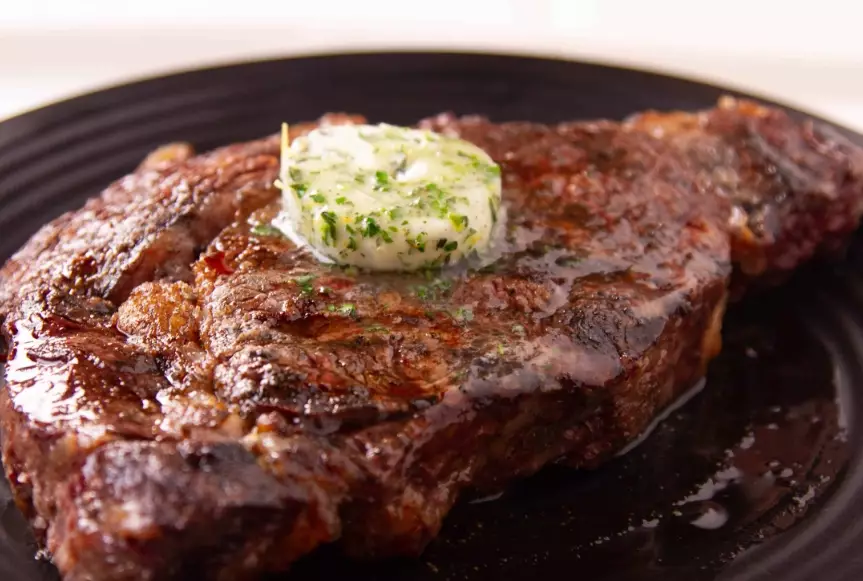
Marbling is Everything: Those white streaks of fat inside the red meat aren't just fat. They're flavor pockets that melt during cooking, basting the steak from the inside. More marbling (like in USDA Prime or high-choice grades) means a more tender, juicy, and flavorful result. Look for fine, even streaks throughout.
Thickness Matters More Than Weight: A 1.5-inch thick steak is the sweet spot. Why? It gives you time to develop a dark, crispy crust on the outside without overcooking the center. Those thin, ¾-inch supermarket steaks are almost impossible to get right—they go from raw to well-done in seconds. If you see a 2-inch thick “cowboy cut” ribeye, grab it. It's perfect for the method we'll use.
Bone-In vs. Boneless: This is personal preference. The bone can add a slight depth of flavor (think beef stock) and acts as a minor insulator, but it makes searing a bit trickier. Boneless is easier to cook evenly. For your first few tries, I'd recommend boneless to eliminate variables.
Pro Tip: Talk to your butcher. Ask for a “center-cut” ribeye. This comes from the middle of the rib section and typically has the most consistent marbling and the large, beautiful “eye” of meat. Avoid cuts from the ends, which can be uneven.
The Pre-Cook Secret: Why Dry Brining Beats Marinades
Forget soaking your steak in acidic marinades that turn the outer layer mushy. For a ribeye, with its own fantastic fat content, you want dry brining.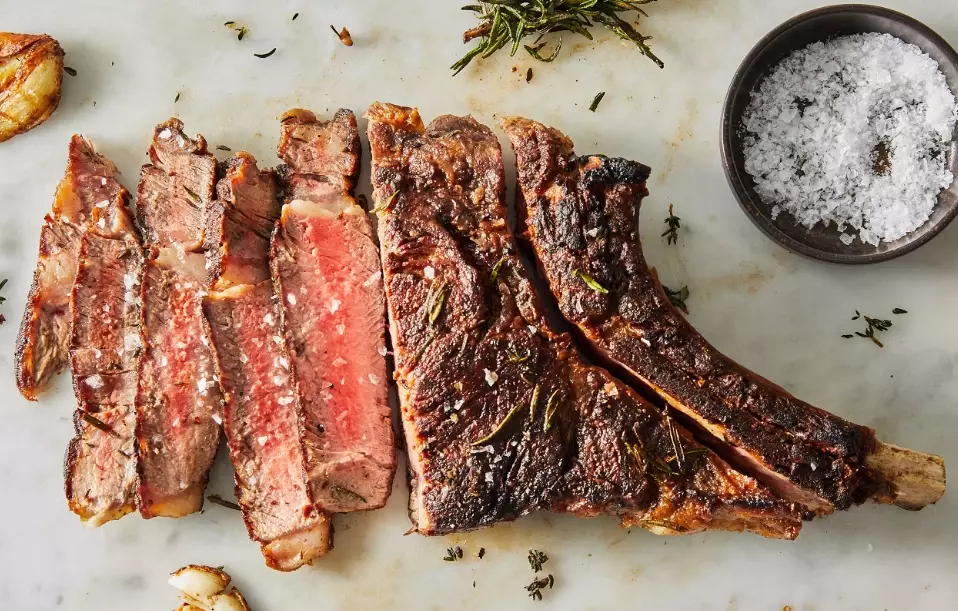
It's simple: generously season your steak with kosher salt (not table salt—the flakes adhere better) at least 45 minutes before cooking, and ideally up to 24 hours before. Leave it uncovered on a rack in your fridge.
Here's what happens. The salt first draws out moisture. Then, through osmosis, that moisture dissolves the salt and gets re-absorbed deep into the meat, seasoning it from the inside out. The surface also dries out, which is the key to a killer crust. A wet steak steams. A dry steak sears.
I made the mistake of skipping this for years, wondering why my crust was always pale. Once I started dry brining, it was like someone turned the contrast up on my cooking.
Mastering the Reverse Sear (The Game-Changer)
This is the technique that separates good home cooks from steak legends. Instead of searing first and finishing in the oven, you reverse it.
- Low and Slow Oven: You cook the seasoned, dry-brined steak in a low oven (250°F / 120°C) until it's about 10-15°F below your desired final temperature.
- Blazing Hot Sear: Then, you finish it with a super hot, quick sear in a cast-iron skillet or on a grill.
Why This Method Wins for Ribeye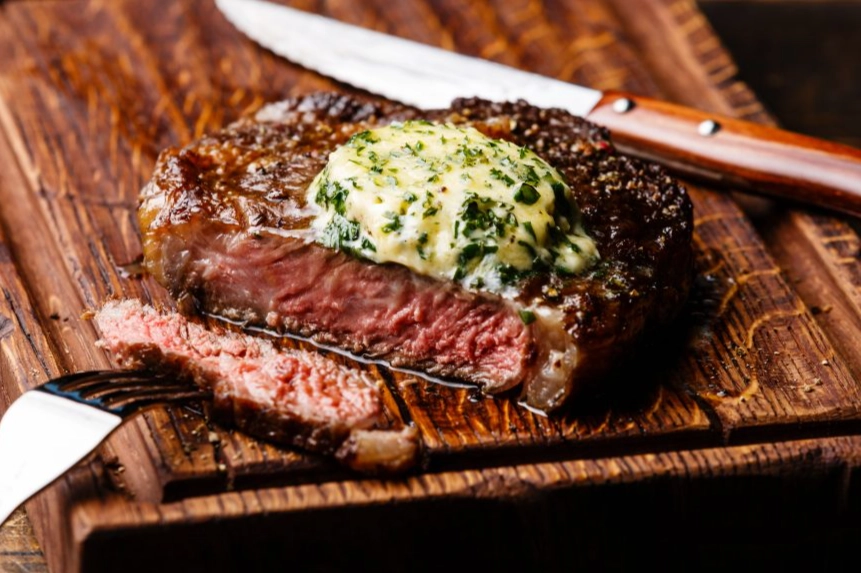
First, it gives you perfect edge-to-edge doneness. No more gray band of overcooked meat surrounding a pink center. The gentle heat cooks the steak evenly throughout.
Second, because the steak's surface is bone-dry after the oven phase, you get a crust that's deeply browned, crispy, and develops in minutes without the risk of overcooking.
Third, it's forgiving. The oven phase is slow. You have a big window to pull the steak out when your thermometer hits the right number. The final sear is just 60-90 seconds per side.
The Tool You Need: A good digital instant-read thermometer is non-negotiable here. Guessing will ruin it. I like the Thermoworks Thermapen, but any reliable one will do.
Step-by-Step: The Foolproof Ribeye Recipe
Alright, let's cook. This is for a 1.5-inch thick, bone-in or boneless ribeye.
Ingredients:
- 1 (1.5 to 2-inch thick) ribeye steak (about 1.5 lbs)
- Kosher salt (Diamond Crystal is my go-to—it's less salty by volume than Morton's)
- Freshly cracked black pepper
- 1-2 tbsp high-smoke-point oil (avocado, grapeseed, or refined coconut)
- 2 tbsp unsalted butter
- 2-3 fresh thyme or rosemary sprigs (optional)
- 2 garlic cloves, lightly smashed (optional)
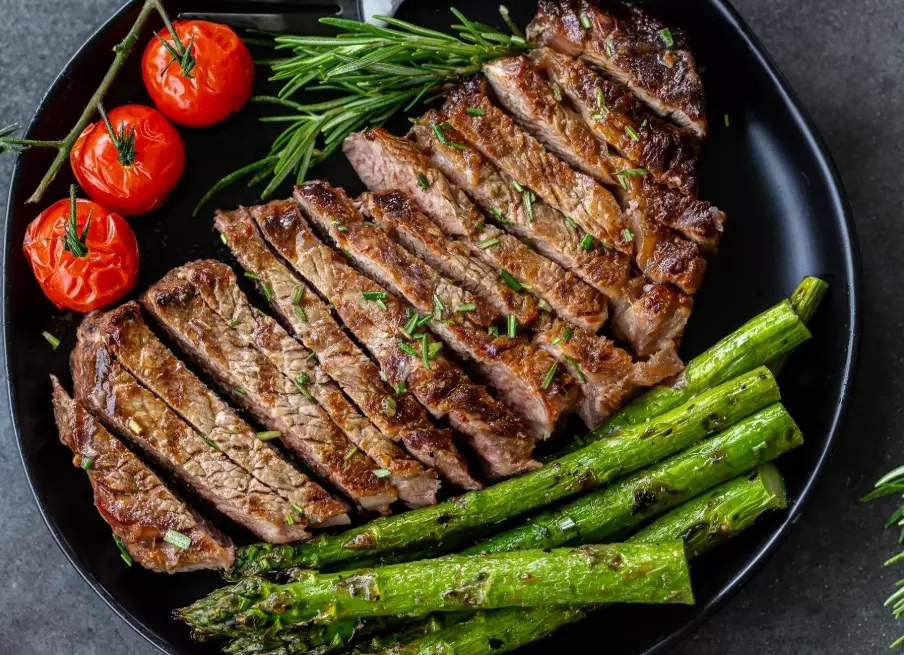
Method:
1. Dry Brine (24 to 1 hour before cooking): Pat the steak completely dry with paper towels. Season all sides very generously with kosher salt. Place on a wire rack set over a baking sheet and refrigerate uncovered. For the best results, do this the night before. If short on time, get at least 45 minutes at room temp.
2. Low-Temp Oven Phase: Preheat your oven to 250°F (120°C). Insert your thermometer probe into the thickest part of the steak. Place the steak on the rack (still on the baking sheet) in the oven. Cook until the internal temperature reaches:
- 110°F (43°C) for Rare
- 115°F (46°C) for Medium-Rare (my recommendation for ribeye)
- 125°F (52°C) for Medium
This can take 30-45 minutes depending on thickness. Don't rush it.
3. Rest and Heat the Pan: Take the steak out of the oven. It will look gray and unappetizing—that's normal. Let it rest while you heat your cast iron skillet over high heat for 3-5 minutes. You want it smoking hot. Add your high-smoke-point oil and swirl.
4. The Sear: Carefully place the steak in the center of the hot skillet. It should sizzle aggressively. Do not move it for 60 seconds. Add the butter, garlic, and herbs to the pan beside the steak. After 60 seconds, flip the steak. Using a spoon, continuously baste the top of the steak with the foaming butter and aromatics for another 60-90 seconds. For a great crust, use tongs to sear the edges for 30 seconds each.
5. Final Rest: Transfer the steak to a clean cutting board or plate. Do not cut into it. Let it rest for at least 10 minutes. This allows the juices, which have rushed to the surface during searing, to redistribute throughout the meat. If you cut now, all that flavor ends up on the board.
6. Serve: Slice against the grain (look for the lines of muscle fibers and cut perpendicular to them). This shortens the fibers, making each bite more tender. Season lightly with a final pinch of flaky sea salt.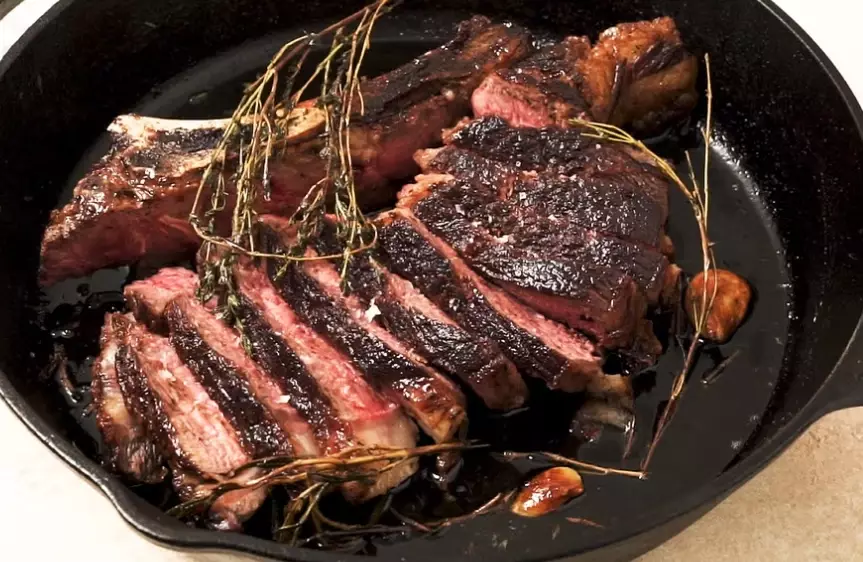
The 3 Most Common Mistakes (And How to Fix Them)
I've made all of these. Learn from me.
Mistake 1: Not Letting the Steak Rest. You spent all this time. You're hungry. I get it. But cutting in immediately lets the pressurized juices flood out, leaving a drier steak. Wait 10 minutes. It's still hot, I promise.
Mistake 2: Using a Cold or Crowded Pan. Your pan must be screaming hot before the steak goes in. If you throw it in a warm pan, you're boiling the steak in its own juices. Also, don't crowd the pan. One steak at a time. You need space for evaporation.
Mistake 3: Seasoning with Pepper Before Searing. Black pepper burns at high heat and can turn bitter. Season with pepper after the sear, during the final rest or just before serving.
Serving and Pairing: Keep It Simple
A ribeye this good needs little accompaniment. A simple arugula salad with lemon vinaigrette cuts the richness. Crispy roasted potatoes or fries are classic. For wine, a bold Cabernet Sauvignon or Malbec stands up to the fat and char. A hoppy IPA works great too.
Remember, the star is the steak. Don't clutter the plate.