You've watched it, haven't you? The gentle stress, the stunning bakes, the agonizing over a soggy bottom. The Great British Bake Off makes it look both magical and achievable. But then you try a Paul Hollywood signature bread or a Prue Leith showstopper cake at home, and something just doesn't translate. The rise is off, the flavors are flat, or the whole thing collapses with ten minutes left on the clock.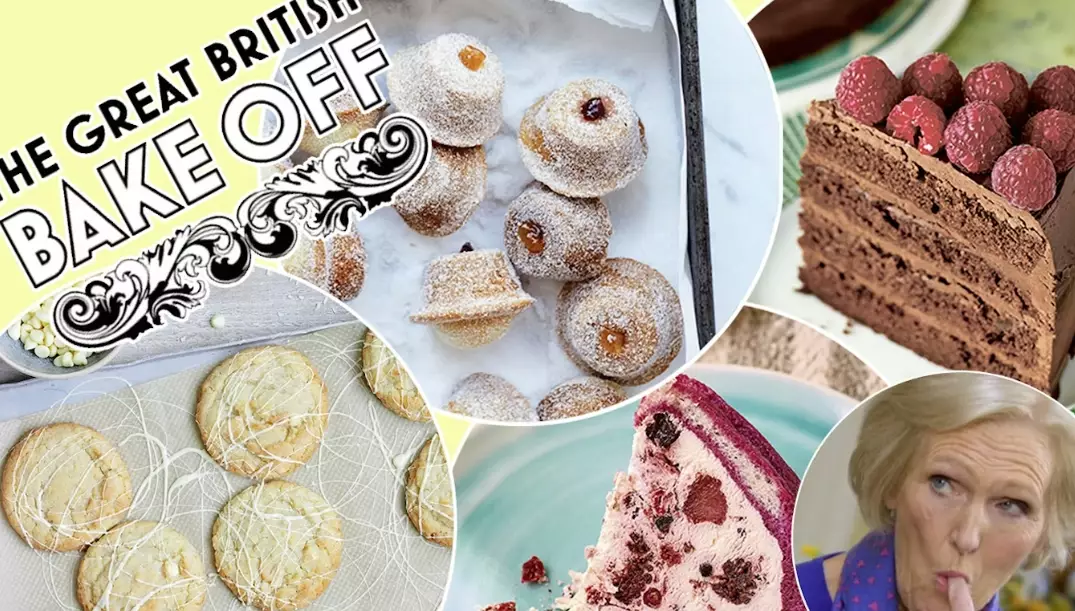
I've been there. After years of baking professionally and teaching home bakers, I've reverse-engineered the gap between the Bake Off tent and your kitchen. The secret isn't just in the recipe—it's in the unwritten rules, the timing, and a few adjustments the show never mentions.
What's Inside?
Understanding the Three Bake Off Challenges
To bake like the show, you need to think like a contestant. Every episode is a masterclass in structure.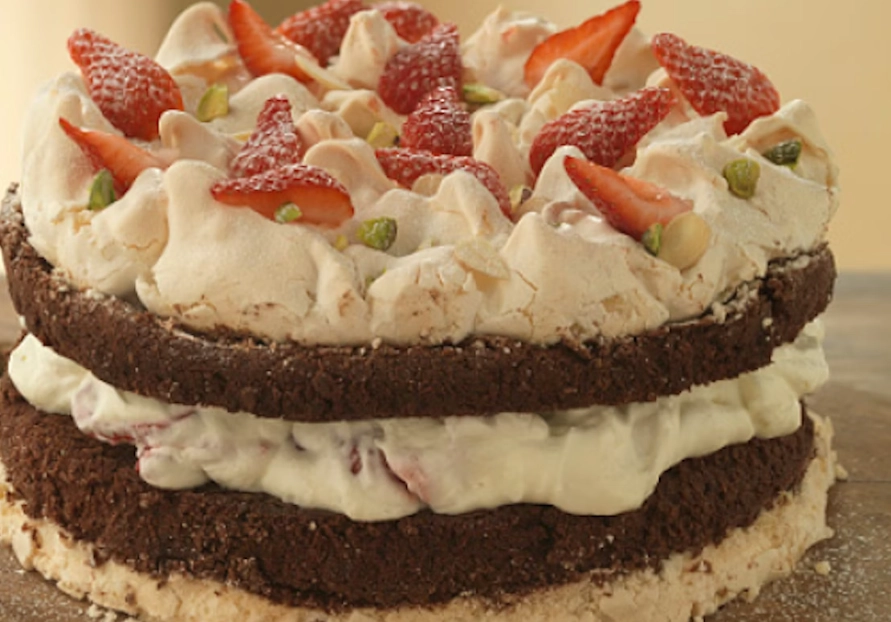
The Signature Bake is about personality and reliability. It's where home bakers often shine. The trick here isn't wild innovation; it's executing a classic with one flawless, personal twist. A perfect Victoria sponge with a genuinely interesting jam flavor (think rhubarb and ginger) will always beat a complicated mess.
The Technical Challenge is the great equalizer. You get minimal instructions. This tests pure skill and knowledge. The key? Understanding the why behind each step. Why rest the pastry? Why heat the milk? When you know the science, the sparse recipe becomes a map.
The Showstopper is about ambition and precision. The most common home baker mistake is prioritizing looks over taste and structure. A towering cake that's dry is a failure. Prue and Paul always taste first. Your design must serve the flavor and texture, not sabotage it.
My two cents: Most blogs just republish the official recipes from the BBC or Love Production sites. That's a start, but those recipes are written for TV—they assume professional equipment and edited timeframes. We're going to adapt them for real life.
The Hidden Secrets of Technical Challenges
Let's demystify the most feared round. I remember attempting the Bake Off technical challenge for Prue's Lemon and Passionfruit Drizzle Cake. The instructions said "make a syrup." Sounds simple. My first attempt was a sticky, overly sweet glaze that made the cake soggy. Why? I didn't balance the acidity.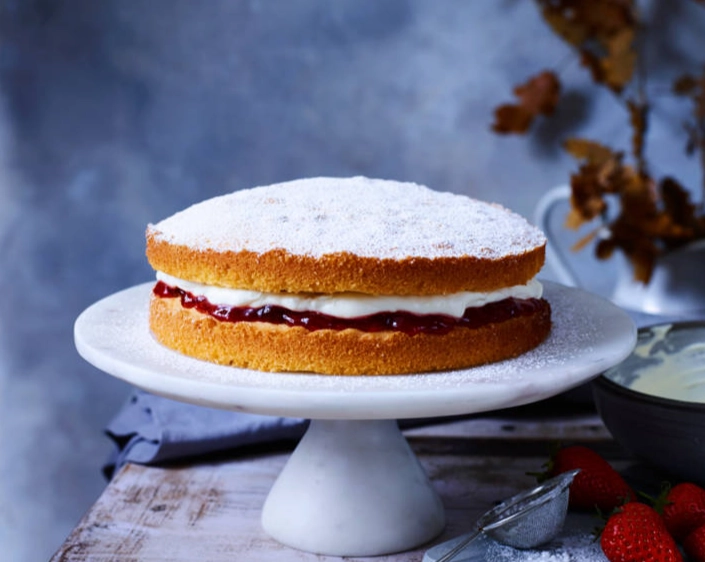
The unwritten rule for technical bakes is restraint and accuracy. Use the exact tin size specified. Weigh your eggs in their shells if the recipe uses “3 large eggs”—the weight variance can throw off a delicate sponge. If it says "fold," put the electric whisk away. Over-mixing is the fastest route to a dense bake.
Common Technical Pitfalls and Fixes
- Under-proved bread: The tent has a warm atmosphere. Your kitchen probably doesn't. Place your dough in the (off) oven with a bowl of just-boiled water to create a warm, humid proving drawer.
- Soggy pastry bottoms: Blind bake on a pre-heated baking sheet. The burst of bottom heat sets the pastry before the wet filling can soak in.
- Split custard or curd: The bakers use high-power induction hobs. On a domestic stove, use a heavy-bottomed pan and the lowest heat. Patience cannot be rushed.
Building a Showstopper That Actually Stands Up
The dream of a majestic showstopper cake recipe often crashes under its own weight. Literally.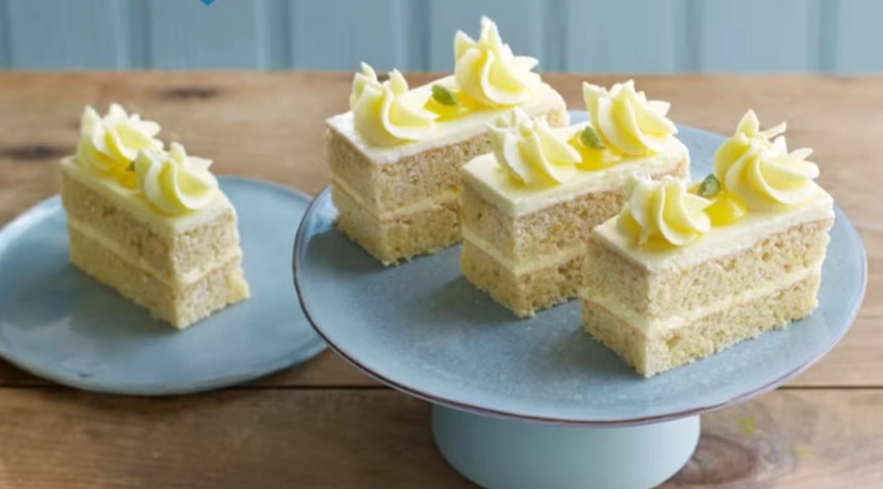
Structure is everything. A four-tier cake needs internal support. Use dowels. Don't just guess—calculate. Every layer of sponge, buttercream, and fondant adds weight. A simple trick: for tall cakes, use a denser sponge like a mud cake or fruit cake for the bottom tiers. They bear weight better than a light génoise.
Flavor balance is the other killer. A chocolate cake with chocolate ganache, chocolate décor, and a chocolate drip is monotonous. The best showstoppers have contrast: a sharp raspberry coulis, a crunchy praline layer, a tangy cream cheese frosting. Think about texture and taste with every component.
And for heaven's sake, do a timing run. Bake the elements over two days. Day one: sponges, curds, brittle. Day two: assembly and decoration. The pressure you see on TV is real, but you don't have to live it.
Three Must-Try Bake Off Recipes to Start With
Don't start with a 3D bread lion. Begin with these iconic, approachable bakes that teach core skills. I've added the crucial "home kitchen" adjustments.
| Recipe | Skill It Teaches | Key Home Adjustment | Why It's a Classic |
|---|---|---|---|
| Mary Berry's Victoria Sandwich | Basic sponge technique, even baking, balancing sweetness. | Weigh your eggs. Use the same weight of butter, sugar, and flour. It's foolproof. | The ultimate test of a light hand. A simple, perfect bake. |
| Paul Hollywood's Soda Bread | Quick bread making, handling a wet dough, judging bake by sound/feel. | Don't overwork it. Mix until just combined. The craggier, the better. | It's fast, forgiving, and deeply satisfying. No yeast, no proving. |
| Prue Leith's Treacle Tart | Shortcrust pastry, working with syrupy fillings, achieving a "wobbly" set. | Freeze your pastry case for 20 mins before blind baking. This prevents shrinkage. | A British staple. The contrast of crisp pastry and unctuous filling is sublime. |
You can find the official recipes on the Bake Off website. Apply the adjustments in the table, and you'll have a much higher success rate.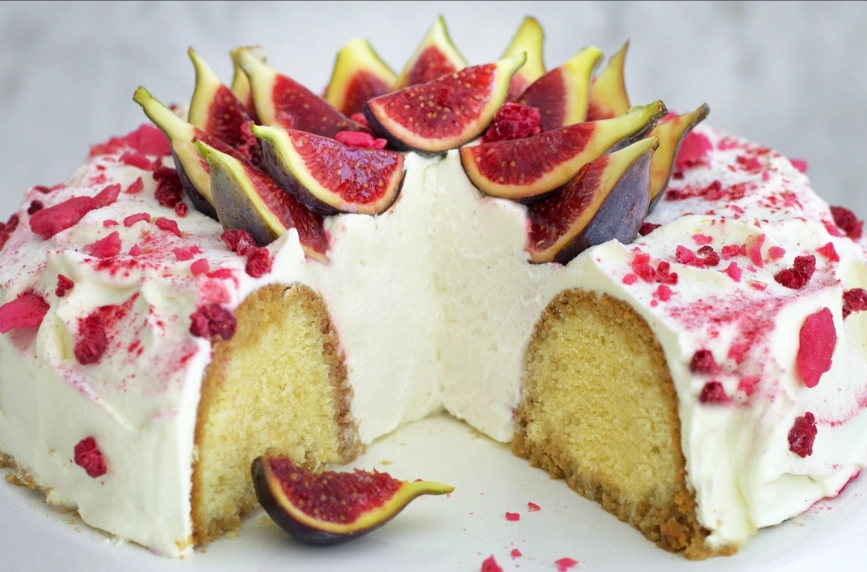
The Pro's Pantry: Non-Negotiable Tips
Beyond recipes, your setup matters. Here’s what I've learned the hard way.
Invest in an oven thermometer. I'll say it again. Your oven's dial lies. A 20-degree difference is the gap between golden and burnt. This is the single best purchase for any serious home baker.
Butter temperature is a religion. Room temperature for creaming (your finger should leave a slight indent). Ice-cold for pastry and laminating. If your butter melts into the flour, your pastry will be tough.
Read the entire recipe twice before touching an ingredient. Note all the resting and chilling times. Nothing ruins a bake like realizing you needed to chill something for four hours halfway through.
Finally, embrace the failure. My first attempt at a Bake Off-style croquembouche was a caramel-covered disaster zone. But I learned more from that sticky mess than from a dozen perfect cupcakes. The bakers in the tent have disasters cut for time. Yours are just part of the process.
Baking from the Great British Bake Off recipes isn't about replication. It's about capturing the spirit: the joy of process, the pursuit of perfection, and the sharing of something truly delicious. Now, go preheat your oven (with the thermometer inside).