Quick Guide
Let's be real. You probably bought that bag of buckwheat groats or flour with the best intentions. You knew it was healthy, maybe gluten-free, and all those food blogs raved about it. But now it's sitting in your pantry, and the only buckwheat recipe that comes to mind is... pancakes. Good old buckwheat pancakes.
Not that there's anything wrong with pancakes. I love them. But there's a whole world of buckwheat recipes out there waiting to be discovered, and I'm here to tell you that this little pseudo-grain (more on that later) is one of the most versatile ingredients you're not using enough of.
I remember my first time cooking with buckwheat. I tried to make a pilaf and ended up with a mushy, slightly bitter mess. I almost gave up. But I'm glad I didn't, because once you get the hang of it, buckwheat becomes a staple. It's cheap, it's nutritious, and it can be the star of breakfast, lunch, dinner, and even dessert.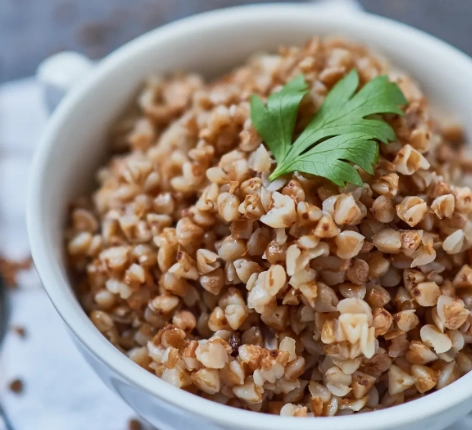
What Exactly Is Buckwheat, Anyway?
First things first, let's clear up the biggest confusion. Buckwheat isn't wheat. It's not even a grain. It's actually a seed related to rhubarb and sorrel. That's why it's naturally gluten-free and a fantastic option for anyone with celiac disease or gluten sensitivity. The name "buckwheat" comes from the Dutch "bockweit," meaning "beech wheat," because the seeds resemble beechnuts and can be used like wheat.
Nutritionally, it's a powerhouse. According to the USDA FoodData Central, a cup of cooked buckwheat groats gives you a solid dose of fiber, plant-based protein, and minerals like magnesium, copper, and manganese. It has a low glycemic index, which is great for keeping blood sugar levels steady. The Mayo Clinic lists whole grains like buckwheat as part of a heart-healthy diet, praising their fiber content for helping lower cholesterol.
You'll find it in a few different forms at the store, and knowing which is which is half the battle when you're hunting for buckwheat recipes.
| Form | What It Is | Best Used For | My Honest Take |
|---|---|---|---|
| Raw Buckwheat Groats | The whole, hulled seeds. They're light green or tan and soft. | Soaking, sprouting, grinding into flour, or cooking into porridge. They have a milder flavor. | This is your blank canvas. Less earthy, more adaptable. Perfect if you're wary of stronger flavors. |
| Toasted Buckwheat Groats (Kasha) | Groats that have been roasted. They're darker brown and have a nuttier, earthier, more distinct flavor. | Traditional Eastern European dishes, pilafs, stuffings. Holds its shape well. | The flavor is intense. I wasn't a fan at first—it can taste a bit bitter if you're not used to it. But it grows on you, especially in savory recipes. |
| Buckwheat Flour | Groats ground into a fine powder. It can be light (from raw groats) or dark (from toasted groats). | Baking (often mixed with other flours), pancakes, crepes, noodles (soba). | It's dense and doesn't contain gluten, so your bread won't rise like a classic wheat loaf. Embrace its hearty, rustic quality. |
| Buckwheat Flakes | Pressed and steamed groats, similar to rolled oats. | Quick porridge, granola, adding to baked goods for texture. | Super convenient for busy mornings. Cooks in minutes. Tastes less "green" than raw groats sometimes can. |
Getting Your Buckwheat Ready: The Non-Negotiable Step
Okay, before we jump into the recipes, there's one crucial prep step you shouldn't skip, especially with raw groats. They have a natural substance called saponin that can leave a slightly soapy or bitter aftertaste. It's not harmful, but it's not exactly delicious either.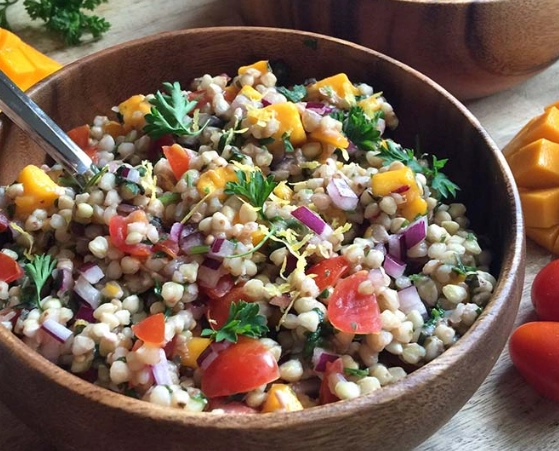
Here's what you do: put your groats in a fine-mesh strainer and rinse them under cold water for a good minute, swishing them around with your hand. You'll see the water get a bit frothy—that's the saponin washing away. Do this even if the package says "pre-washed." Trust me on this. For toasted groats (kasha), a quick rinse is still a good idea to remove any dust.
Now, the toasting step. This is optional but highly recommended for raw groats if you're making a savory dish. It brings out a beautiful nutty aroma and helps the grains stay separate and fluffy when cooked.
How to Toast & Cook Buckwheat Groats Perfectly
- Rinse your groats thoroughly.
- In a dry skillet over medium heat, add the rinsed (and mostly drained) groats. Toast them, stirring often, for 4-5 minutes until they are dry and you start to smell a lovely, toasty aroma. Don't walk away—they can burn.
- Add liquid. The standard ratio is 1 part groats to 2 parts water or broth. Add a pinch of salt.
- Bring to a boil, then reduce heat to the lowest setting, cover tightly, and simmer for 10-15 minutes.
- Remove from heat and let it sit, covered and undisturbed, for another 10 minutes. This steaming time is key for perfect texture. Fluff with a fork.
You've now got a perfect pot of buckwheat, ready to be the base for countless healthy buckwheat recipes.
The Buckwheat Recipe Collection: From Breakfast to Snack Time
Here’s where the fun begins. These aren't just recipes; they're my go-to solutions for getting buckwheat on the table in ways that actually make you excited to eat it.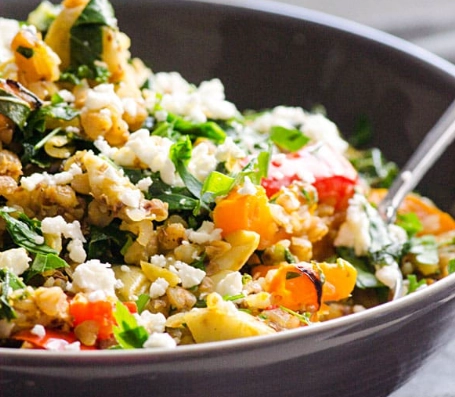
Breakfast & Brunch Heroes
Forget the idea that buckwheat is just for heavy, dense pancakes. It can make the most delightful morning meals.
My Ultimate Savory Breakfast Bowl
This is my weekday warrior. I cook a big batch of groats on Sunday, and this bowl comes together in 5 minutes on a Tuesday morning. The combo of creamy, crunchy, and savory is just unbeatable.
- 3/4 cup cooked buckwheat groats (warm or cold)
- 1/2 a ripe avocado, sliced
- A handful of baby spinach
- 1 soft-boiled or fried egg
- A sprinkle of everything bagel seasoning, red pepper flakes, and a drizzle of tahini or hot sauce.
Just assemble. That's it. The warm groats wilt the spinach just enough. It's filling enough to keep you going until lunch without that mid-morning slump.
"No-Fail" Fluffy Buckwheat Pancakes
Fine, I had to include one pancake recipe. But this one is different. It uses a blender batter for ultimate smoothness and includes a trick to make them incredibly light.
- 1 cup buckwheat flour (light or dark)
- 1 tbsp maple syrup or coconut sugar
- 1 tsp baking powder
- 1/2 tsp baking soda
- Pinch of salt
- 1 cup buttermilk (or 1 cup plant milk + 1 tbsp lemon juice/vinegar, let sit 5 mins)
- 1 large egg
- 2 tbsp melted butter or coconut oil
- 1 tsp vanilla extract
Blend all wet ingredients first, then add the dry and blend just until smooth. Let the batter rest for 5 minutes—this helps the flour hydrate. Cook on a medium-hot, lightly greased griddle. You'll know they're ready to flip when bubbles form on the surface and the edges look set. Serve with berries and yogurt.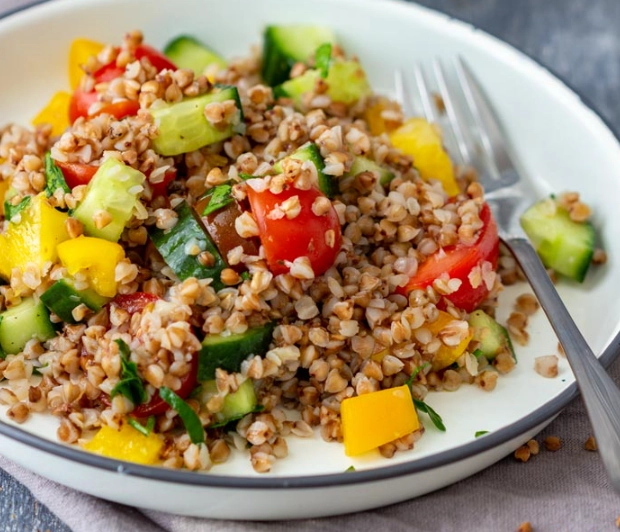
Lunch & Dinner Powerhouses
This is where buckwheat truly shines for me. Its hearty texture stands up to robust flavors.
Hearty Mushroom & Buckwheat "Risotto" (No Stirring Required)
Real risotto requires constant attention. This baked version gives you all the creamy comfort with none of the arm workout. Using toasted groats (kasha) here is genius—their earthy flavor pairs perfectly with mushrooms.
- Preheat oven to 375°F (190°C). In an oven-safe pot or Dutch oven, sauté 1 diced onion and 2 cloves minced garlic in olive oil until soft.
- Add 8 oz sliced mushrooms (cremini or shiitake are great) and cook until they release their water and brown.
- Stir in 1 cup toasted buckwheat groats and cook for 1 minute.
- Add 3 cups warm vegetable broth, 1 tsp thyme, salt, and pepper. Bring to a simmer.
- Cover and transfer to the oven. Bake for 25 minutes.
- Remove, stir in 1/2 cup grated Parmesan (or nutritional yeast), and a handful of chopped parsley. Let it sit for 5 minutes—it will thicken up beautifully.
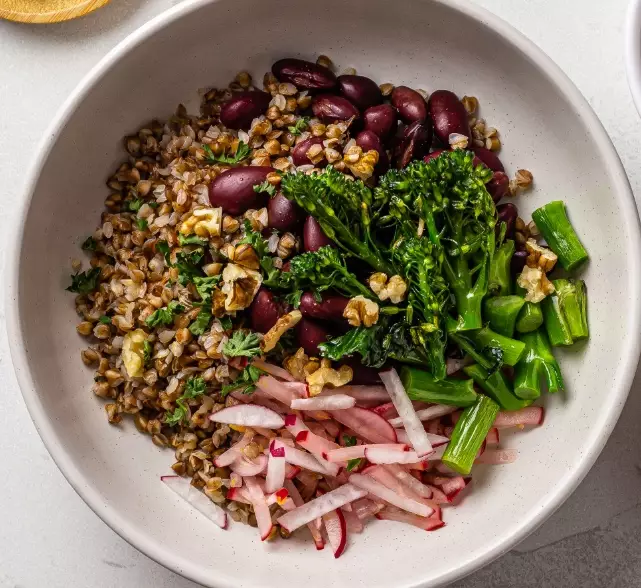
The 20-Minute Mediterranean Buckwheat Bowl
This is my answer to the question, "What's a quick, healthy dinner?" It's a formula more than a strict recipe, and it's endlessly customizable.
Protein: Canned chickpeas (rinsed), leftover grilled chicken, or baked tofu.
Veggies: Cherry tomatoes, cucumber, roasted bell peppers, olives, red onion.
Herbs: Lots of fresh parsley or dill.
Dressing: A simple lemon-garlic-olive oil vinaigrette. Whisk together 3 tbsp olive oil, 1.5 tbsp lemon juice, 1 small minced garlic clove, salt, and pepper.
Crunch: Toasted pine nuts or slivered almonds.
Toss it all together in a big bowl. It's vibrant, satisfying, and packed with different textures. This is one of those easy buckwheat recipes you'll make on repeat.
Baking & Sweet Treats
Yes, you can bake with it! Buckwheat flour adds a deep, malty sweetness that works wonderfully with chocolate and fruit.
Fudgy Buckwheat Brownies (Gluten-Free & Rich)
These brownies converted my skeptical friends. The buckwheat flour gives them a complex, almost grown-up flavor that's far more interesting than your standard brownie.
- 1/2 cup buckwheat flour
- 1/3 cup unsweetened cocoa powder
- 1/4 tsp salt
- 1/2 cup (1 stick) unsalted butter
- 3/4 cup granulated sugar
- 2 large eggs
- 1 tsp vanilla extract
- 1/2 cup dark chocolate chips
Melt the butter and whisk in sugar until combined. Whisk in eggs and vanilla. Gently fold in the dry ingredients (flour, cocoa, salt) until just mixed. Stir in chocolate chips. Pour into a lined 8x8 pan and bake at 350°F (175°C) for 20-25 minutes, until the top is set but a toothpick comes out with a few moist crumbs. Let them cool completely before cutting—this is mandatory for the fudgy texture.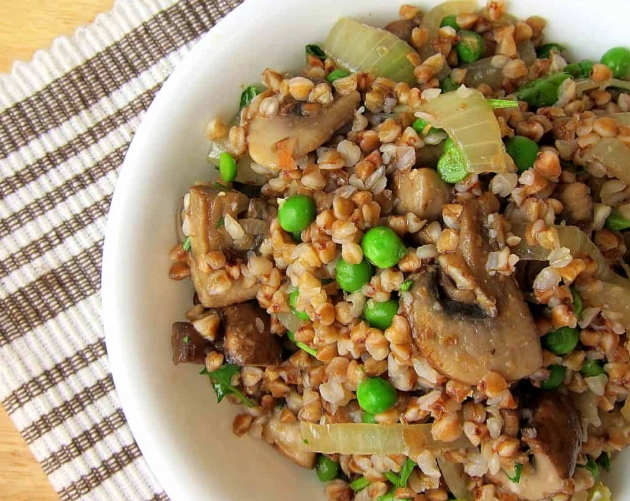
Simple Buckwheat & Banana "Cookies"
I call these "cookies" because they're sweet and handheld, but they're really more of a healthy energy bite. No baking required. Perfect for an afternoon slump.
In a food processor, combine 1 cup rolled oats, 1/2 cup buckwheat flakes, 2 very ripe bananas, 1/4 cup nut butter, 1/4 cup maple syrup, 1 tsp cinnamon, and a pinch of salt. Pulse until it comes together into a sticky dough. Fold in 1/4 cup chopped nuts or seeds. Roll into balls and refrigerate for at least an hour. They keep for days in the fridge.
The Wildcard: Homemade Soba Noodles (The Ambitious Project)
This is for a rainy Sunday when you feel like a kitchen project. True Japanese soba is made with 100% buckwheat flour, but that dough is notoriously fragile. A home cook-friendly version uses an 80:20 ratio of buckwheat to all-purpose or bread flour to help it hold together.
Mix 2 cups buckwheat flour with 1/2 cup bread flour and 1 cup water. Knead into a firm, smooth dough. Roll out incredibly thin on a well-floured surface. Fold the sheet and cut into thin noodles. Boil for just 1-2 minutes, then rinse under cold water. Serve with a simple dipping sauce of soy sauce, mirin, and dashi.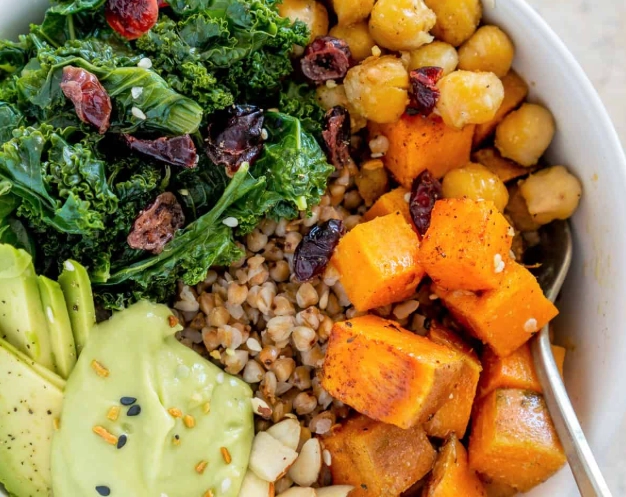
Your Buckwheat Questions, Answered
I get asked these all the time. Let's clear them up.
Wrapping It Up: Your New Pantry Staple
Look, the goal here wasn't to give you a single fancy recipe. It was to show you that buckwheat is a reliable, nutritious, and surprisingly flexible friend in the kitchen. You can start simple with that Mediterranean bowl or the savory breakfast. Then, maybe on a weekend, try the "risotto" or those decadent brownies.
The beauty of these buckwheat recipes is that they're built on technique. Master toasting and cooking the groats, and you've unlocked a world of possibilities. Get comfortable with buckwheat flour, and a whole new realm of gluten-free baking opens up.
Don't be intimidated by its humble appearance. That bag of groats is potential. It's weeknight dinners, packed lunches, healthy snacks, and comforting breakfasts. It's a way to eat well without making things complicated. And honestly, after you move beyond pancakes, you might just find it becomes one of your most reached-for ingredients. I know it did for me.
So go give that bag in your pantry a second chance. Rinse it well, toast it gently, and see where it takes you.