Your Palabok Journey
Let's be honest. The first time I tried making pancit palabok at home, it was a disaster. The sauce was bland, the noodles were mush, and I spent way too much money on ingredients I barely used. I almost gave up on this iconic Filipino food. But then I called my aunt in Pampanga, watched a few street vendors in Manila (via YouTube, sadly), and pieced together a method that actually works in a regular home kitchen. No fancy equipment, no impossible-to-find ingredients (well, mostly). This isn't just a list of steps; it's the result of my trial and error, so you can skip straight to the good part.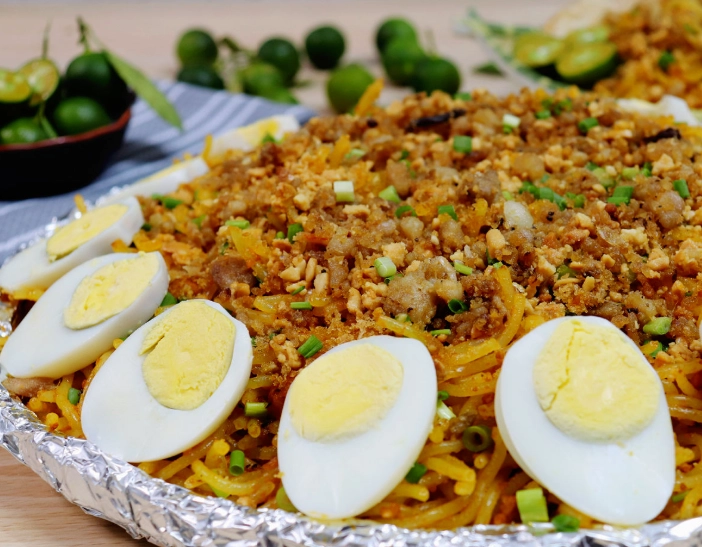
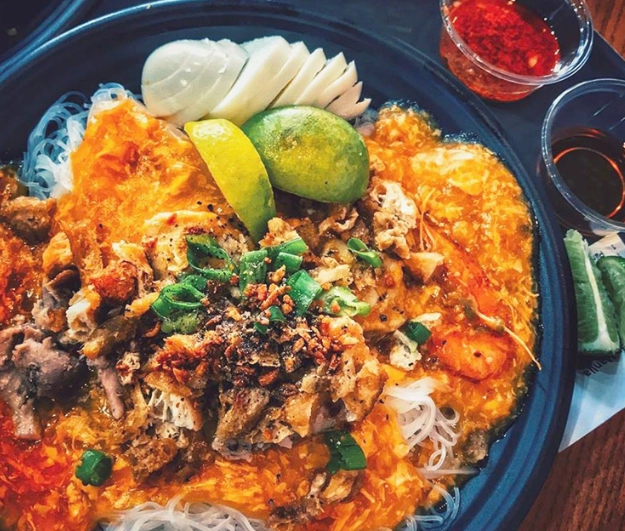
What is Pancit Palabok, Anyway? If you're new to Filipino cuisine, palabok is a celebratory noodle dish. Thin rice noodles (bihon) are smothered in a luxuriously thick, orange-gold sauce made from shrimp broth and annatto, then topped with a confetti of smoked fish flakes, crispy pork, hard-boiled eggs, and more. It's savory, a bit briny, and has this incredible variety of textures in every bite. It's the star at birthdays, fiestas, and family gatherings.
Why bother making it from scratch? Because the boxed kits never quite capture the depth of flavor. And while your local Filipino restaurant might make a good one, there's something special about serving a huge plate of this at home. This filipino food pancit palabok recipe is my go-to, and it's broken down so you understand the why behind each step.
Gathering Your Palabok Arsenal: The Ingredients Breakdown
This looks like a long list. Don't panic. I've split it into the essential foundations and the topping bar. You can simplify the toppings, but try not to skip the core sauce ingredients. The good news is many are pantry staples for other Asian dishes.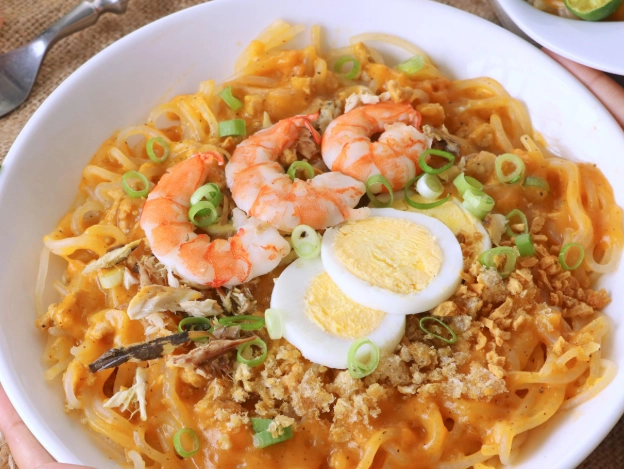
| Ingredient | Role in the Dish | Where to Find & Substitutes |
|---|---|---|
| Rice Sticks (Bihon) | The base. Thin, delicate noodles that soak up the sauce. | Asian markets, international aisles. Don't use thicker rice noodles or egg noodles. |
| Shrimp & Shrimp Heads/Shells | The soul. Provides the foundational seafood flavor for the broth and sauce. | Ask your fishmonger for extra heads/shells. Frozen shrimp work fine. |
| Annatto Seeds (Atsuete) or Powder | Provides the signature golden-orange color and a subtle, earthy flavor. | Latin or Asian markets. Powder is easier. In a pinch, a tiny bit of paprika for color (not flavor). |
| Fish Sauce (Patis) | The salty, umami backbone. Don't be scared of it. | Any Asian brand like Red Boat or Tip Me. It's a staple for a reason. Soy sauce is NOT a direct substitute. |
See? Not so bad. For the toppings, the classics are: tinapa (smoked fish) flakes, crushed chicharrón (pork cracklings), sliced hard-boiled eggs, cooked shrimp, and green onions. I sometimes cheat and use good-quality canned smoked herring or mackerel instead of tinapa. It works.
The Heart of the Matter: Crafting That Irresistible Sauce
This is where the magic happens. The sauce is what separates a great filipino palabok from a mediocre one. It should be thick enough to coat the noodles, but not gloopy. It should taste deeply of shrimp, with a balance of savory and a hint of sweetness.
Step-by-Step Sauce Alchemy
First, make the shrimp broth. Sauté the shrimp heads and shells (you know the shells from the shrimp you're using for garnish, right?) until they turn orange. Add a piece of onion and a few cloves of garlic (you don't need to measure exactly). Cover with water and simmer for about 20 minutes. Strain. You now have a flavorful shrimp broth base.
Pro Tip: Don't skip making your own broth. The powdered shrimp bouillon will give you a one-dimensional, almost artificial taste. This step is non-negotiable for authenticity.
Next, extract the annatto color. Heat a few tablespoons of oil (I use canola) in a small pan. Add about 2 tablespoons of annatto seeds. Cook on low heat until the oil turns a vibrant red-orange. Don't let the seeds burn! Strain out the seeds and keep the colored oil. This annatto oil is your color agent and also adds flavor.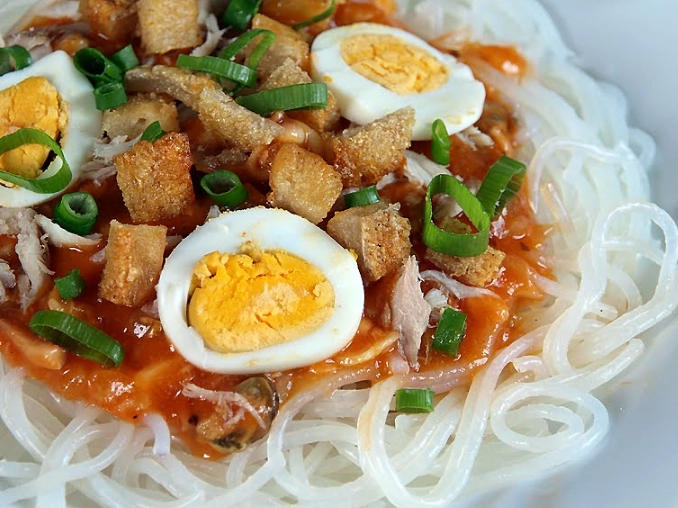
Now, build the sauce. In a large pot, heat the annatto oil. Add a few tablespoons of minced garlic and a finely chopped onion. Cook until soft. Sprinkle in about 1/4 cup of all-purpose flour. This is your thickener. Cook the flour for a minute to get rid of the raw taste. Then, slowly whisk in your strained shrimp broth. Keep whisking to avoid lumps. Bring to a simmer.
Here's the flavor layering: add about 1/4 cup of fish sauce. Yes, it smells strong. It mellows out, trust me. Then add about 1/4 cup of ground pork or finely minced pork belly. This adds a subtle richness and body that shrimp alone doesn't provide. Let it simmer for 10-15 minutes until the pork is cooked and the sauce has thickened to a gravy-like consistency. It should coat the back of a spoon. Taste it. It should be savory and shrimpy. Sometimes I add a pinch of sugar to balance, but that's optional. This is your golden pancit palabok recipe sauce. Turn off the heat.
Bringing It All Together: Noodles, Assembly, and the Final Feast
While the sauce simmers, prepare the rice noodles. This is crucial: do not overcook them. Follow the package instructions, but usually, soaking in warm water for 10-15 minutes is enough. They should be pliable but still firm. They'll finish cooking when you mix them with the hot sauce. Drain them well.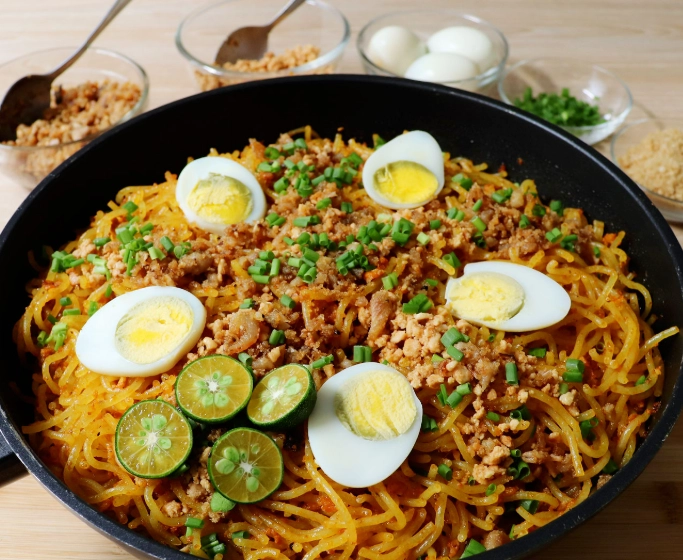
Prepare all your toppings. Flake the smoked fish, crush the chicharrón, slice the eggs and green onions, and sauté the shrimp you saved for garnish with a bit of garlic. Having everything ready makes assembly a breeze.
Now, combine. Reheat the sauce gently. Add the drained rice noodles to the sauce. Using tongs or two large spoons, toss and fold until every single strand is coated in that glorious orange sauce. This might take a minute or two. The noodles will absorb the flavor and soften to the perfect al dente texture.
Personal Note: I once tried to "healthify" it by using zucchini noodles. Big mistake. The texture was all wrong, and the sauce just slid off. Some dishes are meant to be enjoyed as they are. Pancit palabok is one of them.
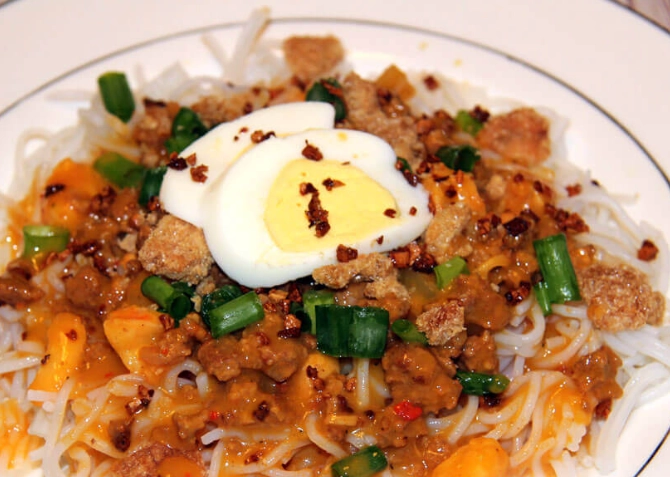
Transfer the sauced noodles to a large serving platter. Arrange the toppings beautifully over the noodles. I like to start with the hard-boiled eggs, then the shrimp, then the smoked fish, and finally the green onions. It just looks more appetizing that way.
Common Questions About Pancit Palabok Recipe
Final Thoughts on Mastering This Filipino Food Pancit Palabok Recipe
Making pancit palabok from scratch is a labor of love. It's not the quickest weeknight meal, but it's perfect for when you want to impress guests or celebrate a special occasion with your family. The key takeaways are: don't rush the broth, master the annatto oil, and balance your flavors with fish sauce. Remember, this filipino food pancit palabok recipe is a template. Feel free to adjust the toppings based on what's available or your personal preferences.
The beauty of this dish lies in its complexity and simplicity at the same time. Complex flavors from simple, fresh ingredients. Once you've tried this homemade version, you'll understand why it holds such a special place in Filipino cuisine. So gather your ingredients, clear your afternoon, and get ready to create a masterpiece that’s as delicious to eat as it is beautiful to behold.
And if you're interested in learning more about the traditional ingredients like shrimp and fish sauce, you can read about their culinary significance on authoritative sites like Britannica's page on shrimp or Harvard's overview on fish. Understanding your ingredients always makes you a better cook.