What You'll Find in This Guide
If you've ever hesitated to cook veal because it seems tricky, let me put your mind at ease. With the right approach, veal can be one of the most rewarding meats to prepare. I remember my first attempt: I overcooked it into a chewy mess. But after years of trial and error—and learning from chefs—I've nailed down the methods that work every time. In this guide, I'll share my favorite veal recipes and the insider tips that make all the difference.
Veal isn't just for fancy restaurants. It's a versatile meat that can fit into everyday cooking. But here's the thing: most home cooks mess it up by treating it like beef. It's not. Veal is younger, leaner, and more delicate. Get it right, and you've got a meal that feels gourmet without the fuss.
Why Veal Deserves a Spot in Your Kitchen
Veal often gets a bad rap, but when sourced responsibly, it's a lean, tender protein with a subtle flavor that absorbs seasonings beautifully. According to the USDA, veal is lower in fat than beef, making it a healthier option for many dishes. The key is knowing how to handle it. Unlike tougher cuts of beef, veal cooks quickly and can dry out if you're not careful. But get it right, and you'll have a meal that feels gourmet without the fuss.
I used to think veal was bland. Then I tried it from a local farm that pasture-raises their calves. The difference was night and day—more flavor, better texture. If you're worried about ethics, look for labels like "certified humane." It might cost a bit more, but it's worth it for quality and peace of mind.
My Top 3 Go-To Veal Recipes
These are the recipes I turn to again and again—they're reliable, delicious, and cover a range of cooking styles. I've included step-by-step instructions so you can replicate them at home. Each one has been tested in my kitchen, and I've tweaked them over the years to perfection.
Here's a quick comparison to help you choose:
| Recipe | Cooking Time | Difficulty | Best For | Key Flavor |
|---|---|---|---|---|
| Veal Piccata | 20 minutes | Easy | Quick dinners | Zesty, lemony |
| Veal Osso Buco | 3 hours | Medium | Special occasions | Rich, hearty |
| Veal Chops | 25 minutes | Easy | Elegant meals | Savory, herby |
1. Classic Veal Piccata: Quick and Zesty
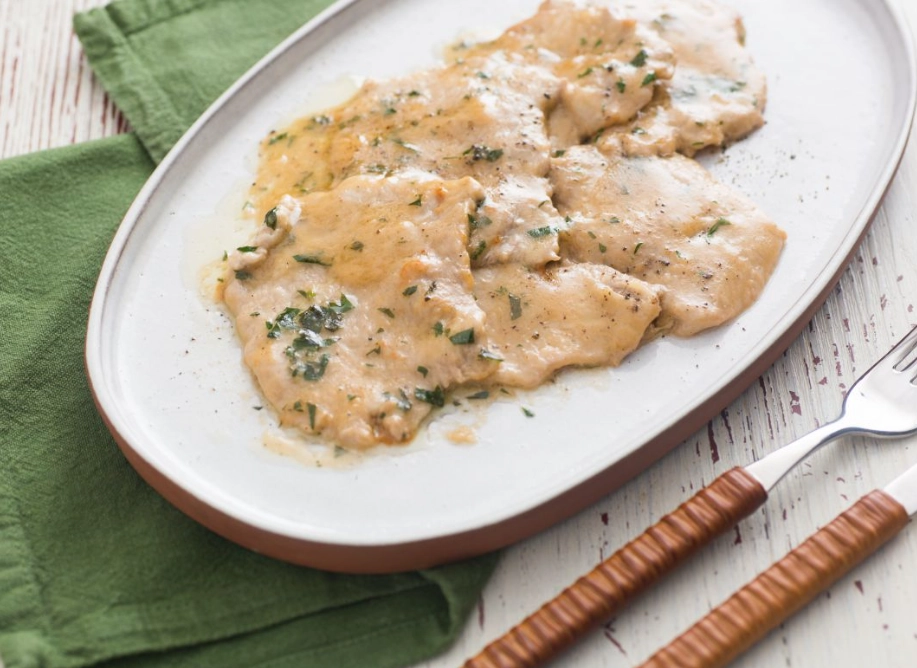
This Italian favorite is perfect for a weeknight dinner. It comes together in under 30 minutes. You'll need veal scallopini (thinly sliced veal), flour for dredging, butter, olive oil, capers, lemon juice, and white wine. The trick is to cook the veal just until it's no longer pink—about 2 minutes per side. Overcooking is the enemy here. I like to use a cast-iron skillet for even heat distribution.
Ingredients:
- 4 veal scallopini (about 1/4 inch thick, 4-6 ounces each)
- 1/2 cup all-purpose flour
- 2 tablespoons unsalted butter
- 2 tablespoons extra-virgin olive oil
- 1/4 cup capers, drained and rinsed
- Juice of 1 large lemon (about 3 tablespoons)
- 1/4 cup dry white wine (like Sauvignon Blanc)
- Salt and freshly ground black pepper to taste
- Chopped parsley for garnish (optional)
Steps: Pat the veal dry with paper towels. Season both sides with salt and pepper. Dredge each piece in flour, shaking off the excess. In a large skillet, heat the butter and olive oil over medium-high heat until the butter melts and foams. Add the veal in a single layer (work in batches if needed) and cook for about 2 minutes per side, until golden brown. Remove the veal and set aside on a plate. In the same pan, add the capers, lemon juice, and white wine. Scrape up any browned bits from the bottom. Let it simmer for 2-3 minutes until the sauce slightly thickens. Return the veal to the pan, spoon the sauce over it, and heat for another minute. Garnish with parsley if using. Serve immediately with pasta or mashed potatoes.
I once made this for friends who claimed they didn't like veal. They asked for seconds. The lemon and capers cut through the richness perfectly.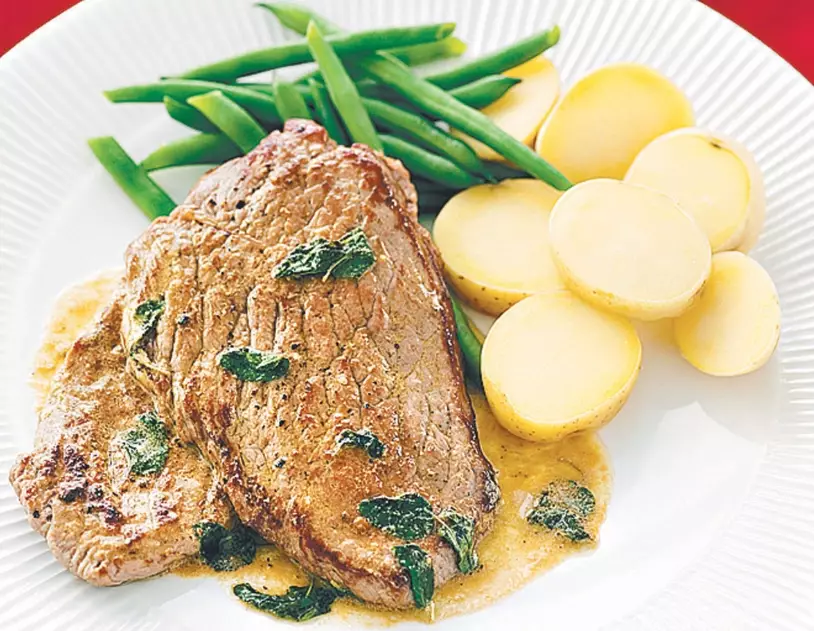
2. Hearty Veal Osso Buco: Slow-Cooked Comfort
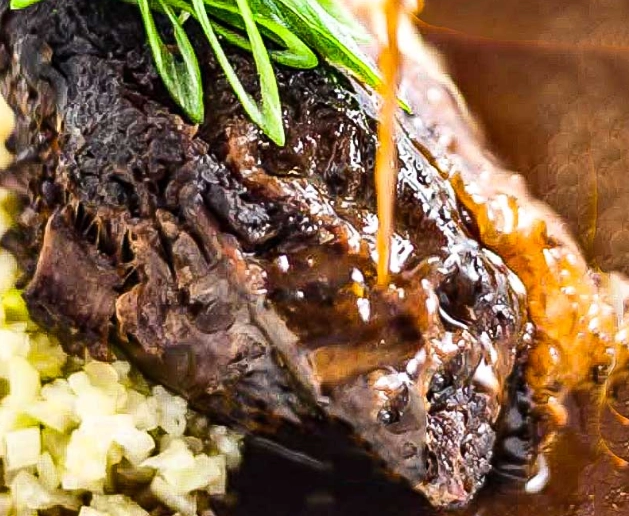
Osso buco is a Milanese specialty that's all about low and slow cooking. It uses veal shanks, which become fall-off-the-bone tender after braising. This dish takes time but requires minimal hands-on effort. I often make it on weekends when I want something impressive but relaxed. The key is to brown the shanks well before braising—this builds flavor. Serve with gremolata (a mix of parsley, garlic, and lemon zest) for a fresh contrast.
Ingredients:
- 4 veal shanks (about 1.5 inches thick, tied with kitchen twine)
- 1 large onion, finely chopped
- 2 carrots, diced
- 2 celery stalks, diced
- 4 cloves garlic, minced
- 1 cup dry white wine
- 2 cups beef broth (low-sodium preferred)
- 1 can (14.5 oz) diced tomatoes, undrained
- 2 sprigs fresh thyme
- 1 bay leaf
- Salt and pepper to taste
- 2 tablespoons olive oil
- For gremolata: 1/4 cup chopped parsley, 1 garlic clove minced, zest of 1 lemon
Steps: Preheat your oven to 325°F. Season the veal shanks generously with salt and pepper. In a large Dutch oven, heat the olive oil over medium-high heat. Brown the shanks on all sides, about 4-5 minutes per side. Remove and set aside. In the same pot, add the onion, carrots, and celery. Cook for 5-7 minutes until softened. Add the garlic and cook for another minute. Pour in the wine to deglaze, scraping the bottom. Let it simmer for 2 minutes. Add the beef broth, diced tomatoes, thyme, and bay leaf. Return the shanks to the pot, ensuring they're partially submerged. Cover and transfer to the oven. Braise for 2.5 to 3 hours, until the meat is very tender. While cooking, prepare the gremolata by mixing parsley, garlic, and lemon zest. Serve the osso buco over risotto or polenta, topped with gremolata.
A common mistake: not browning the shanks enough. That sear adds depth. I learned this from a chef who said, "Color is flavor." He was right.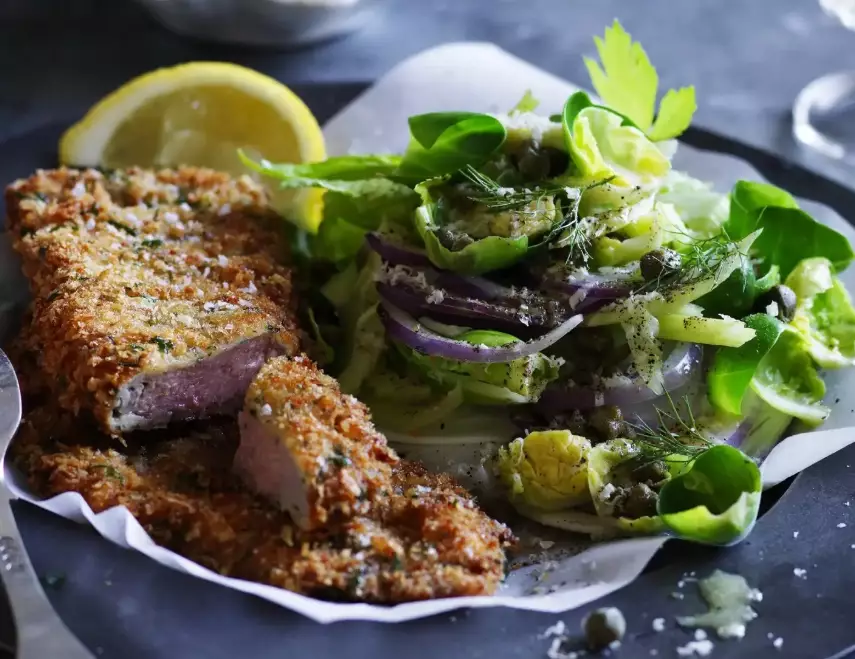
3. Simple Veal Chops with Rosemary and Garlic
For a straightforward yet elegant meal, veal chops are hard to beat. I prefer rib chops for their marbling and flavor. The method is simple: season generously, sear in a hot pan, then finish in the oven. Resting the meat after cooking is crucial—it allows the juices to redistribute, preventing dryness. I learned this the hard way after serving dry chops at a dinner party. Now, I always let them rest for at least 5 minutes.
Ingredients:
- 2 veal rib chops (1.5 inches thick, about 8 ounces each)
- 2 sprigs fresh rosemary, leaves stripped and chopped
- 4 cloves garlic, crushed
- 2 tablespoons olive oil
- Salt and freshly ground black pepper to taste
- 1 tablespoon butter (optional, for finishing)
Steps: Preheat your oven to 400°F. Let the chops sit at room temperature for 20 minutes. Pat them dry and rub with olive oil. In a small bowl, mix the rosemary, garlic, salt, and pepper, then rub the mixture all over the chops. Heat a large oven-safe skillet over medium-high heat. Add a bit more oil if needed, then sear the chops for 3 minutes per side until browned. Transfer the skillet to the oven and roast for 8-10 minutes, until the internal temperature reaches 145°F for medium-rare. Use a meat thermometer—guessing will lead to overcooking. Remove the chops from the oven, top with butter if using, and let them rest on a cutting board for 5-7 minutes before serving. This rest time is non-negotiable; it makes the chops juicy.
I served these with roasted vegetables and a simple red wine reduction. My guests thought I'd spent hours, but it took less than 30 minutes active time.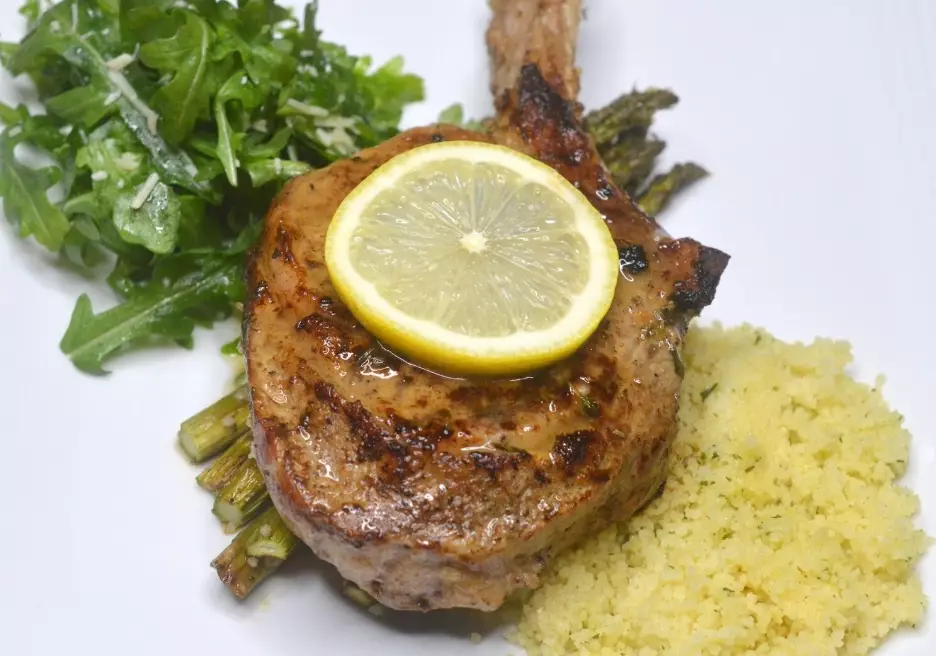
The Secret to Tender Veal: Techniques You Need to Know
Veal's tenderness comes from its youth, but that also means it can easily become tough if mishandled. Here are the techniques I swear by, gathered from years of cooking and talking to butchers.
Choosing the Right Cut
Not all veal cuts are created equal. For quick cooking like sautéing, use scallopini or cutlets. These are thin and cook in minutes. For roasting, go with chops or loin—they have more fat and hold up to higher heat. For braising, shanks or shoulder work best; they have connective tissue that breaks down with slow cooking. I often see people trying to braise scallopini—it just falls apart. Match the cut to the method.
Here's a quick guide:
- Scallopini/Cutlets: Best for pan-frying, piccata, marsala. Cook time: 2-4 minutes per side.
- Rib or Loin Chops: Best for grilling or roasting. Cook time: 10-15 minutes total.
- Shanks/Shoulder: Best for braising or stewing. Cook time: 2-3 hours.
The Importance of Resting Meat
This is non-negotiable. After cooking, let veal rest for 5-10 minutes depending on thickness. It allows the fibers to relax and retain moisture. Skip this step, and you'll lose juices as soon as you cut into it. I use this time to make a quick pan sauce. For chops, I tent them loosely with foil to keep warm without steaming.
Another tip: bring veal to room temperature before cooking. Take it out of the fridge 20-30 minutes ahead. This ensures even cooking and prevents the center from staying cold while the outside overcooks.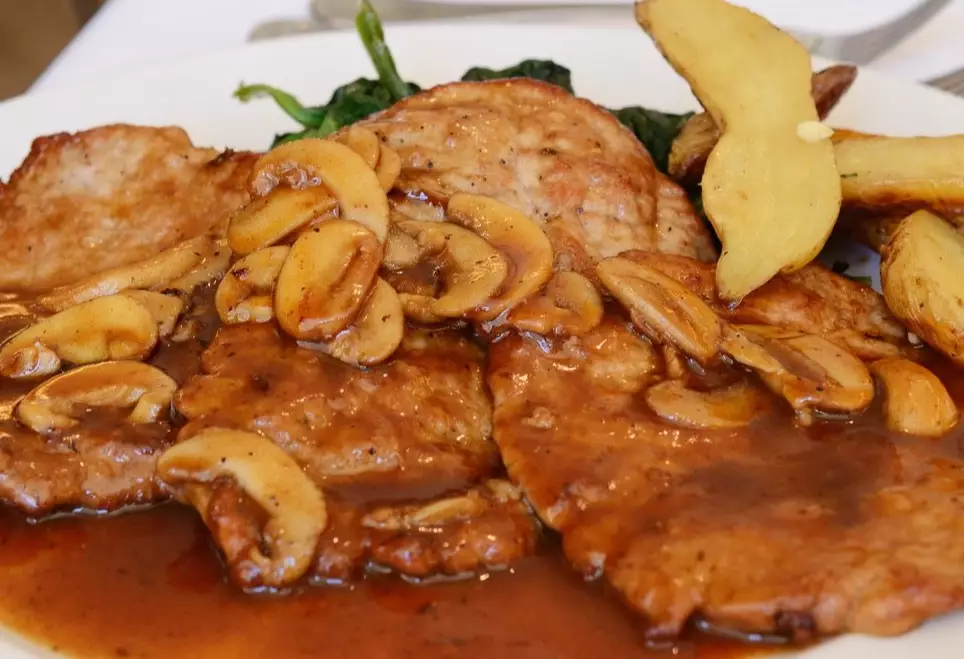
Common Pitfalls and How to Avoid Them
Based on my experience, here are the top mistakes home cooks make with veal and how to fix them. I've made most of these myself, so learn from my errors.
- Overcooking: Veal cooks fast. Use a meat thermometer. For chops, aim for 145°F internal temperature for medium-rare. For scallopini, just until opaque—it continues to cook off the heat. I keep a digital thermometer handy; it's changed my cooking game.
- Not seasoning enough: Veal is mild, so be generous with salt, pepper, and herbs. Season both sides before cooking, and don't forget to season the flour if dredging. I like to add a pinch of salt to the flour mixture for extra flavor.
- Using high heat for too long: Searing is good, but then reduce heat to prevent burning. For dishes like osso buco, low and slow is key. I once cranked up the heat to speed up browning and ended up with bitter, burnt bits in the sauce. Patience pays off.
- Skipping the deglazing step: After sautéing veal, there are flavorful bits stuck to the pan. Deglaze with wine, broth, or lemon juice to make a sauce. It adds depth and moisture. I learned this from a French cooking class—it's a simple step that elevates the dish.
I once added wine too early in a piccata sauce and it turned bitter. Now, I simmer it briefly to cook off the alcohol before adding lemon juice. Small adjustments matter.