What You'll Find Inside
I still remember the first time I tried to make boxty. It was a disaster—the pancakes fell apart in the pan, leaving a starchy mess. After years of tweaking and talking to Irish home cooks, I've nailed down a method that works every time. Boxty isn't just food; it's a piece of Irish heritage, a simple potato pancake that's crispy on the outside, soft inside. Let's get into it.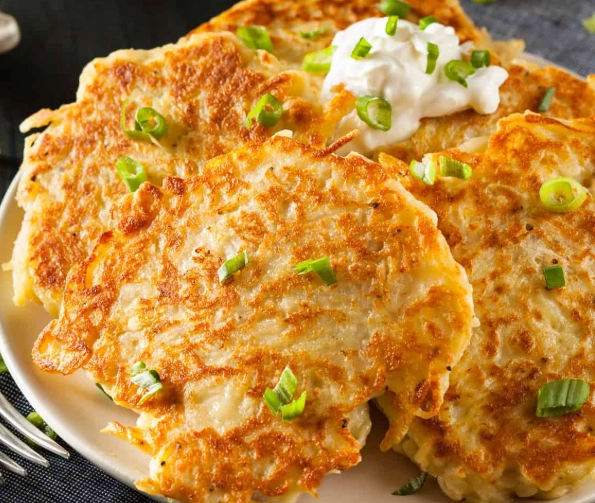
What Exactly is Boxty?
Boxty is a traditional Irish potato pancake, often associated with counties like Leitrim and Mayo. The name comes from the Irish "bacstaí" or "arán bocht tí," meaning "poor-house bread." Historically, it was a frugal dish made from grated potatoes, flour, and buttermilk, fried on a griddle. Unlike hash browns, boxty uses a mix of raw and cooked mashed potatoes, giving it a unique texture—dense yet tender. According to the Irish Food Board, boxty has seen a resurgence as comfort food, with modern chefs adding twists like herbs or cheese.
Why bother making it? Well, it's versatile. Serve it for breakfast with eggs, as a side with stew, or even as a snack with sour cream. It's also naturally vegetarian and can be adapted for gluten-free diets.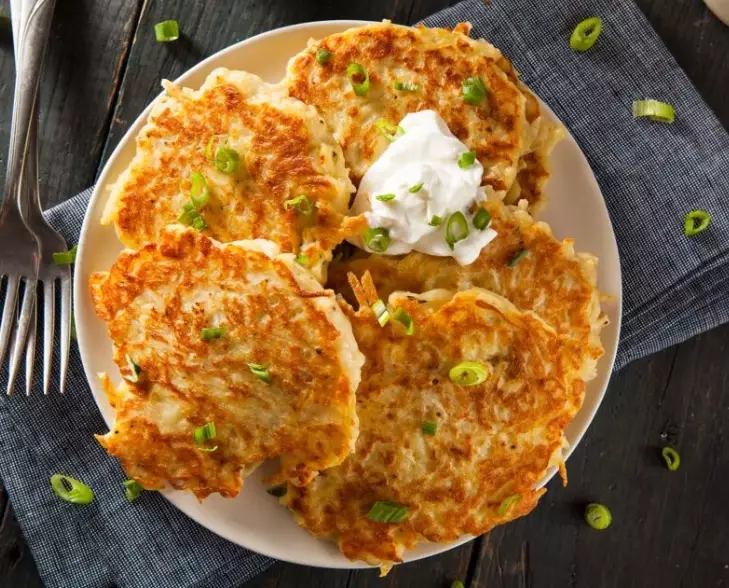
Gathering Your Ingredients and Tools
You don't need fancy gear. A box grater, a mixing bowl, and a good non-stick skillet will do. Here's what goes into a classic boxty recipe:
| Ingredient | Quantity | Notes |
|---|---|---|
| Russet potatoes (raw, grated) | 2 medium | High starch content helps bind the batter |
| Russet potatoes (cooked, mashed) | 1 medium | Cooled to room temperature |
| All-purpose flour | 1/2 cup | Or gluten-free blend for dietary needs |
| Buttermilk | 1/2 cup | Adds tang and lift; milk with lemon juice works |
| Baking powder | 1 tsp | Optional, but gives a fluffier result |
| Salt | 1 tsp | Adjust to taste |
| Butter or oil | For frying | Butter adds flavor, oil gives crispiness |
Some recipes online skip the mashed potato, but that's a mistake. The mashed part adds moisture control and prevents the boxty from becoming too rubbery. Trust me on this.
The Step-by-Step Boxty Recipe
This process takes about 30 minutes from start to finish. Don't rush the prep—it makes all the difference.
1. Prepare the Potatoes
Peel and grate the raw potatoes using the large holes of a box grater. Immediately place them in a clean kitchen towel and squeeze out as much liquid as you can. This step is crucial; excess water is the enemy of crispy boxty. Set the grated potatoes aside.
For the mashed potatoes, boil one peeled potato until tender, then mash it smoothly. Let it cool completely. If it's warm, it'll make the batter gummy.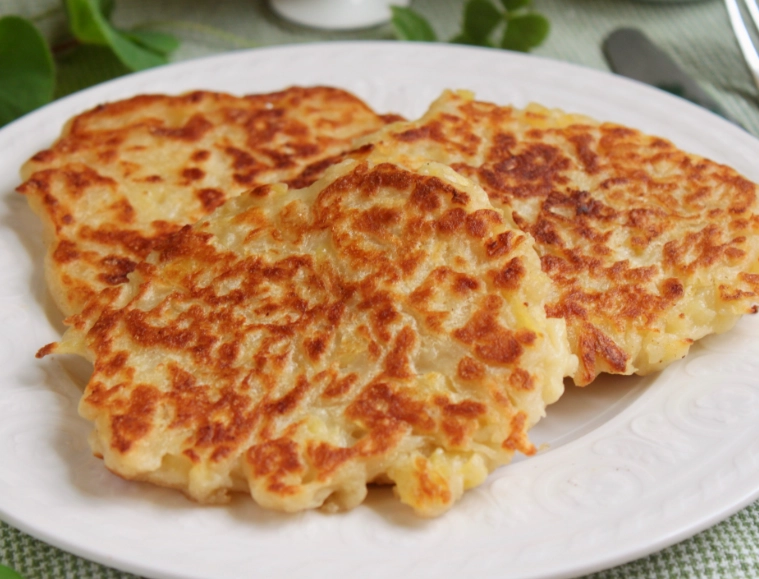
2. Mix the Batter
In a large bowl, combine the grated raw potatoes, cooled mashed potatoes, flour, baking powder, and salt. Pour in the buttermilk gradually, stirring until just combined. The batter should be thick but pourable—think somewhere between pancake batter and cookie dough. If it's too dry, add a splash more buttermilk.
Pro Tip: Don't overmix! Stir until the ingredients are incorporated, then stop. Overworking develops gluten, leading to tough boxty.
3. Cook the Boxty
Heat a skillet over medium-high heat. Add a tablespoon of butter or oil. Once hot, drop ladlefuls of batter (about 1/4 cup each) onto the skillet. Spread gently into circles, about 1/2 inch thick. Cook for 4-5 minutes per side, until golden brown and crispy at the edges. Flip carefully with a spatula—they're delicate until set.
Keep cooked boxty warm in a low oven (200°F or 95°C) while you finish the batch. Add more butter or oil as needed.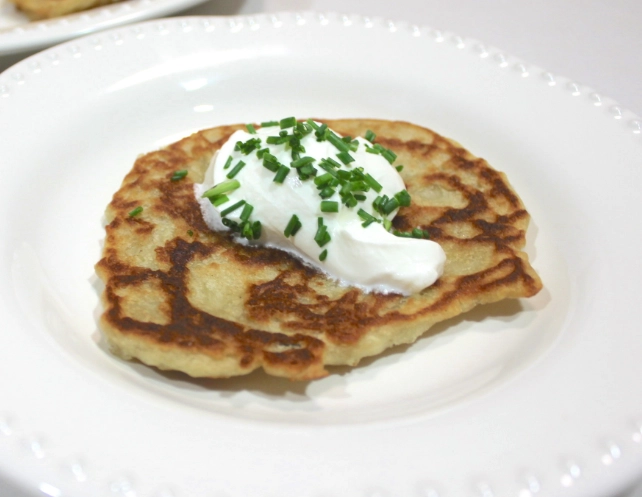
Common Boxty Mistakes and How to Dodge Them
I've seen people mess this up, and it's usually for a few reasons. Here's what to avoid:
- Not squeezing the grated potatoes: This is the biggest error. Watery batter equals soggy pancakes. Squeeze until your hands hurt—it's worth it.
- Using warm mashed potatoes: Heat activates the starch too early. Cool them down completely, or you'll get a gluey texture.
- Flipping too early: Wait until the edges look set and bubbles form on the surface. If you flip too soon, it'll fall apart.
- Overcrowding the pan: Give each boxty space to cook evenly. Otherwise, they steam instead of fry.
One non-consensus point: many recipes say to use only raw potatoes, but I find the raw-mashed combo gives better control over moisture. It's a trick I picked up from an old Irish cookbook I found in Dublin.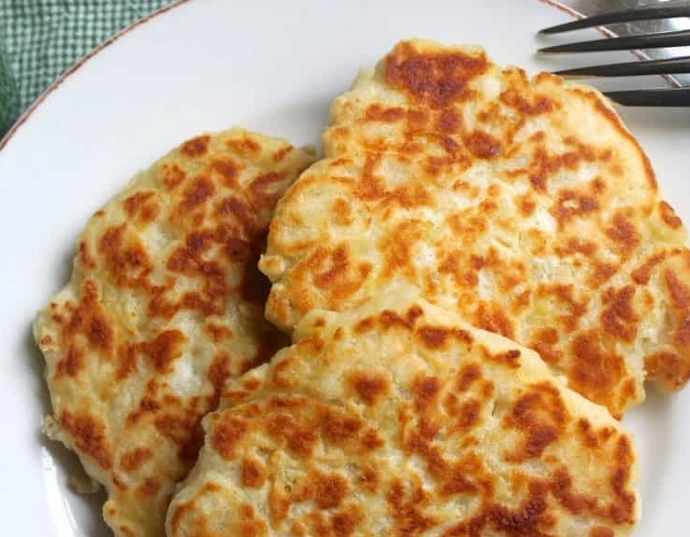
Boxty Variations and Serving Ideas
Boxty is adaptable. Here are some ways to mix it up:
- Cheese and Herb Boxty: Fold in 1/2 cup grated cheddar and a tablespoon of chopped chives into the batter.
- Sweet Version: Omit the salt, add a tablespoon of sugar, and serve with jam or honey for a dessert twist.
- Gluten-Free Boxty: Replace all-purpose flour with a blend of rice flour and tapioca starch (equal parts). The texture is slightly more fragile, but still delicious.
How to serve? Traditionally, it's with a fried breakfast—eggs, bacon, sausages. But I love it as a side for soups like Irish stew. For a light meal, top with smoked salmon and a dollop of crème fraîche. Leftovers? Reheat in a skillet to keep them crisp.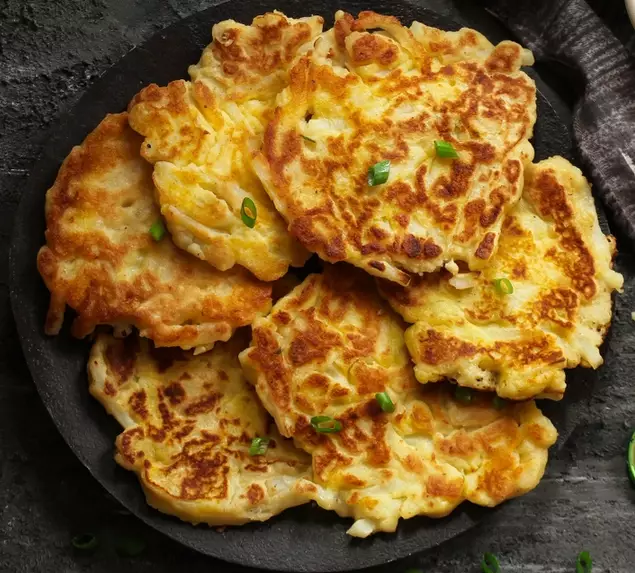
Your Boxty Questions Answered
Boxty might seem simple, but those little details—squeezing potatoes, cooling mash—make all the difference. Give it a try this weekend. Once you get it right, it's a recipe you'll come back to again and again. If you have more questions, drop them in the comments below. Happy cooking!