Choux pastry. It sounds fancy, maybe a bit intimidating. Cream puffs, éclairs, profiteroles—they're the elegant desserts you see in patisserie windows. But here's the secret: the dough itself is one of the most straightforward foundations in baking. Water, butter, flour, eggs. That's it. The magic happens in the technique, and that's what trips most people up. I've been teaching baking for over a decade, and I've seen the same few mistakes sink more choux than anything else. This guide isn't just a recipe list; it's a deep dive into the *why* and *how*, so you can move from hoping it works to knowing it will.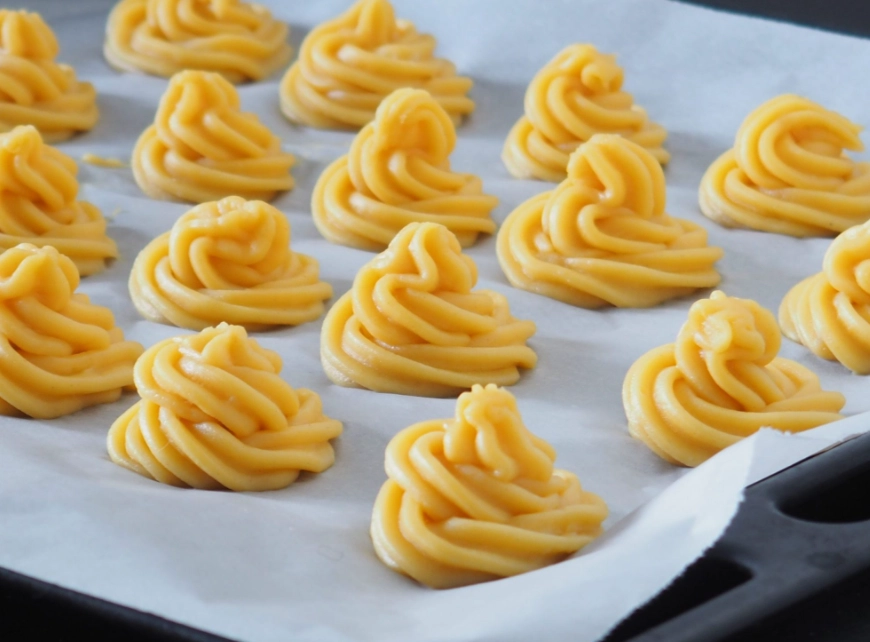
What You'll Find Inside
The Foundation: Understanding Choux Pastry
Let's strip away the mystery. Choux pastry (pâte à choux) is a cooked dough. Unlike pie crust or biscuits, you cook the flour with liquid and fat first on the stove. This pre-gelatinizes the starch in the flour, which means it can absorb a huge amount of egg later. Those eggs are the leavening agent. The steam they create during baking, trapped by the formed crust, is what makes the pastry puff dramatically.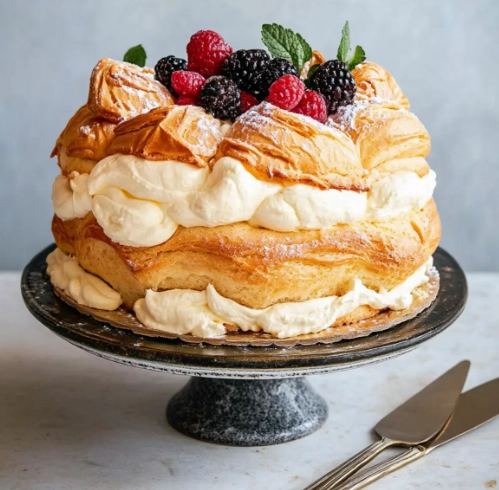
The ingredients are simple, but their quality and handling are non-negotiable.
- Water vs. Milk: Most home recipes use water. It creates a crisper shell. Using milk (or a mix) gives a slightly softer, richer shell with better color due to the lactose and protein browning. For your first tries, stick with water for its forgiving nature.
- Butter: Use unsalted, real butter. The water content in butter is part of the recipe's liquid calculation. Margarine or spreads have different water and fat contents and will let you down.
- Flour: All-purpose flour is perfect. Bread flour has too much protein and can make shells tough. Cake flour is too weak. Don't overthink it.
- Eggs: Large eggs, at room temperature. This is critical. Cold eggs will cool your hot dough down too quickly and won't incorporate properly. You'll think you need more egg, over-compensate, and end up with a runny, eggy mess.
One Non-Negotiable Tip: Weigh your ingredients. A cup of flour can vary by 20 grams. For a dough this sensitive to balance, a kitchen scale is your best friend. It removes all the guesswork.
The Classic Cream Puff Recipe: A Step-by-Step Walkthrough
Let's make cream puffs. This is your foundational blueprint. Master this, and éclairs, gougères, and Paris-Brest are just a shape away.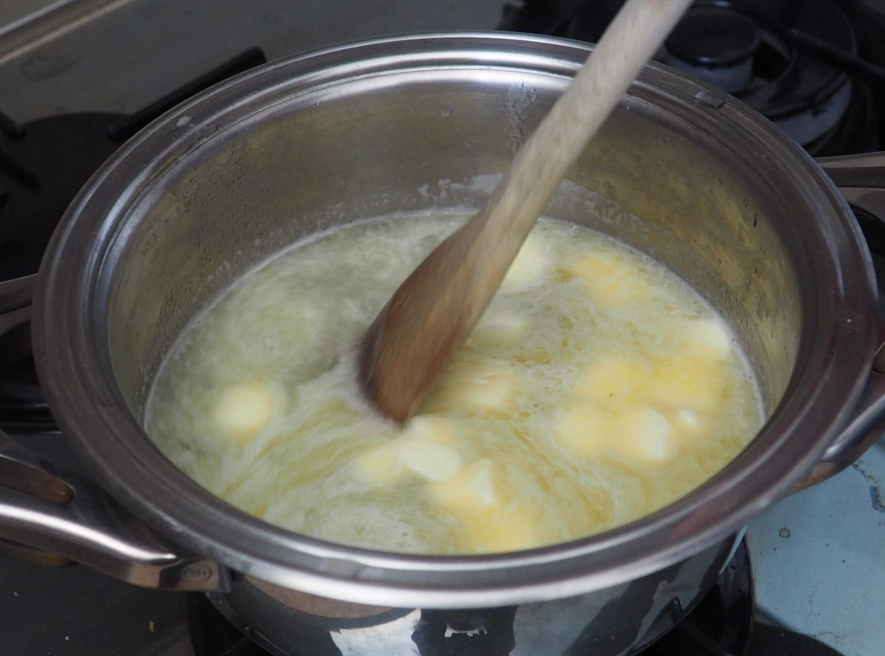
Ingredients for the Choux Pastry
- 120ml (1/2 cup) water
- 55g (1/2 stick) unsalted butter, cubed
- 1/4 teaspoon salt
- 1 teaspoon granulated sugar (optional, aids browning)
- 70g (1/2 cup + 1 tbsp) all-purpose flour, sifted
- 2-3 large eggs, room temperature (you will likely use 2.5)
The Process, Demystified
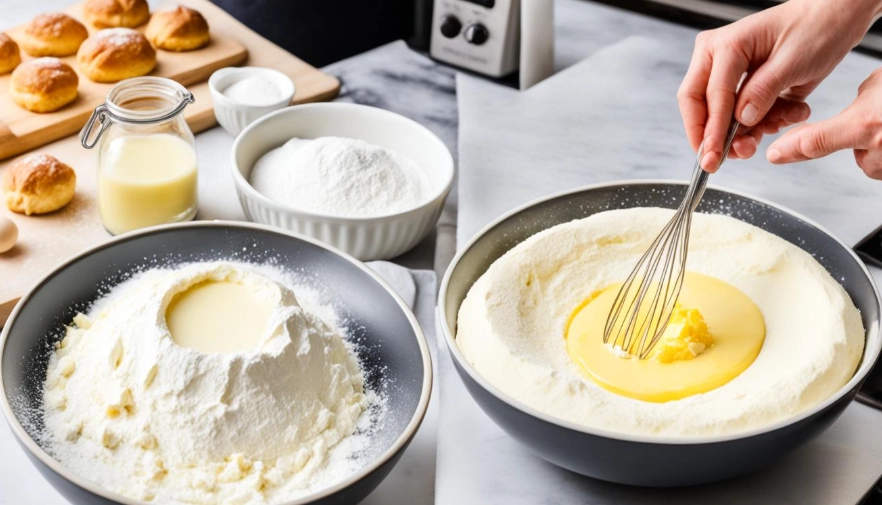
1. Cooking the Panade: Combine water, butter, salt, and sugar in a medium saucepan. Bring to a full, rolling boil over medium heat. The butter must be fully melted. Dump in all the sifted flour at once. Immediately reduce heat to medium-low and start stirring vigorously with a wooden spoon. Keep stirring for 2-3 minutes. You're not just mixing; you're cooking. You'll know it's ready when the dough forms a smooth ball that pulls away from the sides of the pan, and a thin film coats the bottom. This step dries out the dough and gelatinizes the starch—it's the structural key. Under-cook here, and your puffs will be flat.
2. Cooling the Dough: Transfer the hot dough to a mixing bowl. Let it cool for 5-7 minutes. You should be able to hold your hand against the bottom of the bowl comfortably. If the dough is too hot, it will cook the eggs when you add them.
3. Adding the Eggs: This is where people panic. Using a hand mixer or vigorous arm power, beat in the eggs ONE AT A TIME, fully incorporating each before adding the next. After the second egg, the dough will look broken and slippery. That's normal. Keep beating; it will come together. After the second egg, add the third egg in small increments—maybe in four parts. Watch the dough, not the recipe. You're looking for a specific consistency: a glossy, pipeable paste that, when you lift the beater or spatula, slowly falls and forms a thick, hanging "V" shape. You may not need the entire third egg. Stop when you hit the "V."
4. Piping and Baking: Preheat your oven to 425°F (220°C). Line a baking sheet with parchment. Pipe 1.5-inch mounds using a piping bag or spoon them with two spoons. Dab the tip of each mound with a wet finger to smooth peaks (they can burn). Bake at 425°F for 15 minutes, then WITHOUT OPENING THE DOOR, reduce heat to 375°F (190°C) and bake for another 20-25 minutes until deeply golden brown and very light when picked up. They should sound hollow when tapped. This two-temperature bake is crucial for a strong rise and a dry interior.
5. Venting and Cooling: As soon as they're out of the oven, poke each puff with a skewer or the tip of a knife to let steam escape. This prevents them from collapsing and becoming soggy from the inside. Transfer to a wire rack to cool completely before filling.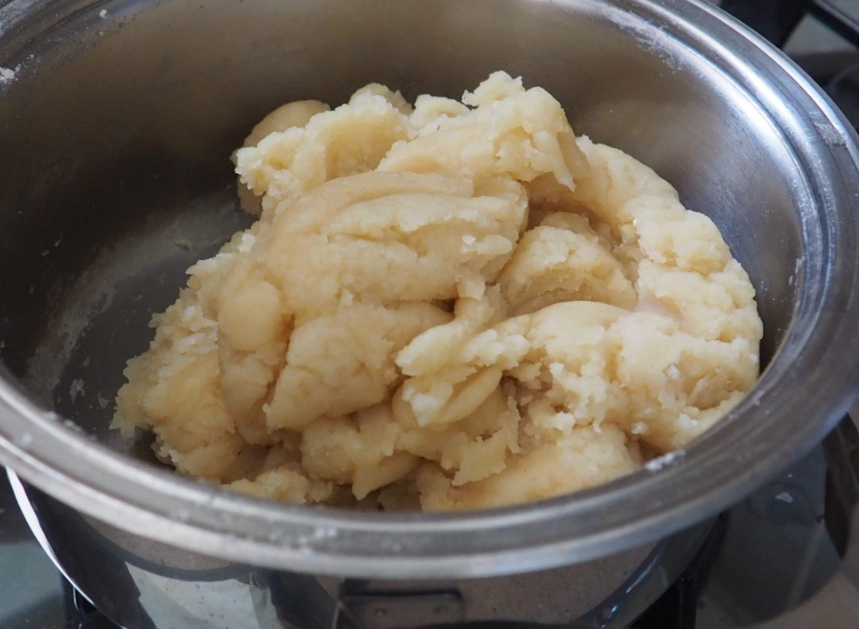
The Biggest Mistake I See: Opening the oven door during the first 25 minutes of baking. The rush of cold air collapses the delicate steam structure. Treat your oven like a vault. Use the light to check color if you must.
Choux Pastry Troubleshooting: Fixing Hollow, Flat, or Soggy Shells
Let's diagnose common problems. This is where most blog posts stop, but it's where real learning begins.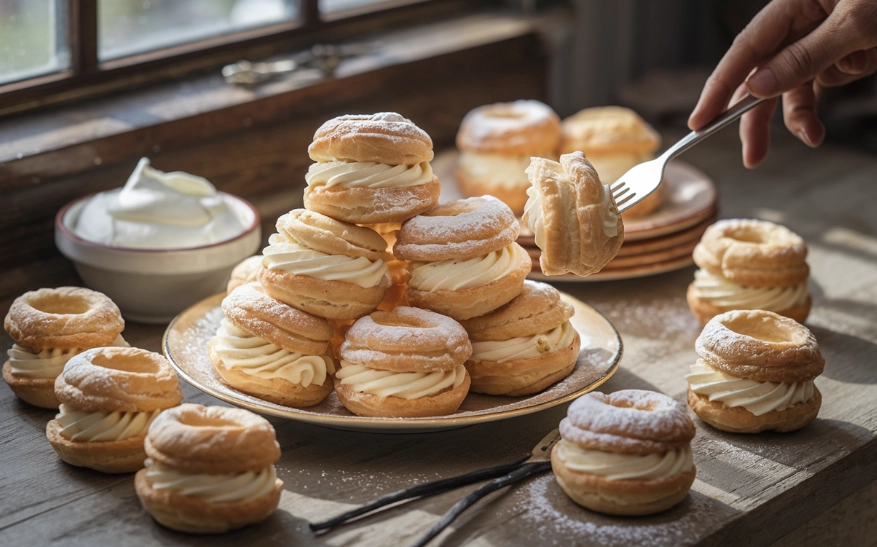
Problem: Flat, Spread-Out Puffs
Likely Cause: Dough too wet (too much egg) or, more commonly, the panade was under-cooked. The structure wasn't set to hold the steam.
Fix: Next time, cook the flour-butter-water mixture longer on the stove until a firm ball forms and a film develops on the pan bottom.
Problem: Hollow Shells with a Large, Empty Cavity
Likely Cause: Oven temperature too high, especially at the start. The exterior sets too fast, bursting upwards before the inside has fully expanded, leaving a gap underneath.
Fix: Ensure accurate oven temperature with a thermometer. Don't exceed 425°F for the initial bake. The puff needs time to expand evenly from the inside out.
Problem: Soggy Bottoms or Collapsed Shells After Cooling
Likely Cause: Under-baking. The interior is still moist. Or, you didn't vent them after baking, trapping steam inside.
Fix: Bake until they are a deep, even golden brown and feel very light. Always poke a hole immediately after removing from the oven. Cool completely on a wire rack, not on the hot tray.
Problem: Eggy Taste or Texture
Likely Cause: You added all the egg at once or didn't judge the consistency, ending up with too much egg. The dough never emulsified properly.
Fix: Add eggs gradually and stop at the "V" stage. The dough should be thick and hold its shape, not runny.
Beyond Cream Puffs: Creative Variations and Fillings
Once the basic dough is in your muscle memory, the world opens up.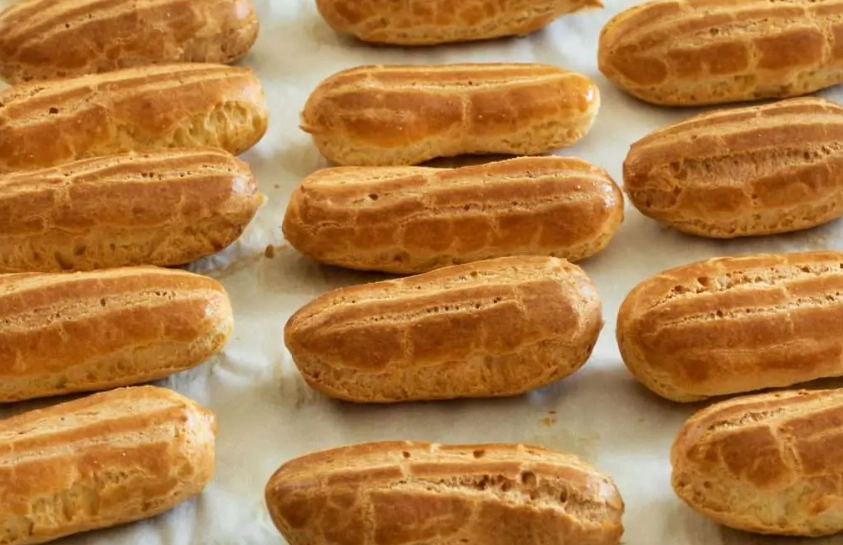
Shapes:
- Éclairs: Pipe 4-inch long lines.
- Paris-Brest: Pipe a large circle to resemble a wheel.
- Chouquettes: Pipe small mounds and sprinkle with pearl sugar before baking.
- Gougères: Add 1/2 cup grated Gruyère cheese and a pinch of cayenne to the dough after the eggs. Savory perfection.
Fillings (The Fun Part): Never fill more than an hour or two before serving to avoid sogginess.
- Classic Pastry Cream (Crème Pâtissière): The king. Thick, rich, and stable. Infuse it with vanilla bean, coffee, or chocolate.
- Crème Diplomat: Fold whipped cream into cooled pastry cream. Lighter, but still stable.
- Chantilly Cream: Sweetened whipped cream. Delicious but perishable—fill right before serving.
- Savoury Mousses: For gougères, fill with chicken salad, smoked salmon mousse, or herbed goat cheese.
My personal favorite? Craquelin. It's a simple cookie dough (equal parts butter, brown sugar, and flour) rolled thin, frozen, and cut into circles placed on top of the unbaked choux mounds. It bakes into a beautiful, crackly, sweet top that gives incredible texture and visual flair. It's that "pro" touch that's surprisingly easy.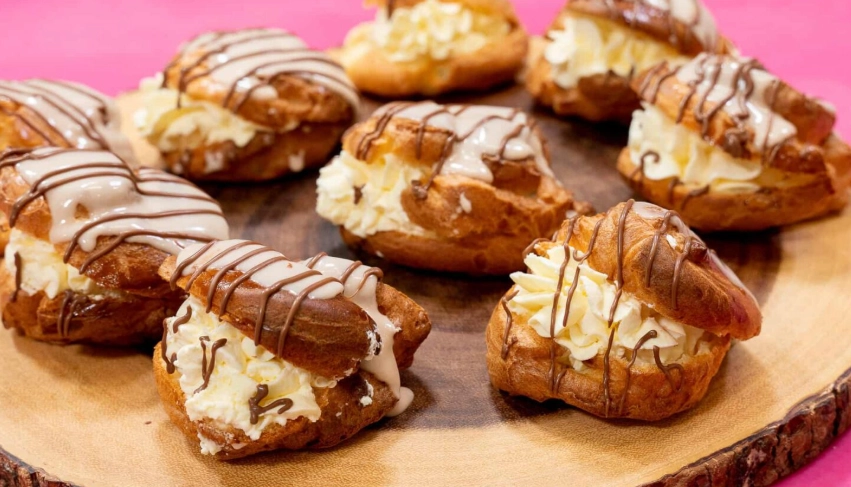
Your Choux Pastry Questions, Answered
Choux pastry is a lesson in trusting the process. It feels weird when you're doing it—cooking flour and water, beating in slippery eggs—but if you follow the science of it, the results are consistently magical. Don't be discouraged by a first batch that's less than perfect. Every baker has a bowl of flat choux in their past. Use this guide, pay attention to the dough's cues, not just the clock, and you'll be turning out professional-looking pastries that will genuinely impress. Now, go preheat your oven.