Quick Navigation
Let's be honest. We've all had that moment staring at a beautiful piece of red meat in the kitchen, feeling a mix of excitement and sheer terror. I remember my first attempt at a ribeye – let's just say the smoke alarm got more of a workout than my taste buds. It was charred on the outside, cold in the middle, and tough as leather. A total disaster.
But here's the thing. Cooking a great steak isn't some magical secret reserved for chefs in fancy restaurants with $10,000 grills. It's a skill, and like any skill, it breaks down into simple steps once you know what you're doing. That's what this guide is for. We're going to walk through everything, and I mean everything, you need to turn out fantastic beef steak recipes right in your own kitchen. No fluff, no overly complicated chef-speak. Just clear, practical advice that works.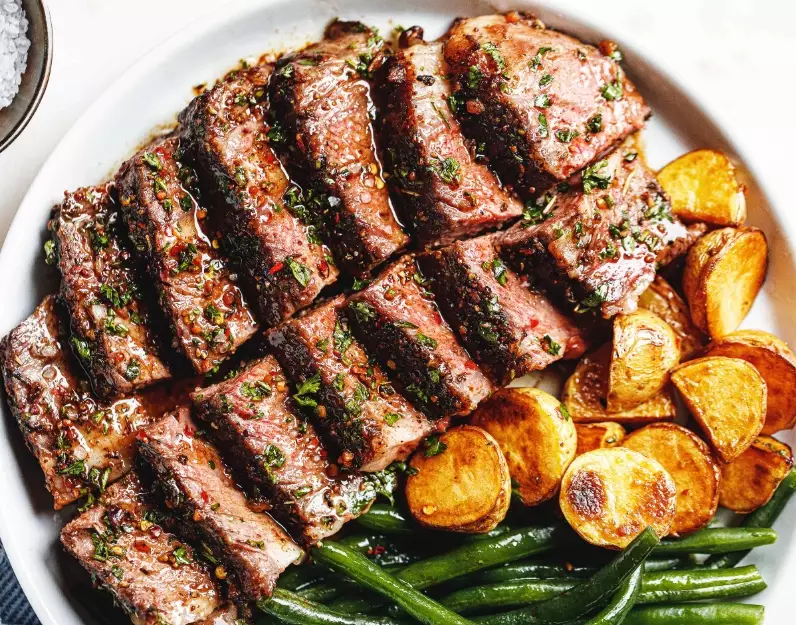
Think of this as your friendly, slightly obsessive neighbor (who happens to cook a lot of steak) sharing all the notes from years of trial, error, and occasional triumph.
First Things First: Picking Your Steak Cut
This is where most mistakes start, honestly. You grab the first package you see at the store because it's labeled "steak." Bad move. Different cuts have completely different personalities – some are tender and rich, others are beefy and need a little more love. Choosing the right one for your recipe and cooking method is half the battle won.
Here’s a breakdown of the usual suspects you'll find. I've ranked them loosely based on a mix of tenderness, flavor, and how forgiving they are for home cooks. This isn't gospel, but it's a solid starting point.
| Steak Cut | Also Known As | Best For... | Tenderness | Flavor Profile | Price Point |
|---|---|---|---|---|---|
| Ribeye | Scotch Fillet, Delmonico | Grilling, pan-searing | Very High | Extremely rich, buttery, marbled | $$$ |
| New York Strip | Strip Steak, Sirloin Strip | All-purpose (pan, grill, broil) | High | Robust, beefy, balanced fat | $$-$$$ |
| Filet Mignon | Tenderloin Steak | Pan-searing, sauces | Highest (most tender) | Mild, very lean, buttery texture | $$$$ |
| Top Sirloin | Sirloin Steak | Marinating, grilling, slicing for salads/fajitas | Medium-High | Strong, classic "steak" flavor | $ |
| Flank Steak | London Broil (often) | Marinating, quick high-heat cook, slicing thin | Medium (can be tough if overcooked) | Intense, deeply beefy | $ |
| Skirt Steak | Fajita Steak | Quick searing, marinating, tacos/fajitas | Medium (chewy texture) | Very rich, almost mineral | $-$$ |
| Hanger Steak | Butcher's Steak | Marinating, quick cook, slicing against the grain | Medium (tender if cut correctly) | Extremely beefy, "offal-like" depth | $$ |
See that last column? It matters. You don't need to break the bank for a good meal. Some of the most flavorful beef steak recipes come from the cheaper, tougher cuts – you just have to treat them right (hello, marinades and slicing against the grain).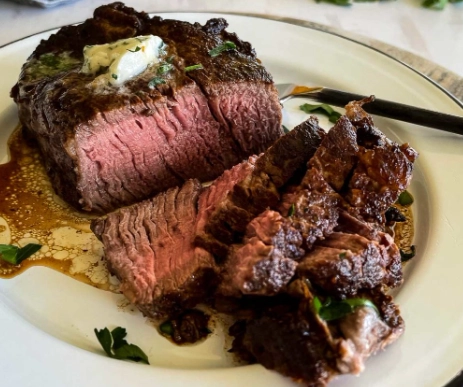
What About Grade and Marbling?
You'll see labels like Prime, Choice, and Select. In simple terms, this is mostly about the amount of intramuscular fat, or marbling. Prime has the most, Select has the least. More marbling generally means more flavor and tenderness as the fat melts during cooking.
And a quick word on pre-marinated or "seasoned" steaks from the store. I avoid them. You're paying a premium for salt, sugar, and often low-quality flavorings that can prevent a good sear. It takes two minutes to season meat yourself with salt and pepper – you get control, and it's cheaper.
Getting Your Steak Ready for the Fire
Okay, you've got your steak. Now what? Do you throw it straight from the fridge into the pan? Please don't. A few simple prep steps make a world of difference.
To Thaw or Not to Thaw?
If your steak is frozen, thaw it slowly in the fridge overnight. Never, ever thaw it at room temperature or in warm water. That's a fast track to growing bacteria and turning the outer layer mushy. Planning is key for good beef steak recipes.
The Great Debate: Should You Bring Steak to Room Temperature?
This is a classic. Many recipes insist on letting your steak sit out for an hour. The science is a bit iffy on how much it actually helps, but I do it anyway. Why? It dries the surface. A dry surface is the single most important factor for getting that incredible, crispy, flavorful crust (the "Maillard reaction," if you want the science term). A wet steak steams. We don't want steamed steak.
So, take it out of the fridge, unwrap it, pat it very dry with paper towels, and let it sit on a rack for 30-45 minutes. Season it generously with kosher salt during this time. The salt will draw out moisture initially, then pull it back in, seasoning the meat deeper.
Seasoning: Keep It Simple (At First)
For your foundational beef steak recipes, salt and freshly cracked black pepper are all you need. Be generous. That seasoning forms the crust. Garlic powder, onion powder, smoked paprika – those are great, but add them after searing if using dry spices, or they'll burn and taste bitter.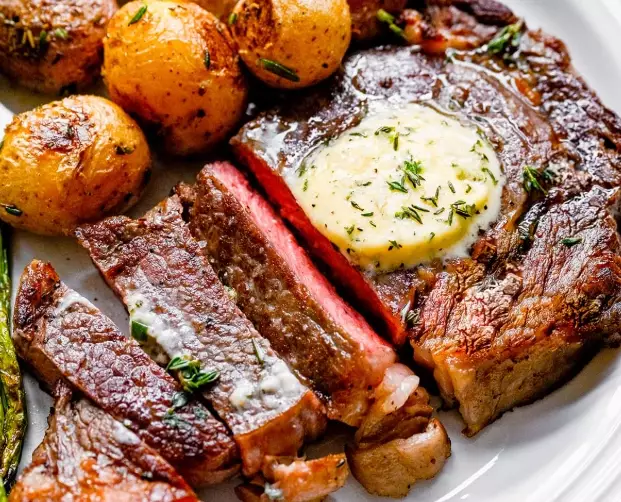
For marinades, that's a different game. They're essential for leaner, tougher cuts like flank or skirt steak. A basic formula is: something acidic (lemon juice, vinegar, wine), some oil, and herbs/spices. Don't marinate tender cuts like filet or ribeye for more than an hour or two – the acid can start to "cook" the surface and turn it mushy.
The Main Event: How to Cook Your Steak
Finally, the fun part. Heat, meat, and the sizzle. This is where people get nervous about temperatures and timing. Let's demystify it.
Your Doneness Guide: From Blue to Well-Done
Forget poking it and guessing. The most reliable method for home cooks (besides a thermometer) is the hand feel method, but it takes practice. Here's a cheat sheet. The USDA recommends a minimum safe temperature of 145°F (63°C) followed by a 3-minute rest for whole cuts of beef, but many prefer it rarer.
- Rare (120-130°F / 49-54°C): Cool red center. Feels like the fleshy part of your palm when you touch your thumb to your index finger.
- Medium Rare (130-135°F / 54-57°C): Warm red center. The sweet spot for most steak lovers. Thumb to middle finger.
- Medium (135-145°F / 57-63°C): Warm pink center. Thumb to ring finger.
- Medium Well (145-155°F / 63-68°C): Slight hint of pink. Starting to get firm. Thumb to pinky.
- Well Done (160°F+ / 71°C+): Little to no pink, often gray. Firm throughout. Like the base of your palm.
But honestly? Buy an instant-read digital thermometer. It's the best $20 you'll spend for cooking meat. Take the guesswork out. Pull your steak off the heat about 5 degrees below your target temp – it will keep cooking while it rests (more on that critical step in a second).
Cooking Method Showdown
You've got options. The best one depends on your cut, your kitchen, and how much time you have.
Pan-Searing (Cast Iron is King): My go-to for 90% of my beef steak recipes. It gives you insane control over the crust. Get your pan screaming hot, add a high-smoke-point oil (avocado, grapeseed), lay the steak in, and don't touch it for a few minutes. Flip once. For thicker cuts, you can finish it in a hot oven. Add butter, garlic, and herbs like thyme to the pan for the last minute and baste the steak for extra flavor.
Grilling: The classic. Direct high heat for searing, indirect heat for finishing thicker steaks. Creates fantastic flavor with grill marks. The challenge is managing flare-ups from dripping fat. Keep a spray bottle of water handy.
Broiling: Your oven's upside-down grill. Great when it's too cold outside. Place the steak on a rack close to the broiler element. Watch it like a hawk – it can go from perfect to burnt in seconds.
The Reverse Sear (Game Changer for Thick Cuts): This technique flips the script and is arguably one of the best ways to cook a steak over 1.5 inches thick. You slowly bring the steak up to temperature in a low oven (like 250°F / 120°C) until it's about 10-15 degrees below your desired doneness. Then, you finish it with a super hot sear in a pan or on the grill for just a minute per side. The result? Edge-to-edge perfect doneness with no gray band, and an incredible crust. It takes more time but requires less active skill. It’s my secret weapon for impressing guests.
The Non-Negotiable Step: Resting Your Steak
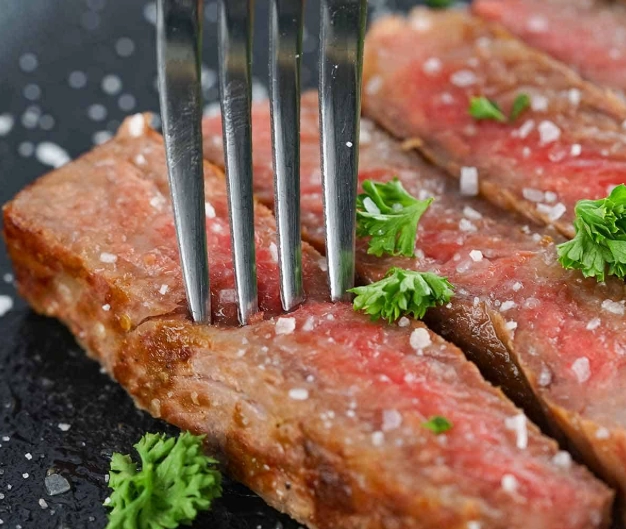
This is the step everyone wants to skip because they're hungry. Don't. When you cook steak, the juices rush to the center. If you cut it immediately, all those flavorful juices run out onto your plate. Resting allows the juices to redistribute throughout the meat.
How long? A good rule of thumb is about half the cooking time, or at least 5-10 minutes for a standard steak. Just tent it loosely with foil. It will stay plenty warm.
Beyond Salt and Pepper: Sauces and Sides
A great steak can stand alone, but the right accompaniments turn a meal into an experience. These are some classic partners for your beef steak recipes.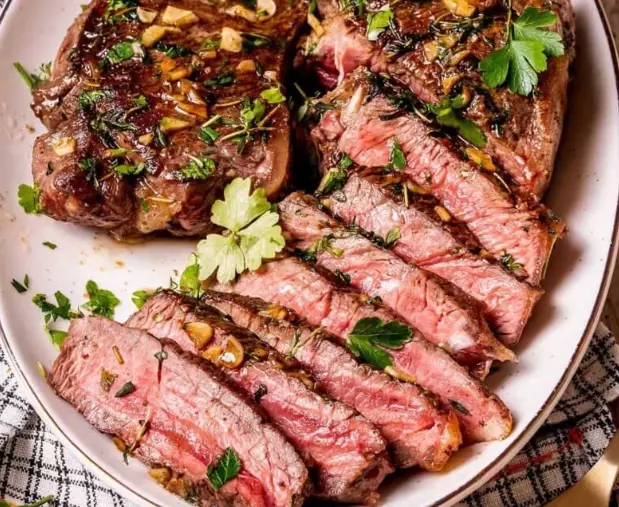
Five-Minute Pan Sauce
After you've cooked your steak and set it aside to rest, you have a goldmine of flavor in that pan. Don't wash it! Here's a foolproof sauce:
- Pour off most of the fat, leaving the browned bits ("fond").
- Add a finely chopped shallot and cook for a minute.
- Pour in about 1/2 cup of red wine or beef broth. Scrape up all the fond.
- Let it reduce by half.
- Turn off the heat, swirl in 2-3 tablespoons of cold butter and a spoonful of Dijon mustard if you like. Season. Pour over your rested steak.
Other Classic Sauces
- Compound Butter: Soften butter, mix in minced herbs (parsley, chives, rosemary), garlic, lemon zest, maybe some blue cheese crumbles. Roll into a log in parchment paper, chill, then slice a disc onto your hot steak.
- Peppercorn Sauce (Au Poivre): Crush black peppercorns, cook briefly in the pan after the steak, add brandy or cognac (careful, it can flame!), then broth and cream. Reduce.
- Chimichurri: A bright, herby Argentinian sauce of parsley, cilantro, garlic, red wine vinegar, oil, and red pepper flakes. Perfect for cutting through rich meat.
What to Serve On the Side
Keep it simple. You don't want sides that fight the star. Creamy mashed potatoes, crispy roasted potatoes, or a simple baked potato. Sautéed mushrooms (cook them in the steak pan before the sauce!). A crisp green salad with a sharp vinaigrette to cut the fat. Grilled asparagus or roasted Brussels sprouts.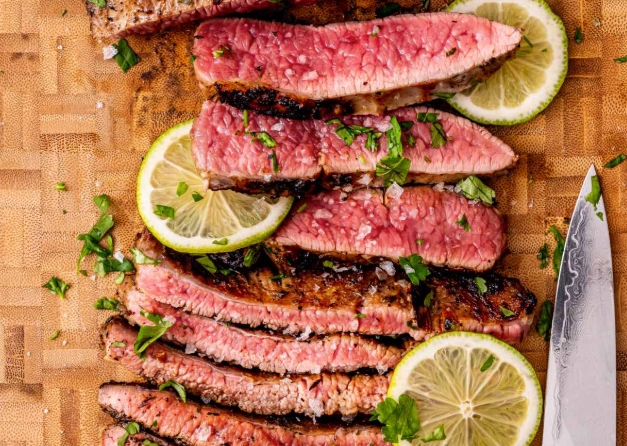
Answers to Your Steak Cooking Questions
I get asked these all the time. Here are the straight answers.
Putting It All Together: A Sample Recipe Roadmap
Let's walk through a simple, foolproof plan for a classic New York Strip, pan-seared.
1. Prep (45 mins before cooking): Take your 1.5-inch thick strip steak out of the fridge. Pat it completely dry with paper towels. Season all sides very generously with kosher salt and a little black pepper. Place it on a wire rack set over a plate and let it sit on the counter.
2. Cook (10 mins active time): About 30 minutes later, preheat your oven to 400°F (200°C). Place a cast-iron or heavy stainless steel skillet over high heat for 5 full minutes. It should be very hot. Add a tablespoon of avocado oil. Carefully place the steak in the pan. It should sizzle violently. Don't touch it for 3-4 minutes, until a deep brown crust forms. Flip it. Sear the other side for 2-3 minutes.
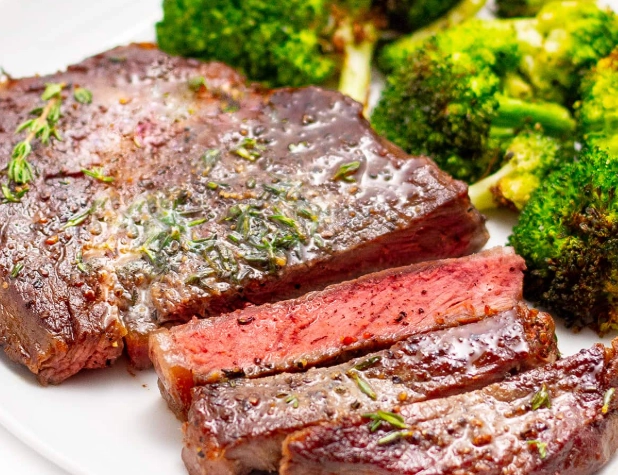
3. Finish & Rest: Add 2 tablespoons of butter, 2 smashed garlic cloves, and a few sprigs of fresh thyme to the pan. Tilt the pan and, using a spoon, baste the steak with the foaming butter for 1-2 minutes. For a medium-rare finish, you can transfer the whole pan to the hot oven for 2-3 more minutes, or just keep basting. Check the internal temp – aim for 130°F (54°C). Transfer the steak to a clean cutting board, tent loosely with foil, and let it rest for 8-10 minutes.
4. Serve: Slice against the grain (for strip steaks, this usually means slicing perpendicular to the long edge). Serve with the pan juices poured over the top, or make a quick pan sauce as described earlier.
That's it. No mystery, no fancy equipment. Just attention to a few key principles. Whether you're following classic beef steak recipes or experimenting with your own, those principles hold true: start with a good cut, prepare it properly, control the heat, and let it rest. Master that, and you've got a skill that will never let you down.
Now go heat up that pan. You've got this.