Quick Guide
Let's be honest, the idea of making haggis from scratch can seem pretty daunting. I remember the first time I looked at a traditional haggis recipe and saw "sheep's pluck" listed. My first thought was, "Where on earth do I even find that?" And what exactly is a pluck, anyway? If you're feeling a bit similarly overwhelmed, you're in the right place. This isn't just another recipe card; it's the guide I wish I'd had when I started. We're going to walk through the whole journey, from understanding what haggis truly is, to sourcing the ingredients (both the classic and the easier-to-find alternatives), through every step of the process, and even how to serve it. Whether you're preparing for a Burns Night supper, reconnecting with your Scottish roots, or just feeling culinary adventurous, this guide has you covered.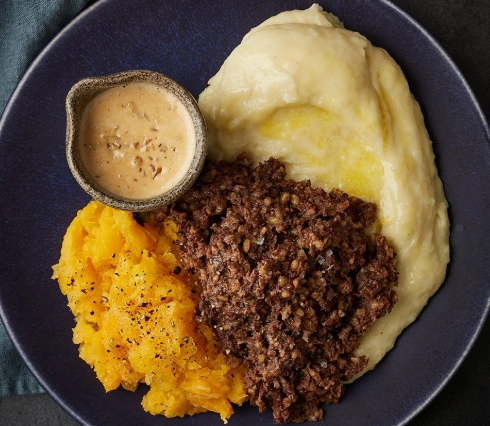
Some people hear "haggis" and immediately think it's a kind of mystery meat sausage. Others have only tried the canned stuff, which, in my not-so-humble opinion, does the real thing a massive disservice. A proper, homemade haggis is something else entirely—savory, peppery, hearty, and packed with texture and flavor. It's comfort food with centuries of history behind it. And the good news? Making it is absolutely within reach, even if you decide to skip the more challenging organ meats.
What's the big deal? A great haggis recipe is about more than just following steps. It's about understanding the balance of flavors and textures—the creaminess of the oats, the richness of the meat and fat, the bite of the pepper, and the warmth of the spices. Get that balance right, and you've got a centerpiece dish that will genuinely impress.
What Is Haggis, Really? (And a Bit of History)
Before we dive into the cooking, let's clear up what we're actually making. At its core, haggis is a savory pudding. It's a mixture of minced sheep's heart, liver, and lungs (the "pluck"), combined with oatmeal, onion, suet (beef or mutton fat), spices, and stock, all encased traditionally in the animal's stomach and simmered for hours. I know, I know, the description can sound intense. But think of it like any other sausage or paté—it's a brilliant, resourceful way to use every part of the animal.
The history is fascinating. While it's the national dish of Scotland, similar dishes of offal and grain stuffed into a stomach or casing appear in ancient texts from various cultures. The Scots perfected it. The poet Robert Burns immortalized it in his 1787 poem "Address to a Haggis," which is why it's the star of every Burns Supper on January 25th. The Scottish Government's culture portal has a great page on Burns Night traditions if you're curious about the full ceremony. It's a whole event, with poetry, whisky, and the ceremonial cutting of the haggis.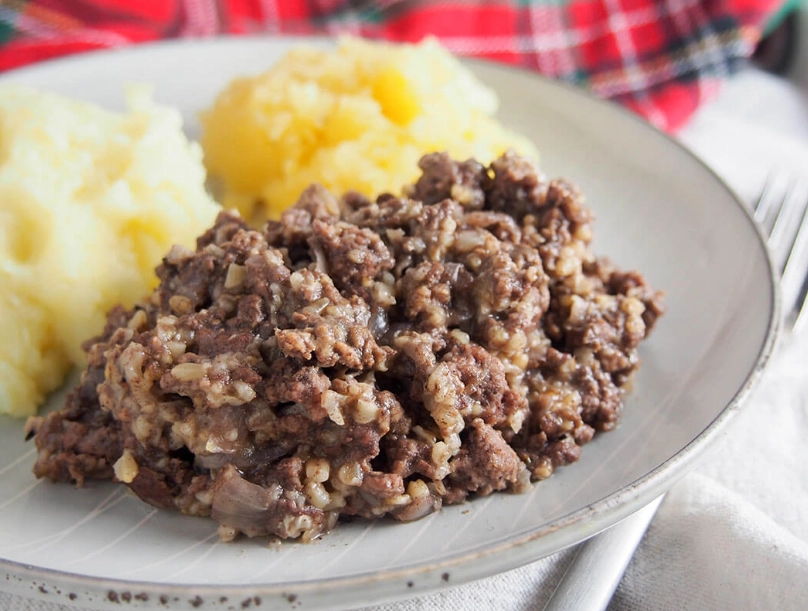
These days, you're more likely to find haggis cooked in a synthetic casing or even a pudding basin, which honestly makes the process a lot less intimidating for the home cook. The principle, however, remains the same.
Gathering Your Ingredients: The Traditional vs. The Practical
This is where many potential haggis-makers get stuck. Sourcing a full sheep's pluck can be a challenge unless you have a great relationship with a local butcher or farm. Don't let that stop you. A fantastic authentic haggis recipe can be adapted. Let's break down the ingredient list into two categories: the traditional ideal and the modern, accessible reality.
The Core Components (Non-Negotiable)
- Oatmeal: You need pinhead oatmeal (also called coarse or steel-cut oats). Don't use rolled or instant oats—they'll turn to mush. The pinhead oats give haggis its essential, slightly nutty texture. Toast them lightly in a dry pan until they smell fragrant for an extra flavor boost.
- Suet: This is hard fat from around the kidneys. Beef suet is most common and easy to find (often in the freezer section, pre-shredded). It's crucial for moisture and richness. Butter is not a good substitute here.
- Onions: Finely chopped. They add sweetness and moisture.
- Spices: Salt, plenty of freshly ground black pepper, and usually dried coriander. Some recipes add a pinch of nutmeg or mace. The pepper is key—haggis should have a definite peppery kick.
- Stock: A good, rich beef or lamb stock. This binds everything together. Homemade is best, but a quality low-sodium store-bought one works.
Now, for the meat. This is the main variable.
| Ingredient | Traditional Version | Modern/Accessible Version | Notes & Tips |
|---|---|---|---|
| Primary Meat | 1 sheep's pluck (heart, liver, lungs) | 500g lamb liver + 300g stewing lamb or lamb heart | Lamb liver is easy to find. Stewing lamb adds the "meaty" element missing if you use only liver. |
| Lungs (Lights) | Included in the pluck | Omitted | Hardest to source. Omitting them simplifies the recipe without huge flavor loss. The texture will be slightly denser. |
| Casings | Sheep's stomach (cleaned & prepared) | Beef bung cap, synthetic sausage casing, OR a 1.5L pudding basin | Using a well-greased pudding basin lined with parchment paper is the easiest home cook method. Just steam it instead of boil. |
| Cooking Method | Simmered in water | Steamed in a basin | Steaming prevents waterlogging and is more forgiving. The result is equally delicious. |
See? Already less scary. My go-to haggis recipe these days uses the "modern" meat list. I love the strong flavor of lamb liver, but using half liver and half stewing lamb (shoulder is perfect) creates a more balanced and, frankly, more crowd-pleasing result, especially if you're serving people who might be skeptical. The BBC's classic haggis recipe from chef Nick Nairn is a superb reference that leans towards this accessible approach.
A quick but important note on safety: If you do manage to source lungs or a full pluck, you must ensure it comes from a reputable, inspected source and is incredibly fresh. Offal spoils faster than muscle meat. When in doubt, stick with the lamb liver and stewing lamb combo—it's foolproof.
The Step-by-Step Process: How to Make Haggis
Alright, you've got your ingredients. Let's get cooking. I'll outline the process for the modern, basin-steamed version, as it's the most reliable for a first attempt. This method demystifies the whole how to make haggis process.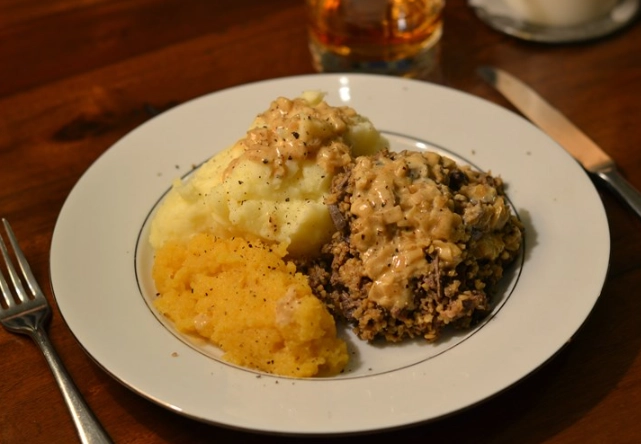
Part 1: Preparing the Meat
First, deal with your meat. If you're using stewing lamb (or lamb heart), cut it into chunks about an inch big. Place the lamb chunks and the whole liver in a large pot. Cover them with cold water, add a teaspoon of salt, and bring it to a gentle simmer. Don't let it boil vigorously—a gentle bubble is what we want. Skim off any grey scum that rises to the top. This poaching step is crucial. It cooks the meat through and tenderizes it, and the resulting broth becomes your cooking stock. Let it simmer for about 1.5 to 2 hours, until the meat is very tender.
Patience here pays off in texture later.
Once cooked, remove the meat and liver with a slotted spoon and set them aside to cool. SAVE THE POT LIQUID. Strain it through a fine sieve into another container. This is liquid gold—your stock. You'll need about a liter of it. If you're short, top it up with store-bought stock. Let the meat cool until you can handle it.
Part 2: The Assembly
While the meat cools, toast your pinhead oatmeal in a dry frying pan over medium heat. Stir it constantly for 3-4 minutes until it smells toasty and nutty. Transfer it to a bowl. In the same pan, melt a knob of butter and gently cook your finely chopped onions until they are soft and translucent but not browned. Set them aside.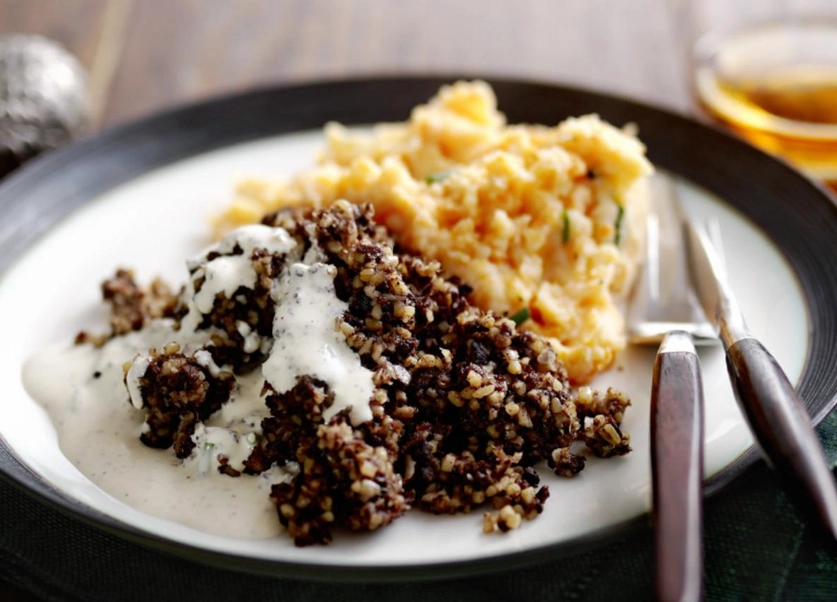
Now, the fun part. Finely mince the cooked meats. You can use a meat grinder for an authentic texture, but I often just chop everything very finely by hand. It's a bit of work, but you get more control over the texture. Some people even pulse it a few times in a food processor, but be careful not to turn it into a paste. You want a defined, coarse mince. Put the minced meat into a very large mixing bowl.
Add the toasted oats, cooked onions, and your shredded suet to the bowl. Season this very generously. I'm talking a tablespoon of freshly ground black pepper, at least two teaspoons of sea salt, and a tablespoon of dried coriander. Mix it all together with your hands. It will look dry and crumbly.
Taste test tip: Before you add the stock, fry a small spoonful of the mixture in a pan until cooked through. Taste it. This is your only chance to adjust the seasoning. Does it need more salt? More pepper? More coriander? Adjust the main bowl now. Remember, steaming will mellow the seasoning slightly, so be bold.
Now, gradually add your warm reserved stock. Start with about 750ml, mixing thoroughly. You want the mixture to be moist and hold together when squeezed, but not sloppy or soupy. It should have the consistency of a very moist meatloaf mixture. You may not need all the stock.
Part 3: Cooking (Steaming)
Grease a 1.5-liter pudding basin or heatproof bowl very well with butter. You can line the bottom with a circle of parchment paper for extra insurance. Pack the haggis mixture into the basin firmly, pressing down to eliminate air pockets. Smooth the top. Cover the top with a double layer of parchment paper, then a layer of aluminum foil. Secure it tightly with kitchen string, making a little handle if you can.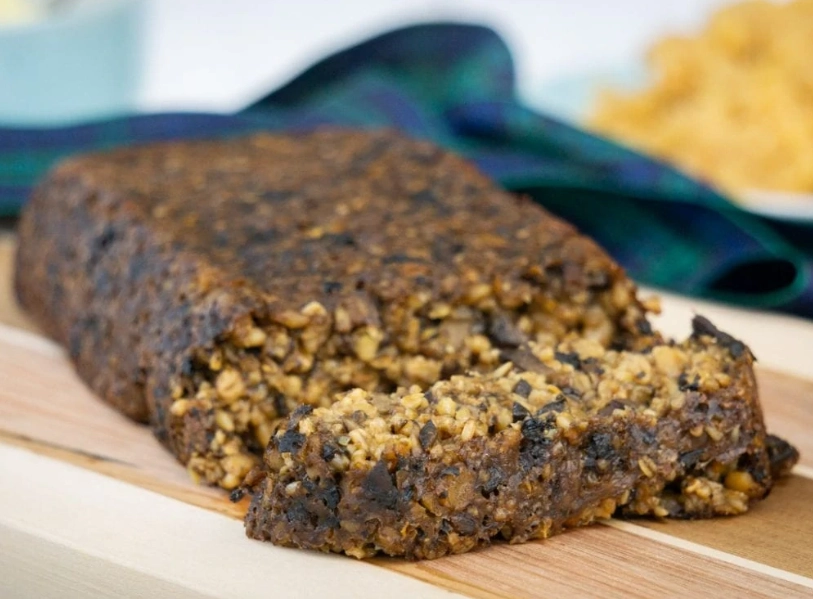
Place the basin in a large pot on a trivet or an upturned plate. Pour boiling water into the pot until it comes halfway up the sides of the basin. Cover the pot with a lid and bring the water back to a steady simmer. Steam for 3 hours. Check the water level every 45 minutes or so, and top it up with more boiling water as needed. Never let the pot boil dry.
After 3 hours, carefully remove the basin. Let it sit for 10 minutes, then turn it out onto a serving plate. It should hold its shape beautifully—a firm, steaming, aromatic dome. If you're not serving immediately, you can let it cool completely in the basin, then re-steam for an hour to heat through when needed.
What About Vegetarian Haggis?
No guide to a haggis recipe would be complete today without mentioning the vegetarian version. And let me tell you, a good veggie haggis is not just a consolation prize—it's a delicious dish in its own right. I serve it alongside the meat version at my Burns Suppers, and it's always a hit.
The principle is the same: replicate the texture and savory, peppery flavor profile. Instead of meat and suet, the base is usually a combination of:
- Pulses: Brown lentils, kidney beans, or chickpeas for substance.
- Nuts & Seeds: Chopped mushrooms, walnuts, or ground almonds for richness and "meaty" texture.
- Vegetables: The classic onion, plus carrots and sometimes mushrooms, all finely chopped.
- Binders: The same pinhead oatmeal, plus often some breadcrumbs.
- Fat: Vegetable suet or a neutral oil like sunflower oil.
- Flavor: A robust stock (vegetable), soy sauce or yeast extract (Marmite) for umami depth, and the same essential black pepper and coriander.
You mix it all, pack it into a basin, and steam it for about 2 hours. It's simpler, faster, and avoids all the meat sourcing issues. Organizations like the Vegetarian Society have excellent resources and recipes that provide a trusted blueprint for a vegetarian haggis.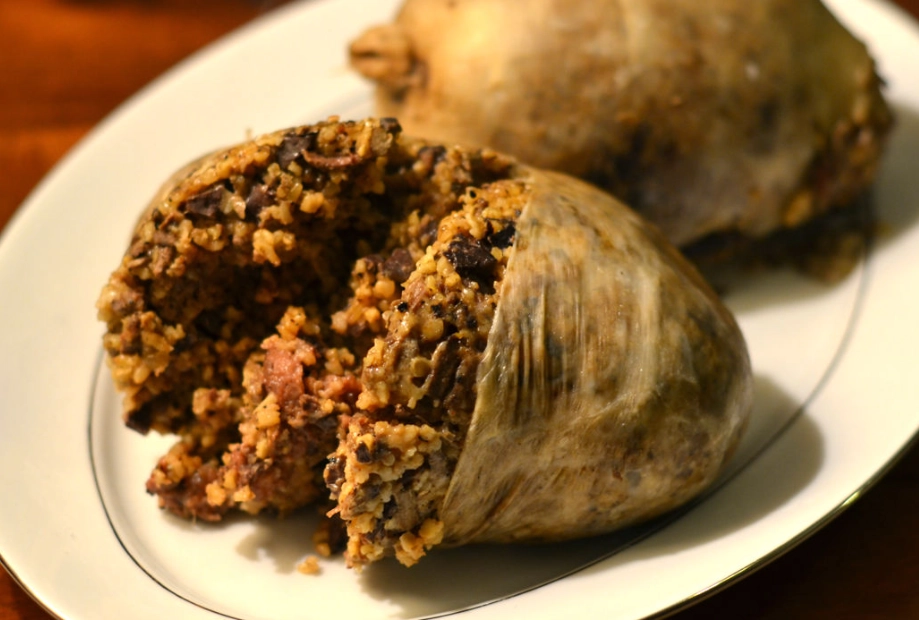
Serving, Accompaniments, and Leftover Magic
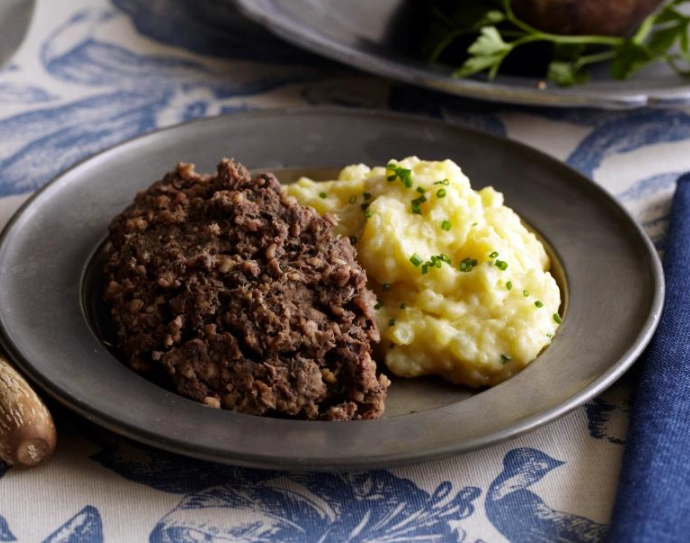
So you've made this glorious haggis. Now what? The classic serving is "neeps and tatties"—mashed swede (rutabaga) and mashed potatoes. The sweet, earthy neeps and creamy tatties are the perfect foil for the rich, peppery haggis. A generous drizzle of a whisky cream sauce is the traditional finishing touch (whisky, cream, a little stock, and mustard reduced).
But don't stop there. Haggis is incredibly versatile.
Beyond Burns Night:
- Haggis Nachos: Crumble cooked haggis over tortilla chips with cheese and jalapeños. Bake until melted. Unconventional? Yes. Delicious? Absolutely.
- Haggis-Stuffed Mushrooms: A fantastic appetizer.
- Haggis Scotch Eggs: Wrap a layer of haggis around a soft-boiled egg, coat in breadcrumbs, and deep-fry.
- Breaktime: A fried slice of haggis with a fried egg on top is the ultimate hearty breakfast.
Leftovers keep well in the fridge for 3-4 days and freeze beautifully for up to 3 months. Slice it and freeze portions flat for quick use.
Answering Your Haggis Questions (The FAQ)
I've gotten a lot of questions from friends over the years. Here are the most common ones.
Can I make haggis without a stomach or casing?
Absolutely. The pudding basin method described above is the perfect solution. It's how most home cooks do it now. No casing needed.
My haggis turned out dry. What happened?
Two likely culprits: not enough suet/ fat, or not enough stock mixed in before steaming. The mixture should look almost too wet before you pack it. The oats absorb a lot of moisture during cooking.
Can I use a slow cooker?
Yes! For the basin method, you can place the covered basin in your slow cooker, pour boiling water around it, put the lid on, and cook on high for 4-5 hours. It works a treat.
Is haggis healthy?
It's hearty, protein-rich, and contains iron and fiber from the oats and offal. However, it's also high in fat (from the suet) and calories. It's celebratory food, best enjoyed as part of a balanced diet.
Why is haggis banned in the US?
This is a common myth with a kernel of truth. The import of traditional haggis containing sheep's lungs has been prohibited by the USDA since 1971, as lungs are not approved for human consumption in the US. However, you can absolutely make it at home with alternative meat mixes (like the one in this guide), and several American companies produce lung-free haggis that is perfectly legal. The USDA Food Safety and Inspection Service website outlines the regulations if you're interested in the legal specifics.
Final Thoughts: Give It a Go
Making haggis is a project, I won't lie. It takes time and a bit of effort. But the reward is immense. The satisfaction of creating this iconic dish from scratch, the incredible aroma that fills your kitchen, and the joy of sharing it—it's a special culinary experience.
Don't get hung up on absolute authenticity if it means you never try. Use the accessible ingredients. Steam it in a bowl. The most important part of any authentic haggis recipe is the spirit of it: creating something flavorful, hearty, and celebratory from good, honest ingredients.
Your first one might not be perfect, but it will be yours. And it will be delicious.
So, are you ready to tackle your own haggis recipe? Gather your ingredients, clear an afternoon, and dive in. You might just discover a new favorite tradition. Slàinte mhath! (Good health!)